
Can a Dog Take Amoxicillin?
How Amoxicillin Works in Dogs
- Broad-Spectrum Coverage:
Amoxicillin targets both gram-positive and gram-negative bacteria, making it versatile for infections like urinary tract infections, respiratory issues, and skin wounds. - Mechanism of Action:
The drug interferes with the formation of peptidoglycan, a critical component of bacterial cell walls, causing the bacteria to weaken and die off. - Absorption and Metabolism:
Amoxicillin is absorbed quickly in the gastrointestinal tract, reaching peak levels in the bloodstream within 1–2 hours after administration. - Excretion Through Kidneys:
The antibiotic is primarily excreted via the kidneys, which is why hydration is crucial to prevent kidney strain during treatment. - Effectiveness Against Common Infections:
It is particularly effective for conditions such as pyoderma (skin infections), pneumonia, and dental abscesses, though it may not work on viral or fungal infections.
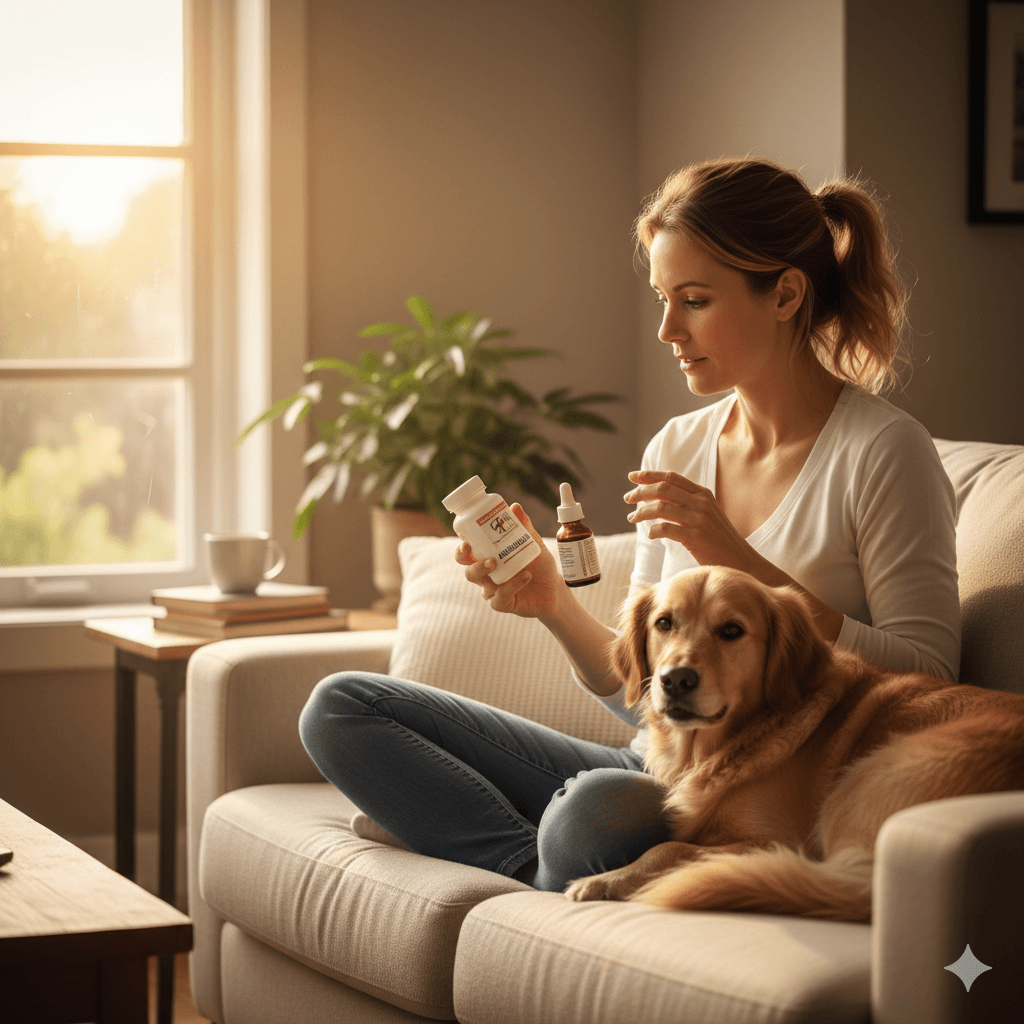
Common Conditions Treated with Amoxicillin in Dogs
- Urinary Tract Infections (UTIs):
Bacteria like E. coli often cause UTIs in dogs, leading to symptoms like frequent urination, straining, or blood in the urine; amoxicillin helps eliminate these pathogens. - Respiratory Infections:
Conditions such as kennel cough or pneumonia caused by susceptible bacteria respond well to amoxicillin, reducing inflammation and clearing mucus buildup. - Skin and Soft Tissue Infections:
Pyoderma, hot spots, and abscesses caused by Staphylococcus species are effectively treated with this antibiotic due to its ability to penetrate tissues. - Dental Infections:
Amoxicillin combats oral bacteria responsible for gum disease, tooth abscesses, or post-dental surgery infections, promoting faster healing. - Gastrointestinal Infections:
In cases of bacterial overgrowth or contamination, amoxicillin restores balance to the gut flora while alleviating symptoms like vomiting or diarrhea.
Check this guide 👉Can a Dog Take Zyrtec? Best 7 Expert Tips!
Check this guide 👉Can Dogs Take Xyzal? Best 7 Expert Tips!
Check this guide 👉Can Dogs Take Human Antibiotics? Best 7 Health Tips!
Benefits of Amoxicillin | Potential Risks to Monitor |
|---|---|
Effective against a wide range of bacterial infections | Gastrointestinal upset (vomiting, diarrhea) |
Quick absorption into the bloodstream | Risk of allergic reactions (rash, swelling) |
Versatile applications (skin, respiratory, urinary) | Yeast overgrowth in ears or mouth |
Generally safe for short-term use | Liver or kidney stress with prolonged use |
Easy to administer (capsules, tablets, liquid) | Development of antibiotic resistance if misused |
Potential Side Effects of Amoxicillin in Dogs
- Gastrointestinal Upset:
Vomiting, diarrhea, or loss of appetite are common side effects, often resolving once the body adjusts to the medication. - Allergic Reactions:
Some dogs may develop rashes, hives, or swelling around the face; severe allergic reactions require immediate veterinary attention. - Yeast Overgrowth:
Prolonged use disrupts natural gut flora, potentially leading to yeast infections, especially in the ears or mouth. - Liver or Kidney Stress:
High doses or extended treatment periods can strain these organs, necessitating regular monitoring through blood tests. - Antibiotic Resistance:
Improper use, such as skipping doses or using leftover medications, increases the risk of resistant bacterial strains developing over time.
Proper Dosage and Administration Guidelines
- Weight-Based Dosage Calculation:
Typical dosages range from 5–10 mg per pound of body weight, given every 8–12 hours; smaller dogs require lower doses than larger breeds. - Oral Administration Tips:
Mix capsules or tablets with food to mask the taste, or use liquid formulations for easier swallowing in picky eaters. - Consistency Is Key:
Complete the full course of antibiotics, even if symptoms improve, to prevent recurrence or resistance development. - Avoid Human Medications:
Never give human-grade amoxicillin to dogs, as concentrations and additives differ significantly from veterinary formulations. - Storage Instructions:
Keep the medication in a cool, dry place away from sunlight, and shake liquid suspensions well before each use.
Precautions Before Giving Amoxicillin to Your Dog
- Confirm Diagnosis First:
Only use amoxicillin when a veterinarian confirms a bacterial infection; unnecessary use can harm gut flora and promote resistance. - Check for Allergies:
Inform your vet if your dog has a history of penicillin or cephalosporin allergies, as cross-reactivity may occur. - Underlying Health Conditions:
Dogs with liver or kidney disease require adjusted dosages to prevent organ damage during treatment. - Drug Interactions:
Other medications, such as probiotics or antacids, may interfere with amoxicillin absorption; discuss all current treatments with your vet. - Monitor Water Intake:
Ensure your dog drinks plenty of water to support kidney function and aid in toxin elimination.
Alternatives to Amoxicillin for Dogs
- Clavamox (Amoxicillin-Clavulanic Acid):
This combination drug extends amoxicillin’s effectiveness by combating beta-lactamase-producing bacteria that resist standard amoxicillin. - Cephalexin:
A first-generation cephalosporin antibiotic effective against skin, urinary, and respiratory infections; it’s a good option for penicillin-allergic dogs. - Enrofloxacin (Baytril):
A fluoroquinolone antibiotic used for deep-seated infections like pneumonia or bone infections; reserved for severe cases due to potential side effects. - Metronidazole:
Often paired with other antibiotics, metronidazole treats anaerobic bacterial and parasitic infections, particularly in the gastrointestinal tract. - Doxycycline:
A tetracycline antibiotic ideal for tick-borne diseases, respiratory infections, and certain skin conditions; gentle on the stomach compared to others.
Long-Term Use and Monitoring of Amoxicillin
- Regular Blood Tests:
Monitoring liver enzymes and kidney function helps detect early signs of organ stress caused by long-term antibiotic use. - Probiotic Supplementation:
Adding probiotics supports gut health by replenishing beneficial bacteria disrupted by antibiotics, reducing yeast overgrowth risks. - Watch for Recurrence:
If symptoms return after finishing the course, consult your vet immediately to rule out resistant strains or underlying issues. - Adjust Dosage as Needed:
Senior dogs or those with chronic illnesses may require modified dosages to accommodate reduced organ function. - Transition to Maintenance Care:
For chronic conditions, explore non-antibiotic therapies like dietary changes or immune-supportive supplements to reduce reliance on medications.
“Amoxicillin is an FDA-approved antibiotic medication commonly used in dogs and cats to treat susceptible infections. This may include urinary infections, respiratory tract infections, some infections of the skin, Helicobacter infections and Lyme disease.” — Stephanie Howe, DVM
Frequently Asked Questions About Amoxicillin for Dogs
Can I give my dog amoxicillin without a vet’s prescription?
No—amoxicillin should only be administered under veterinary guidance to ensure proper dosage and diagnosis.
What if I miss a dose?
Give the missed dose as soon as you remember, but skip it if it’s close to the next scheduled dose; never double up on doses.
How long does it take for amoxicillin to work?
Most dogs show improvement within 24–48 hours, though completing the full course is essential for full recovery.
Can amoxicillin cause diarrhea in dogs?
Yes—gastrointestinal upset is a common side effect; probiotics can help restore gut balance during treatment.
Is amoxicillin safe for pregnant or nursing dogs?
While generally considered safe, consult your vet to weigh risks and benefits before administering it to pregnant or lactating dogs.
Supporting Your Dog Through Antibiotic Treatment

Is Rawhide Bad for Cats? Best 7 Expert Tips! – Discover the risks, safe alternatives, and expert advice to keep your feline friend healthy and happy.

Is Rawhide Bad for Dogs? Best 7 Expert Tips! – Discover the risks, benefits, and safer alternatives to rawhides for your dog’s chewing needs.

Understanding Anorexia in Cats: Best 7 Expert Tips! – Learn why cats stop eating, spot warning signs, and discover how to help your feline regain appetite safely.

Understanding Anorexia in Dogs: Best 7 Expert Tips! – Learn causes, symptoms, and solutions to help your dog regain appetite and stay healthy.