
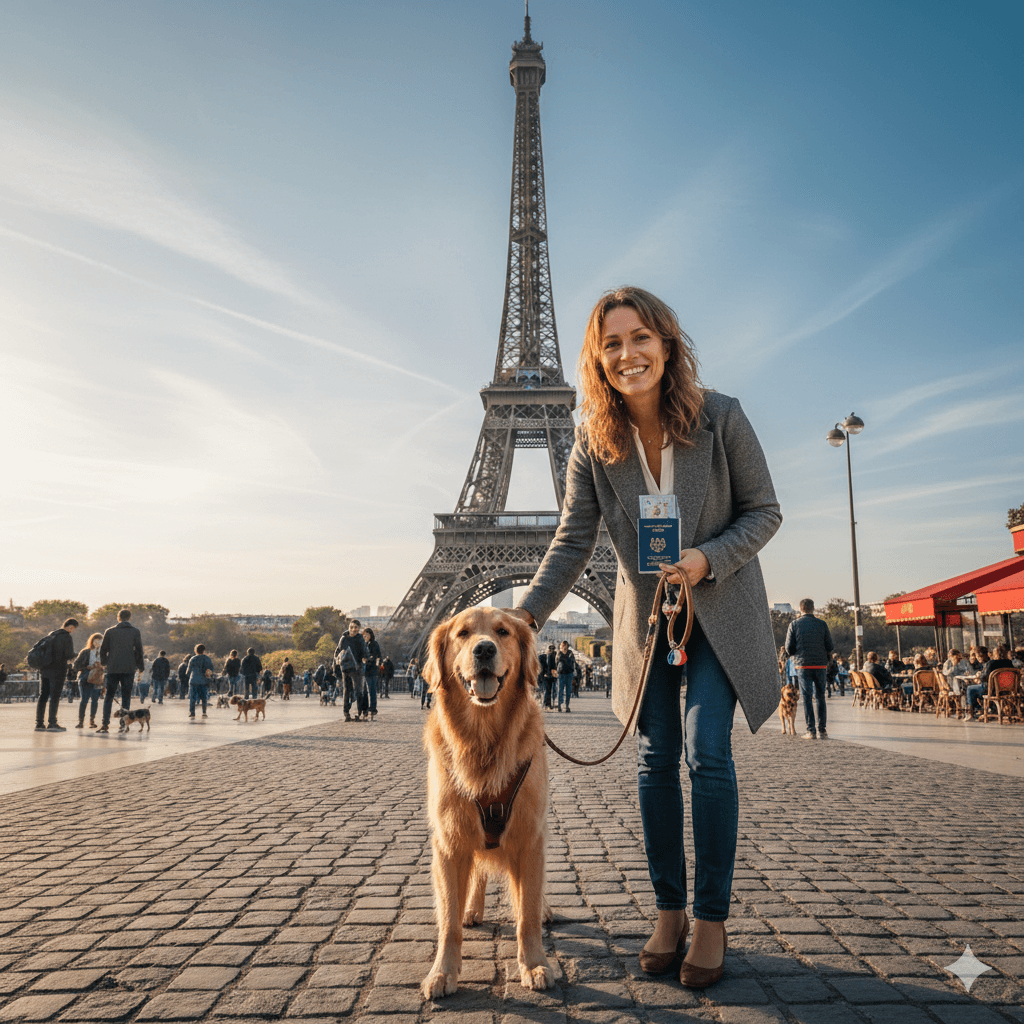
Can I Take My Dog to France?
Entry Requirements for Taking Your Dog to France
- Microchipping and Identification:
All dogs traveling to France must have a microchip implanted before their rabies vaccination. The microchip must comply with ISO standards (11784 or 11785); otherwise, you’ll need to bring your own scanner. This ensures authorities can identify your dog if necessary. - Rabies Vaccination Documentation:
Your dog must be vaccinated against rabies at least 21 days before travel. The vaccine must be administered after the microchip is implanted, and proof of vaccination must be included in the pet passport or official health certificate. Without this, entry will be denied. - Pet Passport or Health Certificate:
For EU travelers, an EU pet passport is mandatory, issued by a licensed veterinarian after verifying vaccinations. Non-EU travelers need an official animal health certificate issued within 10 days of travel, which must accompany the rabies vaccination record. - Tick and Tapeworm Treatments (for Non-EU Countries):
If traveling from a non-EU country, additional treatments may be required. For example, dogs must be treated for tapeworms 1–5 days before arrival, documented by a vet. Failure to comply could result in quarantine or refusal of entry. - Brexit-Specific Rules for UK Travelers:
Since Brexit, UK travelers face stricter regulations. Dogs must now meet third-country entry requirements, including obtaining an Animal Health Certificate (AHC) instead of an EU pet passport. Always check the latest guidelines before traveling.
Choosing the Right Mode of Transport for Your Dog
- Traveling by Car:
Driving offers flexibility and allows your dog to stay close to you throughout the journey. Ensure proper ventilation, regular breaks for bathroom stops, and secure restraints like harnesses or crates to keep your dog safe during long drives. - Flying with Your Dog:
Many airlines allow dogs to travel in the cabin (if small enough) or as checked baggage. Research airline policies thoroughly, as they vary widely. Prepare your dog for the flight by acclimating them to their travel crate and ensuring they’re comfortable in confined spaces. - Ferry Travel:
Ferries are an excellent option for those driving from the UK to France. Most ferries accommodate pets, either in designated kennels or onboard vehicles. Check specific ferry operator rules regarding pet travel and ensure your dog is comfortable being left alone if required. - Train Travel Within Europe:
Trains are a convenient and eco-friendly option for traveling within Europe. Many trains allow dogs, though larger breeds may require a ticket, and muzzles might be mandatory. Smaller dogs often travel free if kept in carriers. - Preparing Your Dog for Travel:
Regardless of the mode, prepare your dog by gradually introducing them to their travel environment. Practice short trips to reduce anxiety, and pack essentials like food, water, toys, and bedding to make the journey more comfortable.
Check this guide 👉Can I Take My Dog to Italy? Best 7 Expert Tips!
Check this guide 👉Can I Take My Dog to Spain? Best 7 Expert Tips!
Check this guide 👉Can I Take My Dog on a Train? Best 7 Tips!
Key Considerations | Practical Tips |
|---|---|
Microchipping and Rabies Vaccination | Ensure microchip complies with ISO standards; vaccinate at least 21 days before travel |
Pet-Friendly Accommodations | Book hotels, rentals, or campsites that explicitly welcome dogs; confirm size or breed restrictions |
Transportation Options | Choose between car, ferry, train, or plane based on your dog’s comfort and travel distance |
Health and Safety Precautions | Carry a pet first aid kit, familiarize yourself with local vets, and adhere to leash laws |
Cultural Etiquette | Respect public behavior expectations, clean up after your dog, and confirm dining or site rules beforehand |
Pet-Friendly Accommodations in France
- Hotels and Guesthouses:
Many hotels across France welcome dogs, especially in tourist-heavy regions like Provence or Brittany. Some charge a small fee, while others offer complimentary stays. Always confirm pet policies when booking and inquire about restrictions like size limits or breed bans. - Vacation Rentals:
Platforms like Airbnb and Vrbo frequently list pet-friendly properties. These rentals provide more space and flexibility, allowing your dog to roam freely indoors. Look for listings with fenced yards for added convenience. - Camping and Glamping Options:
France is renowned for its picturesque campsites, many of which cater to pets. From basic tent pitches to luxurious glamping pods, these sites often include dog-walking areas and nearby trails. - Rural Retreats and Farm Stays:
For a unique experience, consider staying at a rural gîte or farm. These locations typically embrace pets and offer plenty of outdoor space for your dog to explore safely. - Luxury Resorts with Pet Amenities:
High-end resorts in destinations like the French Riviera increasingly cater to pets, offering gourmet dog menus, spa treatments, and even pet-sitting services. While pricier, these options provide unparalleled comfort for discerning travelers.
Exploring France with Your Dog: Top Activities
- Beach Adventures:
Many French beaches allow dogs, particularly outside peak summer months. Popular spots include Lacanau Beach in Bordeaux and Plage de l’Espiguette near Montpellier. Always check local regulations regarding leashes and seasonal restrictions. - Hiking Trails:
France’s diverse landscapes provide endless hiking possibilities. The Pyrenees, Alps, and Corsica boast breathtaking trails where dogs are welcome. Ensure your dog is physically prepared and carries adequate water and supplies. - Historical Sites and Castles:
While not all historical sites permit dogs, many ruins and outdoor landmarks do. For example, Château de Chambord in the Loire Valley allows leashed dogs in its grounds, offering stunning photo opportunities. - Dog-Friendly Cafés and Restaurants:
French café culture extends to dogs, with many establishments welcoming pets on terraces. Cities like Paris and Nice have numerous dog-friendly eateries where you can relax with your pup. - Wine Tours and Vineyards:
Several vineyards in regions like Bordeaux and Burgundy offer dog-friendly tours. These experiences combine wine tasting with scenic walks, making them ideal for pet lovers.
Health and Safety Considerations for Your Dog in France
- Veterinary Care Access:
Research veterinarians and emergency clinics near your destination in case of illness or injury. Major cities like Paris and Lyon have excellent veterinary facilities, while rural areas may require advance planning. - Vaccinations and Preventive Treatments:
Ensure your dog’s vaccinations are up-to-date, and consider preventive treatments for ticks, fleas, and heartworms. France’s varied climate increases exposure risks, especially in wooded or rural areas. - Food and Water Safety:
Stick to bottled water for your dog, as tap water quality varies by region. Avoid feeding table scraps or unfamiliar foods that could upset their stomach. Pack enough of your dog’s regular food to last the entire trip. - Leash Laws and Behavioral Training:
France enforces leash laws in public spaces, except designated off-leash areas. Train your dog to follow commands reliably to avoid fines or incidents. Muzzles may also be required in certain regions. - Emergency Preparedness:
Carry a pet first aid kit and familiarize yourself with basic procedures like treating cuts or insect bites. Keep copies of your dog’s medical records and contact information for your home vet.
Cultural Norms and Etiquette Around Dogs in France
- Public Behavior Expectations:
French people generally expect well-behaved dogs in public spaces. Barking excessively or jumping on strangers is frowned upon. Train your dog to remain calm in crowded areas like markets or train stations. - Dining Etiquette:
While dogs are welcome on café terraces, indoor dining is usually off-limits. Always ask permission before bringing your dog to a restaurant, and clean up after them promptly. - Respect for Local Rules:
Adhere to local leash laws and waste disposal regulations. French municipalities take cleanliness seriously, and failing to pick up after your dog can result in hefty fines. - Breed Perceptions and Restrictions:
Certain breeds, such as Pit Bulls or Rottweilers, face stricter regulations due to perceived aggression risks. Research regional laws to ensure compliance and avoid issues. - Socializing with Locals:
French residents often appreciate friendly interactions with tourists’ dogs. A polite greeting and assurance that your dog is approachable can foster positive connections.
Preparing Your Dog for the Journey to France
- Acclimating Your Dog to Travel Gear:
Introduce your dog to their travel crate, carrier, or harness weeks before the trip. Gradually increase the time they spend inside to reduce anxiety and make them feel secure during transit. - Scheduling a Pre-Travel Vet Visit:
Visit your veterinarian for a general health check-up and to ensure all vaccinations and treatments are up-to-date. Discuss any concerns about motion sickness or stress-related behaviors and ask for advice on managing them. - Packing Essential Supplies:
Bring enough food, treats, water, bowls, toys, bedding, and waste bags for the entire trip, plus extras in case of delays. Familiar items like their favorite blanket or toy can provide comfort in unfamiliar environments. - Training for Travel-Specific Scenarios:
Teach your dog basic commands like “sit,” “stay,” and “quiet” to manage behavior during travel. Practice scenarios such as walking through crowded areas or staying calm in confined spaces to prepare them for different situations. - Planning for Rest Breaks:
If traveling by car or train, schedule regular breaks for bathroom stops, exercise, and hydration. Dogs need opportunities to stretch their legs and relieve themselves to stay comfortable and relaxed.
Frequently Asked Questions About Taking Your Dog to France
Can I bring my dog to France from the UK post-Brexit?
Yes, but you’ll need an Animal Health Certificate (AHC) instead of an EU pet passport. Start the process early to avoid delays.
Are there size restrictions for dogs on French trains?
Most trains allow dogs under a certain size to travel free in carriers. Larger dogs require a ticket and must wear a muzzle in public carriages.
Do French restaurants allow dogs inside?
Typically, no—dogs are allowed only on outdoor terraces. Always confirm policies beforehand and respect staff instructions.
What should I do if my dog gets sick in France?
Contact a local veterinarian or visit an emergency clinic. Carry your dog’s medical records and insurance details to streamline treatment.
Are there dog-friendly beaches in France?
Yes, many beaches welcome dogs, especially outside summer months. Check local signage for rules regarding leashes and seasonal restrictions.
A Memorable Adventure Awaits You and Your Dog in France

Can I Give My Cat Midol? Best 7 Expert Tips! – Learn the risks, symptoms, and safe alternatives to keep your cat healthy and avoid toxic reactions.

Can I Give My Dog Midol? Best 7 Expert Tips! – Discover the risks, safe alternatives, and expert advice to keep your dog safe from accidental poisoning.
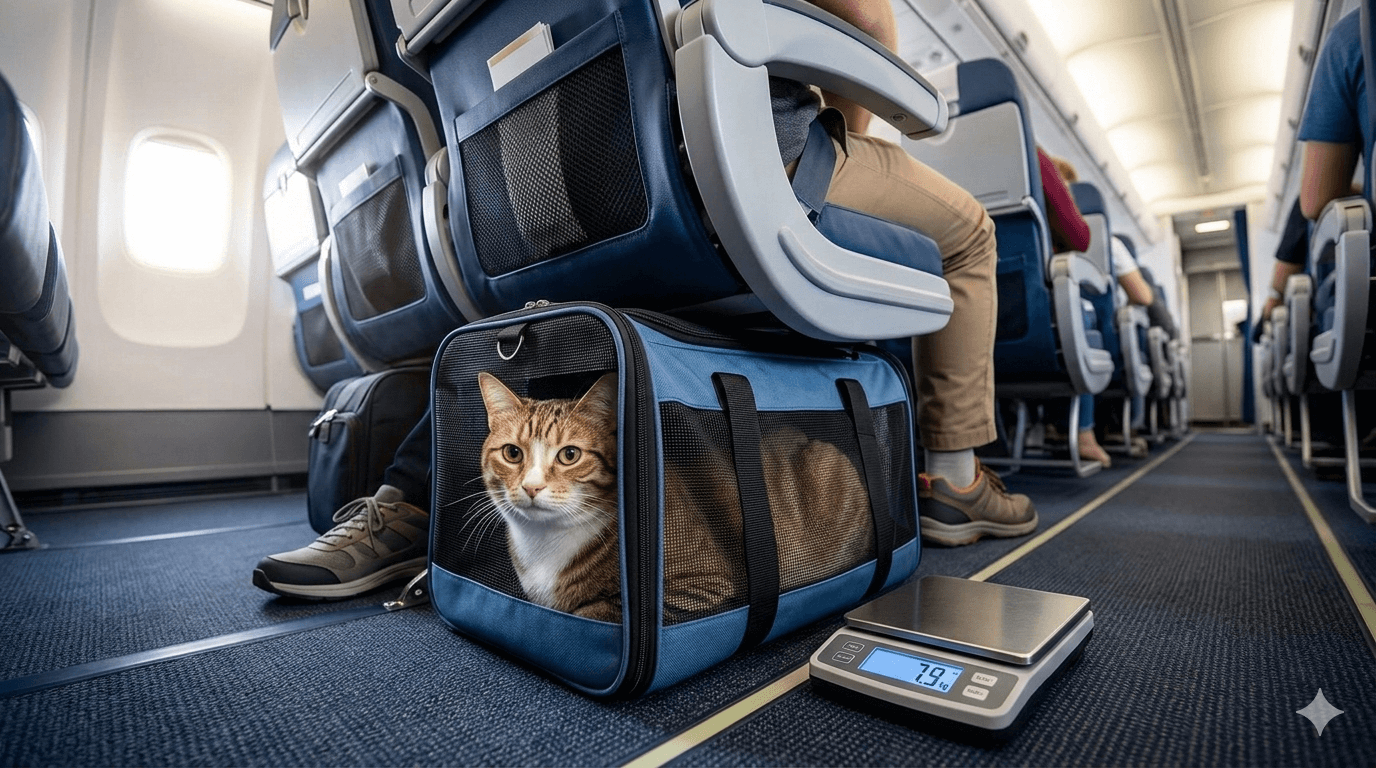
Maximum Weight for Cats on Planes: Best 7 Expert Tips! – Learn airline policies, tips to stay compliant, and ensure safe travels for your feline friend.
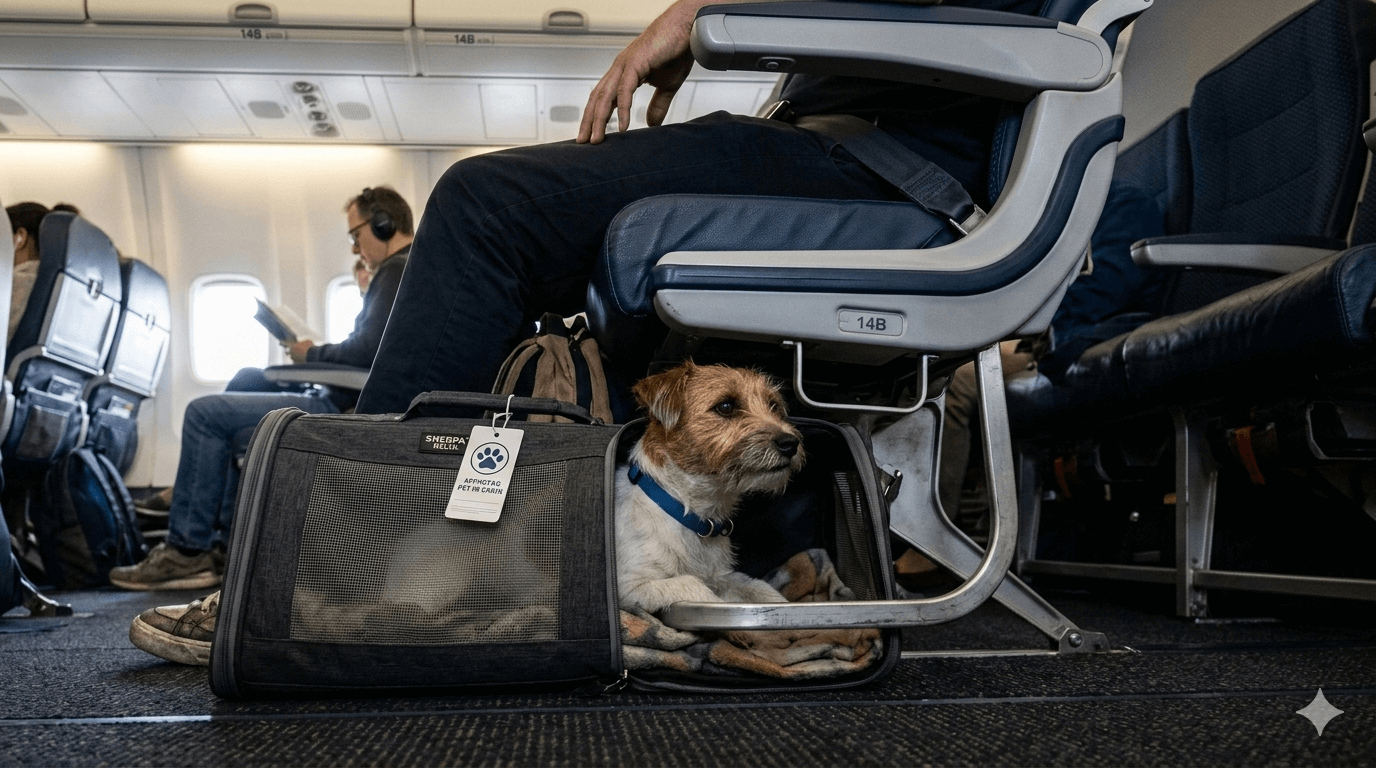
Max Weight for Dogs on Planes: Best 7 Expert Tips! – Discover airline weight limits, safe travel tips, and solutions for flying with your dog stress-free.