
Pica Treatment in Cats
Common Causes of Pica in Cats
- Nutritional Deficiencies:
A lack of essential nutrients, such as fiber, vitamins, or minerals, may drive cats to seek alternative sources of nourishment. For example, anemia or low levels of taurine can lead to unusual cravings for non-food items like dirt or plastic. - Underlying Medical Conditions:
Conditions such as gastrointestinal disorders, hyperthyroidism, or dental pain may manifest as pica. Chronic illnesses often alter appetite regulation, causing cats to ingest inappropriate substances as a coping mechanism. - Stress or Anxiety:
Changes in routine, moving homes, or the introduction of new pets can trigger stress-related pica. Cats, being creatures of habit, may resort to chewing or eating strange objects as a form of self-soothing behavior. - Boredom or Lack of Stimulation:
Indoor cats with limited mental or physical stimulation are more prone to developing pica. Without adequate toys, playtime, or environmental enrichment, they may redirect their energy toward destructive habits. - Genetic or Breed Predispositions:
Certain breeds, such as Siamese and other Oriental breeds, are genetically predisposed to pica due to their curious and exploratory nature. This tendency may require breed-specific management strategies.
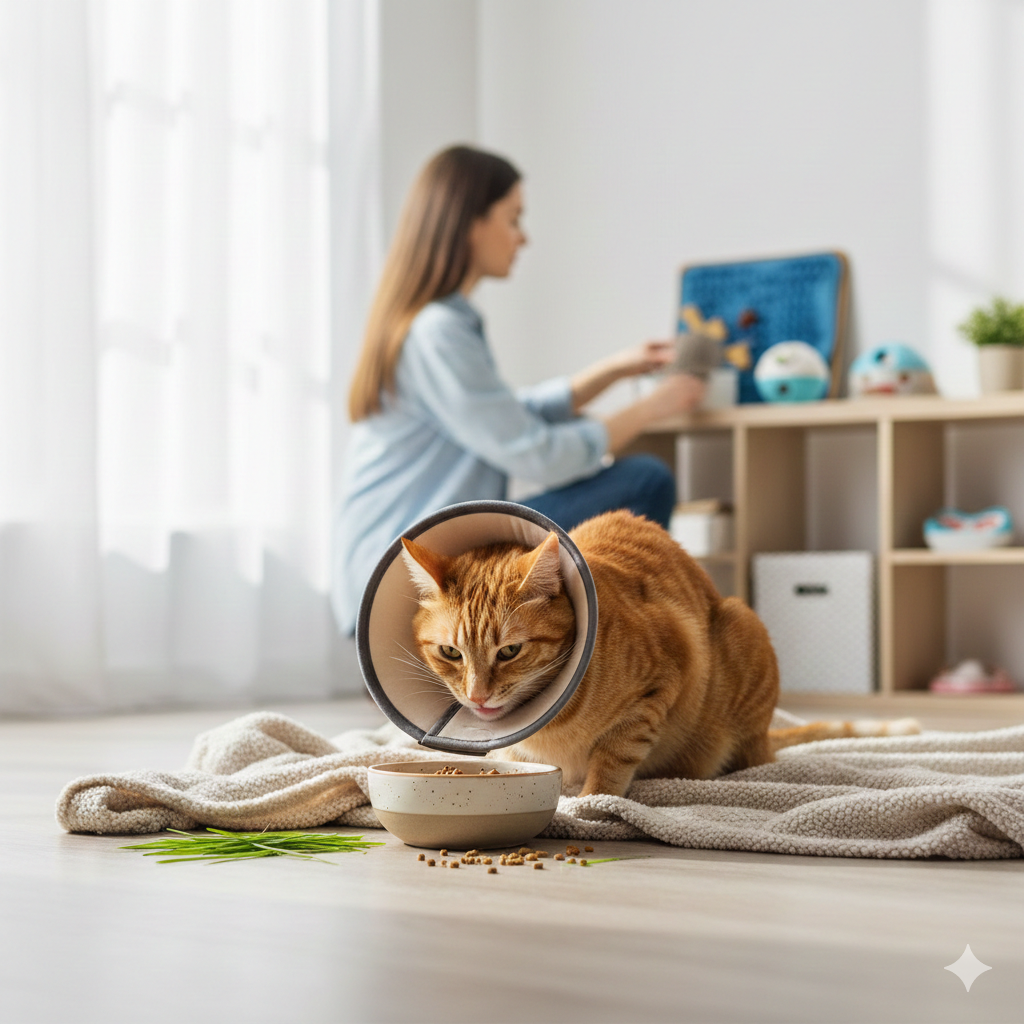
Symptoms and Warning Signs of Pica
- Chewing or Swallowing Non-Food Items:
Cats may chew on fabrics, plastic bags, electrical cords, or plants, often swallowing small pieces that pose choking hazards or intestinal blockages. - Vomiting or Gagging:
Ingested objects can irritate the stomach lining or obstruct the digestive tract, leading to frequent vomiting or gagging episodes. - Lethargy or Weakness:
If a foreign object causes an obstruction, cats may become lethargic, lose interest in food, or exhibit signs of abdominal discomfort. - Weight Loss or Appetite Changes:
Pica-induced nutrient deficiencies or gastrointestinal distress can result in weight loss, reduced appetite, or unusual cravings for non-nutritive items. - Excessive Drooling:
Drooling may indicate nausea, irritation from ingested materials, or attempts to expel foreign objects from the mouth or throat.
Check this guide 👉Otitis Externa Cat Treatment at Home: Best 7 Expert Tips!
Check this guide 👉Understanding Pemphigus Cat Treatment: Best 7 Expert Tips!
Check this guide 👉Cat Bladder Stone Treatment: Best 7 Expert Tips!
Preventive Measures for Pica | Signs Your Cat Needs Immediate Vet Care |
|---|---|
Provide interactive toys and puzzles | Vomiting or gagging after ingestion of foreign objects |
Remove access to hazardous materials | Lethargy, weakness, or refusal to eat |
Feed a balanced, high-quality diet | Excessive drooling or signs of abdominal pain |
Create vertical spaces for exploration | Choking, difficulty breathing, or pawing at the mouth |
Minimize stress through routine and calm environments | Known ingestion of toxic substances or sharp objects |
Veterinary Diagnosis of Pica in Cats
- Physical Examination:
The vet conducts a comprehensive physical exam to assess overall health, check for signs of malnutrition, and evaluate dental or gastrointestinal issues. - Blood Tests and Urinalysis:
Laboratory tests detect nutritional deficiencies, hormonal imbalances, or systemic diseases contributing to pica-like behaviors. - Imaging Studies:
X-rays or ultrasounds help identify foreign objects in the digestive tract or structural abnormalities causing discomfort. - Behavioral Assessment:
Detailed discussions about your cat’s environment, routine, and stressors provide insights into potential psychological causes of pica. - Elimination Diet Trials:
Switching to hypoallergenic or nutritionally balanced diets determines whether dietary inadequacies are driving the behavior.
Treatment Options for Pica in Cats
- Addressing Nutritional Deficiencies:
Supplementing diets with fiber-rich foods, taurine, or multivitamins corrects imbalances that may be driving pica behaviors. - Medications for Underlying Conditions:
Prescribed treatments for hyperthyroidism, gastrointestinal disorders, or anxiety reduce compulsive tendencies and improve overall health. - Environmental Enrichment:
Providing interactive toys, scratching posts, and climbing structures keeps cats mentally stimulated and redirects their focus away from harmful habits. - Training and Positive Reinforcement:
Reward-based training discourages inappropriate chewing while encouraging desirable behaviors, such as playing with safe toys. - Professional Behavioral Counseling:
Certified animal behaviorists develop customized plans to address stress, anxiety, or obsessive-compulsive tendencies contributing to pica.
Preventing Relapses of Pica Behavior
- Regular Veterinary Check-Ups:
Routine exams monitor your cat’s health, catch potential issues early, and ensure ongoing nutritional balance. - Safe Home Environment:
Removing access to dangerous items like strings, rubber bands, or toxic plants reduces temptation and safeguards against accidental ingestion. - Balanced Diet and Hydration:
Feeding high-quality, species-appropriate food and ensuring fresh water availability supports optimal digestion and reduces cravings. - Mental and Physical Exercise:
Daily play sessions, puzzle feeders, and outdoor enclosures (if applicable) channel energy constructively and alleviate boredom. - Monitoring Stress Levels:
Minimizing disruptions, providing hiding spaces, and using calming aids like pheromone diffusers help manage anxiety-related pica.
Long-Term Effects of Untreated Pica
- Intestinal Blockages:
Ingested objects may lodge in the intestines, requiring emergency surgery to remove obstructions and prevent life-threatening complications. - Chronic Gastrointestinal Issues:
Repeated exposure to non-digestible materials irritates the gut lining, increasing susceptibility to infections, ulcers, or inflammatory bowel disease. - Malnutrition or Weight Loss:
Persistent pica disrupts normal eating patterns, leading to inadequate calorie intake and worsening nutritional deficiencies over time. - Dental Damage:
Chewing hard objects like plastic or metal can fracture teeth, damage gums, or cause painful oral injuries requiring costly dental procedures. - Psychological Impact:
Unresolved anxiety or stress exacerbates compulsive behaviors, creating a vicious cycle that undermines your cat’s mental health and quality of life.
Alternative Therapies for Managing Pica
- Herbal Supplements:
Natural remedies like chamomile or valerian root promote relaxation and reduce stress-related pica without harsh side effects. - CBD Oil for Anxiety:
Cannabidiol (CBD) oil has gained popularity for its calming properties, helping anxious cats cope better with environmental stressors. - Acupuncture or Massage Therapy:
These techniques alleviate tension, improve circulation, and enhance overall well-being, reducing the urge to engage in compulsive behaviors. - Environmental Modifications:
Creating vertical spaces, window perches, or sensory gardens stimulates natural instincts and distracts from harmful habits. - Homemade Toys and Activities:
DIY toys made from safe materials provide affordable ways to entertain and redirect your cat’s attention toward appropriate outlets.
Frequently Asked Questions About Pica in Cats
What should I do if my cat eats something dangerous?
If your cat ingests a hazardous item, contact your veterinarian or an emergency clinic immediately. Do not attempt to induce vomiting without professional advice.
Can pica be cured completely?
While pica can often be managed effectively, complete resolution depends on addressing the underlying cause—whether medical, behavioral, or environmental.
Is pica more common in certain cat breeds?
Yes, Oriental breeds like Siamese and Burmese are genetically predisposed to pica due to their curious and exploratory nature.
How can I prevent my cat from eating non-food items?
Provide mental stimulation, remove access to dangerous objects, and ensure a balanced diet to reduce the likelihood of pica behaviors.
Does stress cause pica in cats?
Yes, stress or anxiety can trigger pica as a coping mechanism. Identifying and minimizing stressors is crucial for managing this behavior.
Supporting Your Cat Through Pica Recovery

How to Taper Off Prednisone for Cats: Best 7 Expert Tips! – Safely reduce prednisone with vet guidance. Learn now!
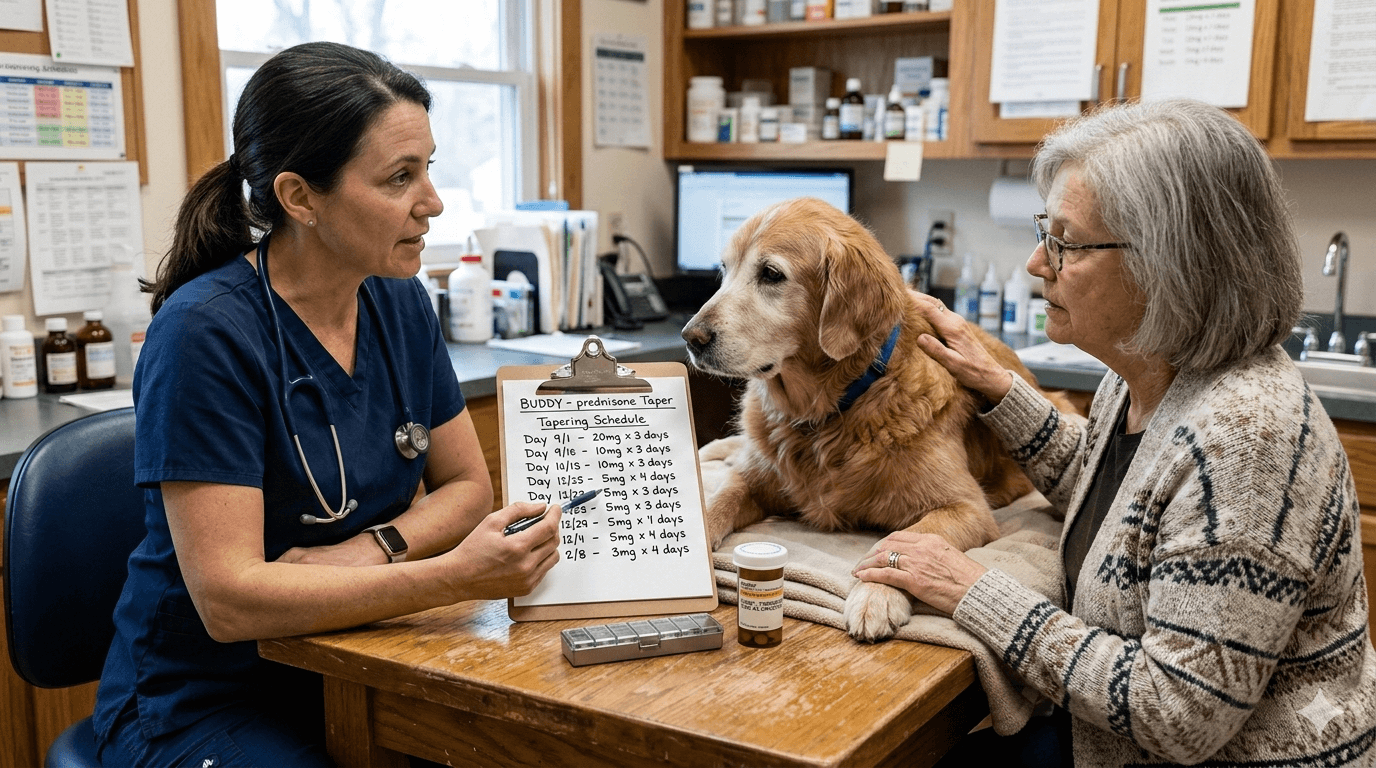
How to Taper Off Prednisone Schedule for Dogs: Best 7 Tips! – Learn the safe way to reduce prednisone, recognize withdrawal signs, and keep your dog healthy during the process.

Can a Cat Scratch Give You Rabies? Best 7 Expert Tips! – Learn how rabies spreads, assess risks from cat scratches, and know when to seek medical help. Stay safe!

Can a Dog Scratch Give You Rabies? Best 7 Expert Tips! – Learn the risks, symptoms, and steps to take if scratched by a dog. Stay informed and protect yourself from rabies exposure.