
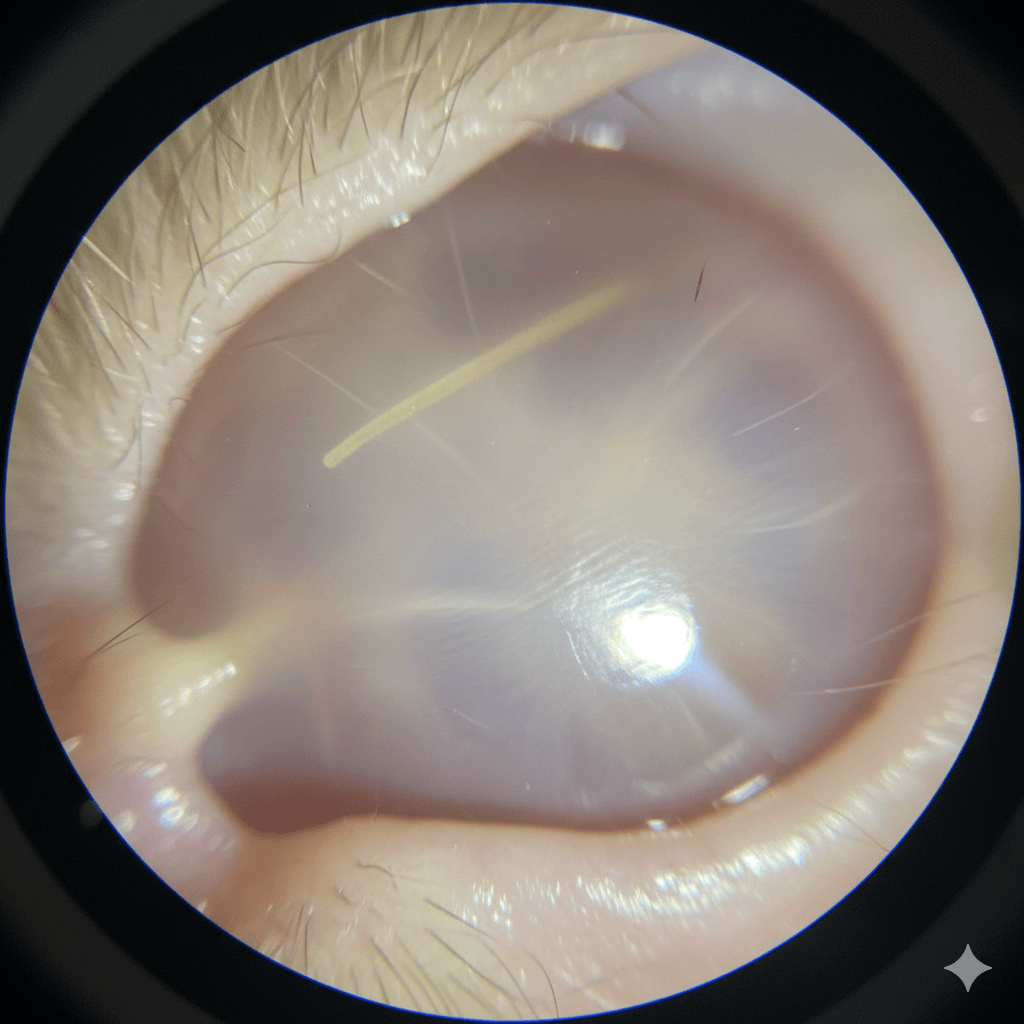

Understanding the Cat Tympanic Membrane: A Vital Component of Feline Ear Health
Anatomy of the Cat Tympanic Membrane
- Location and Structure:
The tympanic membrane lies at the end of the horizontal ear canal, where it forms a protective boundary shielding the middle ear from debris and infections. - Role in Sound Transmission:
Sound waves collected by the pinna (outer ear) travel through the ear canal and cause the tympanic membrane to vibrate, initiating the process of hearing. - Connection to Ossicles:
The vibrations of the tympanic membrane are transferred to three tiny bones in the middle ear—malleus, incus, and stapes—which amplify sound signals before sending them to the inner ear. - Sensitivity to Damage:
Due to its thinness and position, the tympanic membrane is highly susceptible to injury from loud noises, infections, or foreign objects entering the ear canal. - Variations Among Cats:
While most cats share a similar tympanic membrane structure, individual variations in size or shape may occur based on breed or genetic factors.
Common Conditions Affecting the Tympanic Membrane
- Otitis Media (Middle Ear Infection):
Inflammation of the middle ear often spreads to the tympanic membrane, causing redness, swelling, or even rupture if left untreated. - Tympanic Membrane Rupture:
Trauma, aggressive cleaning, or severe infections can tear the tympanic membrane, resulting in pain, discharge, and potential hearing impairment. - Polyps or Growths:
Benign growths in the ear canal may press against the tympanic membrane, disrupting its function and causing chronic irritation. - Foreign Bodies:
Objects like grass seeds or dirt trapped in the ear can puncture or irritate the tympanic membrane, leading to secondary infections. - Age-Related Changes:
As cats age, the tympanic membrane may lose elasticity, making it more prone to damage or less effective at transmitting sound waves.
Check this guide 👉Cat Ear Infection vs Yeast Infection: Best 7 Expert Tips!
Check this guide 👉Cat Ear Infection Spread to Brain: Best 7 Expert Tips!
Check this guide 👉Dirty Cat Ears vs Ear Mites: Best 7 Expert Tips!
Lorem ipsum dolor sit amet, consectetur adipiscing elit. Ut elit tellus, luctus nec ullamcorper mattis, pulvinar dapibus leo.
Symptoms of Tympanic Membrane Issues
- Head Shaking or Scratching:
Excessive head shaking or pawing at the ears suggests irritation or discomfort originating near the tympanic membrane. - Ear Discharge:
Yellowish, brown, or bloody discharge from the ear canal may signal infection or rupture of the tympanic membrane. - Hearing Loss:
A sudden decrease in responsiveness to sounds indicates possible damage to the tympanic membrane or associated structures. - Pain or Sensitivity:
Cats may flinch or vocalize when their ears are touched, indicating inflammation or injury around the tympanic membrane. - Balance Problems:
If the tympanic membrane affects the vestibular system, cats may exhibit unsteadiness, circling, or tilting of the head.
Diagnostic Methods for Tympanic Membrane Issues
- Otoscopy Examination:
An otoscope allows vets to visually inspect the tympanic membrane for signs of inflammation, tears, or abnormalities without invasive procedures. - Imaging Techniques:
X-rays or CT scans help identify structural damage, fluid buildup, or masses impacting the tympanic membrane and surrounding areas. - Cytology Testing:
Samples of ear discharge are analyzed under a microscope to detect bacteria, yeast, or inflammatory cells contributing to tympanic membrane issues. - Tympanometry Tests:
This non-invasive test measures the mobility and integrity of the tympanic membrane to evaluate its functionality. - Culture and Sensitivity Analysis:
If infection is suspected, cultures identify specific pathogens and determine which antibiotics will be most effective.
Treatment Options for Tympanic Membrane Problems
- Antibiotics or Antifungals:
Medications prescribed for bacterial or fungal infections aim to resolve inflammation and restore tympanic membrane health. - Surgical Intervention:
In cases of polyps or severe rupture, surgery may be necessary to repair the tympanic membrane or remove obstructions. - Pain Management:
Anti-inflammatory drugs or analgesics alleviate discomfort associated with tympanic membrane injuries or infections. - Cleaning and Flushing:
Gentle flushing removes debris or discharge, preventing further irritation or complications in the affected area. - Follow-Up Monitoring:
Regular check-ups ensure proper healing and allow veterinarians to adjust treatment plans as needed for optimal recovery.
Preventive Measures for Tympanic Membrane Health
- Regular Ear Cleaning:
Use vet-approved solutions to clean your cat’s ears gently, avoiding over-cleaning that could irritate the tympanic membrane. - Avoid Foreign Objects:
Keep small items like cotton swabs away from your cat’s ears to prevent accidental damage to the tympanic membrane. - Monitor for Ear Mites:
These parasites commonly infect cats’ ears and can indirectly harm the tympanic membrane through scratching or secondary infections. - Reduce Exposure to Loud Noises:
Prolonged exposure to loud sounds can stress the tympanic membrane, so provide quiet spaces during fireworks or construction noise. - Routine Vet Check-Ups:
Annual examinations include ear inspections, catching early signs of tympanic membrane issues before they worsen.
Long-Term Care After Tympanic Membrane Injury
- Restricted Activity During Healing:
Limit vigorous play or activities that involve jumping to avoid straining the healing tympanic membrane. - Environmental Modifications:
Create a calm, low-stress environment to aid recovery and reduce behaviors like excessive scratching or head shaking. - Nutritional Support:
Provide a balanced diet rich in omega-3 fatty acids to promote tissue repair and boost immune function during recovery. - Periodic Rechecks:
Schedule follow-up visits to assess progress and confirm the tympanic membrane has healed fully without residual effects. - Behavioral Training:
Teach commands or distract your cat from pawing at their ears to prevent self-inflicted damage during recovery.
Frequently Asked Questions About the Cat Tympanic Membrane
Can a cat’s tympanic membrane heal on its own?
Yes, minor injuries or mild infections may heal naturally with time and proper care, but veterinary evaluation is still recommended to prevent complications.
What happens if my cat’s tympanic membrane ruptures?
A ruptured tympanic membrane can lead to hearing loss, increased risk of infection, and pain; however, it often heals with appropriate treatment.
How can I tell if my cat has an ear infection affecting the tympanic membrane?
Signs include head shaking, ear discharge, pawing at the ears, and behavioral changes like reduced responsiveness to sounds.
Is it safe to clean my cat’s ears at home?
Yes, but only with vet-approved solutions and gentle techniques—avoid inserting objects into the ear canal to protect the tympanic membrane.
Can loud noises damage my cat’s tympanic membrane?
Prolonged exposure to extremely loud noises can stress or even rupture the tympanic membrane, so minimizing such exposure is advisable.
Supporting Your Cat’s Ear Health for a Happier Life
Pemphigus Erythematosus in Cats: Best 7 Expert Tips! – Learn to recognize symptoms, manage flare-ups, and improve your cat’s quality of life.
Pemphigus Erythematosus in Dogs: Best 7 Expert Tips! – Discover causes, symptoms, and treatment options to manage this autoimmune skin condition effectively.
Cat Tympanic Membrane: Best 7 Expert Tips! – Learn how to protect your cat’s eardrum, spot issues early, and ensure lifelong auditory health.
Dog Tympanic Membrane: Best 7 Expert Tips! – Learn how to protect your dog’s eardrum, spot issues early, and ensure lifelong ear health with expert advice.


