
Understanding Bernese Mountain Dog Size: What You Need to Know
Growth Stages of a Bernese Mountain Dog
- Newborn to 3 Months:
During this period, Bernese Mountain puppies grow rapidly, gaining about 2–4 pounds per week. Proper nutrition is critical during this time to support bone and muscle development. Feeding high-quality puppy food ensures they receive essential nutrients like calcium and phosphorus. - 4 to 6 Months:
By this age, Bernese Mountain Dogs typically weigh between 30–50 pounds. This is a crucial phase where their energy levels peak, and they may appear lanky as their bones outgrow their muscles. Regular exercise should be moderate to avoid joint stress. - 7 to 12 Months:
At this stage, Bernese Mountain Dogs can weigh between 50–80 pounds, depending on their genetics and gender. Their growth slows slightly, but they continue to fill out. This is also the time when socialization and training become even more important as they mature mentally. - 12 to 18 Months:
Most Bernese Mountain Dogs reach their adult height by 18 months, though they may still gain weight. Males usually stand 25–27.5 inches tall, while females are slightly smaller at 23–26 inches. Their muscular build becomes more defined during this phase. - 18 to 24 Months:
By the time they’re two years old, Bernese Mountain Dogs have reached their full adult size. Males typically weigh 80–115 pounds, while females range from 70–95 pounds. At this point, their growth plates close, and they transition into adulthood.
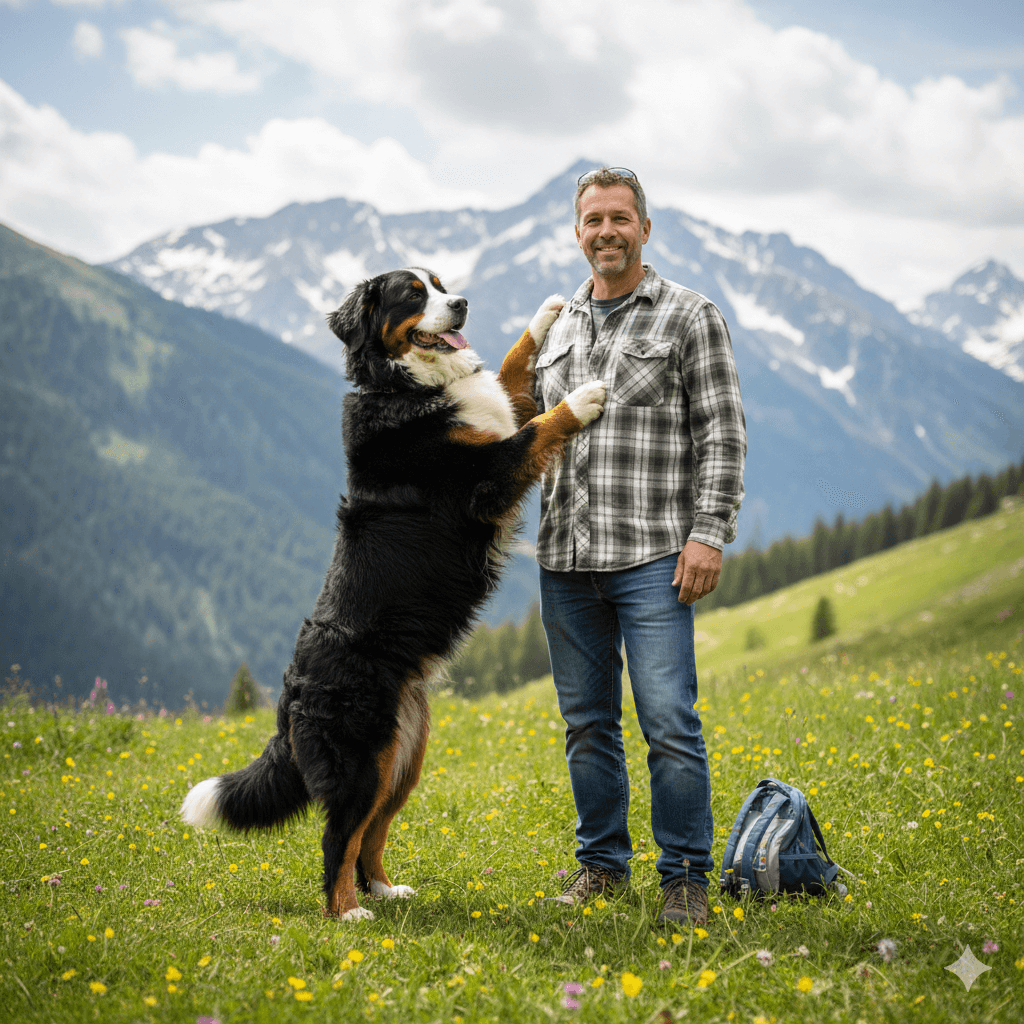
Factors Influencing Bernese Mountain Dog Size
- Genetics:
A Bernese Mountain Dog’s size is primarily determined by their parents’ size. Puppies from larger parents tend to grow bigger, while those from smaller parents may be on the lower end of the breed standard. - Nutrition:
A balanced diet rich in protein, healthy fats, and essential vitamins supports optimal growth. Overfeeding or underfeeding can lead to obesity or stunted development, respectively. - Exercise Levels:
While exercise is vital for muscle development, excessive activity in puppies can strain growing joints and ligaments. Controlled play and short walks are recommended until they’re fully grown. - Health Conditions:
Certain conditions, such as hypothyroidism or growth plate injuries, can impact a dog’s final size. Regular veterinary check-ups help detect and address these issues early. - Spaying or Neutering Timing:
Early spaying or neutering can sometimes delay growth plate closure, potentially leading to taller but less proportionate dogs. Discuss the best timing with your vet based on your dog’s health.
Check this guide 👉Bernese Mountain Dog Lifespan: Best 7 Expert Tips!
Check this guide 👉Bernese Mountain Dog Characteristics: Best 7 Expert Tips!
Check this guide 👉Bernese Mountain Dog Poodle Mix: Best 7 Expert Tips!
Lorem ipsum dolor sit amet, consectetur adipiscing elit. Ut elit tellus, luctus nec ullamcorper mattis, pulvinar dapibus leo.
Male vs. Female Bernese Mountain Dog Size Differences
- Height Differences:
Male Bernese Mountain Dogs typically stand 25–27.5 inches tall at the shoulder, while females are slightly shorter, ranging from 23–26 inches. This height difference is most visible when comparing their overall frame. - Weight Variations:
Males generally weigh between 80–115 pounds, whereas females weigh 70–95 pounds. The additional weight in males contributes to their broader, more robust appearance. - Body Structure:
Males often have a stockier build with more pronounced musculature, while females tend to have a slightly slimmer and more elegant physique. - Growth Rate:
Females may reach their full size slightly earlier than males, often by 18 months, while males may take closer to 24 months to finish growing. - Temperament Influence:
Size differences can sometimes correlate with temperament. Larger males may appear more imposing, while smaller females might feel more agile and playful.
Living Space Requirements for Bernese Mountain Dogs
- Indoor Space Needs:
A spacious home with enough room for them to move freely is ideal. Cramped spaces can make them feel restricted and uncomfortable, especially indoors. - Outdoor Access:
Access to a secure, fenced yard allows them to stretch their legs and burn off energy safely. However, they should not be left outside for extended periods due to their thick coats. - Apartment Living Challenges:
While possible, apartment living requires extra effort. Daily walks, indoor enrichment activities, and designated resting areas are essential to accommodate their size. - Temperature Considerations:
Their thick double coat makes them prone to overheating in small spaces without proper ventilation. Air conditioning or fans are necessary in warm climates. - Furniture Adjustments:
Large dogs need sturdy furniture and beds designed to support their weight. Investing in durable, orthopedic dog beds prevents joint issues as they age.
Exercise Needs Based on Bernese Mountain Dog Size
- Daily Walks:
Adult Bernese Mountain Dogs benefit from 30–60 minutes of walking daily. Splitting this into two sessions reduces strain on their joints and keeps them engaged. - Playtime and Mental Stimulation:
Interactive games like fetch or puzzle toys challenge their minds and bodies, preventing boredom-related behaviors despite their large size. - Swimming as Low-Impact Exercise:
Swimming is excellent for large breeds, as it provides cardiovascular benefits without stressing their joints. Always supervise water activities closely. - Avoiding High-Impact Activities:
Activities like jumping or rough play should be minimized to protect their joints, especially during their growth phases. - Rest Periods Are Essential:
Despite their size, Bernese Mountain Dogs are not overly energetic and require plenty of downtime to recover from physical exertion.
Health Concerns Related to Bernese Mountain Dog Size
- Hip and Elbow Dysplasia:
These conditions are common in large breeds due to rapid growth and genetic predisposition. Regular vet check-ups and responsible breeding help mitigate risks. - Bloat (Gastric Torsion):
Their deep chests make them prone to bloat, a life-threatening condition. Feeding smaller meals and avoiding vigorous exercise after eating reduces the risk. - Arthritis and Joint Issues:
Excess weight or improper exercise can exacerbate joint problems. Maintaining a healthy weight through diet and low-impact activities is key. - Heart Conditions:
Dilated cardiomyopathy and other heart issues are prevalent in large breeds. Annual cardiac screenings can catch problems early. - Short Lifespan:
Due to their large size, Bernese Mountain Dogs typically live 7–10 years. Providing excellent care and monitoring their health extends their quality of life.
Managing Weight for Optimal Bernese Mountain Dog Size
- Portion Control:
Feeding measured portions based on age, size, and activity level prevents overeating. Consult your vet for personalized feeding guidelines. - High-Quality Food Choices:
Premium dog foods formulated for large breeds provide balanced nutrition, supporting joint health and overall vitality. Avoid foods with excessive fillers or artificial additives. - Regular Weigh-Ins:
Monitoring your dog’s weight monthly helps detect fluctuations early. Sudden weight gain or loss may indicate underlying health issues. - Low-Impact Exercise:
Incorporating activities like swimming or gentle hikes maintains fitness without straining their joints, which is critical for large breeds. - Avoiding Table Scraps:
Human foods, especially those high in fat or sugar, contribute to unhealthy weight gain. Stick to species-appropriate treats and meals instead.
“Measured at the withers, dogs are 25 to 27½ inches; bitches are 23 to 26 inches”
-Bernese Mountain Dog Club of America
Frequently Asked Questions About Bernese Mountain Dog Size
How big do Bernese Mountain Dogs get?
Male Bernese Mountain Dogs typically stand 25–27.5 inches tall and weigh 80–115 pounds, while females are slightly smaller at 23–26 inches and 70–95 pounds.
When do Bernese Mountain Dogs stop growing?
Most Bernese Mountain Dogs reach their full height by 18 months, but they may continue to fill out and gain muscle mass until they’re about two years old.
Are Bernese Mountain Dogs too big for apartments?
While possible, apartment living requires extra effort. Daily exercise, mental stimulation, and ample indoor space are essential to accommodate their large size.
Do male or female Bernese Mountain Dogs grow bigger?
Can diet affect a Bernese Mountain Dog’s size?
Yes—proper nutrition supports healthy growth, while overfeeding or poor-quality food can lead to obesity or stunted development.
Celebrating the Majesty of Bernese Mountain Dogs

Is Rawhide Bad for Cats? Best 7 Expert Tips! – Discover the risks, safe alternatives, and expert advice to keep your feline friend healthy and happy.

Is Rawhide Bad for Dogs? Best 7 Expert Tips! – Discover the risks, benefits, and safer alternatives to rawhides for your dog’s chewing needs.

Understanding Anorexia in Cats: Best 7 Expert Tips! – Learn why cats stop eating, spot warning signs, and discover how to help your feline regain appetite safely.

Understanding Anorexia in Dogs: Best 7 Expert Tips! – Learn causes, symptoms, and solutions to help your dog regain appetite and stay healthy.