
Understanding Mast Cell Tumors in a Cats Tail
What Are Mast Cell Tumors in Cats?
- Definition of Mast Cells:
Mast cells are specialized white blood cells that release histamine and other chemicals during allergic reactions; when they mutate, they form tumors. - Common Locations for MCTs:
While MCTs can develop anywhere, they often appear on the skin, internal organs, or extremities like the tail, where they may go unnoticed initially. - Types of Mast Cell Tumors:
There are two main types: cutaneous (skin-based) and visceral (internal organ-based); cutaneous MCTs are more common but less aggressive in cats. - Histamine Release and Symptoms:
Mast cell tumors release histamine, causing localized swelling, itching, or redness, which can be mistaken for an insect bite or infection. - Behavior of MCTs in Cats:
Unlike in dogs, feline MCTs tend to be less aggressive, though some cases involve metastasis to lymph nodes or other organs, requiring careful monitoring.
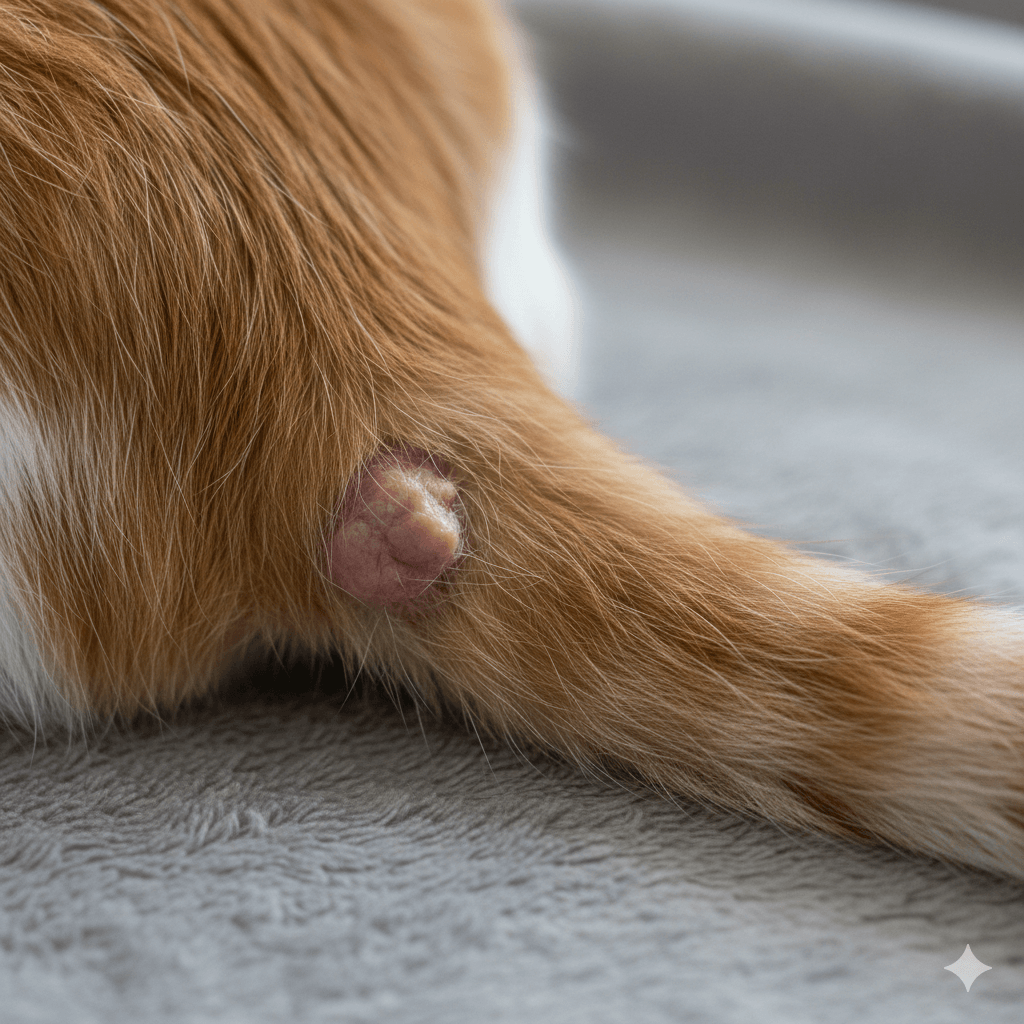
Symptoms of Mast Cell Tumors on a Cat’s Tail
- Visible Lump or Growth:
A raised, firm, or ulcerated mass on the tail is the most obvious sign; these lumps may vary in size and texture over time. - Swelling or Redness Around the Tail:
Localized inflammation, redness, or warmth near the tumor indicates histamine release and possible irritation. - Changes in Behavior:
Your cat may lick, chew, or excessively groom the tail area due to discomfort or itching caused by the tumor. - Bleeding or Ulceration:
As the tumor grows, it may ulcerate or bleed, especially if irritated by grooming or external trauma. - Systemic Signs of Illness:
In advanced cases, cats may experience vomiting, diarrhea, or lethargy due to systemic histamine release affecting the gastrointestinal tract.
Check this guide 👉Cat Tumor on Paw: Best 7 Expert Tips!
Check this guide 👉Cat Bleeding Tumor: Best 7 Expert Tips!
Check this guide 👉Cat Transmissible Venereal Tumor: Best 7 Expert Tips!
| Low-Grade Mast Cell Tumors | High-Grade Mast Cell Tumors |
|---|---|
| Slow-growing and less aggressive | Rapid growth and high risk of metastasis |
| Excellent prognosis after surgery | Guarded prognosis; may require chemo/radiation |
| Localized to the tail or skin | May spread to lymph nodes or organs |
| Minimal systemic symptoms | Potential for vomiting, diarrhea, or lethargy |
| Rare recurrence if fully removed | Higher risk of regrowth or new tumors |
Causes and Risk Factors for Mast Cell Tumors
- Genetic Predisposition:
Some breeds, such as Siamese cats, show a higher incidence of MCTs, suggesting a genetic component to their development. - Age and Health Status:
Older cats are more prone to MCTs, as their immune systems weaken with age, making them susceptible to abnormal cell growth. - Environmental Toxins:
Exposure to pesticides, household chemicals, or secondhand smoke may contribute to cellular mutations leading to tumors. - Chronic Inflammation:
Prolonged irritation or inflammation in the tail area, such as from injuries or infections, may trigger abnormal mast cell proliferation. - Immune System Dysfunction:
Underlying immune disorders or chronic illnesses impair the body’s ability to regulate cell growth, increasing tumor risk.
Diagnosis of Mast Cell Tumors in Cats
- Physical Examination:
Vets palpate the lump to assess its size, shape, and mobility; MCTs often feel firm or rubbery compared to other growths. - Fine Needle Aspiration (FNA):
A small needle extracts cells from the tumor for microscopic evaluation; this quick, non-invasive test confirms the presence of mast cells. - Biopsy for Confirmation:
If FNA results are inconclusive, a surgical biopsy provides a definitive diagnosis and determines the tumor’s grade and aggressiveness. - Imaging Tests:
X-rays or ultrasounds help identify whether the tumor has spread to nearby lymph nodes or internal organs. - Blood Work and Urinalysis:
These tests evaluate overall health and detect systemic issues, such as anemia or elevated liver enzymes, caused by histamine release.
Treatment Options for Mast Cell Tumors
- Surgical Removal:
The primary treatment involves excising the tumor with clean margins; complete removal prevents recurrence in most cases. - Radiation Therapy:
For tumors that cannot be fully removed surgically, radiation targets residual cancer cells and reduces regrowth risk. - Chemotherapy:
Advanced or metastatic MCTs may require chemotherapy to control cancer spread and improve survival rates. - Antihistamines and Steroids:
Medications like Benadryl and prednisone manage symptoms by reducing histamine-related inflammation and discomfort. - Palliative Care:
In cases where curative treatment isn’t feasible, palliative measures focus on pain relief and maintaining quality of life.
Prognosis and Recovery for Cats with MCTs
- Low-Grade Tumors:
Benign or low-grade MCTs have an excellent prognosis, with most cats living normal lifespans after successful removal. - High-Grade Tumors:
Aggressive MCTs carry a guarded prognosis, as they may metastasize despite treatment efforts, requiring ongoing monitoring. - Recurrence Risks:
Even after surgery, there’s a chance of new tumors forming, particularly in predisposed breeds or cats with multiple growths. - Quality of Life Considerations:
Cats with well-managed MCTs often enjoy good quality of life, provided symptoms are controlled and side effects minimized. - Follow-Up Care Importance:
Regular vet visits, imaging, and blood work ensure early detection of recurrence or complications, safeguarding your cat’s health.
Preventive Measures and Long-Term Management
- Regular Veterinary Check-Ups:
Annual or biannual exams help identify suspicious lumps or changes in your cat’s skin early, enabling swift action. - Minimizing Environmental Toxins:
Switching to natural cleaning products and avoiding cigarette smoke reduces exposure to carcinogens linked to tumor development. - Healthy Diet and Lifestyle:
A balanced diet rich in antioxidants supports immune function and reduces oxidative stress, potentially lowering cancer risks. - Monitoring Skin Changes:
Frequently inspect your cat’s skin, especially high-risk areas like the tail, for unusual bumps, swelling, or discoloration. - Managing Chronic Conditions:
Treating underlying health issues promptly prevents prolonged inflammation, which could contribute to abnormal cell growth.
“The skin form of the feline mast cell tumor classically arises around the head, neck, limbs or tail. Lesions may be solitary or multiple, with multiple lesions not necessarily boding poorly.”
— Wendy Brooks, DVM, DABVP
Frequently Asked Questions About Mast Cell Tumors in a Cat’s Tail
What causes mast cell tumors in cats?
The exact cause is unknown, but genetic predisposition, environmental toxins, and chronic inflammation are contributing factors.
Are mast cell tumors on a cat’s tail always cancerous?
Can I remove the tumor at home?
Never attempt home removal; improper handling can worsen the condition or spread cancerous cells, requiring professional intervention.
How long does my cat have after diagnosis?
Prognosis varies based on tumor grade and treatment success; low-grade tumors often allow normal lifespans, while aggressive cases may require ongoing care.
Will my cat need chemotherapy?
Chemotherapy is typically reserved for high-grade or metastatic tumors; most low-grade cases respond well to surgery alone.
Supporting Your Cat Through Mast Cell Tumor Treatment

Is Rawhide Bad for Cats? Best 7 Expert Tips! – Discover the risks, safe alternatives, and expert advice to keep your feline friend healthy and happy.

Is Rawhide Bad for Dogs? Best 7 Expert Tips! – Discover the risks, benefits, and safer alternatives to rawhides for your dog’s chewing needs.

Understanding Anorexia in Cats: Best 7 Expert Tips! – Learn why cats stop eating, spot warning signs, and discover how to help your feline regain appetite safely.

Understanding Anorexia in Dogs: Best 7 Expert Tips! – Learn causes, symptoms, and solutions to help your dog regain appetite and stay healthy.