
Understanding Mast Cell Tumors in a Dogs Tail
Symptoms of Mast Cell Tumors on a Dog’s Tail
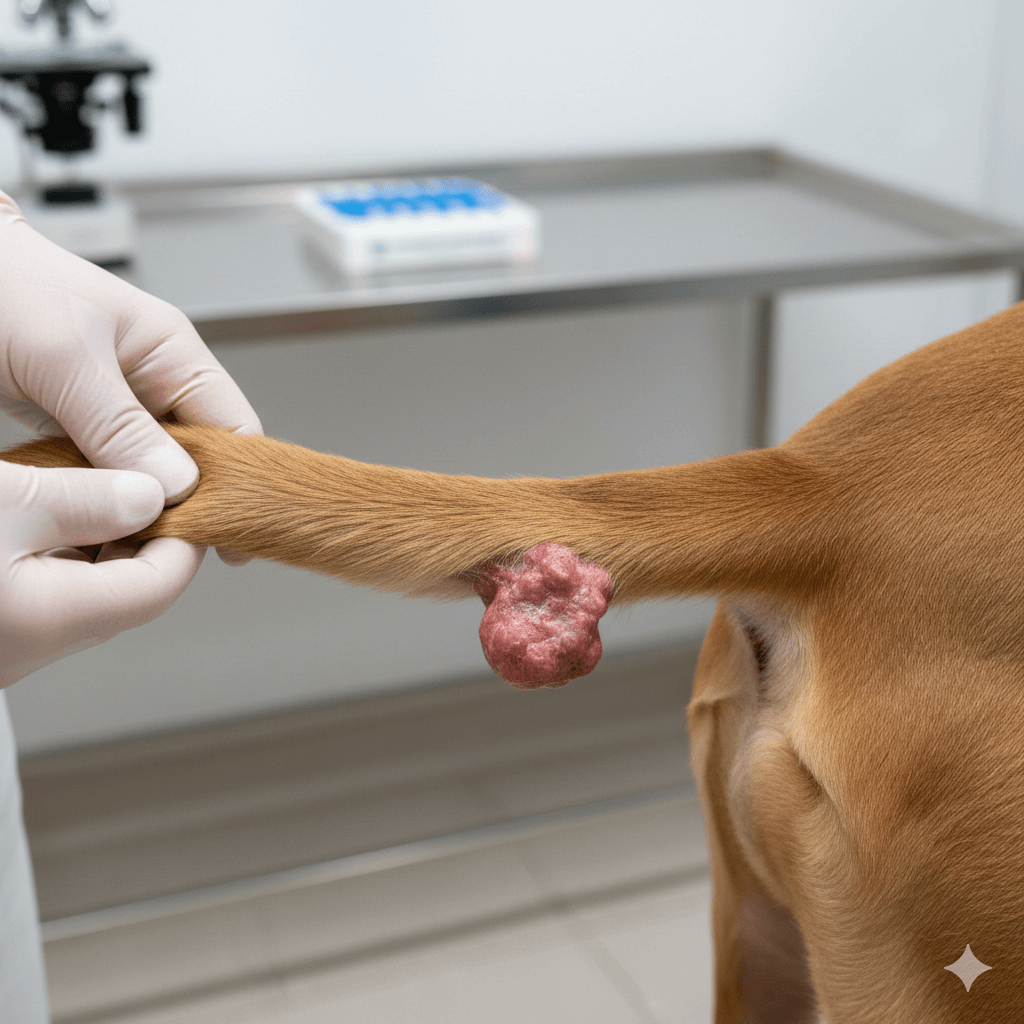
- Visible Lump or Swelling:
A firm or soft lump on the tail is often the first sign of an MCT. These growths can vary in size, shape, and texture, sometimes resembling insect bites or benign cysts. - Itching or Irritation:
Dogs with MCTs on their tails may excessively lick, chew, or scratch the area due to localized inflammation caused by histamine release from mast cells. - Changes in Size or Appearance:
MCTs are known for their “waxing and waning” behavior—growing larger or smaller over time. This fluctuation can make it harder to identify them initially. - Redness or Ulceration:
The tumor may cause redness, irritation, or open sores if it becomes ulcerated. This is especially common if the tail frequently brushes against surfaces or objects. - Behavioral Changes:
If the tumor causes pain or discomfort, your dog may avoid wagging its tail, cower when touched, or show signs of irritability or lethargy.
Causes and Risk Factors for Mast Cell Tumors
- Genetic Predisposition:
Certain breeds, including Boxers, Bulldogs, Retrievers, and Terriers, are genetically predisposed to MCTs. If your dog belongs to one of these breeds, regular check-ups are crucial. - Age Factor:
MCTs are more common in middle-aged to older dogs, typically between 8 and 10 years old. Senior dogs should be monitored closely for unusual lumps or bumps. - Environmental Exposures:
Exposure to pesticides, herbicides, or other chemicals may increase the risk of cancer development, though direct links to MCTs require further study. - Chronic Skin Inflammation:
Dogs with a history of chronic skin conditions or allergies may have a higher likelihood of developing mast cell tumors due to prolonged immune system activation. - Location-Specific Risks:
Tumors on high-friction areas like the tail are prone to irritation, which can exacerbate growth or trigger histamine release, worsening symptoms.
Check this guide 👉Mast Cell Tumor in a Dogs Paw: Best 7 Expert Tips!
Check this guide 👉The Costs of Dog Tumor Removal: Best 7 Expert Tips!
Check this guide 👉Dog Bleeding Tumor Symptoms: Best 7 Expert Tips!
Treatment Option | Expected Outcome |
|---|---|
Surgical Removal | High success rate for low-grade tumors; recurrence possible without clean margins. |
Radiation Therapy | Effective for inoperable tumors or incomplete surgical margins; minimal side effects. |
Chemotherapy | Slows progression of high-grade or metastatic tumors; improves survival times. |
Medications (e.g., Palladia) | Shrinks tumors and manages symptoms in select cases; requires ongoing monitoring. |
Palliative Care | Focuses on comfort and quality of life; suitable for advanced-stage cases. |
Diagnosis of Mast Cell Tumors on the Tail
- Fine Needle Aspiration (FNA):
A small needle extracts cells from the tumor for microscopic examination. FNA is minimally invasive and provides initial confirmation of mast cells. - Biopsy:
For definitive diagnosis, a surgical biopsy removes part or all of the tumor for detailed lab analysis. This step determines the tumor’s grade and aggressiveness. - Imaging Tests:
X-rays or ultrasounds help assess whether the tumor has spread to nearby lymph nodes or internal organs, indicating metastasis. - Blood Work:
Comprehensive blood panels evaluate overall health and detect abnormalities that might suggest systemic involvement or secondary complications. - Histamine Level Monitoring:
Elevated histamine levels in the blood indicate active mast cell activity, helping veterinarians gauge the severity of the condition.
Treatment Options for Mast Cell Tumors
- Surgical Removal:
Excision is the primary treatment for localized MCTs. Wide margins around the tumor are critical to prevent recurrence, especially on challenging areas like the tail. - Radiation Therapy:
For inoperable tumors or those with incomplete surgical margins, radiation targets residual cancer cells while sparing surrounding tissue. - Chemotherapy:
High-grade or metastatic MCTs often require chemotherapy to slow progression and manage systemic disease. - Medications:
Drugs like prednisone, antihistamines, and tyrosine kinase inhibitors (e.g., Palladia) help control symptoms and shrink tumors in some cases. - Palliative Care:
In advanced stages, focus shifts to maintaining comfort through pain management, nutritional support, and anti-inflammatory therapies.
Prognosis for Dogs with Mast Cell Tumors on the Tail
- Low-Grade Tumors:
Well-differentiated, low-grade MCTs rarely metastasize and often respond well to surgery alone, offering a good long-term prognosis. - Intermediate-Grade Tumors:
These tumors exhibit moderate aggressiveness; prognosis depends on clean surgical margins and early intervention. - High-Grade Tumors:
Poorly differentiated, high-grade MCTs carry a guarded prognosis due to rapid growth and metastatic potential, necessitating aggressive therapy. - Recurrence Rates:
Even after successful removal, up to 20% of MCTs recur locally if margins are insufficient or if the tumor was high-grade. - Survival Times:
With proper treatment, many dogs live several years post-diagnosis, though advanced cases may have shorter survival times despite intensive care.
Managing Post-Treatment Care for Your Dog
- Wound Care:
Keep the surgical site clean and dry to prevent infection. Monitor for swelling, discharge, or signs of irritation during healing. - Activity Restriction:
Limit vigorous exercise, especially involving the tail, to allow tissues to heal properly and reduce strain on the affected area. - Regular Vet Check-Ups:
Frequent follow-ups ensure early detection of recurrence or complications, allowing swift adjustments to the treatment plan. - Dietary Support:
Feed a balanced, nutrient-rich diet to boost immunity and aid recovery. Supplements like omega-3 fatty acids may also promote healing. - Behavioral Monitoring:
Watch for changes in appetite, energy levels, or mood, as these could signal underlying issues requiring veterinary attention.
Preventive Measures and Long-Term Strategies
- Routine Health Screenings:
Regular vet visits allow for thorough examinations and identification of suspicious lumps before they progress. - Healthy Lifestyle Choices:
Maintain a balanced diet, consistent exercise, and minimal exposure to toxins to support your dog’s immune system and overall vitality. - Awareness of Breed Risks:
If your dog belongs to a high-risk breed, stay vigilant about skin changes and prioritize annual dermatological evaluations. - Prompt Veterinary Attention:
Seek immediate advice for any new lump, bump, or persistent skin issue to rule out malignancy or initiate early treatment. - Emotional Well-Being:
Provide a stress-free environment to minimize immune system strain, as chronic stress may contribute to cancer development over time.
“Mast cell tumors of the skin can occur anywhere on the body and vary in appearance. They can be a raised lump or bump on or just under the skin, and may be red, ulcerated, or swollen… They may appear to fluctuate in size, getting larger or smaller, even daily.”
– Malcolm Weir, DVM, MSc, MPH
Frequently Asked Questions About Mast Cell Tumors on a Dog’s Tail
What causes mast cell tumors in dogs?
The exact cause is unknown, but genetic predisposition, environmental factors, and chronic inflammation may contribute to their development.
Are mast cell tumors always cancerous?
Can mast cell tumors spread to other parts of the body?
Yes, high-grade tumors can spread to lymph nodes, spleen, liver, or other organs, making early diagnosis critical.
How long do dogs live after mast cell tumor treatment?
With proper treatment, many dogs live several years, though prognosis depends on tumor grade, location, and response to therapy.
Should I remove my dog’s tail if a tumor develops there?
Partial or full tail amputation is considered only if the tumor cannot be safely removed with wide margins or recurs frequently.
Supporting Your Dog Through Mast Cell Tumor Treatment

Is Rawhide Bad for Cats? Best 7 Expert Tips! – Discover the risks, safe alternatives, and expert advice to keep your feline friend healthy and happy.

Is Rawhide Bad for Dogs? Best 7 Expert Tips! – Discover the risks, benefits, and safer alternatives to rawhides for your dog’s chewing needs.

Understanding Anorexia in Cats: Best 7 Expert Tips! – Learn why cats stop eating, spot warning signs, and discover how to help your feline regain appetite safely.

Understanding Anorexia in Dogs: Best 7 Expert Tips! – Learn causes, symptoms, and solutions to help your dog regain appetite and stay healthy.