
Understanding How Cats Develop Lymphoma
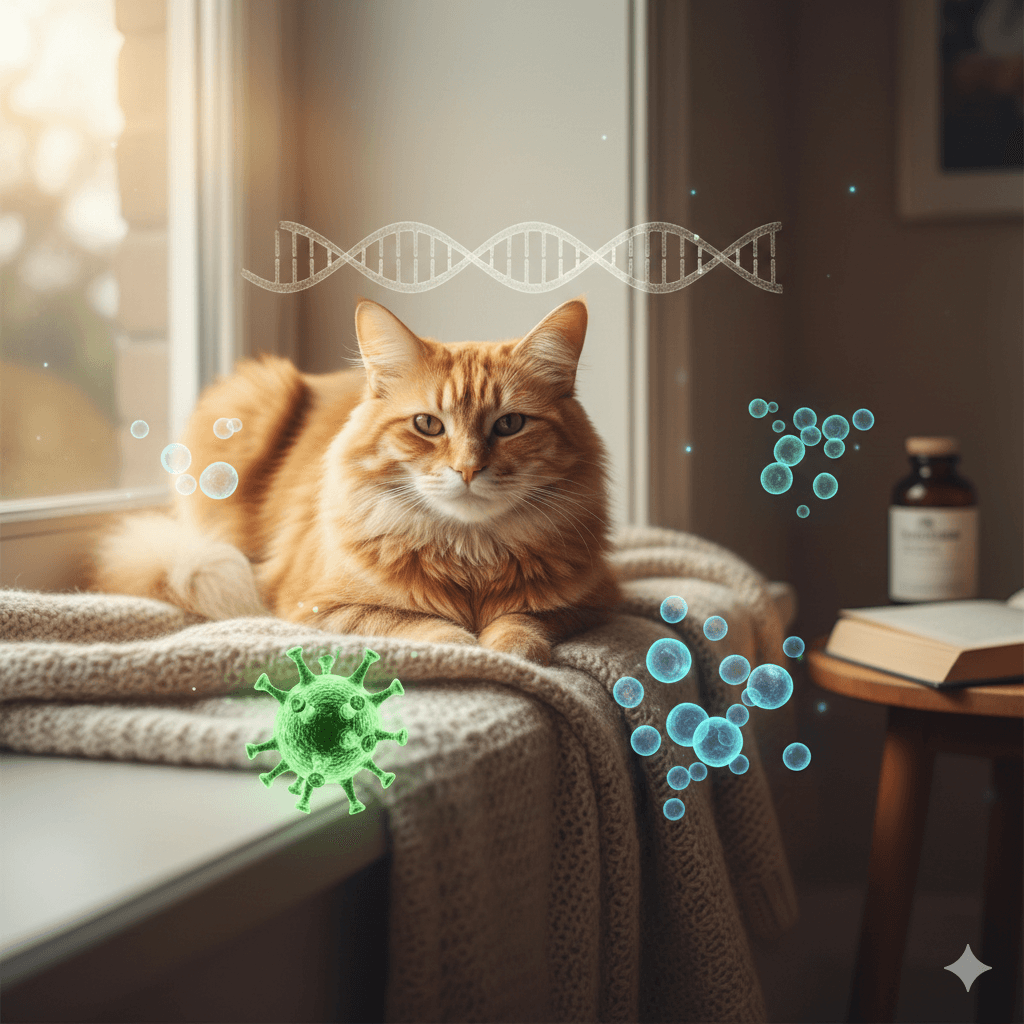
Common Causes of Lymphoma in Cats
- Feline Leukemia Virus (FeLV):
FeLV is one of the most significant contributors to lymphoma in cats. This retrovirus weakens the immune system, making cats more susceptible to cancers like lymphoma. Although FeLV vaccines have reduced its prevalence, unvaccinated or outdoor cats remain at higher risk. - Feline Immunodeficiency Virus (FIV):
Similar to FeLV, FIV compromises the immune system, leaving cats vulnerable to infections and cancers. Cats with FIV are more likely to develop lymphoma due to chronic immune suppression and inflammation. - Environmental Toxins:
Exposure to household chemicals, pesticides, or secondhand smoke increases cancer risks in cats. These toxins damage DNA and disrupt cellular function, potentially leading to malignant lymphocyte proliferation. - Genetic Predisposition:
Certain breeds, such as Siamese cats, show a higher incidence of lymphoma, suggesting a genetic component. While not all cases are hereditary, some cats may inherit a predisposition to immune system dysfunction. - Chronic Inflammation:
Prolonged inflammatory conditions, such as inflammatory bowel disease (IBD), create an environment conducive to cancer development. Inflammation damages tissues and promotes abnormal cell growth over time.
Types of Lymphoma in Cats
- Gastrointestinal Lymphoma:
This is the most common form, affecting the stomach, intestines, or both. Symptoms include vomiting, diarrhea, weight loss, and decreased appetite. It often mimics inflammatory bowel disease, complicating diagnosis without biopsies. - Mediastinal Lymphoma:
Located in the chest cavity, this type impacts the thymus and surrounding lymph nodes. Cats may exhibit difficulty breathing, coughing, or swelling in the neck area. Younger cats and those with FeLV are particularly prone to this variant. - Multicentric Lymphoma:
Affecting multiple lymph nodes throughout the body, this form causes generalized swelling and systemic symptoms like lethargy and fever. It’s less common but highly aggressive if left untreated. - Renal Lymphoma:
Kidney involvement leads to renal failure symptoms, including increased thirst, frequent urination, and vomiting. This type is challenging to diagnose early due to nonspecific signs resembling kidney disease. - Nasal Lymphoma:
Tumors in the nasal passages cause sneezing, nasal discharge, facial swelling, or difficulty breathing. Diagnosis typically involves imaging and biopsy to rule out other nasal conditions.
Check this guide 👉Lymphosarcoma in Cats: Best 7 Expert Tips!
Check this guide 👉Cat Swollen Lymph Nodes: Best 7 Health Tips!
Check this guide 👉Understanding Cat Cancer Treatment: Best 7 Expert Tips!
Early Warning Signs | Immediate Actions to Take |
|---|---|
Unexplained weight loss | Schedule a vet appointment immediately |
Decreased appetite or refusal to eat | Monitor for additional symptoms and seek advice |
Persistent vomiting or diarrhea | Rule out dietary issues; consult a vet if it continues |
Swollen lymph nodes or lumps | Request a thorough examination and biopsy |
Lethargy or weakness | Keep your cat calm and restrict activity until evaluated |
Risk Factors That Increase Lymphoma Likelihood
- Age and Lifespan:
Older cats, particularly those over 10 years old, face a higher risk due to accumulated cellular damage and declining immune function. Age-related changes make them more vulnerable to cancerous transformations. - Outdoor Exposure:
Cats allowed outdoors encounter infectious agents like FeLV and FIV more frequently. They’re also exposed to environmental hazards like pesticides and pollutants linked to cancer. - Poor Nutrition:
Diets lacking essential nutrients weaken the immune system and fail to support cellular repair mechanisms. Processed foods or low-quality diets exacerbate oxidative stress, contributing to malignancies. - Secondhand Smoke:
Cats living in households with smokers inhale carcinogens that settle on their fur during grooming. Studies link secondhand smoke exposure to an increased risk of lymphoma and oral tumors. - Untreated Chronic Conditions:
Conditions like IBD or persistent infections create ongoing inflammation, fostering an environment where cancer cells thrive unchecked. Managing underlying health issues reduces secondary risks.
Early Warning Signs of Lymphoma in Cats
- Unexplained Weight Loss:
Sudden or gradual weight loss despite normal appetite signals underlying problems. Cancer consumes energy, leading to muscle wasting even when food intake remains stable. - Decreased Appetite or Refusal to Eat:
Loss of interest in meals reflects discomfort, nausea, or pain caused by tumors pressing on digestive organs or interfering with nutrient absorption. - Vomiting or Diarrhea:
Persistent gastrointestinal upset indicates possible involvement of the stomach or intestines. Blood in vomit or stool further suggests advanced disease progression. - Lethargy and Weakness:
Cats with lymphoma often appear unusually tired or reluctant to engage in activities they once enjoyed. Fatigue stems from systemic inflammation and impaired oxygen delivery. - Swollen Lymph Nodes:
Enlarged lymph nodes under the jaw, near the shoulders, or behind the knees are classic signs of lymphoma. Palpable lumps warrant immediate veterinary evaluation.
Diagnostic Tests for Lymphoma in Cats
- Physical Examination:
The vet checks for swollen lymph nodes, abdominal masses, or abnormalities in vital signs. A thorough physical exam provides initial clues about potential lymphoma sites. - Blood Tests and Urinalysis:
Complete blood counts reveal anemia, abnormal white blood cell levels, or organ dysfunction. Urinalysis detects kidney involvement or secondary complications related to lymphoma. - Imaging Studies (X-rays, Ultrasound):
Radiographs and ultrasounds visualize internal structures, identifying enlarged lymph nodes, tumors, or affected organs. These images guide biopsy decisions and staging assessments. - Biopsy and Histopathology:
Tissue samples obtained via needle aspiration or surgical biopsy confirm lymphoma diagnosis. Pathologists analyze cell morphology to classify the subtype and aggressiveness of the cancer. - FeLV and FIV Testing:
Screening for these viruses helps establish a correlation between infection status and lymphoma risk. Positive results inform treatment plans and prognostic expectations.
Treatment Options for Feline Lymphoma
- Chemotherapy Protocols:
Multi-agent chemotherapy regimens target rapidly dividing cancer cells while sparing healthy tissues. Drugs like vincristine, cyclophosphamide, and prednisone are commonly used in combination. - Steroid Therapy:
Corticosteroids like prednisolone reduce inflammation and suppress lymphocyte activity, providing temporary relief and symptom control. However, long-term use has diminishing effects. - Radiation Therapy:
Localized radiation targets specific tumor sites, shrinking masses and alleviating pressure on surrounding tissues. This option works well for nasal or mediastinal lymphoma. - Supportive Care Measures:
Nutritional support, hydration therapy, and anti-nausea medications enhance comfort and maintain strength during treatment. Addressing secondary issues boosts recovery potential. - Palliative Care for Advanced Cases:
When curative options aren’t feasible, palliative care prioritizes pain management and quality of life. Owners work closely with vets to ensure compassionate end-of-life care.
Preventing Lymphoma in Cats
- Vaccinate Against FeLV and FIV:
Core vaccines protect against these viruses, which are major contributors to lymphoma development. Regular boosters maintain immunity throughout the cat’s life. - Limit Outdoor Access:
Keeping cats indoors minimizes exposure to infectious agents, toxins, and traumatic injuries linked to lymphoma risk. Safe indoor environments prolong lifespan and enhance safety. - Provide a Balanced Diet:
High-quality, species-appropriate nutrition supports immune function and reduces oxidative stress. Avoid processed foods laden with artificial additives or fillers. - Reduce Environmental Hazards:
Eliminate household toxins like tobacco smoke, cleaning chemicals, and pesticides that harm respiratory and immune systems. Opt for pet-safe alternatives whenever possible. - Schedule Routine Vet Visits:
Annual or biannual check-ups detect early signs of illness before they escalate. Preventive screenings catch lymphoma in its earliest stages, improving treatment success.
“While lymphoma cannot be prevented, the chances that a cat will develop the disease may be reduced through vaccination against FeLV, by preventing contact with FIV or FeLV infected cats, and by making sure it does not live in an environment contaminated by tobacco smoke.” — Dr. Margaret McEntee
Frequently Asked Questions About Lymphoma in Cats
What are the first signs of lymphoma in cats?
Early symptoms include weight loss, decreased appetite, vomiting, diarrhea, and lethargy. Swollen lymph nodes may also be noticeable during physical exams.
Is lymphoma curable in cats?
While lymphoma is rarely curable, chemotherapy and other treatments can extend life and improve quality of life significantly, especially when caught early.
How long can a cat live with lymphoma?
Survival times vary based on the type and stage of lymphoma, as well as treatment response. Cats receiving chemotherapy often live 6 months to 2 years or more.
Can indoor cats get lymphoma?
Yes, indoor cats can still develop lymphoma due to genetic predisposition, environmental toxins, or chronic conditions like inflammatory bowel disease (IBD).
Does FeLV vaccination prevent lymphoma?
FeLV vaccination reduces the risk of lymphoma associated with feline leukemia virus but does not eliminate all potential causes of the disease.
Supporting Your Cat Through Lymphoma Diagnosis

Is Rawhide Bad for Cats? Best 7 Expert Tips! – Discover the risks, safe alternatives, and expert advice to keep your feline friend healthy and happy.

Is Rawhide Bad for Dogs? Best 7 Expert Tips! – Discover the risks, benefits, and safer alternatives to rawhides for your dog’s chewing needs.

Understanding Anorexia in Cats: Best 7 Expert Tips! – Learn why cats stop eating, spot warning signs, and discover how to help your feline regain appetite safely.

Understanding Anorexia in Dogs: Best 7 Expert Tips! – Learn causes, symptoms, and solutions to help your dog regain appetite and stay healthy.