
Understanding Homemade Cat Food Serving Sizes
Factors Influencing Homemade Cat Food Serving Sizes
- Age and Life Stage:
Kittens require more calories per pound of body weight than adult cats due to their rapid growth and high energy demands; they typically need 2–3 times the calories of an adult cat. Feeding them smaller, frequent meals accommodates their developing digestive systems. - Weight and Body Condition:
Overweight cats benefit from calorie-controlled portions to encourage gradual weight loss without compromising essential nutrients; underweight cats may need higher-calorie servings to help them reach a healthy weight. Monitoring body condition scores helps tailor portions effectively. - Activity Level:
Highly active cats, such as those who spend time outdoors or engage in regular play, burn more calories and require larger servings to replenish energy stores; sedentary indoor cats need smaller portions to prevent excessive weight gain. - Health Conditions:
Cats with medical issues like diabetes, kidney disease, or hyperthyroidism often have specific dietary needs; for instance, diabetic cats may require consistent carbohydrate levels, while those with kidney problems need reduced phosphorus intake. Consulting a vet ensures safe adjustments to serving sizes. - Metabolic Rate Variations:
Each cat has a unique metabolism influenced by genetics and lifestyle; some naturally require more food to maintain weight, while others thrive on smaller amounts. Observing your cat’s response to portion changes helps fine-tune their diet over time.
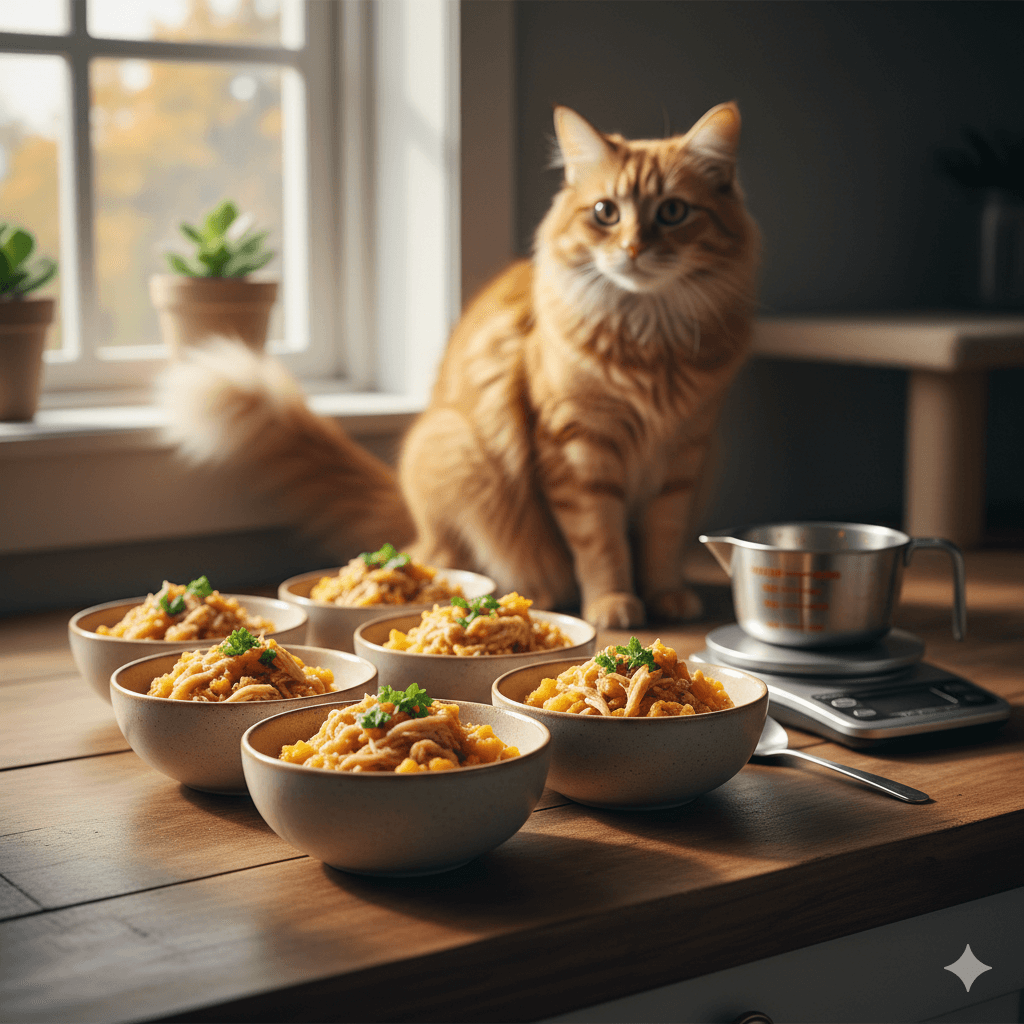
Calculating Daily Serving Sizes for Adult Cats
- Base Calorie Requirements:
An average 10-pound adult cat typically needs around 200–250 calories per day, divided into two meals; this baseline serves as a starting point before adjustments are made. - Adjustments for Weight Management:
If your cat needs to lose weight, reduce their daily calorie intake by 10–20% while ensuring nutrient balance remains intact; conversely, increase calories slightly if weight gain is necessary. - Dividing Meals Appropriately:
Splitting the total daily serving into two or three smaller meals mimics a cat’s natural grazing behavior and prevents overeating at one sitting. - Accounting for Treats and Snacks:
Treats should not exceed 10% of your cat’s daily caloric intake; factor them into the total serving size to avoid unintentional overfeeding. - Monitoring Portion Effects:
Track your cat’s weight weekly and observe their energy levels; if they gain or lose too quickly, tweak portion sizes accordingly until stability is achieved.
Check this guide 👉Organic Dry Cat Food: Best 7 Expert Tips!
Check this guide 👉What Is Grain-Free Cat Food: Best 7 Expert Tips!
Check this guide 👉Cat Food Recalled for Salmonella: Best 7 Expert Tips!
Key Nutrients in Homemade Cat Food | Recommended Daily Amounts (per 10 lbs) |
|---|---|
Protein (chicken, beef, etc.) | 5–7 oz cooked meat |
Fat (oils, fish, etc.) | 1–2 tsp added fat |
Carbohydrates (optional) | <10% of total diet |
Taurine | 500 mg supplement or equivalent |
Water Content | At least 70% moisture per meal |
Portion Guidelines for Kittens and Senior Cats
- Kitten-Specific Portions:
Kittens up to six months old need about twice the calories per pound of body weight compared to adults; for example, a 2-pound kitten requires roughly 150–200 calories daily, split into four small meals. - Transitioning to Adult Portions:
Between six and twelve months, gradually decrease meal frequency and portion sizes to align with adult feeding guidelines; this smooth transition prevents digestive upset. - Senior Cat Adjustments:
Older cats often experience slower metabolisms and reduced activity levels, necessitating a 10–20% reduction in daily calories; however, those with medical conditions might need specialized diets. - Hydration Emphasis:
Both kittens and seniors benefit from moisture-rich homemade foods to support hydration, especially since older cats are prone to dehydration-related issues like urinary tract infections. - Nutrient Density Focus:
Ensure homemade recipes include sufficient protein, fats, vitamins, and minerals appropriate for each life stage; kittens need more protein for muscle growth, while seniors benefit from joint-supportive nutrients like omega-3 fatty acids.
Common Mistakes When Measuring Serving Sizes
- Overestimating Calorie Needs:
Many owners assume their cat requires more food than necessary, resulting in weight gain; always base portions on actual caloric calculations rather than guesswork. - Ignoring Ingredient Ratios:
Homemade cat food must maintain a proper balance of proteins, fats, and carbohydrates; failing to follow recipes precisely disrupts nutritional harmony. - Inconsistent Meal Timing:
Irregular feeding schedules confuse a cat’s internal clock and digestion process; sticking to set meal times promotes better appetite regulation. - Neglecting Water Content:
Dry ingredients lack moisture, so failing to add water or broth increases dehydration risk; wet homemade food closely resembles a cat’s natural prey-based diet. - Skipping Regular Weight Checks:
Failing to monitor your cat’s weight regularly means unnoticed fluctuations; monthly weigh-ins help detect early signs of over- or underfeeding.
Tools and Methods for Measuring Portions Accurately
- Digital Kitchen Scale:
Weighing ingredients ensures exact portion sizes; for example, cooked chicken breast should be measured in grams or ounces to match recipe guidelines. - Measuring Cups and Spoons:
Standardized measuring tools help distribute dry or liquid components evenly; avoid using household spoons, which vary in size and lead to inaccuracies. - Food Journal Tracking:
Maintain a log of daily portions, including ingredient weights and calorie counts, to identify patterns and adjust as needed; this record aids veterinary consultations. - Pre-Portioned Containers:
Divide prepared meals into individual servings stored in labeled containers; this method simplifies feeding and reduces waste. - Recipe Scaling Techniques:
Scale recipes up or down proportionally to accommodate your cat’s needs; doubling or halving ingredients maintains nutrient ratios while adjusting portion sizes.
Adjusting Portions Based on Activity Levels
- High-Energy Cats:
Outdoor explorers or highly playful indoor cats burn significant calories through movement; increasing portion sizes by 10–15% provides extra fuel for their adventures. - Sedentary Indoor Cats:
Couch potatoes prone to lounging require smaller portions to avoid excess fat storage; reducing calorie intake by 10% keeps them trim and healthy. - Seasonal Activity Changes:
Colder months may boost indoor cats’ activity levels as they seek warmth through movement; slight increases in portion sizes during these periods accommodate heightened energy expenditure. - Interactive Play Influence:
Engaging in daily interactive play sessions boosts calorie burn; reward increased activity with modest portion adjustments to sustain energy levels. - Post-Spay/Neuter Adjustments:
Spayed or neutered cats tend to become less active and gain weight more easily; reducing portions post-surgery prevents unwanted pounds.
Signs Your Cat Is Overfed or Underfed
- Signs of Overfeeding:
Excessive weight gain, difficulty grooming, and lethargy indicate too many calories; visible fat pads near the ribs or spine confirm overfeeding. - Signs of Underfeeding:
Weight loss, dull coat, and constant begging for food suggest insufficient caloric intake; a bony appearance or lack of energy highlights nutritional deficiencies. - Behavioral Cues:
Increased aggression around food bowls or stealing food points to hunger, while disinterest in meals may signal overfullness or boredom. - Digestive Irregularities:
Diarrhea or constipation can result from poorly balanced portions; ensuring correct ratios of fiber, protein, and fats restores gut health. - Veterinary Feedback:
Regular check-ups reveal underlying issues related to portion sizes; vets analyze blood work and physical exams to confirm dietary adequacy.
Frequently Asked Questions About Homemade Cat Food Serving Sizes
How do I know if my homemade cat food recipe is balanced?
Consult a veterinary nutritionist to ensure your recipe meets AAFCO guidelines for essential nutrients like taurine, vitamins, and minerals.
Can I feed my cat the same portion size every day?
Yes, but only if their weight, activity level, and health status remain consistent; otherwise, adjust portions as needed.
What happens if I overfeed my cat?
Overfeeding leads to obesity, which increases the risk of diabetes, arthritis, and other serious health issues.
Is it okay to mix homemade food with commercial cat food?
Yes, but calculate total daily calories carefully to avoid overfeeding or nutrient imbalances when combining diets.
How often should I weigh my cat to monitor portion sizes?
Weigh your cat monthly using a pet scale or home bathroom scale to track changes and adjust portions accordingly.
Supporting Your Cat’s Health Through Proper Portions
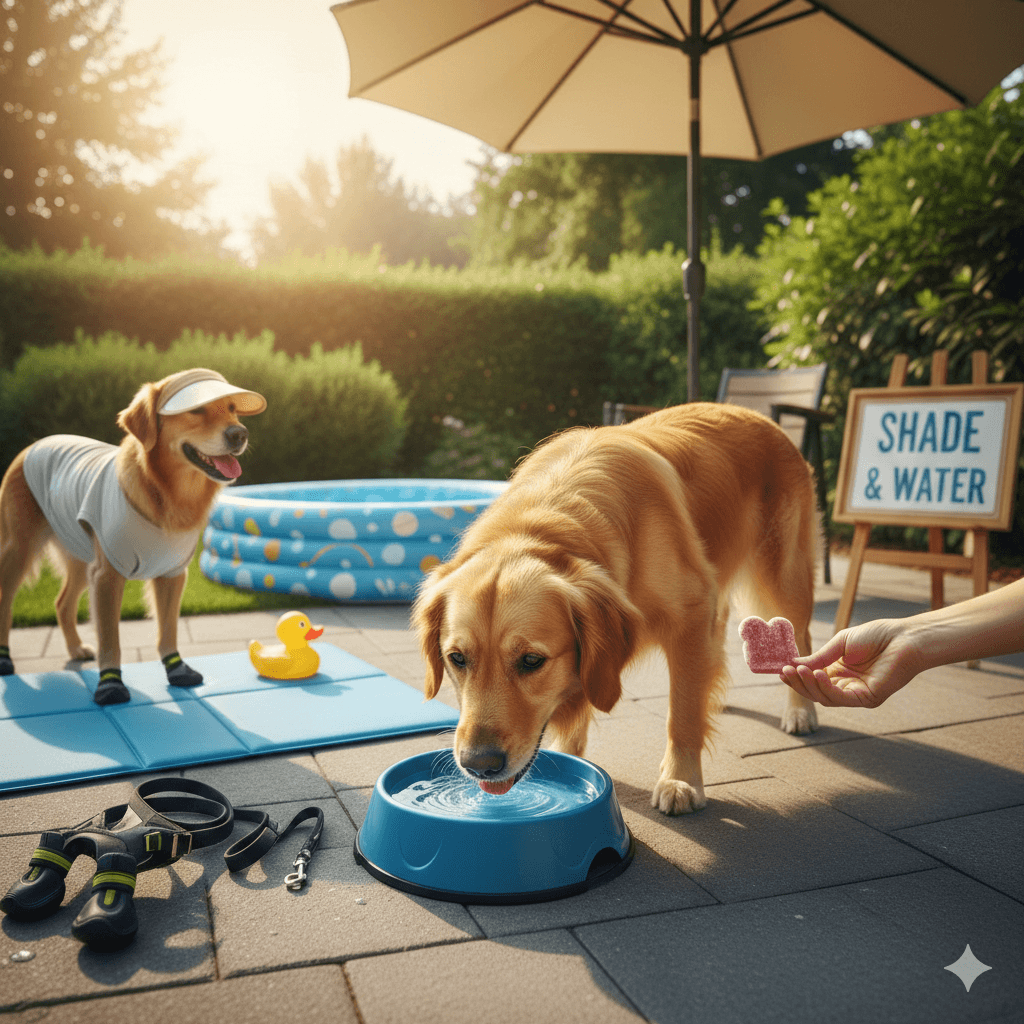
Keeping Your Dog Safe This Summer: Best 7 Expert Tips! – Learn how to protect your pup from heatstroke, dehydration, and more this summer. Stay safe!

When Was Cat Food Invented? Best 7 Expert Tips! – Discover the history, key milestones, and evolution of cat food from scraps to scientifically balanced diets.

When Was Dog Food Invented? Best 7 Expert Tips! – Discover the origins, evolution, and milestones of dog food, and how it transformed pet nutrition over time.

Kintamani Dutch Shepherd Mix: Best 7 Expert Tips! – Discover the perfect blend of loyalty, agility, and charm with this unique hybrid. Learn expert care tips now!