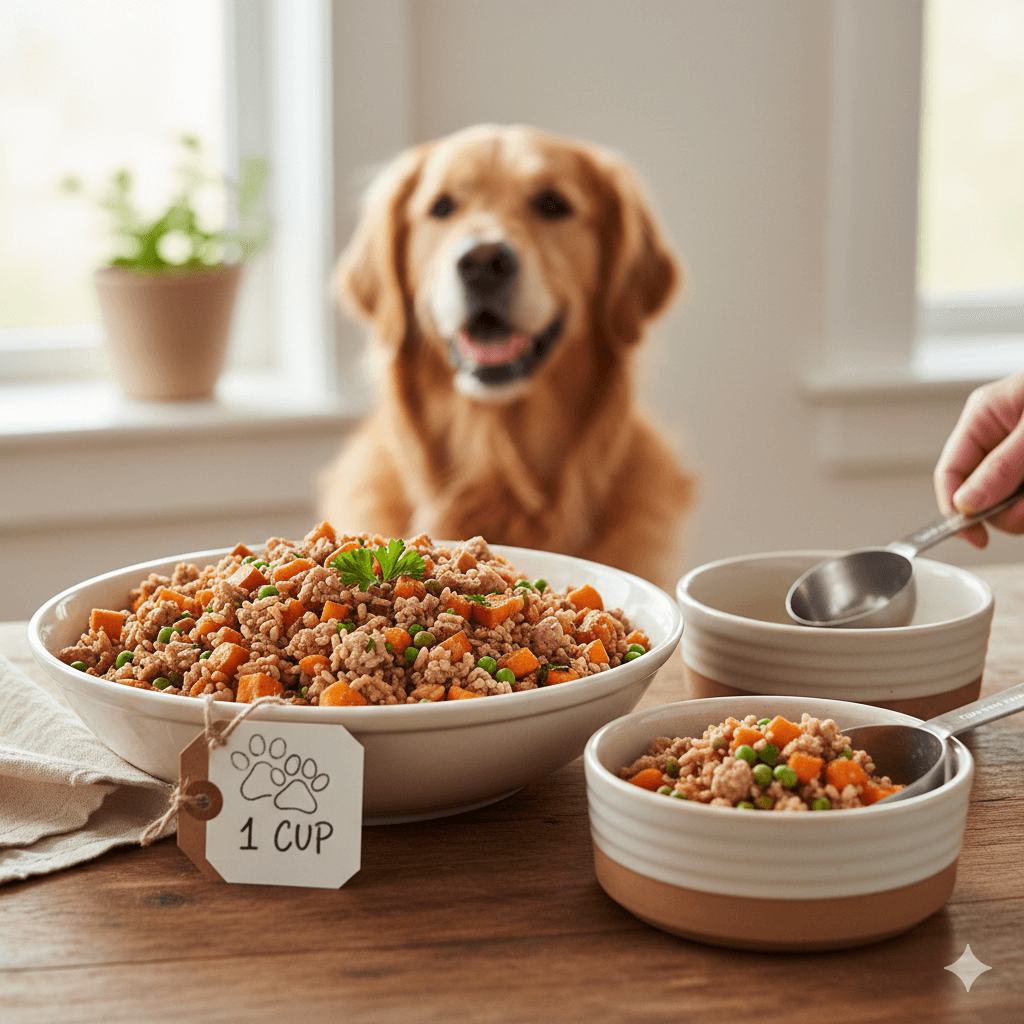
Homemade Dog Food Serving Sizes: Best 7 Expert Tips!

Homemade Dog Food Serving Sizes: Best 7 Expert Tips!

Understanding Homemade Dog Food Serving Sizes

Preparing homemade dog food gives you control over the quality and nutritional balance of your pet’s meals, but portion sizes are just as important as ingredients. Feeding too much or too little can lead to health issues like obesity or malnutrition, making it essential to calculate servings based on your dog’s size, age, and activity level. By understanding the right serving sizes, you ensure your furry friend stays healthy, happy, and energized.

Factors That Influence Homemade Dog Food Serving Sizes

Determining the correct serving size for homemade dog food isn’t a one-size-fits-all approach. Several factors influence how much your dog needs to eat daily to maintain optimal health. Understanding these variables ensures you provide balanced nutrition without overfeeding or underfeeding.
 
  • Dog’s Weight and Size:
    Larger dogs require more calories and nutrients than smaller breeds. For example, a 10-pound dog typically needs around 200–300 calories daily, while a 50-pound dog may need 1,000–1,500 calories depending on activity level.
     
  • Age and Life Stage:
    Puppies need more calories per pound of body weight to support growth, while senior dogs often require fewer calories due to reduced activity. Pregnant or nursing dogs also have increased nutritional demands.
     
  • Activity Level:
    Highly active working dogs or those engaged in regular exercise burn more energy and need larger portions. Conversely, sedentary or indoor dogs require smaller servings to prevent weight gain.
     
  • Metabolic Rate:
    Some dogs naturally have faster metabolisms, meaning they burn calories more quickly and may need slightly larger portions. Breeds like Greyhounds or Border Collies often fall into this category.
     
  • Health Conditions:
    Dogs with medical conditions such as diabetes, kidney disease, or obesity may need tailored portion sizes. Consulting a veterinarian ensures their dietary needs align with their health status.
 
By considering these factors, you can create a customized feeding plan that supports your dog’s unique needs and promotes long-term wellness.
 
Homemade Dog Food Serving Sizes: Best 7 Expert Tips!

General Guidelines for Calculating Serving Sizes

Calculating homemade dog food serving sizes requires a basic understanding of your dog’s caloric and nutritional requirements. While professional guidance is ideal, there are general rules you can follow to estimate appropriate portions.
 
  • Daily Calorie Needs:
    On average, dogs require about 25–30 calories per pound of body weight daily. For instance, a 20-pound dog would need approximately 500–600 calories split across meals.
     
  • Protein-to-Carbohydrate Ratio:
    Aim for a diet composed of 40–50% protein, 20–30% healthy fats, and 20–30% carbohydrates. Adjust portion sizes to maintain this balance based on your recipe.
     
  • Meal Frequency:
    Puppies should eat three meals daily, while adult dogs typically thrive on two meals per day. Divide the total daily serving size evenly across meals to prevent overeating.
     
  • Portion Control Tools:
    Use a kitchen scale or measuring cups to ensure accuracy. For example, 1 cup of cooked chicken provides roughly 250 calories, helping you calculate exact portions.
     
  • Adjustments Over Time:
    Monitor your dog’s weight and energy levels regularly. If they gain or lose weight unexpectedly, tweak serving sizes incrementally until their ideal weight stabilizes.
 
These guidelines provide a solid foundation for determining serving sizes, ensuring your dog receives adequate nutrition without excess.
Daily Serving Size Guidelines Key Ingredients for Homemade Dog Food
25–30 calories per pound of body weight Lean proteins (chicken, turkey, beef)
Divide into 2 meals for adults, 3 for puppies Healthy fats (fish oil, olive oil)
Adjust portions for activity level and age Complex carbs (brown rice, sweet potatoes)
Weigh ingredients for accuracy Vegetables (

How to Measure Ingredients for Balanced Portions

Creating balanced homemade dog food involves precise measurements to meet your dog’s nutritional needs. Portion control starts with selecting high-quality ingredients and calculating their contributions to overall nutrition.
 
  • Lean Proteins:
    Chicken, turkey, beef, or fish should make up the bulk of your dog’s diet. Measure 1–2 ounces of protein per 10 pounds of body weight daily.
     
  • Healthy Fats:
    Add sources like olive oil, salmon oil, or flaxseed oil for essential fatty acids. One teaspoon per 20 pounds of body weight suffices to support skin and coat health.
     
  • Carbohydrates:
    Include complex carbs like sweet potatoes, brown rice, or quinoa. Measure ½–1 cup per meal for medium-sized dogs, adjusting for calorie density.
     
  • Vegetables and Fiber:
    Leafy greens, carrots, or pumpkin aid digestion and provide vitamins. Incorporate ¼–½ cup per meal, finely chopped or steamed for easier digestion.
     
  • Supplements:
    Calcium, vitamin E, and omega-3 supplements ensure completeness. Follow label instructions carefully to avoid overdosing.
 
Measuring each ingredient accurately guarantees your dog’s meals are both nutritious and appropriately portioned.

Signs Your Dog Is Eating the Wrong Portion Size

Feeding incorrect serving sizes can lead to noticeable changes in your dog’s health and behavior. Recognizing these signs helps you adjust portions promptly and prevent complications.
 
  • Weight Gain or Loss:
    Sudden increases or decreases in weight indicate improper portion sizes. Weigh your dog monthly using a pet scale or home bathroom scale.
     
  • Changes in Energy Levels:
    Overfed dogs may become lethargic, while underfed ones appear restless or weak due to insufficient fuel for daily activities.
     
  • Digestive Issues:
    Diarrhea, vomiting, or constipation often stem from imbalanced portions or poorly measured ingredients.
     
  • Coat and Skin Health:
    Dry, flaky skin or dull fur suggests nutrient deficiencies, possibly caused by inadequate portion sizes or unbalanced recipes.
     
  • Behavioral Changes:
    Excessive begging or guarding food indicates hunger, while disinterest in meals signals potential overfeeding or lack of variety.
 
Addressing these signs early prevents long-term health issues and ensures your dog thrives on homemade food.
 

Common Mistakes When Portioning Homemade Dog Food

Even well-meaning pet owners sometimes make mistakes when determining serving sizes for homemade dog food. Avoiding these pitfalls ensures your dog stays healthy and satisfied.
 
  • Overestimating Calorie Needs:
    Assuming dogs need more food than they actually do leads to weight gain and obesity-related problems like joint pain or diabetes.
     
  • Ignoring Recipe Balance:
    Focusing solely on protein without incorporating fats, carbs, or supplements creates nutritional gaps that harm overall health.
     
  • Skipping Measurements:
    Eyeballing ingredients instead of measuring precisely results in inconsistent portions and potential nutrient imbalances.
     
  • Not Adjusting for Activity Levels:
    Feeding the same amount regardless of lifestyle changes, such as reduced exercise during winter, causes weight fluctuations.
     
  • Relying Solely on Online Calculators:
    While helpful, generic calculators don’t account for individual variations; always consult a vet for personalized advice.
 
Learning from these mistakes ensures your dog receives properly portioned, nutritionally complete meals.

Tools and Resources for Accurate Portioning

Having the right tools and resources simplifies the process of determining and maintaining accurate serving sizes for homemade dog food. Investing in quality equipment pays off in convenience and precision.
 
  • Digital Kitchen Scale:
    Weigh ingredients in grams or ounces for unparalleled accuracy, especially when dealing with calorie-dense foods like meats or oils.
     
  • Measuring Cups and Spoons:
    Standardized tools ensure consistent portion sizes, particularly for dry ingredients like rice or supplements.
     
  • Nutritional Analysis Apps:
    Apps like Cronometer or Pet Diet Designer analyze homemade recipes, breaking down macronutrients and identifying deficiencies.
     
  • Veterinary Consultations:
    Regular check-ups allow vets to evaluate your dog’s health and recommend adjustments to serving sizes or recipes.
     
  • Homemade Dog Food Cookbooks:
    Books written by veterinary nutritionists offer tested recipes and portioning tips tailored to various breeds and life stages.
 
Equipping yourself with these tools streamlines meal prep and boosts confidence in your ability to feed your dog correctly.

Long-Term Benefits of Proper Portion Control

Feeding your dog the correct homemade food serving size has numerous long-term benefits that extend beyond physical health. Consistent portion control fosters a happier, healthier life for your furry companion.
 
  • Maintains Ideal Body Weight:
    Proper portions prevent obesity, reducing the risk of chronic diseases like arthritis, diabetes, and heart conditions.
     
  • Supports Digestive Health:
    Balanced meals minimize digestive upset, promoting regular bowel movements and nutrient absorption.
     
  • Enhances Coat and Skin Condition:
    Adequate nutrients result in shiny coats, reduced shedding, and fewer skin irritations.
     
  • Improves Energy Levels:
    Correct caloric intake ensures sustained energy for playtime, walks, and mental stimulation.
     
  • Strengthens Bond Through Trust:
    Providing nutritious, perfectly portioned meals demonstrates care and commitment, deepening your bond with your dog.
 
With proper portion control, homemade dog food becomes a powerful tool for enhancing your dog’s quality of life.

“Dr. Judy Morgan, a nutrition expert and one of our favorite podcast guests, recommends feeding a dog about 2-3% of their body weight when using homemade food, and I think that’s an excellent place to start.” – Molly Jacobson

Frequently Asked Questions About Homemade Dog Food Serving Sizes

How do I calculate my dog’s daily caloric needs?

Multiply your dog’s weight in pounds by 25–30 calories to estimate their baseline requirement, then adjust for activity level and life stage.

No—each dog has unique needs based on size, age, breed, and activity level. Always calculate portions individually.

Reevaluate portion sizes and consult your vet to rule out underlying health issues. Small adjustments to serving sizes often resolve the problem.

Most adult dogs thrive on two meals per day, while puppies may need three. Split the total daily serving size evenly across meals.

Yes—homemade diets often lack essential nutrients like calcium or omega-3 fatty acids. Add supplements as recommended by a veterinarian.

Supporting Your Dog’s Health Through Proper Portioning

Feeding your dog homemade food is one of the most loving choices you can make, but proper portion control is key to unlocking its full potential. By understanding your dog’s unique needs, measuring ingredients accurately, and monitoring their health, you ensure they receive balanced nutrition that supports a long, happy life. Remember, consistency and attention to detail are your greatest allies in this journey. With the right serving sizes, you’re not just feeding your dog—you’re nourishing their body, mind, and spirit.
Is Rawhide Bad for Cats? Best 7 Expert Tips!

Is Rawhide Bad for Cats? Best 7 Expert Tips! – Discover the risks, safe alternatives, and expert advice to keep your feline friend healthy and happy.

Is Rawhide Bad for Dogs? Best 7 Expert Tips!

Is Rawhide Bad for Dogs? Best 7 Expert Tips! – Discover the risks, benefits, and safer alternatives to rawhides for your dog’s chewing needs.

Understanding Anorexia in Cats: Best 7 Expert Tips!

Understanding Anorexia in Cats: Best 7 Expert Tips! – Learn why cats stop eating, spot warning signs, and discover how to help your feline regain appetite safely.

Understanding Anorexia in Dogs: Best 7 Expert Tips!

Understanding Anorexia in Dogs: Best 7 Expert Tips! – Learn causes, symptoms, and solutions to help your dog regain appetite and stay healthy.

Leave a Reply

Your email address will not be published. Required fields are marked *
