
Understanding Poisonous Mushrooms for Dogs
Common Poisonous Mushrooms and Their Dangers
- Amanita Species (Death Cap):
The Death Cap mushroom is one of the deadliest fungi for dogs. It contains amatoxins, which cause severe liver and kidney damage within hours of ingestion. Symptoms include vomiting, diarrhea, jaundice, and seizures. Immediate veterinary care is critical to survival. - Galerina Marginata:
This small brown mushroom is often mistaken for edible varieties. Like the Death Cap, it contains amatoxins, leading to acute organ failure. Dogs may show signs of lethargy, abdominal pain, and dehydration as toxins spread through their system. - Psilocybe Cubensis (Magic Mushrooms):
While not typically fatal, Psilocybe species contain psychoactive compounds that cause hallucinations, disorientation, and seizures in dogs. Ingestion can lead to erratic behavior and distress, requiring sedation or supportive care. - Clitocybe Dealbata (Ivory Funnel):
This mushroom contains muscarine, a toxin that disrupts the nervous system. Symptoms include excessive drooling, vomiting, diarrhea, and difficulty breathing. Severe cases may result in respiratory failure without prompt treatment. - Inocybe Species:
Inocybe mushrooms also contain muscarine, causing similar symptoms to Clitocybe Dealbata. Dogs may exhibit excessive urination, tear production, and gastrointestinal distress after ingestion.
Symptoms of Mushroom Poisoning in Dogs
- Gastrointestinal Upset:
Vomiting, diarrhea, and abdominal pain are among the first signs of mushroom poisoning. These symptoms often appear within 6–12 hours of ingestion and indicate irritation of the digestive tract. - Neurological Symptoms:
Certain mushrooms, like Psilocybe species, cause disorientation, tremors, seizures, or hallucinations. Dogs may appear confused, restless, or uncoordinated due to neurotoxins affecting the brain. - Liver Damage:
Amanita species target the liver, causing jaundice, lethargy, and loss of appetite. Elevated liver enzymes and blood abnormalities confirm organ damage during veterinary evaluation. - Kidney Failure:
Toxins from mushrooms like Galerina Marginata impair kidney function, leading to dehydration, weakness, and inability to produce urine. Blood tests reveal elevated creatinine and urea levels. - Respiratory Distress:
Mushrooms containing muscarine, such as Clitocybe Dealbata, cause difficulty breathing, wheezing, and coughing. Severe cases may progress to respiratory arrest without oxygen support.
Check this guide 👉Are Poinsettias Poisonous to Dogs? Best 7 Expert Tips!
Check this guide 👉Dog Cyanide Poisoning Symptoms: Best 7 Expert Tips!
Check this guide 👉Salt Poisoning in Dogs: Best 7 Expert Tips!
| Common Toxic Mushrooms | Symptoms to Watch For |
|---|---|
| Amanita Species (Death Cap) | Vomiting, diarrhea, jaundice, seizures |
| Galerina Marginata | Lethargy, abdominal pain, dehydration |
| Psilocybe Cubensis (Magic Mushrooms) | Hallucinations, disorientation, seizures |
| Clitocybe Dealbata (Ivory Funnel) | Drooling, vomiting, difficulty breathing |
| Inocybe Species | Excessive urination, drooling, GI distress |
First Aid Steps If Your Dog Eats a Poisonous Mushroom
- Identify the Mushroom (If Possible):
Take photos or samples of the mushroom for identification by a mycologist or veterinarian. Avoid touching it directly; use gloves to prevent exposure. - Do Not Induce Vomiting Without Advice:
Forcing vomiting can worsen irritation or aspiration risks unless explicitly instructed by a vet. Call a poison control hotline for guidance tailored to the situation. - Rinse Your Dog’s Mouth:
Gently rinse your dog’s mouth with water to remove any remaining mushroom particles. This reduces further toxin absorption through oral tissues. - Monitor for Symptoms:
Observe your dog closely for changes in behavior, appetite, or energy levels over the next 24–48 hours. Note the onset and progression of symptoms for veterinary assessment. - Seek Immediate Veterinary Care:
Even if no symptoms are present, bring your dog to the vet for evaluation. Time is critical in treating mushroom poisoning effectively.
Treatment Options for Mushroom Poisoning
- Activated Charcoal Administration:
Charcoal binds to toxins in the stomach, preventing further absorption into the bloodstream. This step is most effective when administered shortly after ingestion. - IV Fluid Therapy:
Intravenous fluids flush toxins from the body, maintain hydration, and support organ function. They also correct electrolyte imbalances caused by vomiting or diarrhea. - Liver Protectants and Antidotes:
Medications like N-acetylcysteine or S-adenosylmethionine protect the liver from damage caused by amatoxins. These treatments are vital for Amanita poisoning cases. - Anticonvulsants for Seizures:
Dogs experiencing seizures due to neurotoxic mushrooms receive medications like diazepam or phenobarbital to control convulsions and stabilize brain activity. - Oxygen Therapy:
Supplemental oxygen supports dogs with respiratory distress or compromised lung function caused by muscarine toxicity.
Preventing Mushroom Poisoning in Dogs
- Inspect Your Yard Regularly:
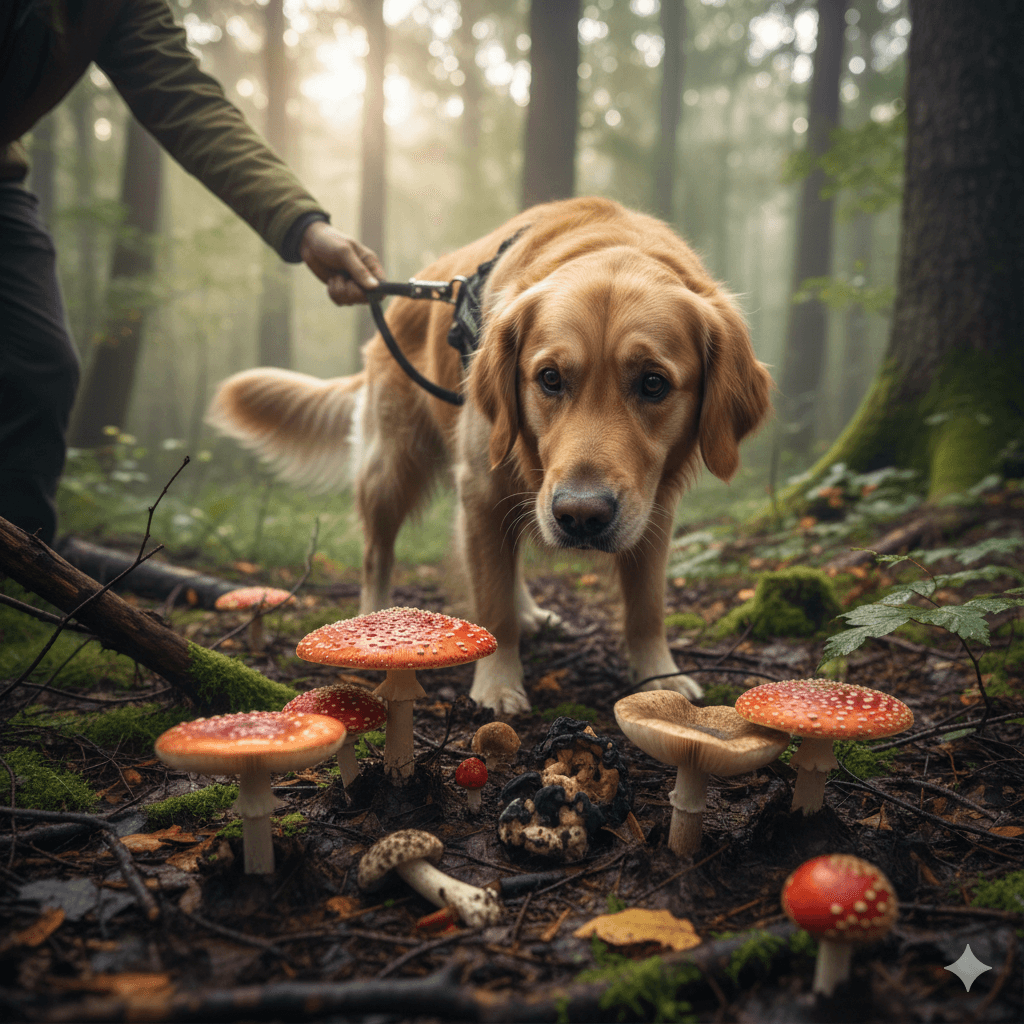
Remove wild mushrooms from your yard before they have a chance to grow or attract your dog’s attention. Dispose of them securely to prevent curiosity. - Leash Walks in Forested Areas:
Keep your dog on a leash during walks in wooded or damp areas where mushrooms thrive. This prevents them from sniffing or eating unknown fungi. - Teach “Leave It” Commands:
Training your dog to avoid picking up or eating items off the ground minimizes accidental ingestion risks. Reinforce this behavior consistently. - Educate Family Members:
Ensure everyone in the household knows the dangers of mushrooms and avoids feeding table scraps that may contain fungi. - Consult a Mycologist:
If unsure about a mushroom’s identity, consult a local mycologist or veterinarian for confirmation. Never rely on assumptions about safety.
Long-Term Effects of Mushroom Poisoning
- Chronic Liver Disease:
Severe liver damage from amatoxin exposure may lead to persistent issues like cirrhosis or reduced liver function, necessitating dietary adjustments and supplements. - Neurological Impairment:
Certain neurotoxins cause permanent changes in behavior, coordination, or cognitive function, impacting your dog’s quality of life. Rehabilitation therapy may help improve mobility. - Kidney Dysfunction:
Impaired kidney function requires lifelong monitoring of hydration, diet, and urinary output to prevent secondary complications like infections or stones. - Behavioral Changes:
Some dogs become more anxious or cautious after traumatic health episodes, requiring patience and reassurance to rebuild trust and confidence. - Increased Veterinary Visits:
Frequent check-ups ensure early detection of lingering effects or underlying conditions stemming from past mushroom poisoning incidents.
When to Seek Emergency Veterinary Care
- Difficulty Breathing:
Labored breathing, wheezing, or gasping signals respiratory distress caused by muscarine toxicity. Oxygen therapy may be necessary to stabilize your dog. - Seizures or Tremors:
Uncontrolled shaking, twitching, or full-body convulsions point to neurotoxic effects requiring anticonvulsant medications and sedation. - Jaundice or Pale Gums:
Yellowing of the skin, eyes, or gums reflects liver damage from amatoxins. Blood work confirms the extent of organ impairment. - Persistent Vomiting or Diarrhea:
Continuous fluid loss leads to dehydration and electrolyte imbalances, worsening overall condition without IV fluid therapy. - Collapse or Unresponsiveness:
Sudden weakness, collapse, or inability to stand indicates systemic toxicity requiring intensive care and life-support measures.
“Wild mushroom species, such as Amanita phalloides (‘death cap mushroom’), can be extremely toxic, and even fatal, to dogs. Clinical signs of mushroom toxicity can include vomiting, diarrhea, liver failure, tremors, and seizures.” – Amy Young and Dr. Carrie Palm,
Frequently Asked Questions About Poisonous Mushrooms for Dogs
What should I do if my dog eats a wild mushroom?
Remove your dog from the area, identify the mushroom if possible, and contact your vet or a pet poison hotline immediately.
How can I tell if a mushroom is poisonous?
Only a trained mycologist or veterinarian can confirm toxicity; avoid assuming any mushroom is safe for dogs.
What are the first signs of mushroom poisoning in dogs?
Symptoms include vomiting, diarrhea, lethargy, tremors, or difficulty breathing, depending on the mushroom type.
Are all mushrooms toxic to dogs?
No, but many are difficult to distinguish from toxic varieties, so it’s safest to assume all wild mushrooms are dangerous.
Can cooked mushrooms harm my dog?
Cooked mushrooms, especially store-bought ones, are less likely to be toxic, but they can still cause digestive upset in some dogs.
A Lifeline in Every Moment of Crisis

Is Rawhide Bad for Cats? Best 7 Expert Tips! – Discover the risks, safe alternatives, and expert advice to keep your feline friend healthy and happy.

Is Rawhide Bad for Dogs? Best 7 Expert Tips! – Discover the risks, benefits, and safer alternatives to rawhides for your dog’s chewing needs.

Understanding Anorexia in Cats: Best 7 Expert Tips! – Learn why cats stop eating, spot warning signs, and discover how to help your feline regain appetite safely.

Understanding Anorexia in Dogs: Best 7 Expert Tips! – Learn causes, symptoms, and solutions to help your dog regain appetite and stay healthy.