
Understanding Cat Anaphylactic Shock Treatment Costs
Anaphylactic shock in cats is a life-threatening emergency that requires immediate veterinary care, often involving intensive treatments like medications, oxygen therapy, or hospitalization. The costs can vary significantly depending on the severity of the reaction, the treatments required, and your location. By understanding the potential expenses and factors involved, you can make informed decisions to ensure your cat receives the best care during this critical time.
Causes of Anaphylactic Shock in Cats and Associated Costs
Anaphylactic shock in cats is a severe allergic reaction that can occur suddenly and escalate rapidly. Identifying the underlying causes helps owners take preventive measures and understand why treatment costs can vary so widely. While some triggers are more common than others, each requires prompt veterinary intervention to stabilize the cat’s condition. The cost of treatment often depends on the severity of the reaction and the specific cause, which influences the diagnostic and therapeutic approach.
- Insect Stings or Bites:
Stings from bees, wasps, or ants are frequent triggers for anaphylaxis. Treatment may involve antihistamines, corticosteroids, or epinephrine, with costs ranging from $100 to $500 depending on the severity. - Vaccines or Medications:
Adverse reactions to vaccines or prescribed drugs can lead to anaphylaxis. Veterinary clinics may charge $200–$800 for emergency care, including hospitalization or IV fluids. - Food Allergens:
Certain proteins or additives in cat food can provoke severe allergic responses. Diagnosing the allergen through testing adds $150–$300 to the overall expense. - Environmental Triggers:
Exposure to pollen, mold, or cleaning products can induce anaphylaxis. Oxygen therapy or intensive care may increase costs to $1,000 or more. - Unknown Causes:
In cases where the trigger remains unidentified, veterinarians may perform extensive diagnostics, adding $400–$700 to the bill.
Understanding these causes and associated expenses prepares owners for potential financial commitments while prioritizing their cat’s health.
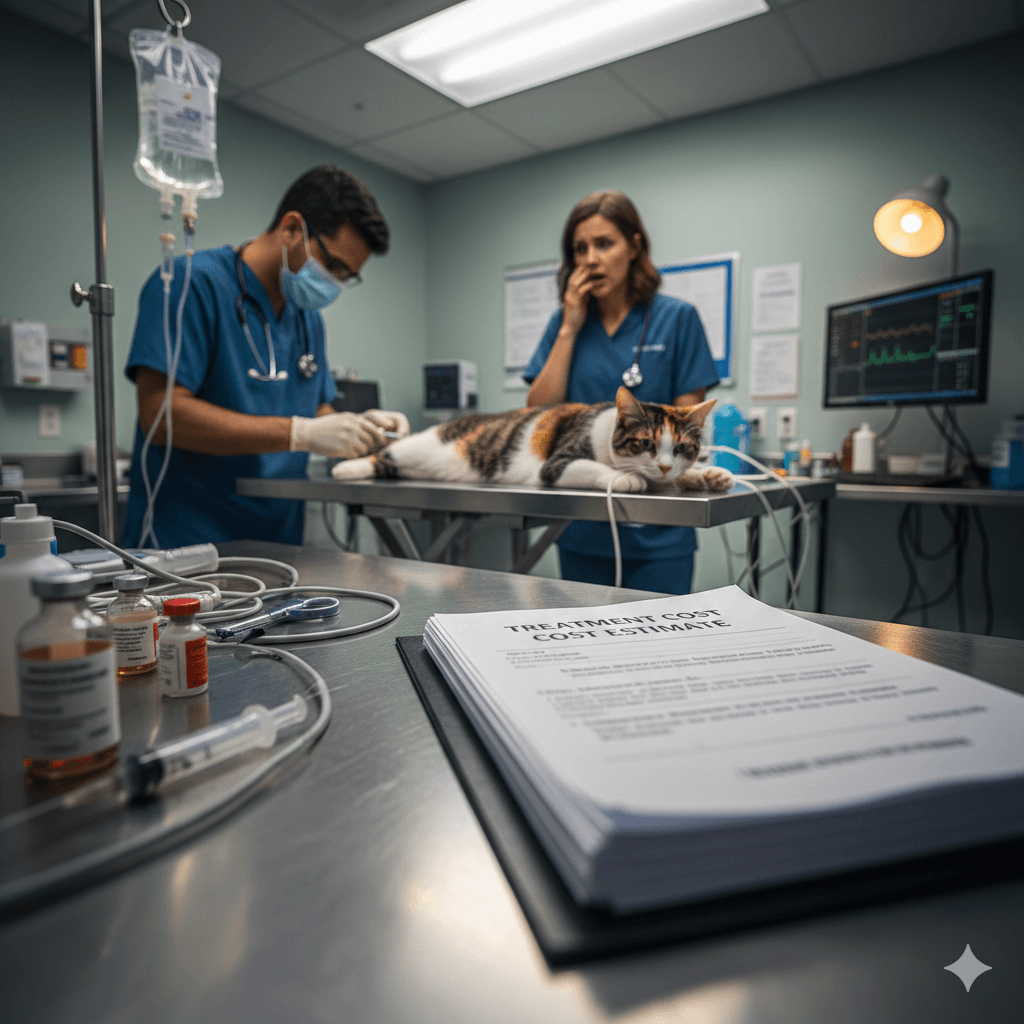
Symptoms of Anaphylactic Shock and Diagnostic Costs
Recognizing the symptoms of anaphylactic shock is crucial for timely intervention, as delays can be fatal. However, diagnosing the condition often involves multiple tests, which contribute to the overall treatment cost. Early detection minimizes the need for prolonged or invasive procedures, but even basic diagnostics can add up quickly.
- Swelling of Face or Throat:
Facial puffiness or throat swelling requires immediate attention. Diagnostic imaging (e.g., X-rays) may cost $150–$400 to rule out obstructions. - Difficulty Breathing:
Labored breathing necessitates oxygen therapy, which can range from $50–$200 per session, depending on the facility. - Vomiting or Diarrhea:
Gastrointestinal distress often accompanies anaphylaxis. Blood tests to assess organ function may cost $100–$300. - Pale or Bluish Gums:
Poor oxygenation requires urgent stabilization. Monitoring equipment and ICU care can add $500–$1,500 to the total bill. - Collapse or Loss of Consciousness:
Severe cases demand advanced life support, potentially costing $2,000 or more for comprehensive treatment.
Early recognition and swift action reduce both the severity of the reaction and the associated expenses.
Check this guide 👉Otitis Externa Cat Treatment at Home: Best 7 Expert Tips!
Check this guide 👉Understanding Pemphigus Cat Treatment: Best 7 Expert Tips!
Check this guide 👉Cat Bladder Stone Treatment: Best 7 Expert Tips!
Emergency Treatments | Estimated Costs |
|---|---|
Epinephrine injection | $50–$200 per dose |
Oxygen therapy | $100–$500 per session |
IV fluids and medications | $200–$600 per day |
Hospitalization (ICU) | $500–$1,500 per night |
Diagnostic tests (blood work, X-rays) | $150–$400 per test |
Emergency Treatments for Anaphylactic Shock and Their Costs
Emergency treatment for anaphylactic shock focuses on stabilizing the cat’s vital functions and reversing the allergic cascade. These interventions are critical but can significantly impact the overall cost of care. Understanding the treatments and their price ranges helps owners prepare financially for such emergencies.
- Epinephrine Injections:
Epinephrine is the first-line treatment for severe reactions, costing $50–$200 per dose depending on the clinic. - Oxygen Therapy:
Supplemental oxygen supports breathing during respiratory distress, with costs ranging from $100–$500 per day. - IV Fluids and Medications:
Fluid therapy and medications like corticosteroids or antihistamines may cost $200–$600, depending on the duration of treatment. - Hospitalization:
Cats requiring overnight care incur additional fees, typically $500–$1,000 per night in intensive care units. - Monitoring Equipment:
Continuous monitoring of heart rate, oxygen levels, and blood pressure adds $300–$700 to the total bill.
These treatments are essential for saving your cat’s life, but their costs highlight the importance of financial planning.
Long-Term Care Costs After Anaphylactic Shock
Once the immediate crisis is managed, long-term care ensures your cat’s recovery and prevents future episodes. These ongoing expenses include follow-up visits, medications, and lifestyle adjustments. While less urgent than emergency care, they still contribute significantly to the overall financial burden.
- Follow-Up Vet Visits:
Regular check-ups monitor recovery progress, costing $50–$150 per visit. - Prescription Medications:
Antihistamines, steroids, or other medications may cost $30–$100 monthly, depending on the prescription. - Allergy Testing:
Identifying triggers through intradermal or serum tests costs $200–$500, providing valuable insights for prevention. - Dietary Changes:
Switching to hypoallergenic diets may add $50–$150 monthly to your pet care budget. - Protective Gear or Products:
Items like bug repellents or air purifiers cost $20–$100 but help minimize exposure to allergens.
Long-term care ensures your cat’s well-being while reducing the risk of recurrence.
Factors Influencing Treatment Costs for Cat Anaphylaxis
Several factors influence the cost of treating anaphylactic shock in cats, making it difficult to predict exact expenses. Understanding these variables helps owners anticipate potential costs and make informed decisions about their cat’s care.
- Severity of the Reaction:
Mild cases may only require outpatient care ($200–$500), while severe cases often involve ICU stays ($1,000–$3,000). - Location and Clinic Fees:
Urban areas tend to have higher veterinary costs, with prices varying by 20–50% compared to rural regions. - Type of Treatment Required:
Advanced interventions like oxygen therapy or plasma transfusions significantly increase costs. - Diagnostic Complexity:
Extensive testing for unknown triggers can add $400–$1,000 to the total bill. - Insurance Coverage:
Pet insurance can offset costs, covering 70–90% of emergency care expenses depending on the policy.
Awareness of these factors helps owners plan for unexpected medical emergencies.
Preventive Measures to Reduce Future Costs
Preventing anaphylactic shock not only protects your cat’s health but also reduces the financial burden of emergency care. Proactive measures minimize risks and ensure early detection of potential issues. Investing in prevention is far more cost-effective than managing a full-blown crisis.
- Identify and Avoid Triggers:
Work with your vet to pinpoint allergens through testing or elimination trials, costing $200–$500 upfront. - Vaccination Protocols:
Discuss vaccine safety with your vet; premedication for high-risk cats may cost $20–$50 per visit. - Use Protective Gear Outdoors:
Bug repellents or protective clothing cost $20–$100 but prevent insect-related reactions. - Monitor Diet Closely:
Switching to hypoallergenic diets prevents food-related allergies, adding $50–$150 monthly to your budget. - Emergency Preparedness Kits:
Stock kits with medications, dosing instructions, and vet contacts for seamless crisis management, costing $50–$200 initially.
Prevention is key to avoiding costly emergencies and ensuring your cat’s long-term health.
Financial Assistance Options for Cat Owners
The high cost of treating anaphylactic shock can be overwhelming, especially for unexpected emergencies. Fortunately, several financial assistance options are available to help cat owners manage these expenses without compromising their pet’s care. Exploring these resources ensures your cat receives the treatment they need.
- Pet Insurance Plans:
Policies cover 70–90% of emergency care costs, with premiums ranging from $20–$50 monthly. - Veterinary Payment Plans:
Many clinics offer installment plans, allowing owners to pay over time with minimal interest. - Charitable Organizations:
Nonprofits like the Humane Society or RedRover provide grants or financial aid for emergency care, typically $200–$1,000 per case. - Crowdfunding Platforms:
Websites like GoFundMe allow owners to raise funds quickly, though success depends on outreach efforts. - Community Resources:
Local animal shelters or rescue groups sometimes offer low-cost or free emergency services for qualifying individuals.
Exploring these options alleviates financial stress and ensures your cat receives timely, life-saving care.
“Anaphylaxis is a life-threatening emergency that requires immediate medical intervention… An injection of epinephrine will be given to counteract the effects of the immune system reaction” – Barri J. Morrison, DVM
Frequently Asked Questions About Cat Anaphylactic Shock Treatment Costs
How much does it cost to treat anaphylactic shock in cats?
Treatment costs typically range from $500 to $3,000, depending on the severity of the reaction and the required interventions.
Is pet insurance worth it for anaphylactic shock?
Yes—pet insurance can cover 70–90% of emergency care costs, making it a valuable investment for unexpected health crises.
What should I do if I can’t afford treatment?
Contact your vet about payment plans, seek financial aid from charities like RedRover, or explore crowdfunding options to cover expenses.
Can anaphylactic shock be prevented?
While not all cases are preventable, identifying and avoiding allergens, using protective gear, and monitoring diet significantly reduce risks.
How long does treatment for anaphylaxis take?
Initial stabilization may take hours to days, while full recovery and follow-up care can extend over weeks or months.
A Lifeline in Every Financial and Medical Crisis
Treating anaphylactic shock in cats is both emotionally and financially challenging, but understanding the costs and available resources empowers you to act decisively. By investing in prevention, preparing for emergencies, and exploring financial assistance options, you ensure your cat receives the care they need without compromising their well-being—or your peace of mind. Remember, every step you take to protect your feline companion reflects the depth of your love and commitment. Together, we can navigate even the toughest moments and give our pets the happy, healthy lives they deserve.

Is Rawhide Bad for Cats? Best 7 Expert Tips! – Discover the risks, safe alternatives, and expert advice to keep your feline friend healthy and happy.

Is Rawhide Bad for Dogs? Best 7 Expert Tips! – Discover the risks, benefits, and safer alternatives to rawhides for your dog’s chewing needs.

Understanding Anorexia in Cats: Best 7 Expert Tips! – Learn why cats stop eating, spot warning signs, and discover how to help your feline regain appetite safely.

Understanding Anorexia in Dogs: Best 7 Expert Tips! – Learn causes, symptoms, and solutions to help your dog regain appetite and stay healthy.