
Recognizing Exocrine Pancreatic Insufficiency in Cats: Key Symptoms to Watch For
Exocrine Pancreatic Insufficiency (EPI) in cats occurs when the pancreas fails to produce enough digestive enzymes, leading to nutrient malabsorption. This condition often manifests through subtle yet telling symptoms that can impact your cat’s overall health and quality of life. Early detection and understanding these signs are crucial for timely intervention and effective management.
Common Symptoms of Exocrine Pancreatic Insufficiency in Cats
Exocrine Pancreatic Insufficiency (EPI) in cats manifests through a range of symptoms that reflect the body’s struggle to digest food properly. These signs often develop gradually, making them easy to overlook until the condition worsens. Recognizing these symptoms early allows for prompt veterinary intervention and improved outcomes.
- Chronic Diarrhea:
Diarrhea is one of the most common symptoms of EPI, often characterized by loose, pale, and foul-smelling stools. The undigested food passes through the intestines, leading to malabsorption and gastrointestinal upset. - Weight Loss Despite Normal Appetite:
Cats with EPI may eat their usual amount of food but still lose weight due to the inability to absorb essential nutrients like fats, proteins, and carbohydrates. This paradoxical weight loss is a hallmark of the condition. - Increased Appetite (Polyphagia):
As the body craves missing nutrients, cats may exhibit an insatiable appetite, eating more than usual in an attempt to compensate for poor nutrient absorption. - Flatulence and Abdominal Discomfort:
Excessive gas production and bloating are common as undigested food ferments in the gut, causing discomfort and restlessness in affected cats. - Poor Coat Condition:
The lack of essential fatty acids and nutrients often leads to a dull, dry, or flaky coat. Owners may notice excessive shedding or a generally unkempt appearance despite regular grooming.
These symptoms collectively point to digestive dysfunction, warranting a thorough veterinary evaluation to confirm EPI and rule out other conditions like inflammatory bowel disease or food allergies. Early diagnosis ensures timely treatment and better quality of life for your cat.
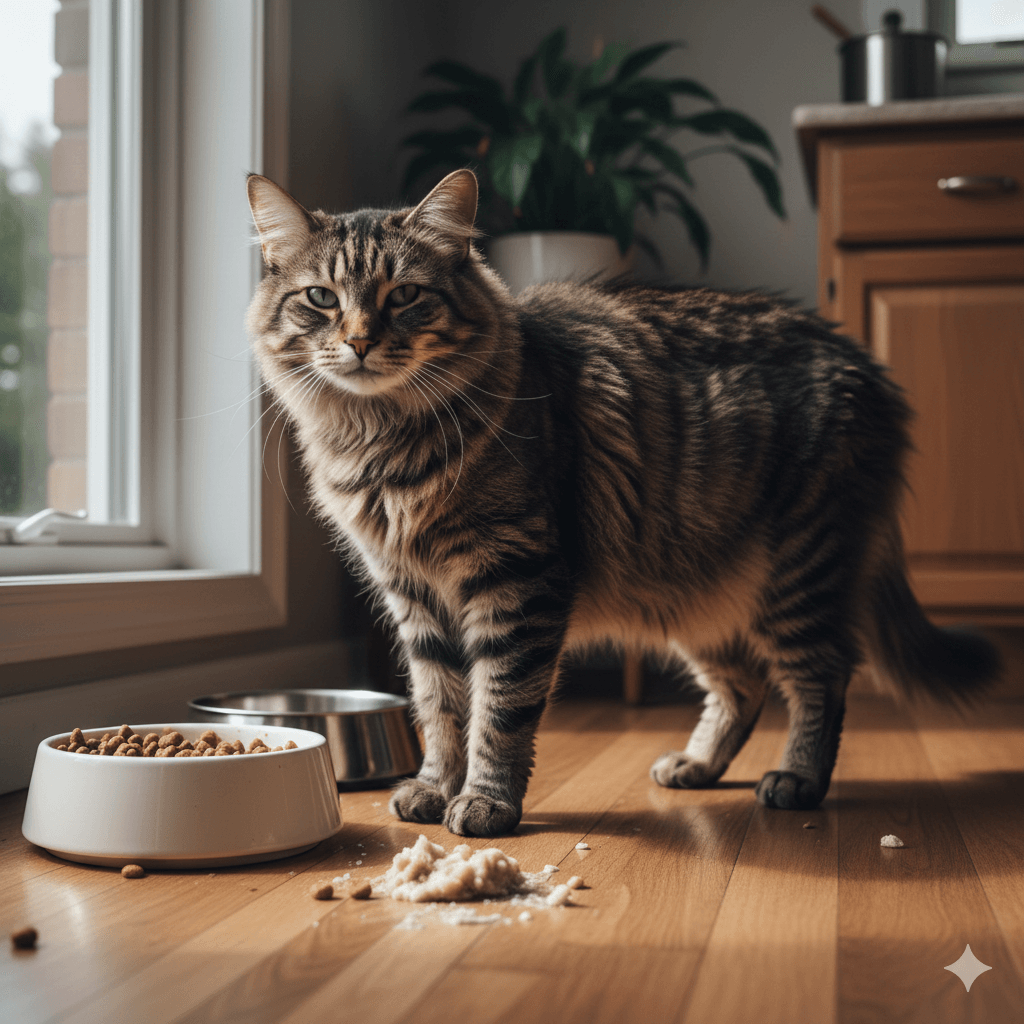
How EPI Affects Digestion in Cats
Exocrine Pancreatic Insufficiency disrupts the normal digestive process by impairing enzyme production, which is essential for breaking down food. Without these enzymes, cats cannot efficiently absorb nutrients, leading to systemic issues. Understanding how EPI impacts digestion highlights the importance of enzyme supplementation and dietary adjustments.
- Role of Pancreatic Enzymes:
Pancreatic enzymes like lipase, protease, and amylase break down fats, proteins, and carbohydrates, respectively. In EPI, the absence of these enzymes results in undigested food passing through the intestines. - Fat Malabsorption:
Fats are particularly difficult to digest without lipase, leading to greasy, oily stools and a lack of essential fatty acids necessary for skin and coat health. - Protein Deficiency:
Undigested proteins contribute to muscle wasting and weakened immune function, making cats more susceptible to infections and illnesses. - Carbohydrate Fermentation:
Unabsorbed carbohydrates ferment in the gut, producing excess gas and contributing to bloating and discomfort. - Nutrient Starvation at the Cellular Level:
Even if a cat eats enough, the body’s cells remain deprived of vital nutrients, leading to systemic weakness, fatigue, and organ dysfunction over time.
Understanding these mechanisms underscores the need for enzyme replacement therapy and tailored nutrition plans to support cats with EPI effectively.
Check this guide 👉Whipworms Symptoms in Cats: Best 7 Expert Tips!
Check this guide 👉Sarcoptic Mange in Cats: Best 7 Expert Tips!
Check this guide 👉Collapsed Trachea in Cats: Best 7 Expert Tips!
Causes Behind Exocrine Pancreatic Insufficiency in Cats
While Exocrine Pancreatic Insufficiency is less common in cats than in dogs, certain factors can predispose felines to this condition. Identifying potential causes helps veterinarians tailor treatment plans and address underlying issues.
- Pancreatic Acinar Atrophy:
This degenerative condition involves the gradual loss of pancreatic enzyme-producing cells, though it’s less common in cats compared to dogs. - Chronic Pancreatitis:
Long-term inflammation of the pancreas damages enzyme-producing tissues, impairing its ability to function properly. - Genetic Predisposition:
Certain breeds, like Siamese cats, may have a higher risk of developing EPI due to inherited pancreatic abnormalities. - Neoplasia or Tumors:
Pancreatic tumors can interfere with enzyme production, leading to secondary EPI in affected cats. - Idiopathic Cases:
In some instances, the exact cause remains unknown, requiring veterinarians to focus solely on symptom management.
Pinpointing the root cause, when possible, aids in creating a comprehensive treatment strategy that addresses both EPI and any coexisting conditions.
Diagnostic Process for EPI in Cats
Diagnosing Exocrine Pancreatic Insufficiency requires a combination of clinical evaluation, laboratory tests, and exclusion of other diseases. Veterinarians use specific diagnostic tools to confirm EPI and differentiate it from similar conditions.
- Clinical History and Physical Exam:
Veterinarians assess symptoms like weight loss, diarrhea, and poor coat condition while palpating the abdomen for abnormalities. - Fecal Tests:
Fecal elastase testing measures enzyme levels in stool samples; low levels indicate pancreatic insufficiency. - Blood Work:
Routine blood panels help evaluate overall health and rule out conditions like diabetes or liver disease. - Imaging Studies:
Ultrasound imaging may reveal structural changes in the pancreas, such as atrophy or inflammation, supporting the diagnosis. - Trial Treatment Response:
In ambiguous cases, veterinarians may initiate enzyme supplementation to observe improvements in symptoms, confirming EPI indirectly.
Accurate diagnosis ensures appropriate treatment and avoids unnecessary interventions for unrelated conditions.
Treatment Options for Managing Feline EPI
Managing Exocrine Pancreatic Insufficiency in cats focuses on enzyme replacement therapy, dietary modifications, and addressing secondary complications. A multimodal approach improves digestion and restores nutrient balance.
- Pancreatic Enzyme Supplements:
Powdered or capsule forms of porcine-derived enzymes mimic natural pancreatic function, aiding in the breakdown of food. - High-Quality Diet:
Easily digestible, high-calorie diets rich in proteins and fats support recovery and meet increased nutritional demands. - Prebiotics and Probiotics:
These supplements promote gut health and microbial balance, reducing symptoms like gas and bloating. - Vitamin and Mineral Supplementation:
Cats with EPI often suffer from deficiencies in fat-soluble vitamins (A, D, E, K), requiring targeted supplementation. - Regular Monitoring:
Frequent vet visits ensure treatment efficacy and allow adjustments based on ongoing symptom evaluation.
Consistent adherence to the prescribed regimen maximizes quality of life for cats living with EPI.
Long-Term Management of Feline EPI
Managing Exocrine Pancreatic Insufficiency is an ongoing process that requires vigilance and adaptability. Long-term strategies focus on maintaining digestive health and preventing complications.
- Enzyme Dosage Adjustments:
Enzyme requirements may change over time; periodic reassessment ensures optimal dosing for sustained improvement. - Dietary Consistency:
Maintaining a consistent diet minimizes stress on the digestive system and prevents flare-ups of symptoms. - Hydration Support:
Dehydration can exacerbate EPI symptoms; ensuring adequate water intake or administering subcutaneous fluids as needed is critical. - Monitoring Secondary Conditions:
Conditions like IBD or bacterial overgrowth often accompany EPI; managing these simultaneously improves overall outcomes. - Owner Education:
Teaching owners about EPI, its progression, and treatment protocols empowers them to provide the best care for their cat.
A proactive approach ensures cats with EPI enjoy a comfortable and fulfilling life despite the chronic nature of the condition.
Preventing Misdiagnosis and Overlooking EPI
Exocrine Pancreatic Insufficiency shares symptoms with other gastrointestinal disorders, making it easy to misdiagnose. Awareness of these overlaps helps veterinarians and owners avoid delays in proper treatment.
- Differentiating from IBD:
Inflammatory Bowel Disease also causes diarrhea and weight loss but responds differently to treatments like corticosteroids. - Ruling Out Food Allergies:
Food intolerances can mimic EPI symptoms; elimination diets help identify whether allergens are the culprit. - Avoiding Antibiotic Overuse:
Antibiotics prescribed for suspected bacterial overgrowth may mask EPI symptoms without addressing the root issue. - Considering Concurrent Diseases:
Conditions like diabetes or hyperthyroidism require separate management alongside EPI for comprehensive care. - Advocating for Further Testing:
If initial treatments fail, pursuing advanced diagnostics like fecal elastase testing ensures EPI isn’t overlooked.
Thorough investigation and perseverance lead to accurate diagnoses and effective long-term solutions for cats with EPI.
“Exocrine pancreatic insufficiency (EPI) is a syndrome caused by insufficient synthesis and secretion of digestive enzymes by the exocrine portion of the pancreas.”
— Jörg M. Steiner
Frequently Asked Questions About Exocrine Pancreatic Insufficiency in Cats
Can EPI in cats be cured?
EPI is not curable but can be managed effectively with enzyme replacement therapy and dietary adjustments, allowing cats to live comfortably.
How long does it take to see improvement with treatment?
Most cats show improvement within days to weeks after starting enzyme supplements and dietary changes, though full recovery may take longer.
Are certain cat breeds more prone to EPI?
While EPI is rare in cats, Siamese and other Oriental breeds may have a slightly higher predisposition due to genetic factors.
Can EPI lead to other health problems?
Yes, untreated EPI can cause malnutrition, vitamin deficiencies, and secondary conditions like bacterial overgrowth or IBD.
What should I do if my cat’s symptoms worsen?
Contact your veterinarian immediately; worsening symptoms may indicate an incorrect diagnosis or the need for treatment adjustments.
Supporting Your Cat Through Exocrine Pancreatic Insufficiency
Living with a cat diagnosed with Exocrine Pancreatic Insufficiency requires patience, dedication, and a proactive approach to their care. While EPI is a lifelong condition, modern treatments and dietary strategies offer excellent opportunities for managing symptoms and ensuring your cat thrives. By staying vigilant, working closely with your veterinarian, and providing consistent support, you give your feline companion the best chance at a happy, healthy life. Remember, every small effort you make reflects your unwavering love and commitment to their well-being—a bond that grows stronger through every challenge overcome together.

Is Rawhide Bad for Cats? Best 7 Expert Tips! – Discover the risks, safe alternatives, and expert advice to keep your feline friend healthy and happy.

Is Rawhide Bad for Dogs? Best 7 Expert Tips! – Discover the risks, benefits, and safer alternatives to rawhides for your dog’s chewing needs.

Understanding Anorexia in Cats: Best 7 Expert Tips! – Learn why cats stop eating, spot warning signs, and discover how to help your feline regain appetite safely.

Understanding Anorexia in Dogs: Best 7 Expert Tips! – Learn causes, symptoms, and solutions to help your dog regain appetite and stay healthy.