
Recognizing Cat Alopecia Symptoms: What Every Cat Owner Should Know
Alopecia in cats, or abnormal hair loss, can be a sign of underlying health issues that require attention. While some shedding is normal, excessive or patchy bald spots often indicate allergies, stress, or medical conditions. Understanding the symptoms helps you identify potential problems early and seek timely veterinary care for your feline companion.
Common Symptoms of Cat Alopecia
Cat alopecia manifests in various ways, depending on the underlying cause, and recognizing these symptoms early is crucial for effective treatment. Hair loss can range from mild thinning to complete baldness, often accompanied by secondary signs of discomfort or illness. Understanding the full spectrum of symptoms ensures you can differentiate normal shedding from pathological alopecia.
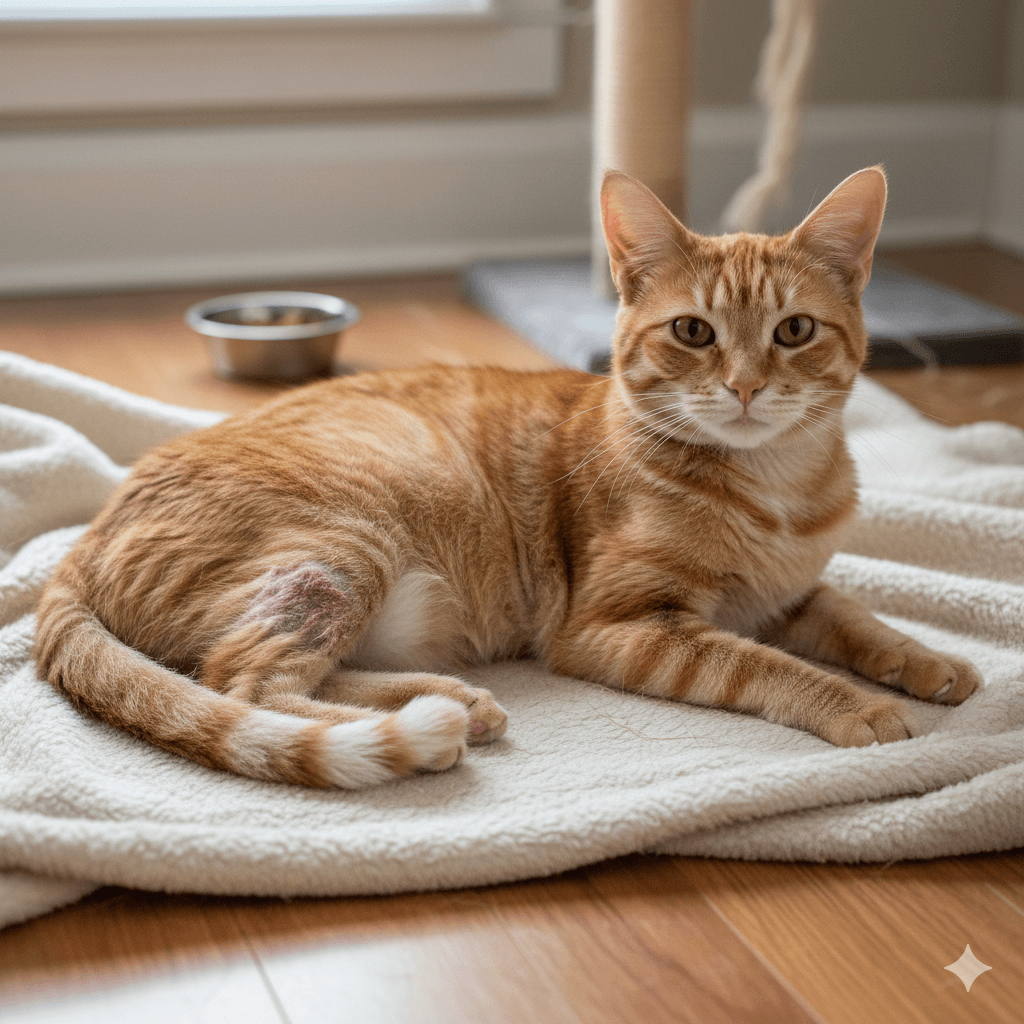
- Patchy Bald Spots:
Bald patches often appear on the abdomen, legs, or tail but can occur anywhere on the body; these areas may look inflamed or irritated. - Excessive Licking or Grooming:
Over-grooming is a common behavioral sign of alopecia; cats may obsessively lick, chew, or bite at their fur due to itching or anxiety. - Redness or Scabs on Skin:
Inflammation, scabs, or crusty lesions beneath the missing fur indicate infections, allergies, or parasitic infestations like fleas or mites. - Changes in Coat Texture:
The remaining fur may feel brittle, dull, or greasy, reflecting poor skin health or systemic issues affecting coat quality. - Behavioral Changes:
Increased irritability, restlessness, or hiding behaviors often accompany alopecia, as cats experience discomfort or stress from their condition.
These symptoms collectively paint a clearer picture of your cat’s health, guiding you toward appropriate veterinary care and interventions.
Causes of Alopecia in Cats
Alopecia in cats arises from a wide range of potential causes, each requiring specific diagnostic approaches and treatments. Identifying the root cause is essential for addressing not only the hair loss but also the underlying issue contributing to it.
- Allergies (Food or Environmental):
Dietary sensitivities or environmental allergens like pollen, dust mites, or mold trigger intense itching, leading to over-grooming and subsequent hair loss. - Parasitic Infestations:
Fleas, ticks, and mites such as those causing ringworm or mange irritate the skin, prompting excessive scratching and eventual alopecia. - Hormonal Imbalances:
Conditions like hyperthyroidism, Cushing’s disease, or low thyroid function disrupt hormone levels, affecting skin and coat health significantly. - Stress or Anxiety:
Psychogenic alopecia occurs when cats excessively groom themselves due to stressors like changes in routine, new pets, or household upheaval. - Underlying Medical Conditions:
Autoimmune diseases, cancer, or infections compromise the immune system, resulting in patchy hair loss and skin abnormalities.
Understanding these diverse triggers helps veterinarians tailor diagnostic tests and treatment plans effectively.
Check this guide 👉Megaesophagus Cat Symptoms: Best 7 Expert Tips!
Check this guide 👉Understanding Deer Tick on Cat Symptoms: Best 7 Expert Tips!
Check this guide 👉Traumatized Cat Symptoms: Best 7 Expert Tips!
| Possible Causes of Alopecia | Associated Symptoms to Watch For |
|---|---|
| Allergies (food or environmental) | Excessive licking, redness, itching, swelling |
| Parasitic infestations (fleas, mites, ringworm) | Scabs, crusty skin, patchy bald spots |
| Hormonal imbalances (thyroid issues, Cushing’s disease) | Thinning fur, dry or brittle coat, weight changes |
| Stress or anxiety (psychogenic alopecia) | Over-grooming, behavioral changes, hiding |
| Underlying medical conditions (autoimmune diseases, infections) | Fever, lethargy, systemic illness signs |
Diagnosing Cat Alopecia: What to Expect
Diagnosing alopecia involves a comprehensive approach to rule out various causes and pinpoint the exact issue affecting your cat. Veterinarians rely on detailed examinations and specialized tests to ensure accurate identification of the problem.
- Physical Examination:
The vet inspects the pattern and location of hair loss, looking for clues about potential causes like parasites, allergies, or trauma. - Skin Scrapings and Biopsies:
Microscopic analysis of skin samples detects mites, fungal infections, or abnormal cell activity indicative of autoimmune disorders. - Blood Tests:
Comprehensive blood work evaluates hormone levels, organ function, and presence of systemic illnesses contributing to alopecia. - Dietary Elimination Trials:
If food allergies are suspected, a controlled diet with novel proteins helps identify offending ingredients triggering the condition. - Allergy Testing:
Intradermal or serum allergy tests determine environmental or contact allergens responsible for chronic itching and hair loss.
This thorough diagnostic process ensures that treatment addresses both the symptoms and the root cause of alopecia.
Treatment Options for Cat Alopecia
Treating alopecia depends on the underlying cause, and veterinarians customize therapies to suit each cat’s unique needs. Effective management restores skin health and promotes regrowth of lost fur over time.
- Medicated Shampoos and Topical Treatments:
Antifungal or antibacterial shampoos soothe irritated skin, reduce inflammation, and eliminate parasites causing hair loss. - Oral Medications:
Antibiotics, antihistamines, or corticosteroids target infections, allergic reactions, or severe inflammation impacting the skin and coat. - Hormone Therapy:
For hormonal imbalances, medications like methimazole or synthetic thyroid hormones regulate internal systems and improve coat quality. - Behavioral Interventions:
If stress-induced grooming is the culprit, calming aids, environmental enrichment, or pheromone diffusers help reduce compulsive behaviors. - Nutritional Supplements:
Omega-3 fatty acids, vitamins, and minerals support skin repair and enhance overall coat health during recovery.
Consistent follow-up ensures treatments remain effective and adjustments are made as needed.
Preventing Future Episodes of Alopecia
Prevention plays a critical role in managing recurrent alopecia and maintaining your cat’s long-term well-being. Proactive measures minimize exposure to known triggers and promote optimal skin and coat health.
- Regular Parasite Control:
Monthly flea and tick preventatives protect against infestations that irritate the skin and lead to hair loss. - Balanced Diet and Nutrition:
High-quality, hypoallergenic diets rich in essential nutrients prevent deficiencies linked to poor coat condition and alopecia. - Minimizing Stressors:
Creating a stable, predictable environment reduces anxiety-related grooming behaviors and supports mental health. - Routine Vet Check-Ups:
Annual wellness exams detect early signs of alopecia or underlying conditions before they escalate into major problems. - Grooming Practices:
Regular brushing removes loose hair, prevents matting, and distributes natural oils evenly across the coat for improved resilience.
These strategies foster a healthier lifestyle and reduce the likelihood of future alopecia flare-ups.
Long-Term Management of Chronic Alopecia
For cats with chronic or recurring alopecia, ongoing management focuses on maintaining comfort, monitoring progress, and adapting care routines as needed. Long-term commitment ensures sustained improvement in skin and coat health.
- Continuous Monitoring:
Track changes in hair growth, skin texture, or behavior to identify emerging issues requiring attention promptly. - Adjusting Treatments:
As your cat’s condition evolves, medications or therapies may need modification to maintain effectiveness and avoid side effects. - Environmental Modifications:
Using air purifiers, hypoallergenic bedding, or protective clothing minimizes exposure to allergens and irritants. - Supportive Care Products:
Supplements, moisturizers, or specialized grooming tools aid in maintaining healthy skin and encouraging fur regrowth. - Emotional Well-Being:
Providing interactive toys, safe spaces, and consistent routines reduces stress, which can exacerbate alopecia symptoms.
With dedication and vigilance, chronic alopecia becomes manageable, allowing your cat to live comfortably despite its challenges.
Special Considerations for High-Risk Cats
Certain cats face higher risks of developing alopecia due to breed predispositions, age-related factors, or preexisting health conditions. Tailoring care specifically to these groups improves outcomes and prevents complications.
- Hairless Breeds (e.g., Sphynx):
These breeds require meticulous skincare to prevent irritation, sunburn, or infections that could worsen alopecia symptoms. - Senior Cats:
Older cats are more prone to hormonal imbalances, arthritis, or cognitive decline, all of which contribute to stress-related or medical alopecia. - Overweight or Obese Cats:
Excess weight limits mobility, making grooming difficult and increasing the risk of matting, sores, and subsequent hair loss. - Immunocompromised Cats:
Weakened immune systems leave cats vulnerable to infections, parasites, or autoimmune diseases that manifest as alopecia. - Brachycephalic Breeds:
Flat-faced cats like Persians struggle with grooming hard-to-reach areas, necessitating owner assistance to prevent overgrowth or irritation.
Understanding breed-specific nuances ensures targeted prevention and prompt intervention during alopecia episodes.
“Inflammation, skin color change, scaling, thickening or redness of the skin, excessive shedding, and itching are common”
– Karen A. Moriello, DVM, DACVD
Frequently Asked Questions About Cat Alopecia Symptoms
What causes sudden hair loss in cats?
Sudden alopecia can result from allergies, parasites, hormonal imbalances, or stress-related over-grooming; a vet visit is essential to identify the cause.
Is cat alopecia contagious to other pets?
Most cases of alopecia are not contagious, but conditions like ringworm (a fungal infection) can spread to other animals or humans if left untreated.
Can diet affect my cat’s coat and lead to alopecia?
Yes—nutritional deficiencies or food allergies can compromise skin health, leading to excessive shedding or bald patches.
How long does it take for a cat’s fur to grow back?
Regrowth depends on the underlying cause; with proper treatment, fur may return within weeks to months, but chronic conditions may delay recovery.
When should I see a vet for my cat’s hair loss?
Consult a vet immediately if hair loss is accompanied by redness, scabs, behavioral changes, or systemic symptoms like lethargy or weight loss.
A Lifeline in Every Moment of Crisis
Cat alopecia is more than just a cosmetic concern—it’s a window into your feline companion’s overall health and well-being. By recognizing symptoms early, understanding potential causes, and seeking veterinary guidance, you empower yourself to provide the best care possible. Whether addressing allergies, parasites, or emotional stressors, every step you take strengthens the bond between you and your cat. Remember, their comfort and happiness depend on your vigilance and love—a commitment that ensures they thrive despite challenges.

Is Rawhide Bad for Cats? Best 7 Expert Tips! – Discover the risks, safe alternatives, and expert advice to keep your feline friend healthy and happy.

Is Rawhide Bad for Dogs? Best 7 Expert Tips! – Discover the risks, benefits, and safer alternatives to rawhides for your dog’s chewing needs.

Understanding Anorexia in Cats: Best 7 Expert Tips! – Learn why cats stop eating, spot warning signs, and discover how to help your feline regain appetite safely.

Understanding Anorexia in Dogs: Best 7 Expert Tips! – Learn causes, symptoms, and solutions to help your dog regain appetite and stay healthy.