
Understanding Cat Infectious Diseases: A Comprehensive Guide
Infectious diseases in cats can range from mild to life-threatening, often spreading rapidly if left unchecked. These illnesses are caused by viruses, bacteria, fungi, or parasites and can affect cats of all ages and breeds. Recognizing the signs early and understanding preventive measures is crucial for ensuring your feline companion’s long-term health and well-being.
Common Infectious Diseases in Cats
Cats are susceptible to a variety of infectious diseases, many of which are highly contagious and can spread quickly in multi-cat households or shelters. Understanding the most common illnesses helps you identify symptoms early and take preventive measures. These diseases often require veterinary intervention to manage effectively and prevent complications.
- Feline Panleukopenia (FPV):
Also known as feline distemper, this viral disease attacks rapidly dividing cells, particularly in the intestines, bone marrow, and lymph nodes. Symptoms include severe vomiting, diarrhea, dehydration, and fever. Kittens and unvaccinated cats are at the highest risk, and mortality rates can be alarmingly high without prompt treatment. - Feline Immunodeficiency Virus (FIV):
Similar to HIV in humans, FIV weakens a cat’s immune system over time, making them vulnerable to secondary infections. The virus is primarily transmitted through deep bite wounds during fights, so outdoor cats are more prone. Infected cats may appear healthy for years before showing signs like weight loss, chronic infections, or dental issues. - Feline Leukemia Virus (FeLV):
FeLV is another retrovirus that suppresses the immune system and increases cancer risk. It spreads through saliva, nasal secretions, urine, or milk from infected mothers. Symptoms vary widely but often include lethargy, poor coat condition, persistent fever, and swollen lymph nodes. Vaccination and testing are critical for prevention. - Upper Respiratory Infections (URI):
Caused by viruses like feline herpesvirus and calicivirus, URIs are akin to human colds. Symptoms include sneezing, nasal discharge, watery eyes, coughing, and difficulty breathing. Stress, overcrowding, and poor ventilation exacerbate outbreaks, especially in shelters. While mild cases resolve on their own, severe infections need supportive care. - Ringworm:
Despite its name, ringworm is a fungal infection rather than a parasite. It causes circular patches of hair loss, scaly skin, and itching. Highly contagious, it spreads through direct contact or contaminated objects like bedding or grooming tools. Treatment involves antifungal medications, environmental decontamination, and isolation to prevent spreading.
Early detection and proper hygiene practices are essential to managing these diseases and protecting your cat’s health.
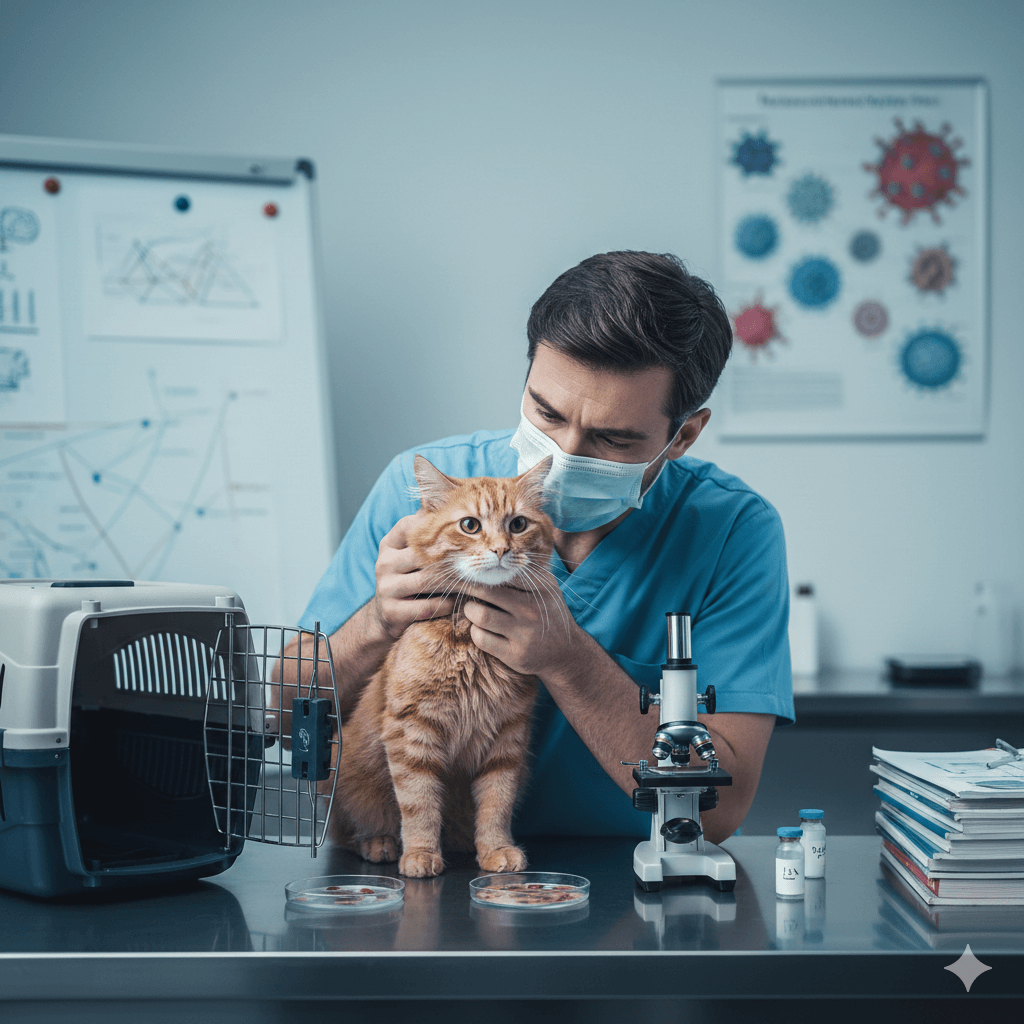
How Infectious Diseases Spread Among Cats
Understanding how infectious diseases spread is key to preventing outbreaks in homes, shelters, or communities. Pathogens can travel through direct contact, shared environments, or even indirectly via fomites (contaminated objects). Recognizing transmission routes allows you to implement effective control measures.
- Direct Contact Transmission:
Many pathogens spread through close interactions, such as grooming, fighting, or mating. For example, FeLV and FIV are commonly transmitted via saliva during aggressive encounters or shared food bowls. Keeping infected cats isolated minimizes risks. - Airborne Transmission:
Viruses causing upper respiratory infections thrive in poorly ventilated spaces. Sneezing releases droplets containing pathogens into the air, which other cats inhale. Shelters with inadequate airflow often see rapid URI outbreaks among residents. - Vector-Borne Diseases:
Parasites like fleas, ticks, and mosquitoes act as carriers for diseases such as bartonellosis (cat scratch fever) or heartworm. Controlling external parasites through regular treatments prevents these illnesses. - Contaminated Environments:
Shared litter boxes, bedding, toys, or water dishes harbor pathogens like ringworm spores or panleukopenia virus. Regular cleaning and disinfection reduce contamination risks significantly. - Mother-to-Kitten Transmission:
Some diseases pass vertically from an infected mother to her kittens. FeLV, for instance, can transmit through milk, while panleukopenia infects unborn kittens in utero. Screening breeding cats ensures healthier litters.
By addressing these transmission routes, you create safer environments for your cats and reduce the likelihood of widespread infections.
Check this guide 👉Can a Cat Get a Yeast Infection? Best 7 Expert Tips!
Check this guide 👉Yeast Infection on Cat Belly: Best 7 Expert Tips!
Check this guide 👉Cat Ear Infection vs Yeast Infection: Best 7 Expert Tips!
| Preventive Measures | Treatment Options |
|---|---|
| Regular vaccinations | Antiviral medications for viral infections |
| Parasite control treatments | Antibiotics for secondary bacterial infections |
| Quarantine new cats | Supportive care (fluid therapy, nutritional support) |
| Hygiene practices (clean bowls, litter boxes) | Antifungal treatments for ringworm or other fungal infections |
| Limit outdoor access | Vaccination boosters to prevent future outbreaks |
Symptoms of Infectious Diseases in Cats
Recognizing symptoms early is crucial for timely diagnosis and treatment. Since many infectious diseases share overlapping signs, observing behavioral changes and physical cues provides valuable insights. Early intervention improves outcomes and reduces discomfort for your cat.
- Lethargy and Weakness:
Infected cats often exhibit reduced energy levels, spending more time sleeping or avoiding play. This is one of the earliest indicators of systemic illness. - Loss of Appetite and Weight Loss:
A sudden refusal to eat or noticeable weight loss signals underlying health issues. Conditions like FeLV or FIV often manifest with appetite suppression. - Respiratory Symptoms:
Sneezing, coughing, nasal congestion, or eye discharge point to upper respiratory infections. Persistent or worsening symptoms warrant veterinary attention. - Gastrointestinal Issues:
Diarrhea, vomiting, or constipation accompany diseases like panleukopenia or parasitic infections. Dehydration from prolonged GI upset becomes life-threatening if untreated. - Skin Lesions and Hair Loss:
Fungal infections like ringworm cause visible skin changes, including redness, scaling, and bald patches. Scratching or excessive grooming indicates irritation.
Monitoring these signs closely enables swift action, ensuring your cat receives the care they need before complications arise.
Diagnosis of Cat Infectious Diseases
Accurate diagnosis requires a combination of clinical evaluation, laboratory tests, and sometimes imaging studies. Veterinarians rely on various methods to pinpoint the exact pathogen causing your cat’s illness. Early confirmation guides appropriate treatment plans.
- Physical Examination:
The vet assesses overall health, checking for fever, dehydration, enlarged lymph nodes, or abnormal lung sounds. A thorough exam provides initial clues about potential diseases. - Blood Tests:
Complete blood counts (CBC) and serum biochemistry panels detect abnormalities like anemia, low white blood cell counts, or organ dysfunction indicative of specific infections. - PCR Testing:
Polymerase chain reaction (PCR) identifies genetic material of viruses like FeLV, FIV, or herpesvirus. This highly sensitive test confirms active infections even in asymptomatic carriers. - Fecal Analysis:
Examining stool samples under a microscope reveals parasites, eggs, or bacteria responsible for gastrointestinal symptoms. Regular fecal screenings are recommended for outdoor cats. - Skin Scrapings and Cultures:
For suspected fungal infections, vets perform skin scrapings or fungal cultures to confirm ringworm or other dermatological conditions. Results guide targeted antifungal therapies.
Comprehensive diagnostics ensure precise identification of pathogens, enabling tailored interventions for your cat’s recovery.
Treatment Options for Cat Infectious Diseases
Treatment varies depending on the type and severity of the disease but generally focuses on alleviating symptoms, supporting immune function, and eliminating pathogens. Veterinary guidance is essential to determine the best course of action.
- Antiviral Medications:
For viral infections like feline herpesvirus, antivirals such as famciclovir help manage symptoms and shorten recovery times. Chronic conditions like FIV focus on supportive care instead. - Antibiotics:
Secondary bacterial infections often accompany viral illnesses. Broad-spectrum antibiotics treat complications like pneumonia or skin abscesses, though misuse contributes to resistance. - Supportive Care:
Fluid therapy, nutritional support, and pain management stabilize severely ill cats. Hospitalization may be necessary for intensive monitoring and treatment. - Antifungal Treatments:
Oral medications like itraconazole or topical creams address ringworm infections. Environmental cleaning complements therapy to prevent reinfection. - Vaccinations and Boosters:
Preventive vaccines protect against diseases like panleukopenia, FeLV, and URIs. Keeping vaccinations up-to-date reduces susceptibility to outbreaks.
Tailored treatment plans improve recovery chances and minimize long-term impacts on your cat’s health.
Prevention Strategies for Cat Infectious Diseases
Preventing infectious diseases involves a combination of vaccination, hygiene, and lifestyle adjustments. Proactive measures safeguard your cat’s health and reduce exposure risks significantly.
- Regular Vaccinations:
Core vaccines protect against panleukopenia, herpesvirus, and calicivirus. Non-core vaccines like FeLV are recommended based on lifestyle factors. - Routine Parasite Control:
Monthly flea, tick, and worm preventatives keep parasites at bay, reducing vector-borne disease risks. Consult your vet for safe, effective options. - Quarantine New Cats:
Isolate new arrivals for at least two weeks to monitor for latent infections before introducing them to resident pets. - Hygiene Practices:
Disinfect litter boxes, food bowls, and bedding regularly. Wash hands after handling sick cats to avoid cross-contamination. - Limit Outdoor Access:
Outdoor cats face higher exposure risks to pathogens and vectors. Supervised playtime or secure enclosures balance safety and enrichment needs.
Consistent preventive efforts create a protective barrier against infectious diseases, keeping your cat healthy and happy.
Long-Term Management of Chronic Infectious Diseases
Some infectious diseases, like FIV or FeLV, require lifelong management due to their impact on immune function. While these conditions cannot be cured, proper care extends your cat’s lifespan and enhances quality of life.
- Regular Veterinary Check-Ups:
Frequent exams monitor disease progression and catch secondary infections early. Blood work tracks immune status and organ function. - Balanced Nutrition:
High-quality diets rich in antioxidants, vitamins, and omega fatty acids support immunity and overall well-being. Avoid raw foods to prevent additional infections. - Stress Reduction:
Minimizing stress strengthens immune resilience. Provide quiet, predictable environments and engage in gentle interactive play. - Isolation Protocols:
Keep FIV-positive or FeLV-infected cats separate from healthy ones to prevent transmission. Shared spaces increase risks for unaffected housemates. - Palliative Care:
As diseases progress, focus shifts to comfort measures like pain relief, hydration support, and compassionate end-of-life planning when needed.
With dedication and informed care, chronically ill cats can live fulfilling lives despite their diagnoses.
“Infectious diseases are conditions caused by pathogens, including viruses, bacteria, and parasites. Learn about some of the common infectious diseases that strike cats and how you can protect your friend from these tiny foes.”
– Cornell Feline Health Center
Frequently Asked Questions About Cat Infectious Diseases
What should I do if my cat shows signs of an infectious disease?
Isolate your cat immediately to prevent spreading the illness and contact your veterinarian for a thorough evaluation and treatment plan.
Are all cat infectious diseases contagious to humans?
Most feline infectious diseases are species-specific and cannot be transmitted to humans, but some (like ringworm or toxoplasmosis) can pose risks. Practice good hygiene to stay safe.
How effective are vaccines in preventing infectious diseases?
Vaccines are highly effective at preventing many serious illnesses, such as panleukopenia and FeLV, but they don’t guarantee 100% protection. Regular boosters and preventive care enhance immunity.
Can indoor cats get infectious diseases?
Yes—indoor cats can still contract diseases through contaminated items, parasites brought indoors, or exposure to infected animals during vet visits or boarding. Vaccinations remain essential.
Is there a cure for FIV or FeLV?
Unfortunately, no cure exists for FIV or FeLV, but supportive care and lifestyle adjustments help manage symptoms and extend lifespan significantly.
Supporting Your Cat Through Infectious Disease Challenges
Infectious diseases in cats may seem daunting, but knowledge and proactive care empower you to protect your feline companion effectively. Early recognition of symptoms, timely veterinary intervention, and consistent preventive measures form the foundation of safeguarding their health. While some conditions require lifelong management, modern veterinary medicine offers tools to ensure comfort and quality of life even for chronically ill cats. Remember, your dedication and vigilance make all the difference in helping your cat thrive despite challenges. With love, patience, and informed decisions, you create a safe haven where your furry friend can flourish for years to come.

Is Rawhide Bad for Cats? Best 7 Expert Tips! – Discover the risks, safe alternatives, and expert advice to keep your feline friend healthy and happy.

Is Rawhide Bad for Dogs? Best 7 Expert Tips! – Discover the risks, benefits, and safer alternatives to rawhides for your dog’s chewing needs.

Understanding Anorexia in Cats: Best 7 Expert Tips! – Learn why cats stop eating, spot warning signs, and discover how to help your feline regain appetite safely.

Understanding Anorexia in Dogs: Best 7 Expert Tips! – Learn causes, symptoms, and solutions to help your dog regain appetite and stay healthy.