
Recognizing Whipworms Symptoms in Cats
Whipworms, though less common in cats than in dogs, can still pose a significant health risk if left untreated. These parasitic worms reside in the large intestine, causing irritation and discomfort that may escalate into more severe issues. Early detection of symptoms is crucial for effective treatment and ensuring your feline friend stays healthy and happy.
Common Symptoms of Whipworms in Cats
Whipworms can be tricky to detect in cats, as their symptoms often mimic other gastrointestinal issues. However, recognizing the warning signs early is essential for timely diagnosis and treatment. These parasites primarily affect the large intestine, leading to a range of symptoms that worsen if left untreated.
- Diarrhea with Mucus or Blood:
Infected cats often experience loose stools, sometimes accompanied by mucus or streaks of blood due to intestinal inflammation caused by whipworms. This symptom is one of the most noticeable indicators of a parasitic infection. - Weight Loss Despite Normal Appetite:
Even if your cat continues to eat regularly, whipworms interfere with nutrient absorption in the intestines, leading to unexplained weight loss over time. - Lethargy and Weakness:
The constant strain on your cat’s digestive system drains their energy levels, making them less active and more prone to resting excessively throughout the day. - Abdominal Pain or Discomfort:
Cats may exhibit signs of discomfort, such as vocalizing, restlessness, or reluctance to be touched around the belly area, indicating irritation from whipworm activity. - Anemia in Severe Cases:
Heavy infestations can cause blood loss in the intestines, leading to anemia. Pale gums, weakness, and difficulty breathing are red flags that require immediate veterinary attention.
While these symptoms may overlap with other conditions, persistent or worsening signs should prompt a vet visit to rule out whipworms or other parasites.
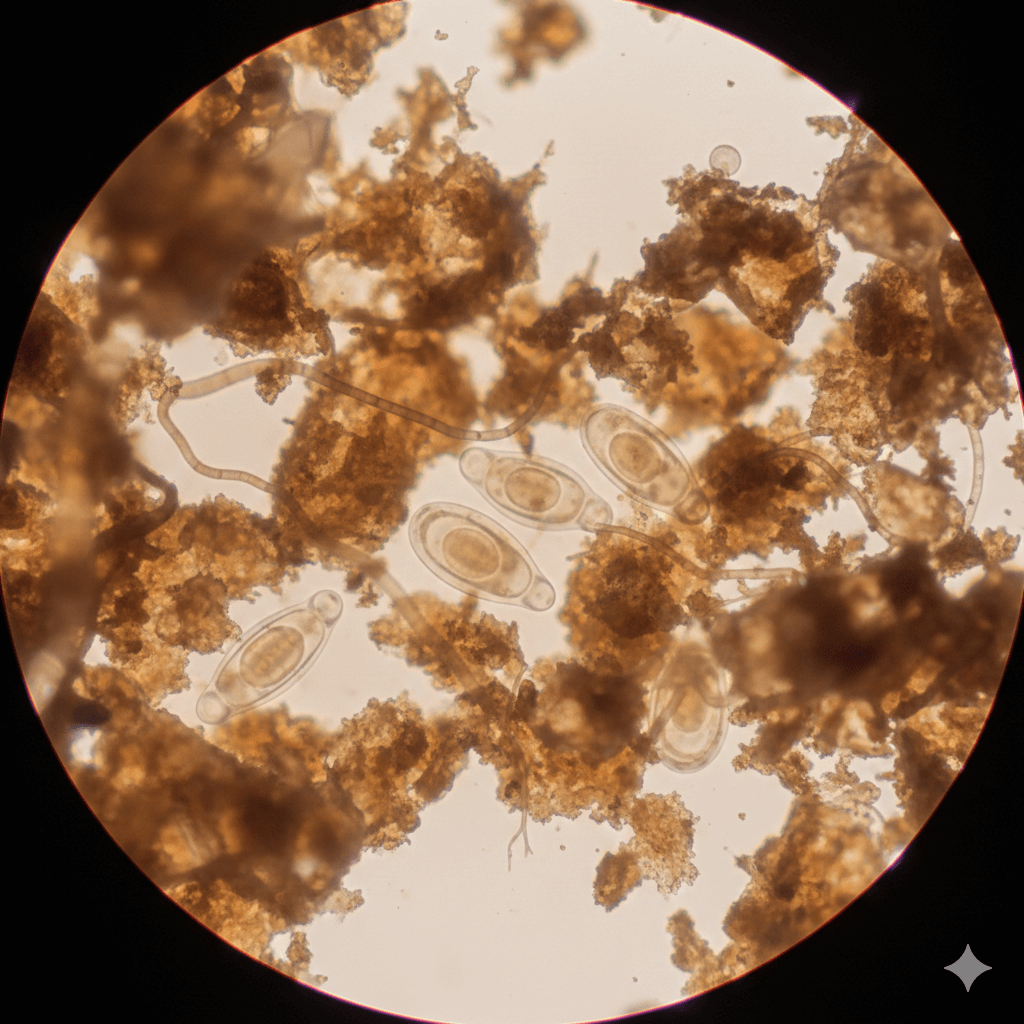
How Whipworms Infect Cats
Understanding how whipworms infect cats is crucial for prevention and early detection. These parasites have a unique lifecycle that allows them to thrive in feline hosts, making them a persistent threat if not addressed promptly.
- Ingestion of Contaminated Soil:
Whipworm eggs are shed in the feces of infected animals and can survive in soil for years. Cats become infected by grooming themselves after contact with contaminated dirt or grass. - Indoor Cats Are Not Immune:
Even indoor cats can contract whipworms if they come into contact with contaminated items like shoes, clothing, or potted plants brought inside. - Eggs Hatch in the Intestine:
Once ingested, whipworm eggs hatch in the small intestine, where larvae mature and migrate to the large intestine, attaching themselves to the intestinal lining. - Reproductive Cycle Continues:
Adult whipworms lay eggs that pass through the feces, perpetuating the cycle and increasing the risk of environmental contamination. - Latent Infections Can Occur:
Some cats may carry whipworms without showing symptoms initially, only developing issues when their immune system becomes compromised.
By understanding this lifecycle, you can take proactive steps to minimize exposure risks and protect your cat from infection.
Check this guide 👉Cat Worms Identify: Best 7 Health Tips!
Check this guide 👉Can I Get Hookworms from My Cat? Best 7 Expert Tips!
Check this guide 👉Understanding Lungworm in Cats: Best 7 Expert Tips!
| Preventive Measures | Treatment Options |
|---|---|
| Regular deworming protocols | Prescription dewormers (e.g., fenbendazole) |
| Maintain clean litter boxes | Repeat treatments as recommended by vet |
| Limit outdoor exposure | Supportive care for dehydration or anemia |
| Practice good hygiene | Environmental cleaning to prevent reinfection |
| Use monthly parasite preventatives | Monitor recovery with follow-up vet visits |
Diagnosing Whipworms in Cats
Diagnosing whipworms in cats can be challenging due to their intermittent egg-laying patterns and subtle symptoms. Veterinarians rely on a combination of clinical evaluation and diagnostic tests to confirm the presence of these parasites.
- Fecal Flotation Tests:
This common test detects whipworm eggs in stool samples, though false negatives are possible if the worms aren’t actively shedding eggs during testing. - Repeated Testing May Be Necessary:
Due to the irregular egg-laying behavior of whipworms, multiple fecal exams over several weeks may be required for accurate diagnosis. - Physical Examination Findings:
Vets look for signs of dehydration, weight loss, abdominal tenderness, or pale gums that could indicate whipworm-related complications. - Blood Tests for Anemia:
Severe infestations may lead to anemia, which can be confirmed through blood work showing reduced red blood cell counts. - Exclusion of Other Conditions:
Symptoms like diarrhea or lethargy can stem from various causes, so vets rule out other illnesses before confirming whipworm infection.
Accurate diagnosis ensures targeted treatment, preventing unnecessary delays in addressing whipworm-related health issues.
Treatment Options for Whipworms in Cats
Treating whipworms in cats involves eliminating the parasites, alleviating symptoms, and preventing reinfection. Modern veterinary medicine offers effective solutions, but consistency and follow-up care are key to success.
- Deworming Medications:
Prescription dewormers containing fenbendazole or milbemycin oxime target whipworms at all stages of their lifecycle, ensuring thorough eradication. - Repeat Treatments Are Essential:
Because whipworm eggs can survive in the environment, repeated doses are often necessary to address reinfestation from residual eggs hatching later. - Supportive Care for Recovery:
Cats suffering from dehydration, anemia, or malnutrition may need IV fluids, dietary supplements, or iron therapy to restore their health fully. - Environmental Cleaning:
Thoroughly cleaning litter boxes, bedding, and areas where your cat spends time reduces the risk of reinfection from lingering whipworm eggs. - Preventive Measures Post-Treatment:
Monthly parasite preventatives help safeguard against future whipworm infections, especially for outdoor or high-risk cats.
Comprehensive treatment plans ensure complete recovery while minimizing the chances of recurrence.
Preventing Whipworm Infestations in Cats
Prevention is always better than cure when it comes to whipworms. Implementing simple yet effective strategies protects your cat from these troublesome parasites and keeps their environment safe.
- Regular Deworming Protocols:
Administer veterinarian-recommended dewormers periodically, even if your cat shows no symptoms, to eliminate any potential whipworm presence. - Maintain Clean Litter Boxes:
Frequent cleaning and disinfecting of litter boxes prevent whipworm eggs from spreading to other pets or contaminating surfaces. - Limit Outdoor Exposure:
Restricting outdoor access reduces the likelihood of your cat encountering contaminated soil or feces harboring whipworm eggs. - Practice Good Hygiene:
Wash hands thoroughly after handling soil, gardening, or interacting with unfamiliar animals to avoid bringing whipworm eggs indoors. - Use Monthly Parasite Preventatives:
Broad-spectrum preventatives targeting multiple parasites, including whipworms, provide ongoing protection and peace of mind.
A proactive approach significantly lowers the risk of whipworm infestations, keeping your cat healthy and parasite-free.
Long-Term Effects of Untreated Whipworms
If whipworms go untreated, they can lead to serious long-term consequences for your cat’s health. Chronic infections weaken the body and compromise overall well-being, underscoring the importance of timely intervention.
- Chronic Gastrointestinal Issues:
Prolonged whipworm infestations damage the intestinal lining, causing persistent diarrhea, vomiting, or inflammatory bowel disease-like symptoms. - Nutritional Deficiencies:
Impaired nutrient absorption results in deficiencies that weaken the immune system and hinder growth, particularly in kittens. - Severe Anemia:
Continuous blood loss in the intestines depletes red blood cells, leaving your cat weak, lethargic, and prone to secondary infections. - Increased Susceptibility to Other Diseases:
A compromised immune system makes cats more vulnerable to viral, bacterial, or fungal infections, compounding their health challenges. - Poor Quality of Life:
Untreated whipworms diminish your cat’s energy, appetite, and overall happiness, affecting their ability to enjoy daily activities.
Addressing whipworms promptly prevents these long-term effects, ensuring your cat remains vibrant and healthy.
Managing Whipworms in Multi-Cat Households
In households with multiple cats, managing whipworms requires extra vigilance to prevent cross-contamination and outbreaks among pets. A strategic approach minimizes risks and maintains harmony within your feline family.
- Isolate Infected Cats Temporarily:
Separate infected cats during treatment to reduce the spread of whipworm eggs to other pets sharing the same space. - Coordinate Group Deworming:
Treat all cats simultaneously with appropriate dewormers, even if some show no symptoms, to eliminate hidden infections. - Deep Clean Shared Spaces:
Vacuum carpets, wash bedding, and disinfect surfaces regularly to remove whipworm eggs from shared living areas. - Monitor Litter Box Usage:
Assign separate litter boxes to each cat and clean them daily to prevent cross-contamination between pets. - Schedule Regular Vet Check-Ups:
Routine fecal exams and wellness visits ensure early detection of whipworms or other parasites in multi-cat households.
With careful management, you can protect all your cats from whipworms and maintain a harmonious, parasite-free home.
“Large infestations of whipworm can cause watery diarrhea, weight loss, and general debilitation.” – Krista Williams, BSc, DVM, CCRP
Frequently Asked Questions About Whipworms Symptoms in Cats
What are whipworms, and how do they affect cats?
Whipworms are parasitic worms that live in the large intestine of cats, causing irritation, diarrhea, and potential anemia if left untreated.
How can I tell if my cat has whipworms?
Look for symptoms like diarrhea (sometimes with blood), weight loss, lethargy, abdominal pain, or pale gums. A vet can confirm the diagnosis through fecal tests.
Can indoor cats get whipworms?
Yes, indoor cats can contract whipworms through contaminated soil on shoes, clothing, or potted plants brought inside.
Are whipworms contagious to other pets?
Whipworm eggs can spread to other animals through shared environments, so multi-pet households require extra vigilance to prevent cross-contamination.
How long does it take to treat whipworms in cats?
Treatment typically involves deworming medications and may take several weeks to months, depending on the severity of the infestation.
Supporting Your Cat Through Whipworm Recovery
Whipworms may seem daunting, but with early detection and proper care, your cat can recover fully and return to their playful, loving self. Understanding the symptoms, seeking timely veterinary intervention, and maintaining a clean environment are key steps in safeguarding your feline companion. Prevention is always the best defense—regular deworming, hygiene practices, and parasite preventatives ensure whipworms never become a recurring issue. By staying informed and proactive, you not only protect your cat’s health but also strengthen the bond you share. Remember, your dedication and quick response are the ultimate safeguards against whipworms and other threats to your cat’s well-being.

Is Rawhide Bad for Cats? Best 7 Expert Tips! – Discover the risks, safe alternatives, and expert advice to keep your feline friend healthy and happy.

Is Rawhide Bad for Dogs? Best 7 Expert Tips! – Discover the risks, benefits, and safer alternatives to rawhides for your dog’s chewing needs.

Understanding Anorexia in Cats: Best 7 Expert Tips! – Learn why cats stop eating, spot warning signs, and discover how to help your feline regain appetite safely.

Understanding Anorexia in Dogs: Best 7 Expert Tips! – Learn causes, symptoms, and solutions to help your dog regain appetite and stay healthy.