
Discovering the Chesapeake Bay Retriever: A True American Original
The Chesapeake Bay Retriever, often called the “Chessie,” is a rugged and versatile hunting dog bred to withstand harsh conditions. Known for their exceptional swimming skills and loyalty, these dogs thrive in active households where they can put their intelligence and stamina to work. Whether you’re an outdoors enthusiast or simply seeking a devoted companion, the Chessie’s unique blend of determination and affection makes them a standout breed.
Origins and History of the Chesapeake Bay Retriever
The Chesapeake Bay Retriever’s origins trace back to the early 19th century, making it one of America’s oldest native breeds. This hardy dog was developed specifically for retrieving waterfowl in the icy waters of the Chesapeake Bay. Their unique combination of strength, endurance, and waterproof coat made them indispensable to hunters braving harsh conditions. Understanding their history sheds light on their remarkable abilities and enduring popularity.
- Roots in Shipwreck Survivors:
Legend has it that the breed originated from two Newfoundland puppies rescued from a shipwreck off the Maryland coast in 1807. These dogs were crossed with local retrievers to create the Chessie’s foundation stock. - Development for Water Work:
Breeders selectively bred for traits like webbed feet, a dense double coat, and powerful muscles, enabling the dogs to retrieve ducks from icy waters effortlessly. - Recognition by Kennel Clubs:
The American Kennel Club officially recognized the Chesapeake Bay Retriever in 1878, solidifying its status as a distinct and valued breed. - Role in Hunting Culture:
For generations, Chessies have been prized by hunters for their ability to retrieve hundreds of birds daily without tiring—a testament to their stamina. - Modern-Day Versatility:
While still popular among hunters, Chessies today excel in various roles, including search-and-rescue, therapy work, and competitive sports like dock diving.
Their storied past reflects the breed’s resilience and adaptability, qualities that continue to endear them to dog lovers worldwide.
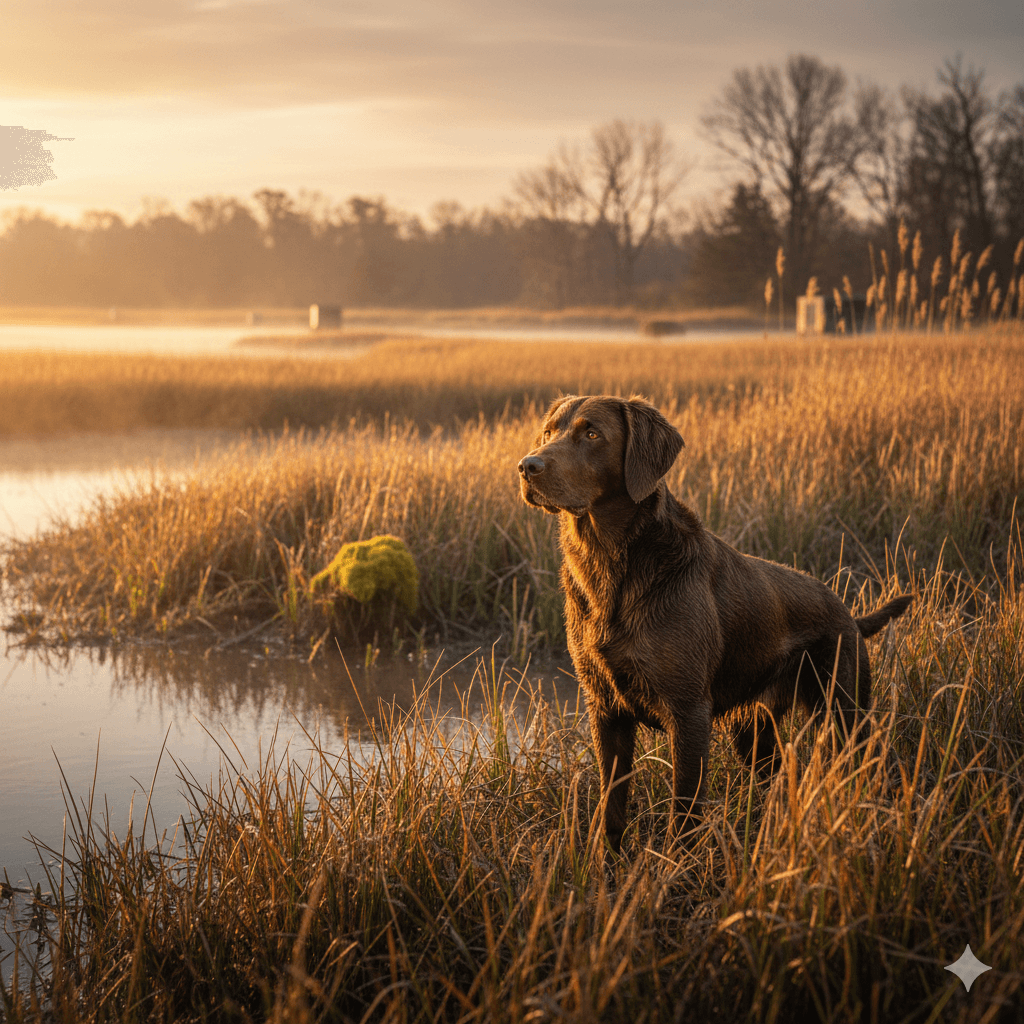
Distinctive Physical Traits of the Chesapeake Bay Retriever
The Chesapeake Bay Retriever is instantly recognizable due to its robust build and weather-resistant coat. These physical attributes are not just aesthetic—they serve a functional purpose, enabling the breed to thrive in demanding environments. Understanding these traits helps potential owners appreciate what makes the Chessie so special.
- Waterproof Double Coat:
Their thick, oily outer coat repels water and ice while the soft undercoat provides insulation, allowing them to swim comfortably in freezing temperatures. - Unique Color Variations:
Chessies come in shades of brown, sedge (reddish-brown), or deadgrass (straw-like tones), blending seamlessly with natural surroundings during hunts. - Powerful Build and Stamina:
With a muscular frame and strong legs, they possess unmatched endurance, capable of long swims and retrieves without fatigue. - Webbed Feet for Swimming:
Their large, webbed paws act like paddles, giving them exceptional propulsion and stability in water. - Expressive Eyes and Alert Expression:
Intelligent, amber or yellow eyes convey focus and determination, reflecting their sharp instincts and readiness for action.
These physical characteristics make the Chesapeake Bay Retriever a true marvel of nature, designed for both beauty and utility.
Check this guide 👉Shepherd Dog Breeds: Best 7 Expert Tips!
Check this guide 👉Water Dog Breeds: Best 7 Expert Tips!
Check this guide 👉Portuguese Dog Breeds: Best 7 Expert Tips!
| Strengths of the Chesapeake Bay Retriever | Challenges to Consider |
|---|---|
| Exceptional swimming ability | Requires extensive daily exercise |
| Loyal and protective nature | Can be stubborn during training |
| Weather-resistant coat | Prone to certain genetic health issues |
| Versatile working abilities | May show aloofness toward strangers |
| Deep bond with family | Not ideal for sedentary lifestyles |
Temperament Highlights: What Makes Chessies Unique
The Chesapeake Bay Retriever is known for its loyal, intelligent, and independent nature. While they form deep bonds with their families, they also exhibit a strong sense of self-reliance, which can make training both rewarding and challenging. Their temperament suits active lifestyles where mental and physical stimulation are prioritized.
- Unwavering Loyalty:
Chessies are deeply devoted to their owners, often forming strong attachments and preferring to stay close whenever possible. - Confident Independence:
Unlike some retrievers, Chessies think for themselves, requiring patient, consistent training to channel their intelligence effectively. - Protective Instincts:
Naturally wary of strangers, they make excellent watchdogs, always alert to potential threats around their family. - High Energy Levels:
Bred for demanding work, they need plenty of exercise and mental challenges to prevent boredom-related behaviors like chewing or digging. - Gentle Yet Reserved Nature:
While affectionate with loved ones, they may be cautious or aloof with unfamiliar people or animals until trust is established.
This blend of loyalty, independence, and protectiveness creates a breed that thrives when given leadership and structure.
Training Tips for Your Chesapeake Bay Retriever
Training a Chesapeake Bay Retriever requires patience, consistency, and a firm but gentle approach. Their intelligence and occasional stubborn streak mean they respond best to positive reinforcement and clear boundaries. Proper training ensures they grow into well-behaved, confident companions.
- Start Early with Socialization:
Expose your Chessie puppy to diverse environments, people, and animals to foster confidence and reduce wariness of new experiences. - Use Positive Reinforcement:
Reward-based methods using treats, praise, or play motivate them far more effectively than punishment-based techniques. - Focus on Mental Stimulation:
Incorporate puzzle toys, scent games, or obedience drills to engage their sharp minds and prevent destructive tendencies. - Establish Clear Leadership:
Chessies respect authority; setting consistent rules prevents behavioral issues stemming from confusion or dominance challenges. - Channel Their Energy Positively:
Provide ample opportunities for physical activity, such as swimming, running, or agility courses, to burn off excess energy productively.
With dedication and understanding, training strengthens your bond while unlocking your Chessie’s full potential.
Health Considerations for Chesapeake Bay Retrievers
Like all breeds, Chesapeake Bay Retrievers are prone to certain genetic health conditions that responsible owners should monitor closely. Regular vet check-ups and preventive care ensure a long, healthy life for your furry companion. Being aware of these risks allows you to address issues proactively.
- Hip Dysplasia Risk:
A common issue in large breeds, hip dysplasia can lead to arthritis if left untreated; choose reputable breeders who screen for this condition. - Progressive Retinal Atrophy (PRA):
This inherited eye disorder causes gradual vision loss; annual eye exams help detect early signs before blindness occurs. - Bloat or Gastric Torsion:
Deep-chested breeds like Chessies are susceptible to bloat, a life-threatening condition requiring immediate veterinary intervention. - Exercise-Induced Collapse (EIC):
Some Chessies carry a gene causing temporary muscle weakness after intense activity; moderate exercise intensity accordingly. - Allergies and Skin Issues:
Their dense coats can trap allergens, leading to itching or hot spots; regular grooming and hypoallergenic diets mitigate discomfort.
Proactive management of these concerns ensures your Chessie enjoys optimal health throughout their lifetime.
Exercise Needs of the Chesapeake Bay Retriever
The Chesapeake Bay Retriever is an energetic breed that demands substantial daily exercise to stay happy and healthy. Without adequate outlets for their boundless energy, they may develop undesirable behaviors like destructiveness or anxiety. Meeting their needs fosters a balanced, contented pet.
- Swimming as Ideal Exercise:
Born to swim, Chessies love splashing in lakes, pools, or rivers—it’s their favorite way to burn energy while staying cool. - Long Walks and Runs:
Daily walks or runs provide essential cardiovascular exercise and satisfy their instinctual drive to explore. - Interactive Playtime:
Fetch, tug-of-war, and frisbee sessions tap into their retrieving instincts, offering both physical exertion and mental engagement. - Agility Training:
Courses featuring tunnels, jumps, and weave poles challenge their athleticism and sharpen their problem-solving skills. - Off-Leash Exploration:
Secure areas allow them to roam freely, sniffing and investigating at their own pace—an enriching experience for curious minds.
Balancing structured activities with free play keeps your Chessie mentally and physically fulfilled.
Nutrition Guidelines for Optimal Health
Feeding your Chesapeake Bay Retriever a balanced diet tailored to their age, size, and activity level supports overall health and longevity. Proper nutrition fuels their high-energy lifestyle while preventing obesity and related complications. Here’s how to meet their dietary needs effectively.
- High-Quality Protein Sources:
Look for foods rich in real meat proteins like chicken, beef, or fish to support muscle maintenance and repair. - Healthy Fats for Coat Care:
Omega-3 and omega-6 fatty acids promote skin health and enhance their naturally glossy coat. - Joint-Supporting Ingredients:
Glucosamine and chondroitin supplements combat joint wear-and-tear, especially important for active or aging Chessies. - Controlled Caloric Intake:
Avoid overfeeding to maintain a lean body weight, reducing strain on hips and joints prone to dysplasia. - Fresh Water Always Available:
Hydration is critical, particularly after vigorous exercise, to replenish fluids lost through panting or exertion.
A well-planned diet ensures your Chessie remains vibrant, energetic, and ready for adventure.
“Chesapeake Bay retrievers generally have an affectionate and devoted temperament with their family. But they also have a protective streak to their personality that makes them only moderately open to strangers.” — Gemma Johnstone
Frequently Asked Questions About Chesapeake Bay Retrievers
Are Chesapeake Bay Retrievers good family dogs?
Yes, Chessies can be wonderful family companions if they receive proper training, socialization, and plenty of exercise. Their loyalty makes them deeply attached to their families.
Do they get along with other pets?
While they can coexist peacefully with other animals, early socialization is key. Some Chessies may display dominance or prey drive toward smaller pets if not trained properly.
How much grooming do they need?
Their short, oily coat requires minimal grooming—brushing once a week and occasional baths are sufficient. However, regular ear cleaning prevents infections due to moisture buildup.
Are they suitable for apartment living?
Chessies prefer homes with large yards where they can run and play. Apartment living is possible but challenging due to their high energy levels and need for space.
What’s their lifespan?
On average, Chesapeake Bay Retrievers live 10–12 years with proper care, diet, and regular veterinary check-ups.
A Lifeline in Every Moment of Adventure
The Chesapeake Bay Retriever is more than just a dog—it’s a partner built for adventure, resilience, and unwavering loyalty. Whether splashing through icy waters, exploring rugged trails, or curling up by your side, the Chessie embodies strength and devotion in equal measure. By understanding their unique needs and embracing their spirited nature, you’ll unlock a bond unlike any other. These dogs thrive when given purpose, love, and leadership, rewarding you with years of joy, protection, and unforgettable memories. If you’re ready for an active, intelligent companion who will challenge and inspire you, the Chesapeake Bay Retriever might just be your perfect match.

Is Rawhide Bad for Cats? Best 7 Expert Tips! – Discover the risks, safe alternatives, and expert advice to keep your feline friend healthy and happy.

Is Rawhide Bad for Dogs? Best 7 Expert Tips! – Discover the risks, benefits, and safer alternatives to rawhides for your dog’s chewing needs.

Understanding Anorexia in Cats: Best 7 Expert Tips! – Learn why cats stop eating, spot warning signs, and discover how to help your feline regain appetite safely.

Understanding Anorexia in Dogs: Best 7 Expert Tips! – Learn causes, symptoms, and solutions to help your dog regain appetite and stay healthy.