
Understanding Cat Hyperactivity: Causes and Solutions
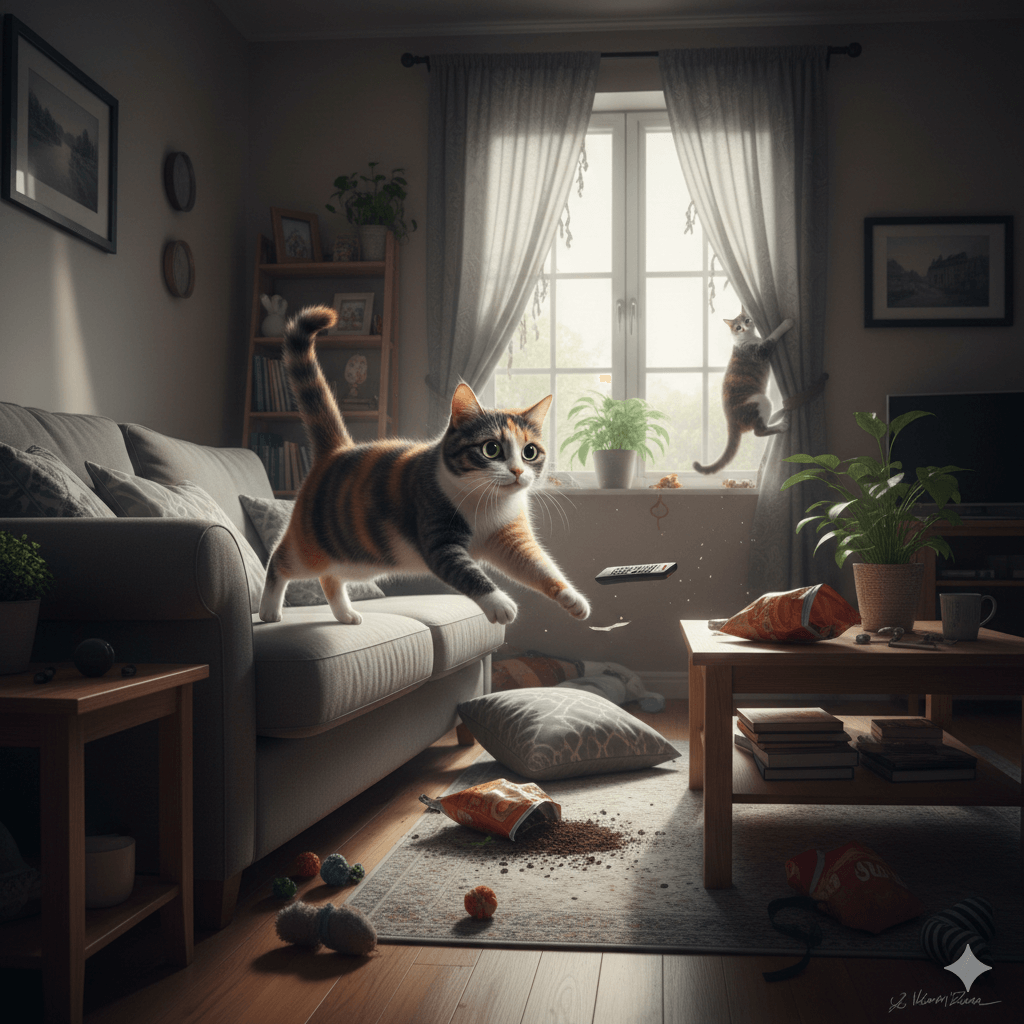
Cat hyperactivity can be both amusing and challenging for pet owners, as it often manifests in sudden bursts of energy known as “zoomies.” While some level of energetic behavior is normal, excessive hyperactivity may indicate underlying issues such as stress, boredom, or even medical conditions. Recognizing the signs and triggers helps you address this behavior effectively and ensure your feline friend stays happy and healthy.
Common Causes of Hyperactivity in Cats
Cat hyperactivity can stem from a variety of factors, ranging from natural instincts to potential health concerns. Understanding these causes is the first step toward addressing excessive energy and ensuring your cat’s well-being. Hyperactivity isn’t always a sign of trouble—it’s often rooted in their biology—but identifying when it becomes problematic is crucial for effective management.
- Natural Hunting Instincts:
Cats are predators by nature, and their bursts of energy mimic hunting behaviors like stalking, pouncing, and chasing. These “zoomies” are most common during dawn and dusk when cats are naturally more active. - Boredom or Lack of Stimulation:
A lack of mental and physical enrichment can lead to pent-up energy. Cats need interactive toys, climbing structures, and playtime to satisfy their curiosity and energy levels. - Dietary Factors:
Certain foods, especially those high in carbohydrates or artificial additives, may contribute to hyperactive behavior. A balanced, species-appropriate diet helps regulate energy levels more effectively. - Stress or Anxiety:
Changes in the environment, such as moving homes, new pets, or loud noises, can trigger stress-induced hyperactivity. Cats may express anxiety through excessive running, jumping, or vocalizing. - Medical Conditions:
Hyperthyroidism, neurological disorders, or other health issues can cause abnormal hyperactivity. Persistent restlessness should prompt a vet visit to rule out underlying conditions.
By pinpointing the root cause, you can tailor your approach to managing your cat’s hyperactivity and create a calmer, more harmonious living environment.
Signs Your Cat May Be Hyperactive
Recognizing hyperactivity in cats involves observing both their behavior and daily routines. While occasional bursts of energy are normal, certain patterns indicate excessive hyperactivity that may require intervention. Understanding these signs ensures you address the issue promptly and appropriately.
- Frequent “Zoomies”:
Sudden sprints around the house, often accompanied by leaping onto furniture or darting through rooms, are classic signs of feline hyperactivity. - Excessive Vocalization:
Some hyperactive cats meow loudly or persistently, especially during nighttime hours, disrupting sleep and household peace. - Destructive Behavior:
Knocking items off shelves, scratching furniture, or chewing on inappropriate objects can signal pent-up energy seeking an outlet. - Difficulty Settling Down:
Cats that seem unable to relax, constantly pacing or fidgeting, may be struggling with overstimulation or anxiety. - Aggression During Play:
Overly rough play, biting, or swatting at humans or other pets indicates a need for better energy management and structured activities.
These signs, especially when combined, suggest your cat may benefit from changes in their environment, routine, or even a vet consultation.
Check this guide 👉Why Doesnt My Cat Play with Toys? Best 7 Tips!
Check this guide 👉The Endearing Charm of a Cat Playing with Yarn: Best 7 Tips!
Check this guide 👉Playful Cat Body Language: Best 7 Expert Tips!
| Behavioral Signs | Solutions to Try |
|---|---|
| Frequent "zoomies" | Schedule regular play sessions with interactive toys |
| Destructive scratching | Provide scratching posts and reward appropriate use |
| Nighttime vocalization | Establish a calming bedtime routine with quiet activities |
| Aggression during play | Redirect energy into toys and end play with a "kill bite" |
| Difficulty settling down | Create cozy hiding spots and use calming scents like Feliway |
How to Manage Cat Hyperactivity Through Play
Interactive play is one of the most effective ways to channel your cat’s hyperactivity into positive outlets. Structured play sessions not only burn excess energy but also strengthen your bond with your pet. Consistency and creativity are key to keeping your cat engaged and content.
- Use Interactive Toys:
Wand toys, laser pointers, and feather teasers mimic prey, encouraging natural hunting behaviors and tiring out your cat physically. - Schedule Regular Playtimes:
Set aside 15–20 minutes twice daily for dedicated play sessions. Consistent timing helps establish a routine that reduces unexpected energy spikes. - Rotate Toys Frequently:
Introduce new toys or rotate existing ones weekly to keep your cat mentally stimulated and prevent boredom. - Create Obstacle Courses:
Use tunnels, boxes, or climbing shelves to design indoor “hunting grounds” where your cat can explore and expend energy. - End with a “Kill Bite”:
Allow your cat to “catch” their toy at the end of play sessions, satisfying their predatory instincts and signaling the end of activity.
Structured play transforms hyperactivity into purposeful behavior, leaving your cat calm and content afterward.
Dietary Adjustments to Reduce Hyperactivity
Nutrition plays a significant role in regulating your cat’s energy levels. A poorly balanced diet can exacerbate hyperactivity, while a tailored feeding plan promotes calmness and overall health. Evaluating your cat’s food choices is essential for long-term management.
- Switch to High-Protein Diets:
Cats thrive on protein-rich diets that mimic their natural prey-based nutrition, providing sustained energy without spikes. - Avoid Artificial Additives:
Food dyes, preservatives, and flavor enhancers may contribute to hyperactive tendencies; opt for natural, minimally processed options instead. - Limit Carbohydrates:
High-carb foods can cause blood sugar fluctuations, leading to erratic energy levels; prioritize low-carb formulations designed for felines. - Feed Smaller, Frequent Meals:
Dividing meals throughout the day mimics a cat’s natural grazing habits, preventing sudden bursts of hunger-driven energy. - Consult a Vet About Supplements:
Omega-3 fatty acids or calming herbs like chamomile (if safe) may help regulate mood and reduce stress-related hyperactivity.
The right diet supports not only physical health but also behavioral balance, making mealtime a tool for managing hyperactivity.
Environmental Enrichment for Hyperactive Cats
Creating a stimulating environment addresses the root causes of hyperactivity by satisfying your cat’s natural instincts and reducing boredom. Thoughtful modifications transform your home into a haven of mental and physical engagement.
- Provide Vertical Spaces:
Cat trees, shelves, or window perches allow climbing and observation, fulfilling their instinct to survey their territory. - Incorporate Puzzle Feeders:
Interactive feeders challenge your cat mentally, slowing down eating and providing a constructive energy outlet. - Add Hiding Spots:
Boxes, tunnels, or enclosed beds offer security and opportunities for playful ambushes, catering to their hunting nature. - Install Bird Feeders Near Windows:
Watching birds or squirrels outside keeps your cat entertained and mentally stimulated, reducing indoor chaos. - Use Scents for Calming Effects:
Feliway diffusers or catnip toys create a soothing atmosphere, balancing high-energy moments with relaxation.
Environmental enrichment prevents boredom and redirects hyperactivity into healthy, engaging activities.
Medical Evaluation for Persistent Hyperactivity
If your cat’s hyperactivity seems excessive or unmanageable despite lifestyle adjustments, a medical evaluation is essential. Underlying health issues could be contributing to their behavior, and professional guidance ensures accurate diagnosis and treatment.
- Check for Hyperthyroidism:
An overactive thyroid increases metabolism, causing restlessness, weight loss, and excessive energy; blood tests confirm this condition. - Assess Neurological Health:
Seizures, tremors, or unusual movements may indicate neurological disorders requiring specialized care. - Evaluate Pain or Discomfort:
Underlying pain, such as arthritis or dental issues, sometimes manifests as hyperactivity due to stress or discomfort. - Rule Out Parasites:
Internal parasites like worms can irritate the digestive system, leading to erratic behavior and increased activity. - Monitor for Cognitive Decline:
Senior cats experiencing cognitive dysfunction may exhibit hyperactive or confused behavior; early detection improves outcomes.
Addressing medical causes restores balance and ensures your cat’s hyperactivity isn’t masking a treatable condition.
Training Techniques to Curb Hyperactivity
Training provides structure and boundaries, helping manage your cat’s hyperactivity through positive reinforcement and consistent routines. Patience and consistency are vital to success, as cats respond best to gentle guidance rather than punishment.
- Teach Calm Behaviors:
Reward quiet, relaxed postures with treats or affection, reinforcing calmness over wild antics. - Redirect Aggressive Energy:
Channel biting or scratching into appropriate toys, teaching acceptable ways to release pent-up energy. - Establish Quiet Hours:
Train your cat to associate specific times (like bedtime) with calm activities using cues like dim lighting or soft music. - Use Clicker Training:
Clicker training reinforces desired behaviors, helping redirect hyperactivity into focused tasks or tricks. - Ignore Attention-Seeking Actions:
Avoid rewarding unwanted behaviors like jumping or meowing excessively; instead, wait for calm moments before engaging.
Training fosters mutual understanding and creates a peaceful coexistence between you and your energetic feline companion.
“If your cat displays stalking behaviors, like pouncing on your feet, they are telling you they need lots of challenging activity and mental enrichment. Your cat is not trying to hurt you, make you crazy or ruin your household items. They are merely doing what their inner wiring tells them to do!”
— San Diego Humane Society
Frequently Asked Questions About Cat Hyperactivity
Why is my cat hyperactive at night?
Cats are naturally crepuscular, meaning they’re most active during dawn and dusk. Nighttime energy bursts are instinctual but can be managed with play and routine adjustments.
Is hyperactivity a sign of illness?
Not always—hyperactivity is often normal behavior. However, persistent restlessness may indicate conditions like hyperthyroidism or anxiety, warranting a vet visit.
Can diet affect my cat’s hyperactivity?
Yes—high-carb or additive-filled diets can spike energy levels unnaturally. Switching to a protein-rich, species-appropriate diet often helps regulate behavior.
How can I stop my cat from being destructive?
Redirect their energy into appropriate outlets like toys, climbing structures, or puzzle feeders. Consistent play and environmental enrichment also reduce destructive tendencies.
When should I consult a vet about hyperactivity?
If your cat’s hyperactivity seems excessive, disrupts daily life, or is accompanied by other symptoms like weight loss or aggression, seek veterinary advice promptly.
Supporting Your Cat Through Hyperactivity Challenges
Managing cat hyperactivity requires patience, creativity, and a willingness to adapt your home environment to meet your feline friend’s needs. By understanding their instincts, providing enriching activities, and addressing potential health concerns, you create a harmonious living space where both you and your cat can thrive. Remember, a happy cat is one whose natural behaviors are acknowledged and nurtured—not suppressed. With consistent effort and love, even the most energetic feline can find balance and contentment, strengthening the bond you share for years to come.

Is Rawhide Bad for Cats? Best 7 Expert Tips! – Discover the risks, safe alternatives, and expert advice to keep your feline friend healthy and happy.

Is Rawhide Bad for Dogs? Best 7 Expert Tips! – Discover the risks, benefits, and safer alternatives to rawhides for your dog’s chewing needs.

Understanding Anorexia in Cats: Best 7 Expert Tips! – Learn why cats stop eating, spot warning signs, and discover how to help your feline regain appetite safely.

Understanding Anorexia in Dogs: Best 7 Expert Tips! – Learn causes, symptoms, and solutions to help your dog regain appetite and stay healthy.