
Can Cat Bloat Resolve on Its Own?
Bloating in cats can be a worrying symptom, often caused by issues like gas buildup, constipation, or even more serious underlying conditions. While mild cases of bloat may resolve on their own with time, it’s crucial to monitor your cat closely for any worsening signs. Understanding when to intervene ensures your feline companion stays healthy and comfortable.
Common Causes of Bloating in Cats
Bloating in cats can stem from a variety of factors, ranging from mild and temporary issues to more serious health concerns. Identifying the underlying cause is essential for determining whether the bloat will resolve on its own or requires veterinary intervention. While some cases are harmless, others may indicate a medical emergency.
- Gas Buildup in the Stomach:
Excessive gas often results from dietary indiscretion, such as eating spoiled food, overeating, or consuming something unusual. This type of bloat is usually mild and resolves within a few hours as the gas naturally dissipates. However, persistent gas buildup may signal gastrointestinal motility issues that need attention. - Constipation or Fecal Impaction:
When cats struggle to pass stool, their abdomen may appear distended due to trapped waste. This type of bloating is common in older cats or those with limited mobility. While mild constipation can sometimes resolve with hydration and dietary changes, severe impaction often requires veterinary assistance. - Hairballs Blocking the Digestive Tract:
Hairballs are a frequent issue in cats, especially those that groom excessively. When hair accumulates in the stomach or intestines, it can cause bloating and discomfort. In most cases, hairballs pass naturally, but persistent blockages may require laxatives or professional removal. - Fluid Accumulation (Ascites):
Fluid buildup in the abdominal cavity, known as ascites, is a more serious cause of bloating. It’s often linked to liver disease, heart failure, or infections. Unlike gas or constipation, this type of bloating won’t resolve on its own and demands immediate veterinary care to address the root cause. - Foreign Object Ingestion:
Cats are curious creatures, and swallowing non-food items like strings, rubber bands, or small toys can lead to intestinal blockages. These obstructions cause bloating and may require surgical intervention if they don’t pass naturally.
Understanding these causes helps you assess whether your cat’s bloating is likely to resolve independently or needs prompt attention.
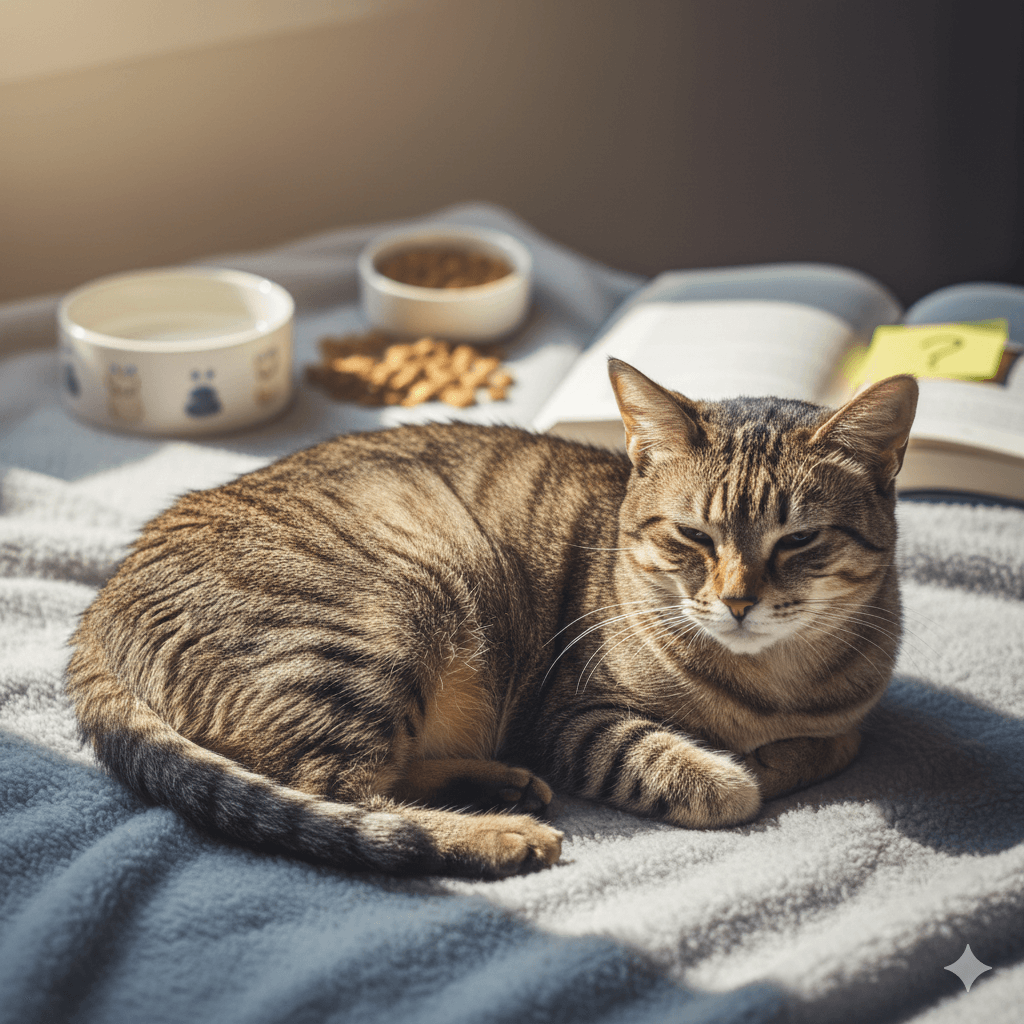
Symptoms of Cat Bloating and What They Indicate
Recognizing the symptoms of bloating in cats allows you to gauge its severity and decide on the appropriate course of action. While some signs point to minor issues, others indicate a potentially life-threatening condition.
- Distended Abdomen:
A visibly swollen belly is the hallmark symptom of bloating. In mild cases, it may feel soft and resolve quickly, but a hard, tense abdomen could signal fluid buildup or an obstruction. - Lethargy or Weakness:
Cats with bloating often become unusually tired or reluctant to move. This behavior suggests discomfort or pain, particularly if accompanied by other symptoms like vomiting or loss of appetite. - Vomiting or Retching:
Frequent attempts to vomit without producing anything can indicate a blockage or severe gas buildup. If your cat retches repeatedly, it’s a sign that their digestive system is struggling. - Loss of Appetite:
Refusal to eat is a common response to bloating, as cats instinctively avoid worsening their discomfort. Prolonged appetite loss, however, increases the risk of dehydration and malnutrition. - Labored Breathing or Panting:
Difficulty breathing occurs when bloating presses against the diaphragm, restricting lung expansion. This symptom is particularly concerning and warrants immediate veterinary evaluation.
Monitoring these signs closely helps you determine whether your cat’s bloating is improving or worsening over time.
Check this guide 👉Cat Bloated Stomach: Best 7 Expert Tips!
Check this guide 👉Home Remedies for Bloating in Cats: Best 7 Expert Tips!
Check this guide 👉Why Is My Cats Stomach Bloated and Hard? Best 7 Tips!
Possible Causes of Cat Bloating | Signs It Requires Veterinary Attention |
|---|---|
Gas buildup from overeating or dietary changes | Hard, distended abdomen that feels tense to the touch |
Constipation or fecal impaction | Labored breathing or panting due to abdominal pressure |
Hairball obstruction in the digestive tract | Frequent vomiting or retching without producing anything |
Fluid accumulation (ascites) from organ issues | Lethargy, weakness, or collapse indicating systemic distress |
Foreign object ingestion causing a blockage | Loss of appetite lasting more than 24 hours |
Can Mild Bloating Resolve Without Intervention?
In some cases, mild bloating in cats can resolve on its own without the need for veterinary intervention. However, it’s essential to understand the conditions under which this is likely to happen and when professional help is necessary.
- Temporary Gas Buildup:
If your cat ate too quickly or consumed something unusual, the resulting gas may dissipate naturally within a few hours. Gentle massage and encouraging movement can aid in relieving discomfort. - Mild Constipation:
Occasional constipation-related bloating often resolves with increased water intake, fiber-rich foods, or mild laxatives. Ensuring your cat stays hydrated is key to preventing recurrence. - Hairball Passage:
For bloating caused by hairballs, most cats pass the obstruction naturally within 1–2 days. Offering hairball remedies or specialized diets can speed up the process. - Stress-Related Bloating:
Anxiety or environmental changes can disrupt digestion, leading to temporary bloating. Once the stressor is removed, the issue typically resolves on its own. - Observation Period:
If your cat appears otherwise healthy and shows no severe symptoms, giving them 24–48 hours to recover is reasonable. However, any worsening signs should prompt a vet visit.
While mild cases may improve independently, vigilance ensures you catch complications early.
When to Seek Veterinary Care for Cat Bloating
Not all cases of bloating are harmless, and certain symptoms warrant immediate veterinary attention. Recognizing red flags prevents delays in treatment and protects your cat’s health.
- Persistent Vomiting or Retching:
If your cat vomits repeatedly or retches without producing anything, it could indicate an intestinal blockage requiring urgent care. - Severe Abdominal Swelling:
A rapidly expanding abdomen, especially if it feels hard or painful to the touch, signals a serious issue like fluid accumulation or organ dysfunction. - Signs of Pain or Distress:
Cats in pain may vocalize, hide, or resist being touched. These behaviors suggest the bloating is causing significant discomfort. - Lethargy and Weakness:
Unresponsiveness, collapse, or extreme fatigue indicates systemic distress and should never be ignored. - Labored Breathing or Collapse:
Difficulty breathing or sudden collapse reflects pressure on vital organs and requires emergency intervention.
Early veterinary involvement provides clarity and peace of mind during uncertain times.
Home Remedies to Support Mild Bloating
If your cat’s bloating is mild and likely to resolve on its own, several home remedies can provide comfort and promote recovery. These measures are safe and effective for uncomplicated cases.
- Encourage Hydration:
Offer fresh water or low-sodium chicken broth to encourage drinking. Hydration helps soften stool and flush out toxins. - Gentle Abdominal Massage:
Lightly massaging your cat’s belly in a circular motion can stimulate gas movement and relieve discomfort. Avoid pressing too hard if they seem sensitive. - Provide Fiber-Rich Foods:
Adding canned pumpkin or bran to your cat’s diet aids digestion and alleviates constipation-related bloating. Ensure it’s plain and unsweetened. - Promote Physical Activity:
Engaging your cat in light play encourages natural movement of gas through the digestive tract, reducing bloating. - Use Hairball Remedies:
Over-the-counter hairball gels or pastes lubricate the digestive system, helping trapped hair pass more easily.
These remedies complement your cat’s natural recovery process but should not replace veterinary care for severe cases.
Preventing Future Episodes of Cat Bloating
Preventing bloating in cats involves creating a safe, supportive environment and addressing potential triggers proactively. Simple lifestyle adjustments minimize risks significantly.
- Feed Smaller, Frequent Meals:
Breaking meals into smaller portions reduces the risk of overeating and gas buildup. Slow feeders can also discourage rapid consumption. - Avoid Toxic or Harmful Foods:
Never feed your cat human foods like onions, garlic, or dairy products, which can upset their stomach and lead to bloating. - Regular Grooming Sessions:
Frequent brushing removes loose fur, reducing the amount your cat ingests during grooming and preventing hairball-related bloating. - Monitor Stress Levels:
Minimize environmental stressors like loud noises, unfamiliar pets, or sudden changes in routine to maintain digestive health. - Schedule Routine Vet Check-Ups:
Regular exams catch underlying conditions like liver or kidney disease early, preventing complications that could cause bloating.
Proactive prevention fosters long-term well-being and reduces the likelihood of recurring episodes.
Long-Term Management for Chronic Bloating
Some cats experience chronic bloating due to ongoing health issues, requiring tailored management strategies to ensure their comfort and quality of life. Understanding these needs promotes better outcomes.
- Dietary Adjustments:
Prescription diets designed for sensitive stomachs or specific conditions like IBD can alleviate chronic bloating and improve digestion. - Medication for Underlying Conditions:
Conditions like liver disease or heart failure often require lifelong medication to manage symptoms and prevent complications. - Hydration Maintenance:
Encouraging consistent water intake through wet food, fountains, or subcutaneous fluids supports overall health and minimizes bloating risks. - Behavioral Monitoring:
Tracking your cat’s eating habits, activity levels, and litter box use helps identify patterns that may indicate recurring issues. - Emergency Preparedness:
Keep a pet first aid kit handy and know the signs of severe bloating to act quickly if needed.
Long-term success hinges on proactive care, education, and unwavering commitment to your cat’s unique needs.
“Bloating caused by parasites can typically be solved with a deworming medication. As long as your cat receives proper treatment, the prognosis is typically good.”
— Emily W.
Frequently Asked Questions About Cat Bloating
Can cat bloat go away without treatment?
Mild cases of bloating caused by gas or constipation may resolve on their own within 24–48 hours. However, persistent or severe bloating requires veterinary attention to rule out underlying issues.
How can I tell if my cat’s bloating is serious?
Signs like a hard, distended abdomen, labored breathing, vomiting, or lethargy indicate a potentially serious condition that needs immediate care.
What should I do if my cat is bloated and not eating?
If your cat refuses food for more than 24 hours or shows other symptoms like vomiting or lethargy, contact your vet promptly to prevent dehydration and complications.
Can hairballs cause bloating in cats?
Yes, hairballs can block the digestive tract, leading to bloating. Most hairballs pass naturally, but persistent blockages may require veterinary intervention.
Is bloating in cats an emergency?
It depends on the cause. While mild bloating may resolve on its own, sudden or severe bloating with symptoms like difficulty breathing or collapse is a medical emergency.
Supporting Your Cat Through Bloating Episodes
Bloating in cats can range from a minor inconvenience to a life-threatening emergency, depending on the underlying cause. By understanding the signs and knowing when to act, you empower yourself to make informed decisions about your cat’s health. Whether it resolves on its own or requires professional care, your vigilance ensures your feline companion receives the support they need. Remember, prevention through proper diet, grooming, and stress management goes a long way in reducing the risk of bloating. With patience, observation, and timely intervention, you can help your cat lead a happy, healthy life—free from the discomfort of recurring bloat.

Is Rawhide Bad for Cats? Best 7 Expert Tips! – Discover the risks, safe alternatives, and expert advice to keep your feline friend healthy and happy.

Is Rawhide Bad for Dogs? Best 7 Expert Tips! – Discover the risks, benefits, and safer alternatives to rawhides for your dog’s chewing needs.

Understanding Anorexia in Cats: Best 7 Expert Tips! – Learn why cats stop eating, spot warning signs, and discover how to help your feline regain appetite safely.

Understanding Anorexia in Dogs: Best 7 Expert Tips! – Learn causes, symptoms, and solutions to help your dog regain appetite and stay healthy.