
Understanding Dog Bloating Home Remedies
A bloated stomach in dogs can be alarming and may indicate a serious underlying issue, such as gastric dilatation-volvulus (GDV) or mild digestive discomfort. While some cases require immediate veterinary attention, certain home remedies can help alleviate mild bloating and support your dog’s recovery. Recognizing the signs early and acting promptly ensures your furry friend stays comfortable and safe.
Common Causes of Bloating in Dogs
A bloated stomach in dogs can stem from various factors, ranging from dietary indiscretion to underlying health conditions. Understanding these causes helps you identify potential triggers and take preventive measures. While some cases are mild and manageable at home, others may indicate life-threatening emergencies like gastric dilatation-volvulus (GDV). Being aware of the root causes ensures you respond appropriately and seek veterinary care when necessary.
- Overeating or Rapid Consumption:
Dogs that eat too quickly or consume large meals overwhelm their digestive system, leading to gas buildup and bloating. This behavior is common in breeds prone to gulping food. - Lack of Exercise After Meals:
Inactivity immediately after eating slows digestion, allowing gas to accumulate in the stomach and causing discomfort or bloating. - Food Intolerances or Allergies:
Certain ingredients in dog food, such as grains or artificial additives, irritate the gastrointestinal tract, triggering bloating and other digestive issues. - Stress or Anxiety:
Emotional stress disrupts normal digestion and increases the likelihood of bloating. Events like thunderstorms, travel, or changes in routine often exacerbate this issue. - Underlying Health Conditions:
Conditions like inflammatory bowel disease (IBD), pancreatitis, or GDV predispose dogs to chronic bloating, requiring professional diagnosis and treatment.
By addressing these causes proactively, you can reduce the frequency and severity of bloating episodes in your dog, ensuring a healthier and more comfortable life.
Early Signs of a Bloated Stomach in Dogs
Recognizing the early signs of bloating is crucial for timely intervention. Symptoms can range from mild discomfort to severe distress, depending on the underlying cause. Monitoring your dog’s behavior and physical condition helps you differentiate between harmless gas and potentially life-threatening conditions like GDV. Early detection saves lives and prevents complications.
- Swollen or Distended Abdomen:
A visibly enlarged belly is one of the first indicators of bloating; gently pressing the area may feel tight or firm. - Restlessness or Pacing:
Dogs with bloating often appear anxious, pacing back and forth or unable to settle due to abdominal discomfort. - Excessive Drooling or Vomiting:
Increased saliva production and unsuccessful attempts to vomit signal digestive distress and possible bloating. - Rapid or Labored Breathing:
Difficulty breathing occurs as the swollen stomach presses against the diaphragm, restricting airflow. - Pale Gums or Weak Pulse:
These signs indicate poor circulation, often associated with severe bloating or GDV, requiring immediate veterinary attention.
If you notice any combination of these symptoms, act quickly to assess the situation and consult a veterinarian if needed.
Check this guide 👉Dog Stomach Ultrasound Cost: Best 7 Expert Tips!
Check this guide 👉Dog Stomach Pain and Shaking: Best 7 Expert Tips!
Check this guide 👉Dog Stomach Gurgling: Best 7 Health Tips!
Early Warning Signs | Effective Home Remedies |
|---|---|
Swollen or distended abdomen | Gentle abdominal massage to release trapped gas |
Restlessness or pacing | Activated charcoal tablets to absorb toxins and gas |
Excessive drooling or vomiting | Probiotic supplements to restore healthy gut bacteria |
Rapid or labored breathing | Herbal teas like chamomile or ginger to soothe the stomach |
Pale gums or weak pulse | Short walks after meals to stimulate digestion and reduce gas |
Effective Home Remedies for Mild Bloating
For mild cases of bloating, several home remedies can provide relief and support your dog’s recovery. These natural solutions focus on reducing gas, soothing the digestive tract, and promoting overall gut health. Always monitor your dog closely and seek professional help if symptoms persist or worsen.
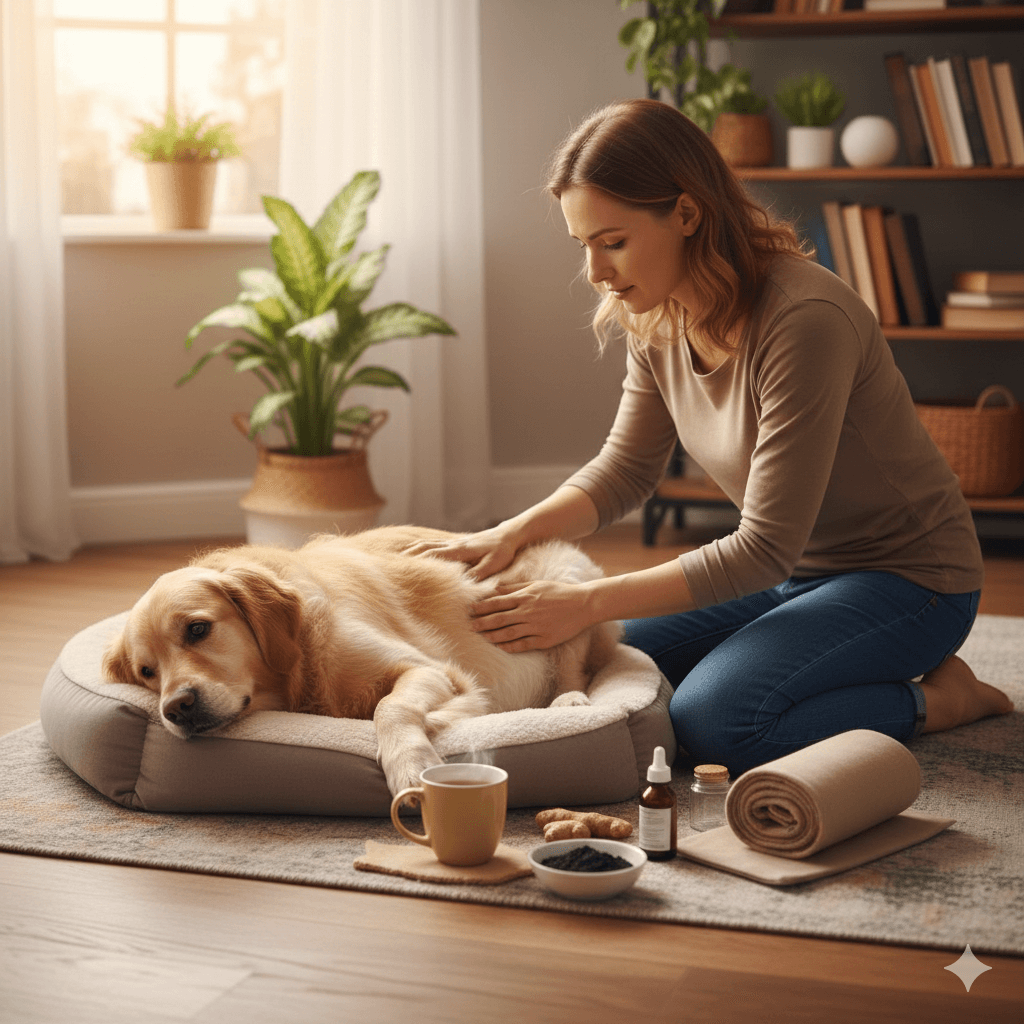
- Gentle Massage Techniques:
Massaging your dog’s abdomen in a circular motion helps release trapped gas and improves blood flow to the digestive organs. - Activated Charcoal Tablets:
Administering activated charcoal absorbs excess gas and toxins in the stomach, alleviating discomfort and bloating. - Probiotic Supplements:
Probiotics restore healthy gut bacteria, aiding digestion and preventing gas buildup caused by imbalances in the microbiome. - Herbal Teas or Infusions:
Chamomile or ginger tea (cooled) soothes the stomach lining, reduces inflammation, and eases bloating symptoms naturally. - Walking After Meals:
A short, gentle walk 30 minutes after eating stimulates digestion and prevents gas accumulation in the stomach.
These remedies work best for mild bloating but should never replace veterinary care for severe or persistent cases.
When to Seek Veterinary Care for Bloating
While home remedies are effective for mild bloating, certain situations demand immediate veterinary intervention. Knowing when to seek professional help ensures your dog receives the necessary treatment to prevent complications. Delayed action can lead to irreversible damage or even death in severe cases.
- Unproductive Vomiting:
If your dog retches repeatedly without expelling anything, it may indicate GDV, a life-threatening emergency. - Severe Abdominal Swelling:
A rapidly expanding abdomen suggests stomach torsion, requiring surgical correction to save your dog’s life. - Collapse or Weakness:
Sudden lethargy, inability to stand, or collapse signals shock or organ failure due to compromised circulation. - Dark Red or Pale Gums:
Discolored gums reflect poor oxygenation or internal bleeding, necessitating urgent medical evaluation. - Painful Reaction to Touch:
If your dog whimpers or reacts aggressively when you touch their abdomen, it indicates severe discomfort or injury.
Acting swiftly in these scenarios ensures your dog receives timely care and improves their chances of survival.
Preventive Measures to Avoid Bloating
Preventing bloat is far easier than treating it, especially for breeds predisposed to this condition. Simple lifestyle adjustments and proactive habits significantly reduce the risk of bloating and ensure your dog’s long-term well-being. Consistency is key to maintaining a healthy digestive system.
- Feed Smaller, Frequent Meals:
Dividing daily food portions into 2–3 smaller meals prevents overeating and reduces strain on the digestive system. - Use Slow Feeder Bowls:
Specialized bowls designed to slow down eating minimize air intake and prevent rapid consumption. - Avoid Exercise Immediately After Meals:
Allow at least 1–2 hours of rest after feeding to aid digestion and prevent gas buildup. - Choose High-Quality Food:
Opt for easily digestible, grain-free formulas free of artificial additives that irritate the stomach. - Monitor Water Intake During Meals:
Limit excessive water consumption while eating to reduce the risk of swallowing air and causing bloating.
These preventive strategies create a safer environment and promote better digestive health for your dog.
Breeds Most Prone to Bloating
Certain dog breeds are genetically predisposed to bloating due to their deep chests and unique physiology. Owners of these breeds must remain vigilant and take extra precautions to minimize risks. Awareness of breed-specific vulnerabilities ensures tailored care and faster response times during emergencies.
- Great Danes:
Known for their massive size and deep chests, Great Danes are among the most susceptible breeds to GDV and chronic bloating. - German Shepherds:
This active breed often experiences digestive issues, including bloating, due to their sensitive stomachs. - Boxers:
Boxers’ compact build and high energy levels make them prone to gastrointestinal distress and bloating episodes. - Basset Hounds:
Their long bodies and deep chests increase the likelihood of stomach torsion and bloating complications. - Irish Setters:
This athletic breed frequently suffers from bloating, often linked to their high metabolism and active lifestyle.
Understanding breed-specific risks allows owners to implement targeted prevention strategies and respond effectively during emergencies.
Long-Term Management for Chronic Bloating
For dogs prone to chronic bloating, long-term management focuses on consistency, monitoring, and collaboration with your veterinarian. A proactive approach minimizes flare-ups and ensures your dog maintains optimal digestive health. Regular check-ups and tailored care plans are essential components of successful management.
- Routine Veterinary Exams:
Regular visits allow vets to monitor your dog’s digestive health and detect early warning signs of recurring bloating. - Customized Diet Plans:
Work with your vet to develop a diet rich in fiber, low in fat, and free of allergens to support gut health and reduce bloating risks. - Behavioral Training:
Teach your dog to eat slowly using positive reinforcement techniques or specialized tools like slow feeder bowls. - Emergency Preparedness Kits:
Keep activated charcoal, probiotics, and contact info for 24-hour clinics handy for quick responses during mild episodes. - Stress Reduction Techniques:
Create a calm environment with predictable routines to minimize anxiety-related bloating and digestive upset.
With dedication and informed care, you can manage chronic bloating effectively and provide your dog with a happy, healthy life.
“There are no home remedies for bloat in dogs. Dogs with simple bloat are usually hospitalized to receive intravenous (IV) fluids and medication for pain or nausea as needed.” — Katie Grzyb, DVM
Frequently Asked Questions About Dog Bloating
What is the fastest way to relieve bloating in dogs at home?
Gentle abdominal massage, a short walk, or activated charcoal can provide quick relief for mild bloating. However, severe cases require immediate veterinary care.
Can a dog recover from bloat on its own?
Mild bloating may resolve with home remedies, but conditions like gastric dilatation-volvulus (GDV) are life-threatening and need surgical intervention.
How long does it take for a dog’s bloated stomach to go down?
For mild cases, bloating typically subsides within 1–2 hours with proper care. Persistent swelling indicates a more serious issue.
Is yogurt safe for dogs with bloating?
Plain, unsweetened yogurt with probiotics can help restore gut balance, but avoid it if your dog has lactose intolerance or severe bloating symptoms.
What foods should I avoid to prevent bloating in dogs?
Avoid high-fat, high-grain, or processed foods, as well as large meals that encourage rapid eating or overconsumption.
Supporting Your Dog Through Bloating Episodes
A bloated stomach in dogs can be a frightening experience, but understanding the causes, symptoms, and remedies empowers you to respond effectively. Whether managing mild bloating at home or recognizing the signs of a life-threatening emergency, your vigilance ensures your dog receives the care they need. Prevention remains the cornerstone of safety—by implementing simple lifestyle changes and monitoring your dog’s health closely, you create a safer, healthier environment for them. Remember, your calm presence and informed decisions make all the difference during moments of crisis. With love, patience, and proactive care, you give your furry companion the best chance at a happy, bloat-free life.

Is Rawhide Bad for Cats? Best 7 Expert Tips! – Discover the risks, safe alternatives, and expert advice to keep your feline friend healthy and happy.

Is Rawhide Bad for Dogs? Best 7 Expert Tips! – Discover the risks, benefits, and safer alternatives to rawhides for your dog’s chewing needs.

Understanding Anorexia in Cats: Best 7 Expert Tips! – Learn why cats stop eating, spot warning signs, and discover how to help your feline regain appetite safely.

Understanding Anorexia in Dogs: Best 7 Expert Tips! – Learn causes, symptoms, and solutions to help your dog regain appetite and stay healthy.