
Can Fleas Cause Hair Loss in Cats?
Fleas are more than just a nuisance for cats—they can lead to significant skin irritation and even hair loss if left untreated. Persistent scratching, biting, and licking caused by flea infestations often result in patchy fur and inflamed skin. Understanding the connection between fleas and hair loss helps cat owners take proactive steps to protect their feline companions.
How Fleas Trigger Hair Loss in Cats
Fleas are notorious for causing intense itching and discomfort in cats, which can lead to significant hair loss over time. When cats scratch, bite, or excessively groom themselves to relieve the irritation, they damage their fur and skin, resulting in bald patches. Understanding how fleas contribute to this cycle of hair loss is essential for addressing the root cause and restoring your cat’s coat health.
- Intense Itching and Scratching:
The saliva of fleas contains allergens that trigger an allergic reaction known as flea allergy dermatitis (FAD), making even a single flea bite unbearable for sensitive cats. This leads to relentless scratching, which pulls out fur and damages the skin beneath. - Excessive Grooming Behavior:
Cats naturally groom themselves, but flea infestations amplify this behavior. Over-grooming causes hair to fall out in clumps, leaving bare spots on areas like the lower back, neck, or belly where fleas often congregate. - Secondary Skin Infections:
Broken skin from constant scratching creates openings for bacteria and fungi to invade, leading to secondary infections. These infections exacerbate inflammation and further weaken hair follicles, worsening hair loss. - Localized vs. Generalized Hair Loss:
In mild cases, hair loss may be localized to specific areas, such as the base of the tail or hindquarters. However, severe infestations or untreated FAD can result in widespread hair loss across the entire body. - Psychological Stress Contribution:
The constant discomfort caused by fleas increases stress levels in cats, potentially amplifying compulsive grooming behaviors that accelerate hair loss.
Addressing flea infestations promptly is crucial to breaking this destructive cycle and preventing irreversible damage to your cat’s coat and skin.
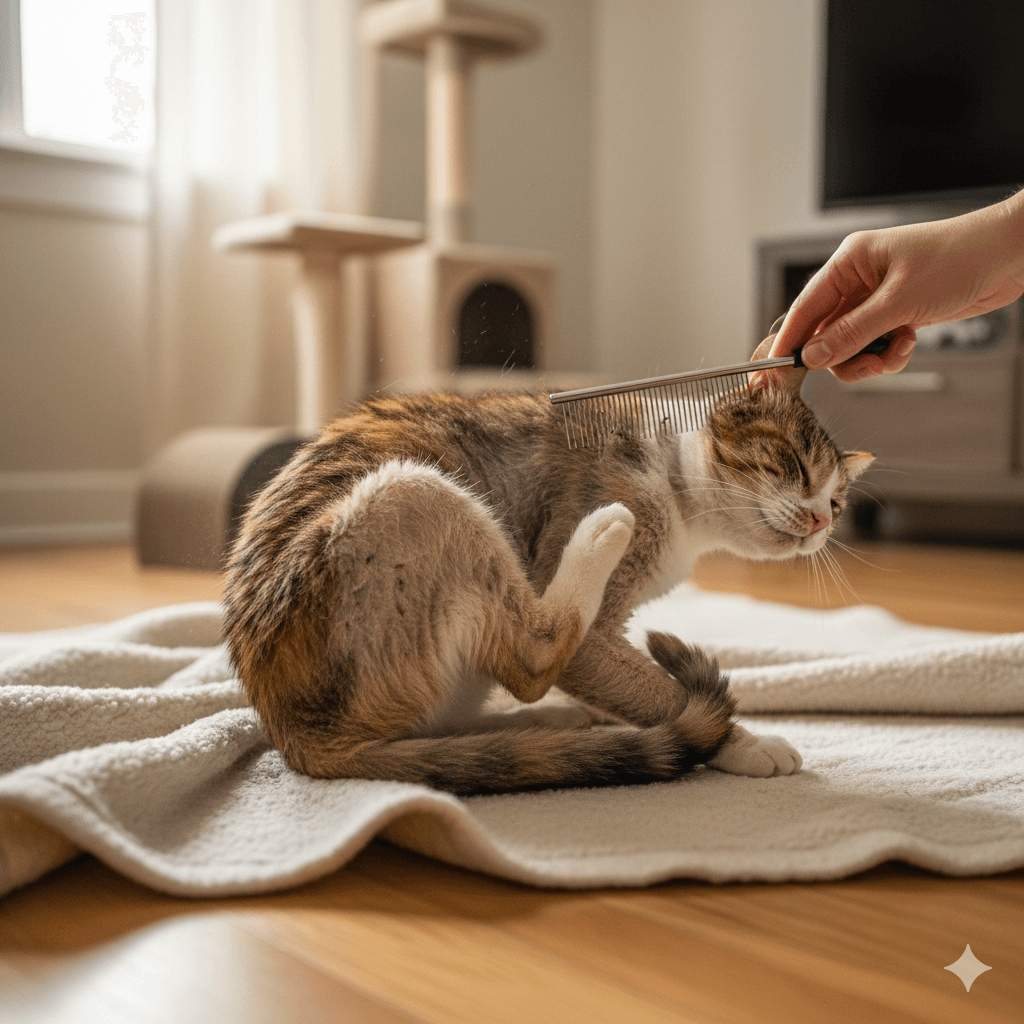
Symptoms of Flea-Related Hair Loss in Cats
Hair loss caused by fleas doesn’t occur in isolation—it comes with a range of visible symptoms that help identify the underlying issue. Recognizing these signs allows you to intervene early and prevent further complications.
- Patchy Bald Spots:
Bald patches, especially around the base of the tail, neck, or inner thighs, indicate excessive grooming or scratching triggered by flea bites. - Red, Inflamed Skin:
Flea saliva irritates the skin, causing redness, swelling, and scabs in affected areas. This inflammation often accompanies hair loss due to constant trauma. - Visible Flea Dirt:
Tiny black specks resembling pepper flakes, known as flea dirt, signal an active infestation. These droppings confirm the presence of fleas contributing to hair loss. - Increased Restlessness:
Cats with fleas may appear restless, frequently shaking their heads or twitching their skin in an attempt to dislodge the pests. This restlessness correlates with ongoing hair loss. - Changes in Coat Texture:
Persistent flea activity not only causes hair loss but also alters the texture of remaining fur, making it dull, brittle, or matted due to lack of proper grooming.
Early detection of these symptoms ensures timely treatment, minimizing the risk of long-term damage to your cat’s coat and overall well-being.
Check this guide 👉Treatment for Cat Hair Loss: Best 7 Expert Tips!
Check this guide 👉Is Cat Hair Harmful During Pregnancy? Best 7 Expert Tips!
Check this guide 👉Cat Losing Hair on Belly: Best 7 Expert Tips!
| Signs of Flea Infestation | Steps to Take Immediately |
|---|---|
| Patchy bald spots on the skin | Inspect your cat thoroughly for fleas or flea dirt. |
| Red, inflamed, or scabby skin | Begin vet-recommended flea treatment immediately. |
| Excessive scratching or grooming | Wash all bedding and vacuum your home to remove fleas. |
| Visible flea dirt (black specks) | Use an Elizabethan collar to prevent further self-trauma. |
| Changes in behavior or restlessness | Schedule a vet visit to rule out secondary infections. |
Common Areas Affected by Flea-Induced Hair Loss
Certain parts of a cat’s body are more prone to flea-related hair loss due to the pests’ preferred feeding zones and the cat’s grooming habits. Knowing these hotspots helps you focus your inspection efforts during routine checks.
- Base of the Tail:
This area is a prime target for fleas because it’s warm and accessible. Cats often chew or scratch this spot aggressively, leading to noticeable thinning or complete baldness. - Neck and Shoulders:
Fleas frequently congregate near the neck and shoulders, where they’re less likely to be dislodged during movement. Constant scratching results in patchy fur in these regions. - Inner Thighs and Groin Area:
Soft, tender skin in these areas makes them ideal for flea feeding. Cats may lick excessively here, pulling out hair and irritating the skin. - Belly and Flanks:
While harder for cats to reach, these areas still suffer from flea bites. Excessive rolling or rubbing against surfaces contributes to hair loss. - Ears and Face:
Though less common, some cats develop hair loss around their ears and face due to head shaking or pawing at irritated skin.
Targeted care and thorough examination of these areas ensure no flea-related issues go unnoticed.
Long-Term Effects of Untreated Flea Infestations
Ignoring flea infestations can have serious consequences beyond temporary hair loss. Chronic exposure to fleas compromises your cat’s physical and emotional health, requiring extensive intervention to restore balance.
- Chronic Skin Conditions:
Prolonged flea exposure leads to persistent dermatitis, characterized by thickened, discolored skin and recurring infections that hinder regrowth of healthy fur. - Anemia Risk in Severe Cases:
Fleas feed on blood, and heavy infestations—especially in kittens or small breeds—can cause life-threatening anemia due to blood loss. - Behavioral Changes:
Constant discomfort from fleas makes cats irritable, anxious, or withdrawn, affecting their personality and interactions with humans or other pets. - Compromised Immune System:
The stress of ongoing flea infestations weakens your cat’s immune defenses, increasing susceptibility to other illnesses or parasites. - Permanent Fur Damage:
Severe or prolonged hair loss may damage hair follicles permanently, resulting in sparse or uneven regrowth even after successful flea eradication.
Timely treatment prevents these long-term effects, ensuring your cat remains happy and healthy.
Prevention Strategies to Avoid Flea-Related Hair Loss
Prevention is always better than cure when it comes to protecting your cat from fleas and their damaging effects. Implementing proactive measures safeguards your cat’s coat and minimizes the risk of hair loss.
- Regular Flea Treatments:
Use veterinarian-recommended topical treatments, oral medications, or flea collars consistently to keep fleas at bay throughout the year. - Frequent Grooming Sessions:
Brushing your cat’s fur regularly removes loose hair and flea dirt while distributing natural oils that promote a healthy coat. - Wash Bedding and Toys:
Clean your cat’s bedding, blankets, and toys weekly in hot water to eliminate flea eggs, larvae, or adults lurking in fabrics. - Vacuum Your Home Thoroughly:
Fleas thrive in carpets, upholstery, and cracks; vacuuming these areas daily disrupts their lifecycle and reduces household infestations. - Yard Maintenance:
Keep outdoor spaces trimmed and free of debris to discourage flea populations from settling near your home.
A comprehensive prevention plan keeps fleas away, preserving your cat’s beautiful coat and comfort.
Treatment Options for Flea-Related Hair Loss
Once flea-related hair loss occurs, addressing both the infestation and its effects is critical for recovery. A combination of veterinary care and supportive measures promotes healing and restores your cat’s coat.
- Veterinary Diagnosis and Medication:
Your vet may prescribe anti-flea treatments like selamectin or fipronil to eliminate existing infestations quickly and safely. - Anti-Inflammatory Medications:
Topical creams or oral steroids reduce inflammation and soothe irritated skin, encouraging faster healing and reduced scratching. - Antibiotics for Secondary Infections:
If bacterial infections arise from broken skin, antibiotics help clear the infection and prevent further complications. - Nutritional Support for Coat Health:
Supplementing omega-3 fatty acids supports skin repair and promotes shiny, resilient fur growth over time. - Elizabethan Collar Use:
To prevent further self-trauma, an e-collar may be necessary until the itching subsides and the skin begins to heal.
Following through with these treatments ensures your cat recovers fully and regains their lush, healthy coat.
Supporting Your Cat Through Recovery
Recovering from flea-related hair loss requires patience, dedication, and a holistic approach to care. By combining medical treatment with environmental management and emotional support, you set the stage for a speedy recovery.
- Maintain a Stress-Free Environment:
Calm surroundings reduce anxiety and minimize compulsive grooming behaviors that delay healing. - Monitor Progress Closely:
Track improvements in your cat’s skin and coat condition, reporting any setbacks to your veterinarian promptly. - Reintroduce Regular Playtime:
Engaging your cat in gentle play distracts them from discomfort and strengthens your bond during recovery. - Schedule Follow-Up Vet Visits:
Regular check-ups ensure the infestation is fully resolved and there are no lingering issues affecting your cat’s health. - Celebrate Small Wins:
Every step forward—whether it’s reduced itching or new fur growth—is worth celebrating as your cat returns to their vibrant self.
With consistent care and love, your cat will overcome flea-related challenges and thrive once again.
“Where it would take dozens of flea bites to significantly harm a normal cat’s skin, the same amount of damage to the skin of an allergic [cat] will result from just a few bites.” — William Miller Jr.
Frequently Asked Questions About Flea-Related Hair Loss in Cats
Can fleas alone cause my cat to lose hair?
Yes, fleas trigger intense itching and scratching, which leads to hair loss, especially in cats with flea allergy dermatitis (FAD).
How long does it take for a cat’s fur to grow back after flea treatment?
Hair regrowth typically begins within 4–6 weeks after successful flea eradication and skin healing, but severe cases may take longer.
Are certain cat breeds more prone to flea-related hair loss?
Cats with sensitive skin or those predisposed to allergies, such as Siamese or Devon Rex, are more vulnerable to flea-induced hair loss.
What should I do if my cat has fleas and is losing hair?
Start by treating the infestation with vet-approved products, address secondary infections, and consult your veterinarian for personalized care.
Can indoor cats get fleas and experience hair loss?
Yes, indoor cats can still pick up fleas from other pets, humans, or contaminated items like bedding or clothing.
A Lifeline in Every Moment of Recovery
Flea-related hair loss is not just a cosmetic issue—it’s a sign of discomfort and potential health risks that demand immediate attention. By understanding how fleas affect your cat’s skin and coat, you empower yourself to act swiftly and effectively. Preventive measures, timely treatments, and supportive care restore your cat’s health and confidence, ensuring they remain the vibrant, happy companion you adore. Remember, your vigilance and dedication are the ultimate safeguards against fleas and their damaging effects—a testament to the unbreakable bond between you and your feline friend.

Is Rawhide Bad for Cats? Best 7 Expert Tips! – Discover the risks, safe alternatives, and expert advice to keep your feline friend healthy and happy.

Is Rawhide Bad for Dogs? Best 7 Expert Tips! – Discover the risks, benefits, and safer alternatives to rawhides for your dog’s chewing needs.

Understanding Anorexia in Cats: Best 7 Expert Tips! – Learn why cats stop eating, spot warning signs, and discover how to help your feline regain appetite safely.

Understanding Anorexia in Dogs: Best 7 Expert Tips! – Learn causes, symptoms, and solutions to help your dog regain appetite and stay healthy.