
How Long Does It Take for a Cat to Get Frostbite?
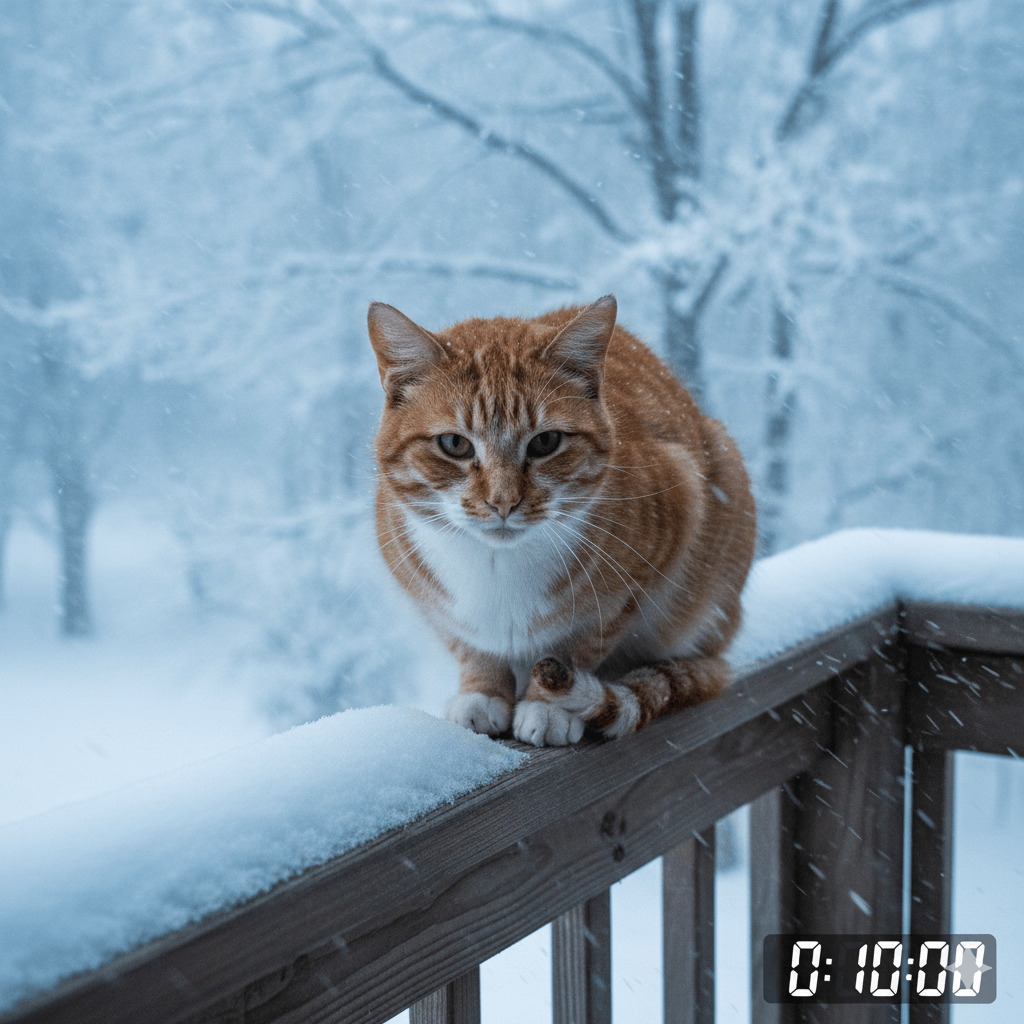
Frostbite in cats occurs when their extremities, such as ears, paws, or tails, are exposed to freezing temperatures for prolonged periods. While cats are naturally resilient, even short durations in extreme cold can lead to tissue damage and frostbite. Understanding the timeline and signs of frostbite helps you protect your feline friend during colder months.
Factors That Influence Frostbite Risk in Cats
The time it takes for a cat to develop frostbite depends on several factors, including environmental conditions, breed characteristics, and individual health. Understanding these variables helps you assess your cat’s risk and take preventive measures during cold weather.
- Temperature and Wind Chill:
Extreme cold below freezing (32°F or 0°C) poses the greatest risk, especially when combined with wind chill, which accelerates heat loss from exposed skin. Prolonged exposure—even as short as 15–30 minutes—can lead to frostbite in vulnerable areas like ears, paws, and tails. - Humidity Levels:
High humidity exacerbates cold exposure by increasing moisture on the skin, which freezes more quickly. Dry air, while still dangerous, may slightly delay frostbite onset compared to wet, icy conditions. - Cat’s Coat Thickness:
Long-haired breeds like Maine Coons or Norwegian Forest Cats are better insulated against cold than short-haired breeds like Siamese or Sphynx cats. However, no coat can fully protect against sub-zero temperatures for extended periods. - Age and Health Status:
Kittens, senior cats, and those with underlying health issues such as diabetes or poor circulation are at higher risk of frostbite due to reduced ability to regulate body temperature. - Duration of Exposure:
While mild frostbite might occur within 30 minutes of exposure to extreme cold, severe cases typically develop after an hour or more. Shorter exposures still pose risks if other factors like wet fur or high winds are present.
By considering these factors, you can better gauge how quickly frostbite might occur and take steps to minimize your cat’s exposure to dangerous conditions.
Early Signs of Frostbite in Cats
Recognizing early signs of frostbite is crucial for preventing permanent tissue damage. Symptoms often appear gradually and worsen over time if exposure continues.
- Pale or Gray Skin:
Affected areas may turn pale, gray, or bluish due to reduced blood flow. This discoloration indicates that tissues are not receiving adequate oxygen. - Cold to the Touch:
Frostbitten skin feels unusually cold or hard when touched. The lack of warmth signals impaired circulation caused by freezing temperatures. - Swelling or Blisters:
As frostbite progresses, affected areas may swell or develop fluid-filled blisters. These blisters indicate cell damage and should be treated carefully to prevent infection. - Pain or Sensitivity:
Cats may lick, chew, or excessively groom frostbitten areas due to discomfort or pain. Some cats might also vocalize or act aggressively when touched near affected regions. - Loss of Functionality:
In severe cases, frostbitten limbs become stiff or immobile. Your cat may struggle to walk or use their paws properly, signaling advanced tissue damage.
Early detection allows you to intervene before frostbite leads to irreversible harm, so monitor your cat closely during cold weather.
Check this guide 👉Frostbite on Cat Paws: Best 7 Expert Tips!
Check this guide 👉How to Take Care of Cat Paws: Best 7 Expert Tips!
Check this guide 👉Ringworm on Cat Paw Pad: Best 7 Expert Tips!
Early Warning Signs of Frostbite | Immediate Actions to Take |
|---|---|
Pale or gray skin on ears, paws, or tail | Move your cat indoors immediately to stop further exposure |
Cold or hard texture in affected areas | Rewarm frostbitten areas gradually with lukewarm water or damp cloths |
Swelling or fluid-filled blisters | Avoid rubbing, massaging, or using direct heat sources like hairdryers |
Excessive licking or chewing of limbs | Keep your cat calm and restrict movement to prevent further injury |
Lethargy or reluctance to walk | Contact your veterinarian promptly for professional evaluation and care |
How Long Does It Take for Frostbite to Progress?
The progression of frostbite depends on the severity of exposure and external conditions. Knowing how quickly symptoms escalate helps you respond effectively.
- Mild Frostbite (15–30 Minutes):
Initial stages involve superficial cooling of the skin without significant tissue damage. Affected areas may feel numb but recover fully with rewarming. - Moderate Frostbite (30–60 Minutes):
Prolonged exposure causes deeper layers of skin to freeze, leading to swelling, blistering, and increased sensitivity upon rewarming. Recovery requires veterinary care to prevent complications. - Severe Frostbite (Over 60 Minutes):
Extended exposure results in complete tissue death, potentially requiring amputation of affected areas. Nerve damage and chronic pain are common outcomes of severe frostbite. - Environmental Impact:
Wind, moisture, and altitude accelerate frostbite progression. For example, wet fur increases heat loss, reducing the time needed for frostbite to occur. - Breed-Specific Variations:
Short-haired or hairless breeds experience faster frostbite onset compared to long-haired breeds. Similarly, outdoor cats face greater risks than indoor cats.
Understanding this timeline ensures you act promptly to minimize damage and seek professional help when necessary.
Immediate First Aid Steps for Frostbite in Cats
If you suspect your cat has frostbite, immediate first aid can prevent further damage and improve recovery chances. Follow these steps carefully until you reach a veterinarian.
- Move Indoors Immediately:
Bring your cat inside to a warm, dry environment to stop further exposure to cold. Avoid rubbing or massaging frostbitten areas, as this can cause additional tissue damage. - Warm Affected Areas Gradually:
Use lukewarm water (not hot) or damp cloths to gently rewarm frostbitten areas. Aim for a temperature around 100–105°F (38–40°C) to restore circulation safely. - Avoid Heat Sources:
Do not use hairdryers, heating pads, or direct heat, as these can burn already damaged tissues and worsen the condition. - Keep Your Cat Calm and Still:
Minimize movement to reduce strain on affected areas and prevent further injury. Provide soft bedding to keep them comfortable. - Seek Veterinary Care Promptly:
Even if symptoms seem mild, consult a vet to rule out internal complications or secondary infections. Professional treatment ensures the best possible outcome.
Quick action minimizes long-term effects and promotes faster healing for your cat.
Long-Term Effects of Frostbite in Cats
Frostbite can have lasting consequences if not treated promptly or if severe tissue damage occurs. Understanding these effects prepares you for ongoing care needs.
- Permanent Tissue Loss:
Severe frostbite often leads to necrosis (tissue death), requiring surgical removal of affected areas. Amputations are sometimes necessary to prevent infection. - Chronic Pain or Discomfort:
Nerve damage from frostbite can result in persistent pain or hypersensitivity, even after visible wounds heal. Pain management medications may be prescribed. - Increased Infection Risk:
Damaged tissues are more susceptible to bacterial infections, necessitating regular cleaning and monitoring during recovery. - Behavioral Changes:
Cats may become anxious or fearful of cold environments due to past trauma, affecting their willingness to go outside or explore new spaces. - Reduced Mobility:
Severe frostbite in paws or limbs can impair movement permanently, requiring adaptations like padded floors or ramps at home.
Proactive care and close veterinary follow-up mitigate these long-term impacts, ensuring your cat maintains a good quality of life.
Preventing Frostbite in Cats During Winter
Preventing frostbite starts with minimizing your cat’s exposure to cold and creating a safe, warm environment. Proactive measures significantly reduce risks.
- Limit Outdoor Time:
Keep outdoor cats indoors during extreme weather or provide sheltered spaces like insulated cat houses with heated pads. - Check Paw Pads Regularly:
Inspect your cat’s paws for signs of cold-related injuries after walks or outdoor play. Remove ice, snow, or salt buildup to prevent irritation. - Provide Warm Bedding:
Ensure indoor cats have access to cozy sleeping spots away from drafts or windows. Heated pet beds offer extra comfort during colder months. - Dress Your Cat Appropriately:
For short-haired breeds, consider using pet sweaters or jackets to provide additional insulation during brief outdoor trips. - Monitor Weather Conditions:
Stay informed about temperature drops and wind chill warnings to adjust your cat’s routine accordingly. Avoid letting them outside during hazardous weather.
Prevention is always better than treatment, and these strategies ensure your cat stays safe and healthy throughout winter.
How Long Does It Take for Frostbite to Develop?
The timeline for frostbite development varies depending on environmental conditions and the cat’s physical characteristics. Understanding this progression helps you recognize when your cat is at risk and take timely action.
- Initial Cooling (5–10 Minutes):
Within the first few minutes of exposure to freezing temperatures, blood vessels in extremities like ears, paws, or tails begin to constrict. This reduces blood flow to these areas, making them more susceptible to cold damage. - Superficial Frostbite (15–30 Minutes):
After 15–30 minutes of continuous exposure, the outer layers of skin start to freeze. At this stage, frostbite is still reversible with proper rewarming, but discomfort and numbness may already be noticeable. - Moderate Frostbite (30–60 Minutes):
Prolonged exposure causes deeper layers of tissue to freeze, leading to swelling, blistering, and increased pain upon rewarming. Cats may exhibit behavioral changes, such as excessive licking or avoidance of touch near affected areas. - Severe Frostbite (Over 60 Minutes):
After an hour or more in extreme cold, complete tissue death can occur. Affected areas may turn black or necrotic, requiring surgical intervention to remove dead tissue and prevent infection. - Breed-Specific Timelines:
Short-haired or hairless breeds may develop frostbite faster than long-haired breeds. Similarly, kittens, seniors, or cats with preexisting health issues are at higher risk of rapid frostbite onset.
By understanding this timeline, you can better assess your cat’s risk and intervene before frostbite leads to irreversible damage.
“Depending on the temperature and wind chill, frostbite can occur after long periods of exposure, or, in very cold conditions, within minutes”
– Malcolm Weir, DVM, MSc, MPH
Frequently Asked Questions About Frostbite in Cats
What should I do if my cat shows signs of frostbite?
Move them indoors immediately, rewarm affected areas gradually, and contact your veterinarian for further guidance.
Can indoor cats get frostbite?
Yes—if they spend time near drafty windows, unheated rooms, or accidentally escape outdoors during cold weather.
How can I tell if my cat’s frostbite is severe?
Severe frostbite involves blackened or dead tissue, loss of function, and systemic signs like lethargy or difficulty walking.
Is frostbite painful for cats?
Yes—it causes discomfort, pain, and sensitivity in affected areas, which may persist even after treatment.
Can frostbite recur in the same area?
Yes—previously frostbitten areas are more vulnerable to future episodes, so extra precautions are necessary.
Supporting Your Cat Through Winter’s Challenges
Frostbite is a serious condition that highlights the importance of vigilance during cold weather. By understanding how quickly frostbite can develop and recognizing early warning signs, you empower yourself to protect your feline companion from harm. Prevention remains the cornerstone of safety—limiting outdoor time, providing warm shelter, and monitoring vulnerable areas like paws and ears go a long way in safeguarding your cat’s well-being. Remember, your quick thinking and proactive care are the ultimate lifelines in moments of crisis. With love, attention, and informed decisions, you ensure your cat stays healthy, happy, and safe even in the harshest winter conditions.

Is Rawhide Bad for Cats? Best 7 Expert Tips! – Discover the risks, safe alternatives, and expert advice to keep your feline friend healthy and happy.

Is Rawhide Bad for Dogs? Best 7 Expert Tips! – Discover the risks, benefits, and safer alternatives to rawhides for your dog’s chewing needs.

Understanding Anorexia in Cats: Best 7 Expert Tips! – Learn why cats stop eating, spot warning signs, and discover how to help your feline regain appetite safely.

Understanding Anorexia in Dogs: Best 7 Expert Tips! – Learn causes, symptoms, and solutions to help your dog regain appetite and stay healthy.