
Understanding Pustular Dermatitis in Dogs
Pustular dermatitis is a skin condition characterized by inflamed, pus-filled lesions that can cause significant discomfort for your dog. Often triggered by infections, allergies, or underlying health issues, this condition requires prompt attention to prevent complications. Recognizing the signs early and seeking appropriate treatment can help restore your dog’s skin health and overall well-being.
Common Causes of Pustular Dermatitis in Dogs
Pustular dermatitis in dogs can arise from a variety of triggers, ranging from infections to environmental factors. Understanding the root causes is essential for effective treatment and prevention. Identifying the underlying issue helps veterinarians tailor therapies that address both symptoms and sources of irritation.
- Bacterial Infections:
Staphylococcus bacteria are a frequent culprit, entering through broken skin or existing wounds. These infections often result in pus-filled lesions that require antibiotics for resolution. - Fungal Infections:
Yeasts like Malassezia or ringworm fungi can invade the skin, causing inflammation and pustule formation. Fungal infections often require antifungal medications and topical treatments. - Allergic Reactions:
Food allergies, flea bites, or environmental allergens (pollen, mold) trigger hypersensitivity reactions that manifest as pustular dermatitis. Managing allergies involves identifying and eliminating the specific irritant. - Parasitic Infestations:
External parasites such as mites (e.g., Demodex or Sarcoptes) or fleas cause intense itching and skin damage, leading to secondary infections and pustules. Parasite control is critical for long-term relief. - Autoimmune Disorders:
Conditions like pemphigus foliaceus or lupus can cause the immune system to attack the skin, resulting in pustules and crusting. Autoimmune cases often require immunosuppressive drugs for management.
Addressing the specific cause ensures targeted treatment, reducing the risk of recurrence and promoting faster healing for your dog’s skin.
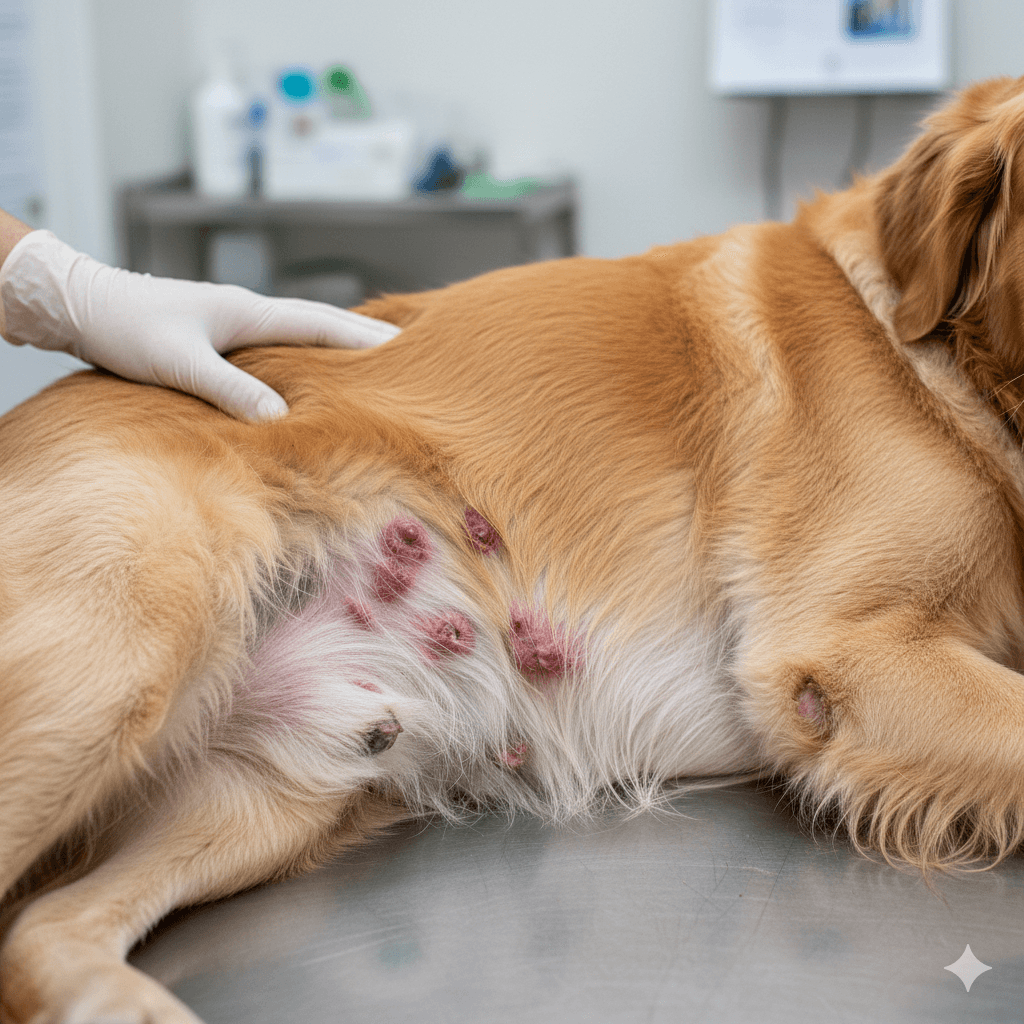
Symptoms of Pustular Dermatitis in Dogs
Recognizing the signs of pustular dermatitis early allows for prompt intervention, minimizing discomfort and preventing complications. These symptoms can vary in severity but typically include visible skin changes and behavioral cues.
- Pus-Filled Lesions:
Raised, inflamed bumps filled with pus appear on the skin, often breaking open and forming crusts. These lesions are painful and may ooze fluid when ruptured. - Intense Itching and Scratching:
Dogs frequently scratch, lick, or chew at affected areas due to severe irritation. This behavior worsens the condition by introducing bacteria into open sores. - Hair Loss and Redness:
Patchy hair loss and reddened skin accompany pustular dermatitis, especially around the paws, ears, or abdomen. The exposed skin becomes more vulnerable to further damage. - Odor from Infected Areas:
A foul smell emanates from infected regions due to bacterial overgrowth. This odor is often one of the first noticeable signs of infection. - Lethargy and Behavioral Changes:
Chronic discomfort leads to reduced activity levels, irritability, or withdrawal, indicating systemic distress caused by the skin condition.
Early detection of these symptoms enables timely veterinary care, improving outcomes and reducing recovery time significantly.
Check this guide 👉Understanding Pododermatitis in Dogs: Best 7 Expert Tips!
Check this guide 👉Flea Allergy Dermatitis in Dogs: Best 7 Expert Tips!
Check this guide 👉Pyoderma Treatment in Dogs: Best 7 Expert Tips!
Preventive Measures | Signs Your Dog May Need Immediate Vet Care |
|---|---|
Regular grooming and bathing with hypoallergenic products | Persistent scratching leading to open sores or bleeding |
Year-round flea and tick prevention | Rapid onset of swelling, redness, or pus-filled lesions |
Maintaining a balanced, high-quality diet | Behavioral changes like lethargy or loss of appetite |
Minimizing exposure to known allergens | Foul odor emanating from affected areas |
Scheduling routine vet check-ups for skin health | Symptoms worsening despite home care or treatment attempts |
Diagnosis Process for Pustular Dermatitis
Accurate diagnosis of pustular dermatitis involves a combination of physical exams, tests, and evaluations to pinpoint the exact cause. Veterinarians use various tools to differentiate between potential triggers and develop an effective treatment plan.
- Physical Examination:
The vet inspects the skin for lesions, redness, and other abnormalities while noting the distribution and severity of symptoms. - Skin Scrapings:
Microscopic analysis of skin scrapings detects mites or fungal elements, helping rule out parasitic or fungal causes. - Cytology Testing:
Impression smears or swabs of pustules identify bacterial or yeast organisms, guiding antibiotic or antifungal therapy choices. - Biopsy and Histopathology:
Tissue samples provide detailed information about cellular changes, aiding in diagnosing autoimmune or chronic conditions. - Allergy Testing:
Serum or intradermal tests reveal allergens contributing to hypersensitivity reactions, enabling dietary or environmental adjustments.
Thorough diagnostic work ensures precise identification of the underlying issue, allowing for tailored and effective treatment strategies.
Treatment Options for Pustular Dermatitis
Treating pustular dermatitis focuses on alleviating symptoms, addressing the root cause, and preventing future flare-ups. A multimodal approach combines topical, oral, and lifestyle interventions for comprehensive care.
- Antibiotics for Bacterial Infections:
Oral or injectable antibiotics target bacterial overgrowth, reducing pus formation and promoting healing. Compliance with prescribed courses is crucial to avoid resistance. - Antifungal Medications:
Topical creams, shampoos, or oral antifungals combat yeast or fungal infections, restoring skin health and reducing irritation. - Steroids or Immunosuppressants:
In autoimmune cases, corticosteroids or drugs like cyclosporine suppress immune responses, controlling inflammation and lesion development. - Medicated Shampoos and Topicals:
Shampoos containing chlorhexidine, ketoconazole, or oatmeal soothe irritated skin, reduce infection risks, and aid in healing. - Dietary Adjustments:
Hypoallergenic diets eliminate potential food allergens, reducing allergic reactions and supporting overall skin barrier function.
Consistent adherence to treatment protocols ensures optimal recovery and minimizes the likelihood of recurring episodes.
Preventing Recurrence of Pustular Dermitis
Preventing future flare-ups of pustular dermatitis requires proactive measures to maintain skin health and minimize exposure to triggers. Regular care and observation play a key role in long-term management.
- Routine Grooming:
Regular bathing with hypoallergenic shampoos removes dirt, allergens, and excess oils, keeping the skin clean and healthy. - Flea and Tick Prevention:
Year-round parasite control prevents infestations that lead to scratching and secondary infections, safeguarding against dermatitis. - Environmental Modifications:
Reducing exposure to allergens like pollen, dust mites, or mold minimizes the risk of allergic reactions triggering dermatitis. - Balanced Nutrition:
High-quality diets rich in omega-3 fatty acids support skin integrity and strengthen the immune system, reducing susceptibility to infections. - Regular Vet Check-Ups:
Scheduled examinations monitor skin health and detect early warning signs before they escalate into full-blown outbreaks.
By implementing these preventive strategies, you create a healthier environment for your dog, reducing the chances of recurring dermatitis episodes.
Long-Term Management for Chronic Cases
For dogs with chronic or recurrent pustular dermatitis, ongoing management is essential to maintain quality of life and prevent complications. Tailored care plans address individual needs and focus on sustained relief.
- Lifestyle Adjustments:
Minimizing stress, providing adequate exercise, and ensuring a comfortable living space improve overall well-being and reduce flare-up risks. - Supplements for Skin Health:
Omega-3 fatty acids, biotin, and zinc supplements enhance skin resilience, repair barriers, and reduce inflammation over time. - Customized Allergy Plans:
Immunotherapy (allergy shots) desensitizes dogs to specific allergens, offering long-term relief from hypersensitivity reactions. - Monitoring and Documentation:
Keeping a symptom diary tracks patterns, identifies triggers, and helps vets adjust treatment plans as needed for optimal results. - Supportive Therapies:
Alternative treatments like acupuncture or herbal remedies complement conventional therapies, promoting holistic healing and comfort.
Long-term commitment to managing chronic cases ensures your dog enjoys a happy, active life despite their skin condition.
Special Considerations for High-Risk Breeds
Certain breeds are predisposed to developing pustular dermatitis due to genetic factors, skin structure, or immune system vulnerabilities. Owners of these breeds should take extra precautions to protect their dogs’ skin health.
- Bulldogs and Boxers:
These brachycephalic breeds have sensitive skin prone to irritation and infections, requiring diligent grooming and parasite control. - Golden Retrievers:
Known for allergies and skin sensitivities, Golden Retrievers benefit from hypoallergenic diets and regular allergy testing. - Doberman Pinschers:
This breed is susceptible to autoimmune disorders like pemphigus, necessitating close monitoring and early intervention. - German Shepherds:
Prone to demodectic mange, German Shepherds require routine parasite prevention and immune support to maintain skin health. - Shih Tzus and Lhasa Apsos:
Their thick coats trap moisture and debris, increasing infection risks; frequent brushing and drying are essential.
Understanding breed-specific risks empowers owners to provide targeted care, reducing the likelihood of pustular dermatitis and its complications.
“Pustular dermatitis in dogs, commonly classified as superficial pyoderma or impetigo, presents as red, raised papules or white pus-filled pustules that often resemble human pimples and typically appear on the trunk, ventrum, or skin folds.” – Ryan Llera, BSc, DVM
Frequently Asked Questions About Pustular Dermatitis in Dogs
What causes pus-filled bumps on a dog’s skin?
Pus-filled bumps, or pustules, typically result from bacterial infections, allergies, parasites, or autoimmune disorders that inflame the skin.
How long does it take for pustular dermatitis to heal?
With proper treatment, mild cases may resolve within 1–2 weeks, while chronic or severe cases can take several weeks to months for full recovery.
Can I use over-the-counter creams for my dog’s pustules?
Avoid using human creams without veterinary approval, as they may worsen the condition or cause adverse reactions in dogs.
Is pustular dermatitis contagious to other pets?
Most cases are not contagious, but if caused by parasites or fungal infections, transmission to other animals is possible.
When should I see a vet for my dog’s skin condition?
Seek veterinary care immediately if your dog shows signs of pain, persistent itching, hair loss, or systemic symptoms like lethargy or fever.
Supporting Your Dog Through Pustular Dermatitis Recovery
Managing pustular dermatitis requires patience, dedication, and a proactive approach to your dog’s overall health. By addressing the root cause, adhering to treatment protocols, and implementing preventive measures, you give your dog the best chance at a comfortable, itch-free life. Remember, early detection and consistent care make all the difference in overcoming this challenging condition. With your love and support, your furry companion will thrive despite the hurdles of pustular dermatitis—a testament to the unbreakable bond between you and your pet.

Is Rawhide Bad for Cats? Best 7 Expert Tips! – Discover the risks, safe alternatives, and expert advice to keep your feline friend healthy and happy.

Is Rawhide Bad for Dogs? Best 7 Expert Tips! – Discover the risks, benefits, and safer alternatives to rawhides for your dog’s chewing needs.

Understanding Anorexia in Cats: Best 7 Expert Tips! – Learn why cats stop eating, spot warning signs, and discover how to help your feline regain appetite safely.

Understanding Anorexia in Dogs: Best 7 Expert Tips! – Learn causes, symptoms, and solutions to help your dog regain appetite and stay healthy.