
Is Tea Tree Oil Safe for Dogs?
Tea tree oil is a popular natural remedy for humans, but its safety for dogs is a topic of concern among pet owners. While it offers potential benefits, improper use can lead to toxicity and serious health issues in dogs. Understanding the risks and proper application is crucial to keeping your furry friend safe.
Potential Benefits of Tea Tree Oil for Dogs
While tea tree oil can be toxic if misused, it does offer some potential benefits when diluted and applied correctly under veterinary guidance. Its antimicrobial, antifungal, and anti-inflammatory properties make it useful for addressing specific skin issues in dogs. However, these benefits must always be weighed against the risks of improper use.
- Antimicrobial Properties:
Tea tree oil contains terpenes, which are natural compounds that help kill bacteria and prevent infections on minor wounds or cuts. When diluted properly, it can aid in keeping injuries clean during recovery. - Antifungal Effects:
Fungal infections like ringworm or yeast overgrowth can be stubborn to treat. Tea tree oil’s antifungal properties may help reduce symptoms when used sparingly and in appropriate concentrations. - Anti-Inflammatory Action:
Inflammation from insect bites, hot spots, or allergic reactions can cause discomfort. Diluted tea tree oil may soothe irritated skin and reduce redness or swelling when applied topically. - Repelling Pests Naturally:
Some pet owners use diluted tea tree oil as part of a homemade flea or tick repellent spray. While effective, extreme caution is required to avoid overexposure or toxicity risks. - Supporting Ear Health:
Ear infections caused by yeast or bacteria sometimes respond to carefully diluted solutions containing tea tree oil. Always consult your vet before attempting this remedy at home.
While these benefits exist, they come with significant caveats. Improper use or excessive concentrations can lead to severe side effects, making professional advice essential before using tea tree oil on your dog.
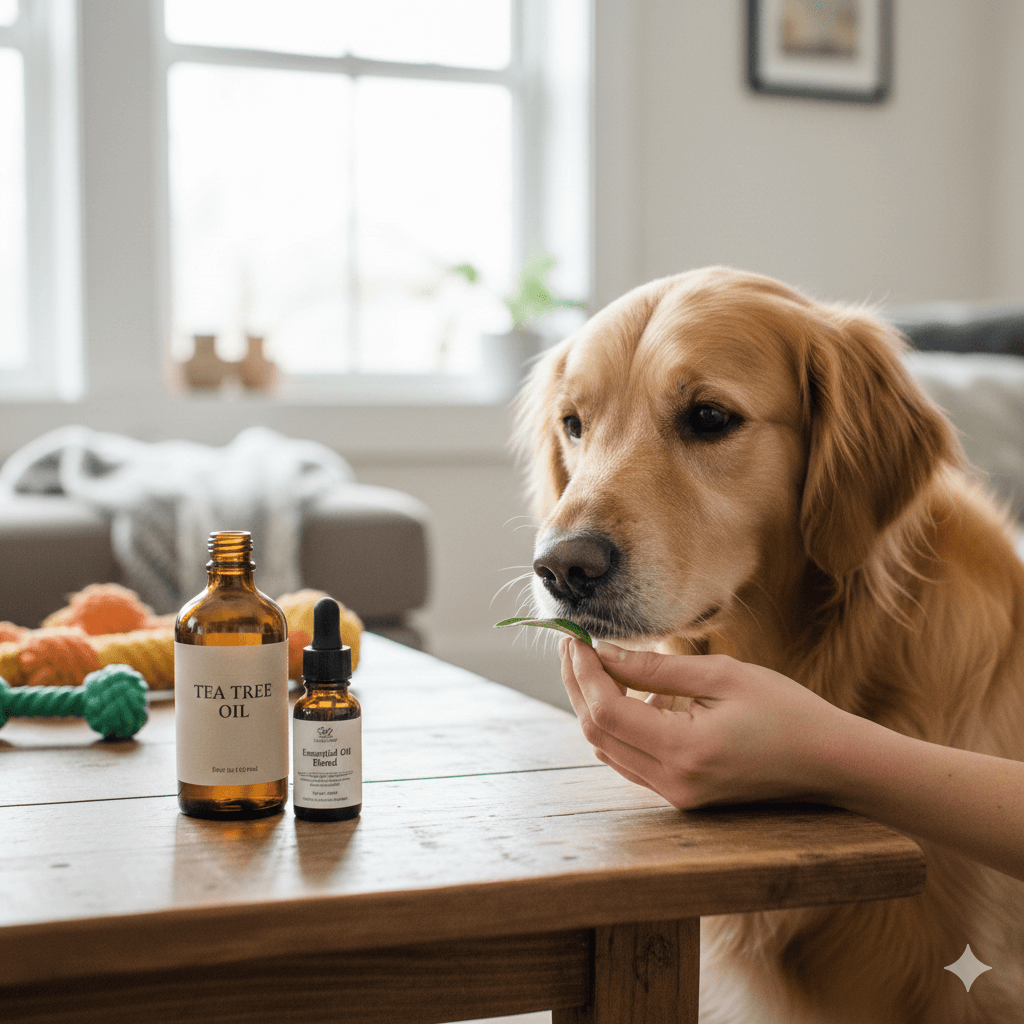
Risks of Using Tea Tree Oil on Dogs
Tea tree oil poses serious risks to dogs if used incorrectly or in undiluted form. Even small amounts can cause adverse reactions ranging from mild irritation to life-threatening toxicity. Understanding these dangers ensures you prioritize your dog’s safety above all else.
- Skin Irritation and Burns:
Undiluted tea tree oil can burn your dog’s sensitive skin, leading to redness, blistering, or painful sores that worsen rather than heal. - Poisoning Through Ingestion:
Dogs often lick treated areas, ingesting residual oil. This ingestion can result in vomiting, diarrhea, drooling, or tremors due to systemic toxicity. - Respiratory Distress:
Inhaling concentrated vapors from diffusers or improperly stored oils irritates nasal passages and lungs, causing coughing, wheezing, or difficulty breathing. - Neurological Symptoms:
High doses of tea tree oil depress the central nervous system, potentially causing weakness, uncoordination, seizures, or even coma in severe cases. - Allergic Reactions:
Not all dogs tolerate tea tree oil well; some develop rashes, hives, or anaphylactic-like responses after exposure, necessitating immediate veterinary care.
These risks highlight why many veterinarians advise against using tea tree oil unless explicitly prescribed or supervised by a professional.
Check this guide 👉Dog Ear Infection and Tea Tree Oil: Best 7 Expert Tips!
Check this guide 👉Coconut Oil for Dogs Fleas: Best 7 Expert Tips!
Check this guide 👉Can I Give My Dog Olive Oil Every Day? Best 7 Expert Tips!
| Safe Alternatives for Dogs | Risks of Tea Tree Oil for Dogs |
|---|---|
| Coconut oil for skin irritation | Skin burns and irritation from undiluted use |
| Oatmeal baths for itching | Poisoning through ingestion or inhalation |
| Veterinary-prescribed treatments | Neurological symptoms like tremors or seizures |
| Chamomile extracts for inflammation | Respiratory distress from inhaling vapors |
| Apple cider vinegar rinse for minor issues | Allergic reactions or anaphylaxis in sensitive dogs |
Safe Dilution Ratios for Tea Tree Oil
If you decide to use tea tree oil for your dog, proper dilution is non-negotiable. Undiluted application is never safe, and precise ratios ensure minimal risk while maximizing efficacy. Always follow expert guidelines to protect your pet’s health.
- General Rule of Thumb:
A common recommendation is a 0.1%–1% dilution ratio—approximately 1 drop of tea tree oil per 1–2 teaspoons of carrier oil (e.g., coconut or olive oil). - Patch Testing First:
Before widespread use, apply a small amount of diluted solution to a patch of skin and observe for 24 hours to check for adverse reactions. - Avoid Sensitive Areas:
Never apply tea tree oil near eyes, ears, nose, genitals, or mucous membranes, as these areas absorb substances more readily and are prone to irritation. - Use Only High-Quality Oils:
Choose pure, therapeutic-grade tea tree oil free from additives or synthetic contaminants that could exacerbate toxicity risks. - Limit Frequency of Application:
Restrict usage to once daily or every other day to prevent cumulative effects that might harm your dog’s skin or overall health.
Proper dilution significantly reduces risks but doesn’t eliminate them entirely—always err on the side of caution.
Common Symptoms of Tea Tree Oil Toxicity in Dogs
Recognizing signs of tea tree oil toxicity early can save your dog’s life. Symptoms vary depending on the amount ingested or absorbed, but most manifest within hours of exposure. Monitoring closely helps identify problems quickly.
- Gastrointestinal Upset:
Vomiting, diarrhea, or excessive drooling are among the first indicators of oral exposure or ingestion of tea tree oil. - Lethargy and Weakness:
Toxicity affects the nervous system, leaving dogs unusually tired, unwilling to move, or struggling to stand upright. - Muscle Tremors or Seizures:
Central nervous system depression triggers shaking, twitching, or full-blown seizures in severe cases of poisoning. - Difficulty Breathing:
Labored breathing, rapid panting, or gasping indicates respiratory distress caused by inhaling or absorbing high concentrations of the oil. - Loss of Coordination:
Dogs may stagger, stumble, or appear disoriented due to neurological impairment from toxic levels of tea tree oil.
Immediate veterinary intervention is critical if any combination of these symptoms arises after exposure.
Alternatives to Tea Tree Oil for Dogs
Concerned about the risks? Fortunately, several safer alternatives exist for addressing similar issues without jeopardizing your dog’s health. These options provide comparable benefits without the same level of danger.
- Coconut Oil:
Rich in lauric acid, coconut oil boasts antibacterial and antifungal properties ideal for soothing dry or irritated skin safely. - Oatmeal Baths:
Colloidal oatmeal shampoos relieve itching, inflammation, and allergies without introducing harmful chemicals into your dog’s system. - Apple Cider Vinegar Rinse:
Diluted apple cider vinegar acts as a natural antiseptic and flea deterrent, though it should still be used cautiously around sensitive areas. - Chamomile Extracts:
Chamomile has calming, anti-inflammatory effects perfect for reducing redness and irritation caused by minor skin conditions. - Veterinary Prescription Treatments:
Medicated shampoos, sprays, or creams tailored to your dog’s needs offer targeted relief without the guesswork or risk of DIY remedies.
These alternatives ensure your dog receives effective care while minimizing potential hazards associated with essential oils like tea tree oil.
Steps to Take If Your Dog Is Exposed to Tea Tree Oil
If your dog accidentally comes into contact with tea tree oil, acting quickly can mitigate harm and prevent complications. Follow these steps to address the situation responsibly.
- Remove Residual Oil Immediately:
Wash affected areas thoroughly with mild soap and water to remove traces of tea tree oil from your dog’s fur or skin. - Prevent Licking or Ingestion:
Use an Elizabethan collar (cone) to stop your dog from licking treated spots and ingesting remaining oil. - Call Your Vet or Poison Control:
Contact your veterinarian or a pet poison hotline immediately for advice tailored to your dog’s size, breed, and exposure level. - Monitor for Symptoms:
Keep a close eye on your dog for signs of toxicity, such as vomiting, lethargy, or tremors, over the next 24–48 hours. - Seek Emergency Care if Needed:
If symptoms worsen or your dog ingests large quantities, rush them to the nearest animal hospital for professional treatment.
Quick thinking and decisive action protect your dog’s health during accidental exposures.
Preventing Accidental Exposure to Tea Tree Oil
Proactive measures significantly reduce the likelihood of your dog encountering tea tree oil or suffering its effects. Creating a safe environment prevents unnecessary risks and promotes peace of mind.
- Store Essential Oils Securely:
Keep all essential oils, including tea tree oil, out of reach in locked cabinets or high shelves inaccessible to curious pets. - Educate Family Members:
Ensure everyone in the household understands the dangers of tea tree oil and avoids using it around your dog without supervision. - Avoid Diffusing Around Pets:
Diffusers release concentrated vapors that dogs can inhale, posing respiratory risks; opt for pet-safe alternatives instead. - Label Products Clearly:
Clearly mark containers holding hazardous substances to prevent accidental misuse or mix-ups. - Choose Pet-Safe Cleaning Products:
Switch to cleaning and grooming products specifically formulated for dogs to eliminate cross-contamination risks.
Prevention is always better than cure—these simple steps safeguard your dog’s well-being and reduce stress for both of you.
“Pure tea tree oil is not safe for dogs. In fact, as little as seven drops of 100% tea tree oil has caused poisoning in dogs.”
— Barri J. Morrison, DVM
Frequently Asked Questions About Tea Tree Oil and Dogs
Is tea tree oil safe for dogs if diluted?
While dilution reduces risks, it doesn’t eliminate them entirely. Always consult your vet before using tea tree oil on your dog, even in diluted form.
Can I use tea tree oil for my dog’s ear infection?
It’s not recommended unless prescribed by a veterinarian. Improper use can worsen infections or cause toxicity.
What should I do if my dog licks tea tree oil?
Rinse their mouth with water immediately and call your vet or a pet poison hotline for further guidance.
Are there any dog-safe essential oils?
Some oils, like lavender (heavily diluted), may be safer, but they still carry risks. Always check with your vet before use.
How long does it take for tea tree oil toxicity symptoms to appear?
Symptoms typically show within a few hours of exposure, but neurological effects may take longer to manifest.
A Lifeline in Every Moment of Caution
Tea tree oil may seem like a natural solution, but its risks for dogs outweigh its benefits if not handled carefully. Understanding both the potential uses and dangers empowers you to make informed decisions that prioritize your pet’s health. Whether opting for safer alternatives or seeking veterinary advice, remember that prevention and caution are your greatest allies. By staying vigilant and informed, you ensure your dog remains happy, healthy, and free from harm—because their well-being is worth every ounce of care and attention.

Is Rawhide Bad for Cats? Best 7 Expert Tips! – Discover the risks, safe alternatives, and expert advice to keep your feline friend healthy and happy.

Is Rawhide Bad for Dogs? Best 7 Expert Tips! – Discover the risks, benefits, and safer alternatives to rawhides for your dog’s chewing needs.

Understanding Anorexia in Cats: Best 7 Expert Tips! – Learn why cats stop eating, spot warning signs, and discover how to help your feline regain appetite safely.

Understanding Anorexia in Dogs: Best 7 Expert Tips! – Learn causes, symptoms, and solutions to help your dog regain appetite and stay healthy.