
Why Snake Avoidance Training for Dogs Is Essential
Encounters with snakes can pose serious risks to your dog’s safety, especially in areas where venomous species are common. Snake avoidance training teaches dogs to recognize and steer clear of these potentially dangerous reptiles, reducing the likelihood of bites. By investing in this specialized training, you not only protect your furry companion but also give yourself peace of mind during outdoor adventures.
Why Snake Avoidance Training Is Crucial for Dogs
Snake encounters can happen anywhere, from hiking trails to your backyard, and the consequences of a bite can be life-threatening. Venomous snakes like rattlesnakes, copperheads, or coral snakes pose significant risks to dogs, who are naturally curious and may approach these creatures without hesitation. Snake avoidance training equips your dog with the skills to recognize and avoid snakes, ensuring their safety in snake-prone areas. This specialized training not only saves lives but also strengthens the bond between you and your pet by fostering trust and confidence during outdoor activities.
- Protecting Against Venomous Bites:
Venomous snakes inject toxins that can cause tissue damage, organ failure, or even death if left untreated. Training helps dogs avoid these dangerous encounters altogether. - Preventing Curiosity-Driven Accidents:
Dogs are naturally inquisitive and may sniff or poke at snakes out of curiosity. Training teaches them to recognize snakes as threats and back away immediately. - Reducing Veterinary Costs:
Snakebite treatment can be expensive, often involving antivenom, hospitalization, and intensive care. Avoidance training minimizes the risk of costly emergencies. - Enhancing Outdoor Safety:
Whether you live in a rural area or enjoy hiking with your dog, snake avoidance training ensures safer adventures in environments where snakes are present. - Building Confidence in Your Dog:
Training not only teaches avoidance but also boosts your dog’s awareness and decision-making skills, making them more reliable companions outdoors.
By prioritizing snake avoidance training, you take proactive steps to safeguard your dog’s well-being while enjoying nature together.
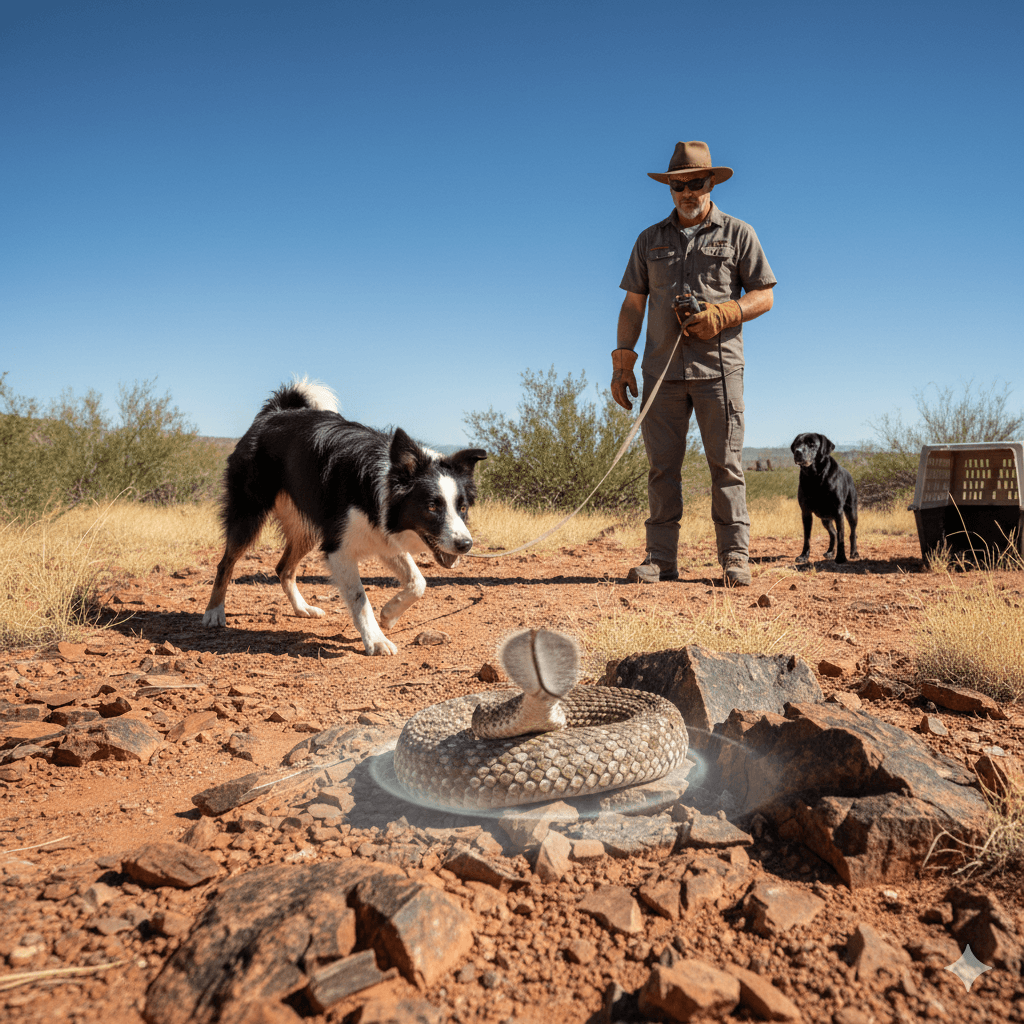
How Snake Avoidance Training Works
Snake avoidance training uses controlled, safe exposure to teach dogs to identify and avoid snakes. Professional trainers employ specific techniques to simulate real-life scenarios without putting your dog at risk. The goal is to create a lasting association between snakes and danger, ensuring your dog responds appropriately in the future. Understanding the process helps you appreciate its effectiveness and prepares you for what to expect during sessions.
- Controlled Exposure to Snakes:
Trainers use live, muzzled, or defanged snakes in a secure environment to introduce dogs to their scent, movement, and appearance. - Positive Reinforcement Techniques:
Dogs learn through rewards-based methods, associating avoidance behaviors with positive outcomes like treats or praise. - E-Collar Conditioning (Optional):
Some programs use low-level e-collar stimulation to reinforce avoidance commands, ensuring dogs understand the urgency of staying away. - Simulated Outdoor Scenarios:
Trainers replicate natural settings, such as grassy fields or rocky terrain, to prepare dogs for real-world encounters. - Reinforcing Long-Term Retention:
Follow-up sessions ensure dogs retain their training over time, maintaining their ability to respond effectively in various situations.
This structured approach ensures dogs develop reliable avoidance behaviors that last a lifetime.
Check this guide 👉Intensive Dog Training: Best 7 Expert Tips!
Check this guide 👉Advanced Dog Training: Best 7 Expert Tips!
Check this guide 👉Mobility Service Dog Training: Best 7 Expert Tips!
Benefits of Snake Avoidance Training | Signs Your Dog Needs This Training |
|---|---|
Reduces the risk of snakebite incidents | You live in a region with venomous snakes |
Enhances your dog’s safety during outdoor activities | Your dog frequently explores wooded or grassy areas |
Builds your dog’s awareness of potential dangers | Your dog shows curiosity toward wildlife or reptiles |
Minimizes costly veterinary emergencies | Your dog has encountered snakes in the past |
Strengthens the bond between you and your dog | Your dog lacks natural caution around unfamiliar creatures |
Benefits of Snake Avoidance Training for Dogs
Snake avoidance training offers numerous advantages beyond just preventing bites. It enhances your dog’s overall safety, reduces stress during outdoor activities, and provides peace of mind for pet owners. Investing in this training pays off in both immediate and long-term ways, making it a worthwhile addition to your dog’s education.
- Life-Saving Skills:
Training gives dogs the tools they need to avoid potentially fatal encounters with venomous snakes. - Increased Awareness of Surroundings:
Dogs become more attuned to their environment, noticing subtle signs of danger like rustling leaves or unusual smells. - Peace of Mind for Owners:
Knowing your dog can navigate snake-prone areas safely allows you to relax and enjoy outdoor time together. - Improved Obedience and Focus:
The training reinforces obedience skills, teaching dogs to listen closely to commands even in distracting situations. - Strengthened Human-Dog Bond:
Working together during training sessions builds trust and deepens the connection between you and your dog.
These benefits make snake avoidance training an invaluable investment in your dog’s safety and happiness.
Common Myths About Snake Avoidance Training
Misconceptions about snake avoidance training can discourage some pet owners from pursuing it. However, understanding the facts dispels fears and highlights its importance. Addressing these myths ensures you make informed decisions about your dog’s safety.
- Myth: E-Collars Are Harmful:
Fact: When used correctly, low-level e-collars provide gentle reinforcement without causing pain or distress. - Myth: Training Only Works for Certain Breeds:
Fact: Dogs of all breeds, sizes, and temperaments can benefit from snake avoidance training with proper guidance. - Myth: One Session Is Enough:
Fact: Refresher courses are essential to maintain your dog’s skills and ensure long-term retention. - Myth: Dogs Will Forget Their Training Over Time:
Fact: Regular practice and reinforcement keep avoidance behaviors sharp and reliable. - Myth: Training Makes Dogs Fearful of All Reptiles:
Fact: Training specifically targets snakes; dogs won’t confuse lizards or turtles with dangerous reptiles.
Separating fact from fiction empowers you to prioritize your dog’s safety confidently.
Signs Your Dog Needs Snake Avoidance Training
If you live in a snake-prone region or frequently explore wild areas with your dog, snake avoidance training is highly recommended. Recognizing the signs that indicate your dog could benefit from this training ensures you act proactively to protect them.
- Living in Snake-Prone Areas:
If rattlesnakes, copperheads, or other venomous species inhabit your region, training is essential for your dog’s safety. - Frequent Outdoor Adventures:
Hiking, camping, or exploring wooded areas increases the likelihood of snake encounters. - Curious or Bold Personality Traits:
Dogs who investigate every sound or movement are more likely to approach snakes dangerously. - Previous Snake Encounters:
If your dog has encountered a snake before, whether bitten or not, training prevents future incidents. - Lack of Natural Caution:
Some dogs lack innate wariness of wildlife, making them especially vulnerable to snake-related accidents.
Identifying these factors helps you determine whether snake avoidance training is right for your dog.
How to Prepare Your Dog for Snake Avoidance Training
Proper preparation ensures your dog gets the most out of their snake avoidance training experience. From basic obedience skills to mental readiness, laying the groundwork sets your dog up for success.
- Master Basic Commands First:
Ensure your dog reliably follows commands like “sit,” “stay,” and “come” before starting training. - Introduce Them to New Environments:
Expose your dog to different terrains and settings to build adaptability and reduce anxiety during training. - Work on Focus and Attention:
Teach your dog to maintain focus on you, even in distracting or unfamiliar situations. - Choose a Reputable Trainer:
Research certified professionals with experience in snake avoidance training to ensure quality instruction. - Schedule Sessions Strategically:
Plan training during cooler months when snakes are less active, allowing for safer outdoor practice.
Preparation maximizes the effectiveness of the training and ensures a smooth learning process.
What to Expect During and After Training
Understanding what happens during and after snake avoidance training helps you set realistic expectations and support your dog’s progress. While results vary depending on the dog, most show significant improvement within a few sessions.
- Initial Introduction Phase:
Your dog will first encounter snakes under controlled conditions to learn their scent and behavior patterns. - Behavioral Reinforcement Steps:
Trainers use rewards or corrections to reinforce avoidance behaviors consistently. - Realistic Scenario Practice:
Dogs practice avoiding snakes in simulated outdoor environments to mimic real-life situations. - Post-Training Evaluation:
Trainers assess your dog’s progress and provide feedback on areas needing reinforcement. - Ongoing Maintenance Sessions:
Regular refresher courses ensure your dog retains their skills and remains vigilant against snake encounters.
With consistent follow-up, your dog will maintain their newfound ability to avoid snakes effectively.
“Most importantly, this protocol demonstrates that snake avoidance can be trained positively. It is clear why many people are drawn to aversive tools. The draw comes from a desperate desire to protect their pets, and many trainers searching for a solution are simply not aware that positive options exist.”
Frequently Asked Questions About Snake Avoidance Training
What is snake avoidance training?
Snake avoidance training teaches dogs to recognize and stay away from snakes, especially venomous species, using controlled exposure and reinforcement techniques.
How long does the training take?
Most sessions last 1–2 hours, but multiple sessions or refresher courses may be needed for optimal results.
Is snake avoidance training safe for my dog?
Yes, professional trainers use safe methods like muzzled snakes or e-collars at low levels to ensure your dog’s well-being during training.
Can any dog undergo this training?
Yes, dogs of all breeds, sizes, and temperaments can benefit from snake avoidance training with proper guidance and patience.
How often should I refresh the training?
Annual refresher courses are recommended to maintain your dog’s skills and reinforce their ability to avoid snakes effectively.
A Lifeline in Every Outdoor Adventure
Snake avoidance training is more than just a precaution—it’s a life-saving investment in your dog’s safety and your peace of mind. By equipping your furry companion with the skills to recognize and avoid snakes, you empower them to explore the great outdoors confidently. Whether you live in snake-prone areas or simply enjoy hiking and camping, this training ensures that every adventure remains safe and enjoyable. Remember, prevention is always better than cure, and with snake avoidance training, you’re giving your dog the tools they need to thrive in any environment. Together, you and your dog can embrace nature without fear, knowing they’re prepared for whatever comes their way.

Is Rawhide Bad for Cats? Best 7 Expert Tips! – Discover the risks, safe alternatives, and expert advice to keep your feline friend healthy and happy.

Is Rawhide Bad for Dogs? Best 7 Expert Tips! – Discover the risks, benefits, and safer alternatives to rawhides for your dog’s chewing needs.

Understanding Anorexia in Cats: Best 7 Expert Tips! – Learn why cats stop eating, spot warning signs, and discover how to help your feline regain appetite safely.

Understanding Anorexia in Dogs: Best 7 Expert Tips! – Learn causes, symptoms, and solutions to help your dog regain appetite and stay healthy.