
Understanding Cat Bladder Stone Treatment: A Comprehensive Guide
Bladder stones in cats can cause discomfort, pain, and serious health complications if left untreated. These mineral formations develop in the urinary tract and often require prompt veterinary intervention to prevent obstruction or infection. By exploring effective treatment options, you can ensure your feline companion receives the care they need to thrive.
Common Causes of Bladder Stones in Cats
Bladder stones, also known as uroliths, form when minerals in a cat’s urine crystallize and aggregate. These stones can vary in size, shape, and composition, with struvite and calcium oxalate being the most common types. Understanding the underlying causes helps prevent recurrence and supports effective treatment.
- Dietary Imbalances:
High levels of certain minerals, such as magnesium, phosphorus, or calcium, in a cat’s diet can increase the risk of stone formation. Wet food diets are often recommended to promote hydration and reduce mineral concentration in urine. - Dehydration and Concentrated Urine:
Cats with low water intake produce highly concentrated urine, creating an ideal environment for crystal formation. Encouraging water consumption through fountains or moisture-rich foods is crucial for prevention. - Urinary Tract Infections (UTIs):
Bacterial infections can alter the pH of urine, promoting the development of struvite stones. Treating UTIs promptly reduces the likelihood of stone formation. - Genetic Predisposition:
Certain breeds, such as Persians and Himalayans, are more prone to bladder stones due to genetic factors influencing urine composition. Regular veterinary check-ups are essential for at-risk cats. - Sedentary Lifestyle:
Lack of physical activity may contribute to urinary stasis, where urine remains in the bladder for prolonged periods, increasing the risk of stone formation. Encouraging play and movement supports urinary health.
Identifying and addressing these causes is key to managing bladder stones effectively and ensuring your cat’s long-term well-being.
Symptoms of Bladder Stones in Cats
Bladder stones often cause noticeable changes in a cat’s behavior and urinary habits. Recognizing these symptoms early allows for timely intervention and minimizes discomfort.
- Frequent Urination Attempts:
Cats may visit the litter box more often but produce little to no urine due to partial or complete blockages caused by stones. - Straining or Vocalizing During Urination:
Discomfort or pain during urination often leads to vocalization or visible signs of distress, such as crouching for extended periods. - Blood in Urine:
Hematuria, or the presence of blood in urine, indicates irritation or damage to the bladder lining caused by sharp-edged stones. - Inappropriate Elimination:
Cats may urinate outside the litter box due to discomfort or frustration, signaling an underlying urinary issue that requires attention. - Lethargy or Loss of Appetite:
Chronic pain or infection associated with bladder stones can lead to decreased energy levels and reluctance to eat.
Monitoring these symptoms closely ensures prompt veterinary care, preventing complications like urinary obstructions or kidney damage.
Check this guide 👉Understanding Cat Bladder Anatomy: Best 7 Expert Tips!
Check this guide 👉Bladder Stones in Cats: Best 7 Expert Tips!
Check this guide 👉Do Cats Have Gallbladders? Best 7 Expert Tips!
Struvite Stones | Calcium Oxalate Stones |
|---|---|
Form in alkaline urine | Form in acidic urine |
Often dissolve with diet changes | Require surgical removal or lithotripsy |
Linked to urinary tract infections | Associated with dehydration or genetic factors |
Prescription diets lower pH | Diets focus on hydration, not dissolution |
Common in younger cats | More prevalent in older cats |
Types of Bladder Stones and Their Treatments
Different types of bladder stones require tailored treatment approaches based on their composition and severity. Accurate diagnosis through imaging and urine analysis is essential for effective management.
- Struvite Stones:
These stones form in alkaline urine and often dissolve with dietary modifications, such as prescription diets that acidify urine and reduce mineral content. - Calcium Oxalate Stones:
Unlike struvite stones, calcium oxalate stones do not dissolve and typically require surgical removal or procedures like lithotripsy to break them apart. - Urate Stones:
Rare in cats, urate stones are linked to liver disease or genetic conditions. Treatment involves addressing the underlying cause and altering urine pH. - Cystine Stones:
These stones result from a genetic defect affecting amino acid metabolism. Medications like tiopronin may help manage cystine levels in the urine. - Mixed Composition Stones:
When stones contain multiple mineral types, veterinarians often recommend surgery or a combination of dietary and medical therapies.
Understanding the specific type of stone ensures targeted treatment and reduces the risk of recurrence.
Non-Surgical Treatment Options for Bladder Stones
Not all bladder stones require invasive procedures. Non-surgical treatments focus on dissolving stones, managing symptoms, and preventing future episodes.
- Prescription Diets:
Specialized diets formulated to adjust urine pH and reduce mineral concentrations can dissolve struvite stones within weeks or months. - Increased Hydration:
Encouraging water intake through wet food, water fountains, or subcutaneous fluids helps dilute urine and flush out small crystals. - Medications for Pain and Inflammation:
Anti-inflammatory drugs or pain relievers alleviate discomfort while addressing secondary issues like urinary tract infections. - Urine Acidifiers:
Supplements or medications that lower urine pH can prevent struvite stone formation and support overall urinary health. - Regular Monitoring:
Frequent veterinary check-ups and urine tests ensure stones are dissolving properly and detect any new formations early.
Non-surgical options are ideal for mild cases but require consistent follow-up to ensure success.
Surgical Interventions for Severe Cases
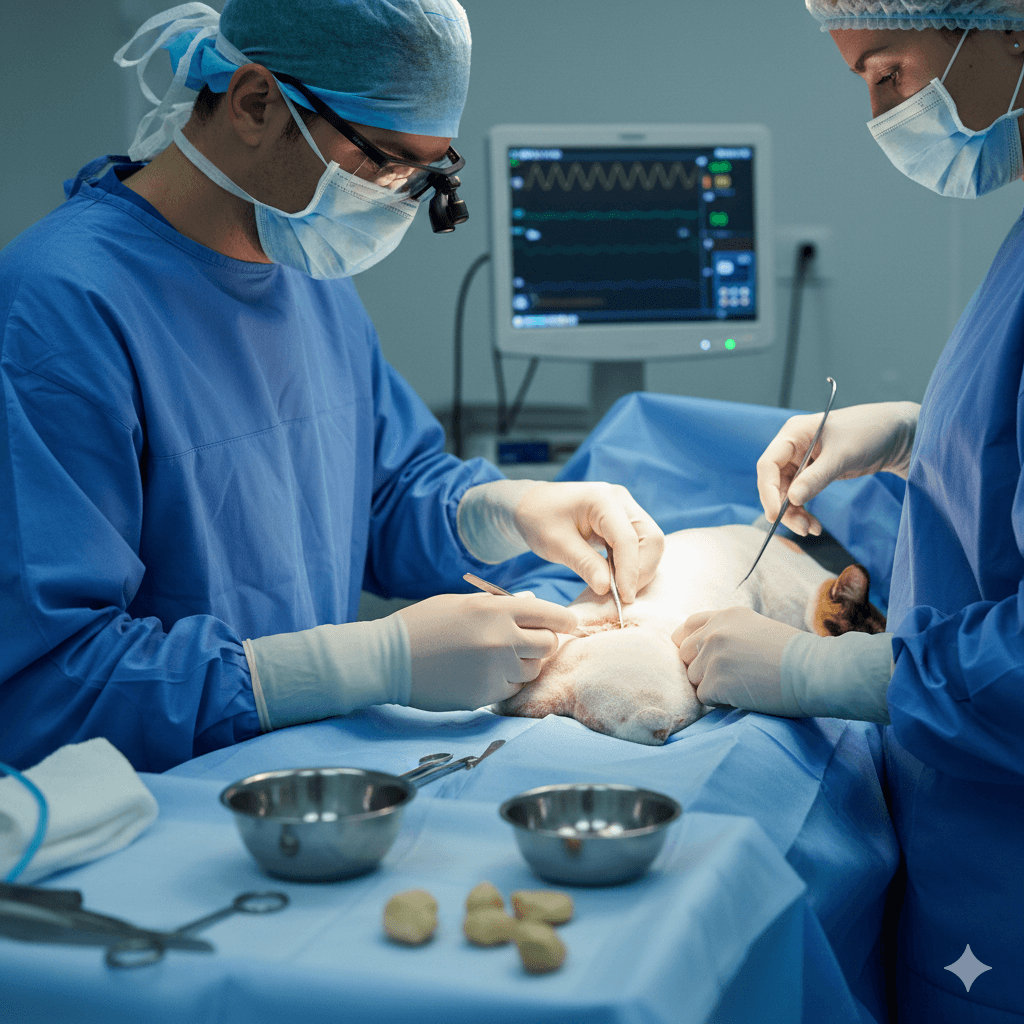
When bladder stones cannot be dissolved or pose an immediate threat, surgery becomes necessary. These procedures aim to remove stones safely and restore normal urinary function.
- Cystotomy Procedure:
This common surgery involves making an incision into the bladder to manually remove stones. It’s highly effective and allows for complete stone extraction. - Urethrostomy Surgery:
For male cats prone to recurrent blockages, urethrostomy widens the urethra to prevent future obstructions, though it’s considered a last resort. - Laser Lithotripsy:
A minimally invasive technique using lasers to break stones into smaller pieces that can pass naturally through the urinary tract. - Post-Surgical Care:
Antibiotics, pain management, and restricted activity are critical after surgery to prevent complications and promote healing. - Preventing Recurrence:
Post-surgical dietary adjustments and lifestyle changes reduce the risk of new stone formation, ensuring long-term urinary health.
Surgery provides immediate relief but must be paired with preventive measures to avoid repeat episodes.
Long-Term Management Strategies for Cats with Bladder Stones
Managing bladder stones doesn’t end with treatment; ongoing care is essential to maintain urinary health and prevent recurrence. Proactive strategies safeguard your cat’s well-being over time.
- Consistent Dietary Management:
Feeding a balanced, species-appropriate diet tailored to your cat’s specific needs supports optimal urinary function and prevents mineral imbalances. - Routine Veterinary Exams:
Annual check-ups and urine screenings help detect early signs of stone formation or other urinary issues before they escalate. - Hydration-Focused Environment:
Providing fresh water sources, encouraging water intake, and incorporating wet food into meals keeps urine diluted and minimizes stone risks. - Environmental Enrichment:
Reducing stress through interactive toys, scratching posts, and safe spaces promotes overall health and indirectly supports urinary wellness. - Behavioral Observation:
Monitoring litter box habits, appetite, and energy levels ensures early detection of potential problems, allowing for swift action.
Long-term management combines nutrition, hydration, and vigilance to create a healthier life for your cat.
Preventing Bladder Stones in Cats
Prevention is always better than cure when it comes to bladder stones. Simple yet effective measures significantly reduce the likelihood of stone formation and protect your cat’s urinary system.
- Balanced Nutrition:
Feed high-quality, moisture-rich diets that limit excessive minerals and maintain proper urine pH to discourage crystallization. - Encourage Water Consumption:
Place multiple water bowls around the house or invest in a pet water fountain to entice your cat to drink more frequently. - Regular Litter Box Cleaning:
A clean litter box encourages frequent urination, reducing the risk of urinary stasis and stone formation. - Minimize Stressors:
Environmental stress can disrupt urinary health; maintaining a calm, predictable routine benefits both physical and emotional well-being. - Early Intervention for Symptoms:
Addressing minor urinary issues promptly prevents them from progressing into serious conditions like bladder stones or blockages.
By prioritizing prevention, you ensure your cat enjoys a happy, stone-free life for years to come.
“The fastest solution is to perform a cystotomy (surgery to open the bladder and remove the stones); however, it may not be the best option for patients that have other health concerns, or in whom general anesthesia could be risky.”
— Ryan Llera, BSc, DVM
Frequently Asked Questions About Cat Bladder Stone Treatment
Can bladder stones in cats dissolve on their own?
Struvite stones may dissolve with dietary changes and proper hydration, but calcium oxalate stones require medical or surgical intervention.
How much does surgery for bladder stones cost?
The cost varies depending on location and severity but typically ranges from $800 to $2,500, including diagnostics and post-operative care.
Are bladder stones painful for cats?
Yes, bladder stones can cause significant discomfort, especially during urination, and may lead to behavioral changes like aggression or lethargy.
What foods should I avoid to prevent bladder stones?
Avoid dry kibble-only diets and foods high in magnesium, phosphorus, or calcium, as these can contribute to stone formation.
Can bladder stones cause kidney damage?
If left untreated, bladder stones can lead to urinary blockages or infections that may progress to kidney damage over time.
Supporting Your Cat Through Bladder Stone Recovery
Bladder stones are a challenging condition, but with the right treatment and preventive measures, your cat can live a happy, healthy life. By understanding the causes, symptoms, and management strategies, you empower yourself to make informed decisions that prioritize your feline friend’s well-being. Whether through dietary adjustments, increased hydration, or veterinary interventions, every step you take contributes to their comfort and recovery. Remember, your dedication and vigilance are the foundation of their long-term urinary health—a testament to the love and care you provide every day.

Is Rawhide Bad for Cats? Best 7 Expert Tips! – Discover the risks, safe alternatives, and expert advice to keep your feline friend healthy and happy.

Is Rawhide Bad for Dogs? Best 7 Expert Tips! – Discover the risks, benefits, and safer alternatives to rawhides for your dog’s chewing needs.

Understanding Anorexia in Cats: Best 7 Expert Tips! – Learn why cats stop eating, spot warning signs, and discover how to help your feline regain appetite safely.

Understanding Anorexia in Dogs: Best 7 Expert Tips! – Learn causes, symptoms, and solutions to help your dog regain appetite and stay healthy.