
Understanding the Importance of a Healthy Dog Shape
A healthy dog shape is not just about appearance—it’s a reflection of your dog’s overall well-being and vitality. Maintaining an ideal body condition supports longevity, reduces the risk of chronic diseases, and ensures your furry friend stays active and happy. By focusing on proper nutrition, exercise, and regular vet check-ups, you can help your dog achieve and sustain a healthy shape throughout their life.
Signs of a Healthy Dog Shape
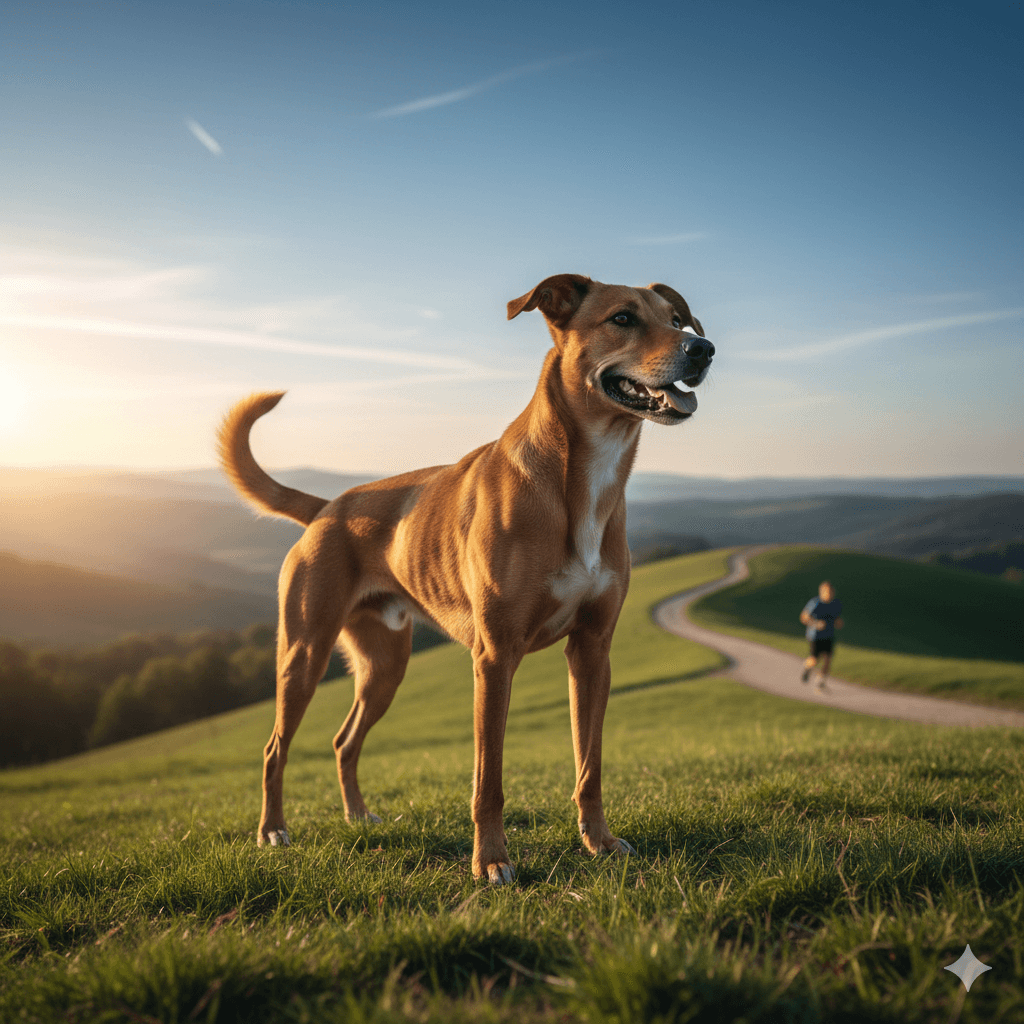
A dog’s body condition is a key indicator of their overall health. Understanding the signs of a healthy shape helps you assess whether your dog is underweight, overweight, or in ideal condition. Veterinarians often use body scoring systems to evaluate fat distribution, muscle tone, and overall proportions. Regularly monitoring these factors ensures your dog stays in peak physical form.
- Visible Waistline When Viewed from Above:
A clear tapering behind the ribs indicates a healthy weight; an overly rounded shape may signal excess fat. - Ribcage Palpable but Not Visible:
You should be able to feel your dog’s ribs with gentle pressure without seeing them protrude excessively. - Muscular Tone and Firmness:
Healthy dogs have firm muscles, especially in the shoulders, hips, and legs, which reflect regular exercise and activity. - No Excess Fat Pads Around the Base of the Tail:
Fat accumulation near the tail or lower back often suggests your dog is carrying extra weight. - Energy Levels Match Age and Breed Expectations:
Dogs in good shape are energetic and playful, while lethargy or sluggishness can indicate underlying issues like obesity or poor conditioning.
By regularly checking for these signs, you can ensure your dog maintains a balanced and healthy physique that supports their long-term well-being.
Factors That Influence a Dog’s Body Shape
Several factors contribute to a dog’s body shape, including genetics, diet, activity level, and even emotional health. Understanding these influences allows you to tailor care practices that promote a healthy physique. Each factor plays a unique role in shaping your dog’s overall condition and requires careful attention.
- Genetics and Breed Characteristics:
Certain breeds naturally lean toward stockier builds (e.g., Bulldogs) or slender frames (e.g., Greyhounds), affecting their ideal body shape. - Nutritional Quality and Balance:
High-quality proteins, fats, and carbohydrates provide essential nutrients that fuel muscle development and maintain optimal weight. - Daily Exercise Routine:
Regular walks, playtime, and mental stimulation prevent obesity and strengthen muscles, bones, and joints over time. - Age and Metabolism Changes:
Younger dogs typically burn calories faster, while seniors may require reduced portions to avoid weight gain due to slower metabolism. - Emotional Well-Being and Stress Levels:
Anxiety or boredom can lead to overeating or lack of movement, impacting your dog’s ability to maintain a healthy shape.
Addressing these factors holistically ensures your dog achieves and sustains a body shape that reflects vitality and balance.
Check this guide 👉Is a Wet Nose a Sign of a Healthy Dog: Best 7 Expert Tips!
Check this guide 👉Is Freeze-Dried Dog Food Healthy? Best 7 Expert Tips!
Check this guide 👉Healthiest Large Dog Breeds: Best 7 Expert Tips!
Signs of a Healthy Dog Shape | Tips to Maintain It |
|---|---|
Visible waistline when viewed from above | Measure meals to prevent overfeeding |
Ribs palpable but not visibly protruding | Feed high-quality, nutrient-dense food |
Firm muscles in shoulders, hips, and legs | Incorporate daily walks and playtime |
No excess fat pads near the tail or back | Avoid table scraps and empty-calorie treats |
Energy levels match age and breed norms | Schedule regular vet check-ups for guidance |
How Diet Impacts Your Dog’s Shape
Diet is one of the most critical components in maintaining a healthy dog shape. Feeding appropriate portions of nutrient-dense food supports muscle growth, energy levels, and metabolic function. Poor dietary choices, such as overfeeding or relying on low-quality ingredients, can quickly lead to obesity or malnutrition.
- Protein for Muscle Maintenance:
Lean proteins like chicken, fish, or lamb help build and repair muscles, keeping your dog strong and agile. - Controlled Calorie Intake Prevents Obesity:
Overfeeding, even with high-quality food, leads to excessive weight gain; measuring meals prevents this risk. - Healthy Fats Support Skin and Coat Health:
Omega-3 fatty acids improve skin elasticity, reduce inflammation, and enhance coat shine, contributing to a vibrant appearance. - Avoiding Empty Calories and Fillers:
Low-quality carbs like corn or soy add bulk without nutrition, potentially causing digestive issues or unwanted weight gain. - Hydration for Metabolic Function:
Fresh water aids digestion, flushes toxins, and supports cellular processes that regulate body composition.
Feeding your dog a balanced diet tailored to their needs sets the foundation for achieving and maintaining a healthy shape.
The Role of Exercise in Achieving a Healthy Shape
Exercise is essential for sculpting and maintaining a healthy dog shape. Physical activity not only burns calories but also strengthens muscles, improves cardiovascular health, and boosts mental well-being. A sedentary lifestyle, on the other hand, contributes to obesity and related health problems.
- Walking Builds Endurance and Burns Calories:
Daily walks at varying intensities help regulate weight and improve cardiovascular fitness. - Running or Sprinting Enhances Agility:
Short bursts of high-intensity exercise engage fast-twitch muscle fibers, promoting strength and speed. - Interactive Play Stimulates Mental Engagement:
Games like fetch or tug-of-war combine physical exertion with cognitive challenges, reducing stress and boredom. - Swimming Provides Low-Impact Conditioning:
Water-based activities offer resistance training without straining joints, ideal for older or arthritic dogs. - Consistency Over Intensity Matters Most:
Moderate daily exercise is more effective than sporadic intense workouts for long-term health benefits.
Incorporating diverse exercises into your dog’s routine ensures they stay fit, happy, and physically resilient.
Identifying Warning Signs of Unhealthy Weight Gain
Unhealthy weight gain can creep up gradually, making it easy to overlook until serious problems arise. Recognizing early warning signs allows you to intervene before your dog’s health deteriorates. Addressing these red flags promptly prevents complications like diabetes, arthritis, or heart disease.
- Difficulty Feeling Ribs Beneath Fat Layers:
If significant pressure is needed to locate ribs, your dog may be carrying excess weight. - Increased Panting During Light Activity:
Obese dogs tire quickly and struggle to cool down during minimal exertion. - Lethargy or Reduced Interest in Play:
Excess weight strains joints and muscles, leading to decreased enthusiasm for physical activities. - Frequent Licking or Chewing Paws:
This behavior may indicate discomfort caused by added strain on limbs or joints due to extra weight. - Noticeable Fat Deposits Around Neck or Abdomen:
Excessive fat accumulation in these areas signals your dog is above their ideal body condition.
Early detection and intervention are crucial to reversing unhealthy weight trends and restoring your dog’s optimal shape.
Strategies to Help Your Dog Lose Weight Safely
If your dog is overweight, implementing a structured weight loss plan is vital for regaining a healthy shape. Rapid weight loss can harm your dog’s health, so gradual adjustments to diet and exercise are recommended. A veterinarian-guided approach ensures safety and effectiveness throughout the process.
- Portion Control and Scheduled Feeding Times:
Measuring meals and feeding at set intervals prevents overeating and stabilizes blood sugar levels. - Switching to High-Quality, Low-Calorie Foods:
Opt for nutrient-dense options that satisfy hunger without adding unnecessary calories. - Incorporating More Physical Activity Gradually:
Start with short walks and increase duration as stamina improves to avoid joint strain. - Limiting Treats and Table Scraps:
Replace calorie-heavy treats with healthier alternatives like carrots or green beans. - Monitoring Progress Through Regular Weigh-Ins:
Tracking weight loss every few weeks provides motivation and ensures goals are being met safely.
With patience and consistency, your dog can shed excess pounds and achieve a healthier, happier shape.
Maintaining Long-Term Health Through Prevention
Preventing unhealthy weight fluctuations is easier than addressing existing issues. By establishing lifelong habits centered around proper nutrition, exercise, and routine vet care, you safeguard your dog’s health and happiness. Proactive measures minimize risks and promote sustained vitality.
- Scheduling Annual Vet Check-Ups:
Routine exams detect early signs of weight-related problems and guide preventive care strategies. - Adjusting Portions as Needs Change:
Modifying food amounts based on age, activity level, or seasonal changes prevents unintentional weight gain. - Encouraging Daily Movement Indoors and Outdoors:
Even indoor games or interactive toys keep your dog active during inclement weather or limited outdoor access. - Educating Family Members About Safe Feeding Practices:
Ensuring everyone follows portion guidelines avoids accidental overfeeding or sneaky treat-giving. - Celebrating Non-Food Rewards for Good Behavior:
Using praise, toys, or grooming sessions as rewards reinforces positive actions without adding calories.
By prioritizing prevention, you empower your dog to live a long, active life with a consistently healthy shape.
“The Body Condition Score (BCS) is a way to check if a pet is too skinny, too heavy, or just right. It allows a pet owner to determine how much fat their pet has compared to the muscles and bones that make up their body structure.”
— Malcolm Weir, DVM, MSc, MPH
Frequently Asked Questions About Maintaining a Healthy Dog Shape
How do I know if my dog is at a healthy weight?
You can assess your dog’s weight by checking for a visible waistline, feeling their ribs without excess fat covering, and ensuring they have good energy levels. A body condition score chart from your vet can also help.
What should I do if my dog is overweight?
Start by reducing portion sizes, switching to lower-calorie foods, and gradually increasing exercise. Consult your vet for a tailored weight loss plan to ensure safety.
Can certain breeds struggle more with maintaining a healthy shape?
Yes, some breeds like Labradors, Beagles, or Basset Hounds are prone to weight gain due to genetics, while others like Greyhounds naturally stay lean. Tailor care accordingly.
How often should I weigh my dog?
Weigh your dog every 2–4 weeks if monitoring weight changes, or at least twice a year during routine vet visits for general health checks.
Are treats okay for dogs trying to maintain a healthy shape?
Yes, but in moderation. Opt for low-calorie treats like carrots or green beans, and factor them into your dog’s daily calorie allowance to avoid overfeeding.
Supporting Your Dog’s Journey to a Healthy Shape
Achieving and maintaining a healthy dog shape is about more than aesthetics—it’s a commitment to your dog’s overall well-being, happiness, and longevity. By focusing on balanced nutrition, regular exercise, and proactive veterinary care, you provide the foundation for a vibrant, active life. Remember, small, consistent efforts yield the greatest results, whether it’s swapping high-calorie treats for healthier options or adding an extra walk to your routine. Celebrate progress, stay patient, and trust the process—your dog’s wagging tail and boundless energy will be the ultimate rewards of your dedication.

Is Rawhide Bad for Cats? Best 7 Expert Tips! – Discover the risks, safe alternatives, and expert advice to keep your feline friend healthy and happy.

Is Rawhide Bad for Dogs? Best 7 Expert Tips! – Discover the risks, benefits, and safer alternatives to rawhides for your dog’s chewing needs.

Understanding Anorexia in Cats: Best 7 Expert Tips! – Learn why cats stop eating, spot warning signs, and discover how to help your feline regain appetite safely.

Understanding Anorexia in Dogs: Best 7 Expert Tips! – Learn causes, symptoms, and solutions to help your dog regain appetite and stay healthy.