

How Does a Cat Get Leptospirosis? Best 7 Expert Tips!

How Does a Cat Get Leptospirosis? Best 7 Expert Tips!

How Does a Cat Get Leptospirosis?

Leptospirosis is a bacterial disease that can affect cats, though it’s more commonly associated with dogs and humans. Cats typically contract the infection through contact with contaminated water, soil, or urine from infected animals. Understanding how this disease spreads is key to protecting your feline companion and ensuring their long-term health.

How Cats Are Exposed to Leptospirosis

Leptospirosis is caused by bacteria from the genus Leptospira, which thrives in warm, moist environments. Cats can encounter these bacteria in various ways, often without their owners realizing it. Understanding the common exposure routes helps you take preventive measures to protect your cat.

 
  • Contact with Contaminated Water:
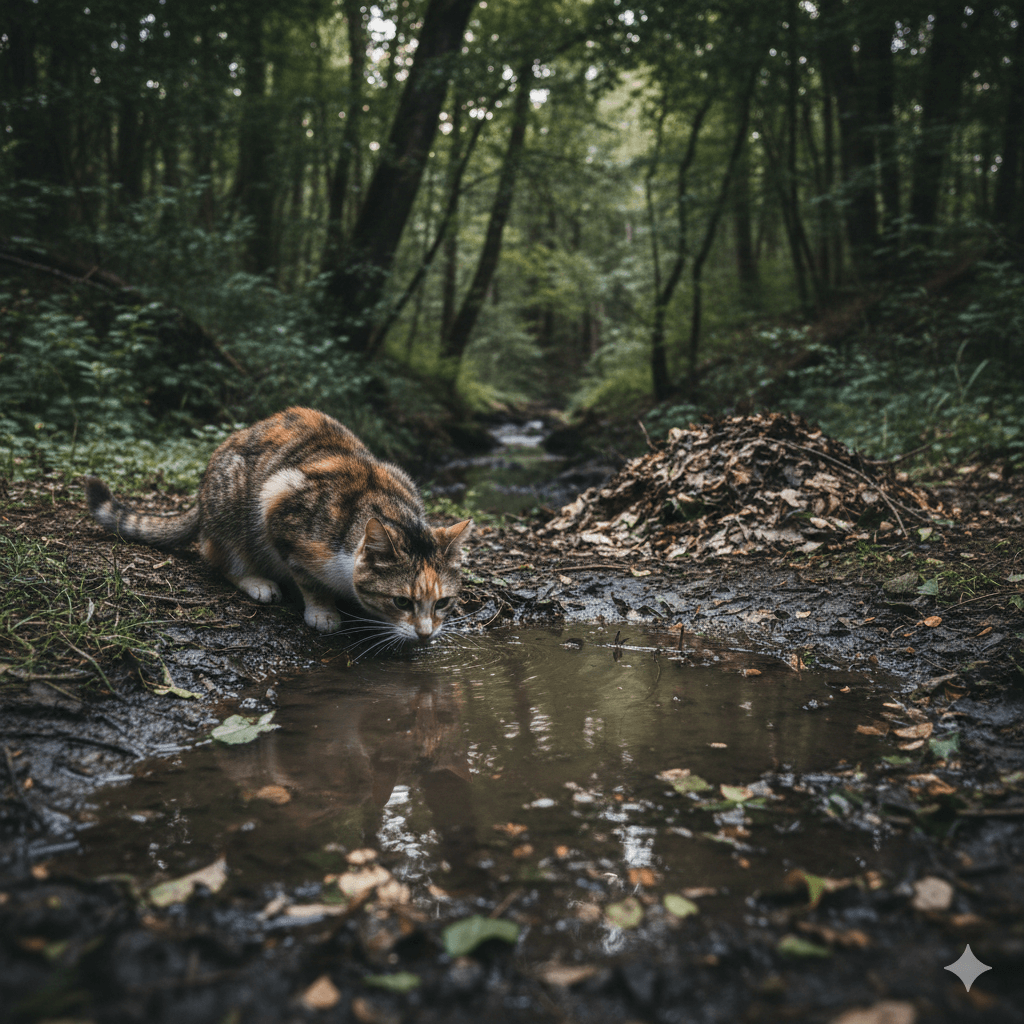
    Stagnant ponds, puddles, or even damp soil can harbor Leptospira bacteria. Cats drinking or walking through such areas risk infection if they ingest or come into contact with contaminated water.
     
  • Exposure to Infected Animals:
    Rodents, raccoons, and other wildlife often carry Leptospira. Cats that hunt or interact with these animals may be exposed to their urine, which contains high concentrations of the bacteria.
     
  • Indoor Cats Aren’t Immune:
    Even indoor cats can contract leptospirosis if they encounter rodents or contaminated materials brought into the home, such as shoes or gardening tools.
     
  • Grooming After Contact:
    Cats often groom themselves after outdoor adventures. If their paws or fur are contaminated with Leptospira-infected soil or water, grooming can lead to ingestion of the bacteria.
     
  • Living in Endemic Areas:
    Regions with high humidity, frequent rainfall, or poor sanitation have higher rates of leptospirosis. Cats in these areas face greater risks due to environmental persistence of the bacteria.
 

While leptospirosis in cats is less common than in dogs, their curious nature and grooming habits make them vulnerable to infection. Awareness of these exposure routes is crucial for prevention.

How Does a Cat Get Leptospirosis? Best 7 Expert Tips!

Symptoms of Leptospirosis in Cats

Leptospirosis symptoms in cats can vary widely, from mild and nonspecific to severe and life-threatening. Recognizing these signs early ensures prompt veterinary care and better outcomes.

 
  • Fever and Lethargy:
    A sudden spike in body temperature accompanied by reduced activity levels often signals an underlying infection like leptospirosis.
     
  • Loss of Appetite:
    Cats infected with Leptospira frequently lose interest in food, leading to weight loss and dehydration over time.
     
  • Vomiting and Diarrhea:
    Gastrointestinal distress, including vomiting or diarrhea (sometimes with blood), occurs as the bacteria affect the digestive system.
     
  • Increased Thirst and Urination:
    Kidney involvement is common in leptospirosis cases; increased thirst and urination indicate potential renal damage requiring immediate attention.
     
  • Jaundice or Yellowing of Gums:
    Liver dysfunction caused by Leptospira leads to jaundice, where gums and skin develop a yellowish tint—a clear warning sign of advanced disease.
 

These symptoms overlap with many other illnesses, so testing is essential for accurate diagnosis. Early intervention prevents complications and improves recovery chances significantly.

Preventive Measures
Signs of Infection
Keep cats indoors or supervised outdoors
Fever and lethargy
Control rodent populations near your home
Loss of appetite
Clean water bowls daily and avoid stagnant water
Vomiting or diarrhea
Disinfect areas exposed to wildlife urine
Increased thirst and urination
Schedule regular vet check-ups for early detection
Jaundice or yellow gums

Risk Factors That Increase Leptospirosis Exposure

Certain factors heighten a cat’s risk of contracting leptospirosis, making some felines more susceptible than others. Identifying these risks allows you to tailor preventive strategies effectively.

 
  • Outdoor Access:
    Cats with unrestricted outdoor access face higher exposure to contaminated environments, wildlife, and standing water sources.
     
  • Hunting Behavior:
    Cats that hunt rodents or birds are at greater risk since these animals often carry Leptospira in their urine or tissues.
     
  • Living Near Water Sources:
    Proximity to lakes, rivers, or flood-prone areas increases the likelihood of encountering bacteria-laden water or soil.
     
  • Weak Immune Systems:
    Senior cats, kittens, or those with preexisting health conditions struggle to fight off infections like leptospirosis once exposed.
     
  • Shared Living Spaces:
    Multi-pet households or shelters where animals share litter boxes or feeding areas risk spreading the bacteria indirectly.
 

Understanding these risk factors empowers you to implement targeted safeguards, reducing your cat’s chances of contracting this dangerous disease.

How Leptospirosis Spreads Between Animals

Leptospirosis spreads not only between wildlife and pets but also among domestic animals sharing close quarters. Knowing how transmission occurs helps prevent outbreaks within households.

 
  • Direct Contact with Urine:
    Infected animals excrete Leptospira in their urine, contaminating surfaces, bedding, or shared spaces accessible to cats.
     
  • Indirect Transmission via Water:
    Shared water bowls or puddles become reservoirs for the bacteria, facilitating indirect spread among pets.
     
  • Contaminated Soil or Vegetation:
    Soil and plants retain Leptospira for weeks, posing ongoing risks to curious cats exploring their surroundings.
     
  • Rodent Infestations Indoors:
    Rodents entering homes leave behind urine traces containing the bacteria, endangering indoor cats.
     
  • Cross-Species Transmission:
    Dogs, livestock, or wildlife carrying Leptospira can transmit the bacteria to cats through direct or indirect interactions.
 

Preventing cross-contamination requires vigilance and regular hygiene practices to minimize exposure risks.


Preventive Measures to Protect Your Cat

Prevention is the best defense against leptospirosis, especially since treatment can be challenging. Implementing these measures safeguards your cat’s health and reduces stress on your household.

 
  • Limit Outdoor Roaming:
    Keep your cat indoors or supervised during outdoor excursions to minimize contact with contaminated environments.
     
  • Control Rodent Populations:
    Use humane traps or pest control methods to eliminate rodent carriers of Leptospira near your home.
     
  • Clean Water Sources Regularly:
    Replace water bowls daily and avoid letting your cat drink from unknown or stagnant water sources.
     
  • Maintain Yard Hygiene:
    Remove standing water, clean up pet waste promptly, and disinfect areas frequented by wildlife.
     
  • Schedule Routine Vet Check-Ups:
    Regular health screenings detect early signs of illness and ensure vaccinations (if available) are up-to-date.
 

Proactive prevention minimizes risks and fosters a safer environment for your beloved feline companion.


Treatment Options for Leptospirosis in Cats

If your cat contracts leptospirosis, timely veterinary care is critical. Treatment focuses on managing symptoms, eliminating the bacteria, and preventing long-term damage.

 
  • Antibiotic Therapy:
    Medications like doxycycline or amoxicillin target Leptospira, reducing bacterial load and halting disease progression.
     
  • Fluid Therapy for Dehydration:
    Intravenous fluids restore hydration, support kidney function, and flush toxins from the bloodstream.
     
  • Pain Management and Anti-Inflammatories:
    Pain relievers and anti-inflammatory drugs alleviate discomfort caused by fever, inflammation, or organ damage.
     
  • Monitoring Kidney and Liver Function:
    Blood tests track organ health, guiding adjustments to treatment plans based on recovery progress.
     
  • Isolation During Recovery:
    Infected cats should be isolated to prevent spreading the bacteria to other pets or humans in the household.
 

With proper care, most cats recover fully, though some may require extended monitoring for lingering effects.

Long-Term Effects of Leptospirosis in Cats

While many cats recover from leptospirosis, some experience lasting consequences that require ongoing management. Understanding these effects prepares you for potential challenges ahead.

 
  • Chronic Kidney Disease:
    Renal damage caused by Leptospira can lead to chronic kidney issues, necessitating lifelong dietary and medical interventions.
     
  • Liver Dysfunction:
    Persistent liver enzyme abnormalities may occur, requiring regular monitoring and supportive therapies.
     
  • Weakened Immune System:
    Recovery doesn’t always restore full immune strength, leaving cats more vulnerable to future infections.
     
  • Behavioral Changes:
    Some cats become less active or exhibit anxiety due to prolonged illness or discomfort during recovery.
     
  • Recurrence Risk:
    Without strict preventive measures, cats remain susceptible to reinfection, especially in high-risk environments.
 

Awareness of these possibilities ensures you provide comprehensive care and maintain your cat’s quality of life post-recovery.

“Cats mostly become infected through transmission from hunting rodents. Infection in cats has been associated with the consumption of infected prey, especially rodents. Thus, outdoor cats have a higher risk of exposure.”
ABCD Cats & Vets Guidelines

Frequently Asked Questions About Leptospirosis in Cats

Can cats transmit leptospirosis to humans?

While rare, cats can theoretically spread leptospirosis to humans through contact with their urine. Practicing good hygiene minimizes this risk.

Veterinarians use blood tests, urinalysis, and sometimes PCR testing to detect Leptospira bacteria or antibodies in the cat’s system.

Currently, no specific feline leptospirosis vaccine exists, though research continues to address this gap.


Yes, indoor cats can contract leptospirosis through contaminated rodents, water sources, or items brought into the home.

Contact your veterinarian immediately for diagnostic testing and treatment; early intervention improves recovery chances significantly.

A Lifeline in Every Moment of Prevention

Understanding how cats contract leptospirosis empowers you to take proactive steps in safeguarding their health. From limiting outdoor exposure to maintaining a clean environment, every measure counts in reducing risks. While leptospirosis is less common in cats than other pets, its potential severity demands vigilance and informed care. By staying attentive to changes in behavior, providing prompt veterinary attention, and fostering a safe living space, you ensure your feline companion enjoys a long, healthy life. Remember, prevention isn’t just about protecting your cat—it’s about preserving the bond you share and ensuring peace of mind for years to come.

Is Rawhide Bad for Cats? Best 7 Expert Tips!

Is Rawhide Bad for Cats? Best 7 Expert Tips! – Discover the risks, safe alternatives, and expert advice to keep your feline friend healthy and happy.

Is Rawhide Bad for Dogs? Best 7 Expert Tips!

Is Rawhide Bad for Dogs? Best 7 Expert Tips! – Discover the risks, benefits, and safer alternatives to rawhides for your dog’s chewing needs.

Understanding Anorexia in Cats: Best 7 Expert Tips!

Understanding Anorexia in Cats: Best 7 Expert Tips! – Learn why cats stop eating, spot warning signs, and discover how to help your feline regain appetite safely.

Understanding Anorexia in Dogs: Best 7 Expert Tips!

Understanding Anorexia in Dogs: Best 7 Expert Tips! – Learn causes, symptoms, and solutions to help your dog regain appetite and stay healthy.

Leave a Reply

Your email address will not be published. Required fields are marked *