
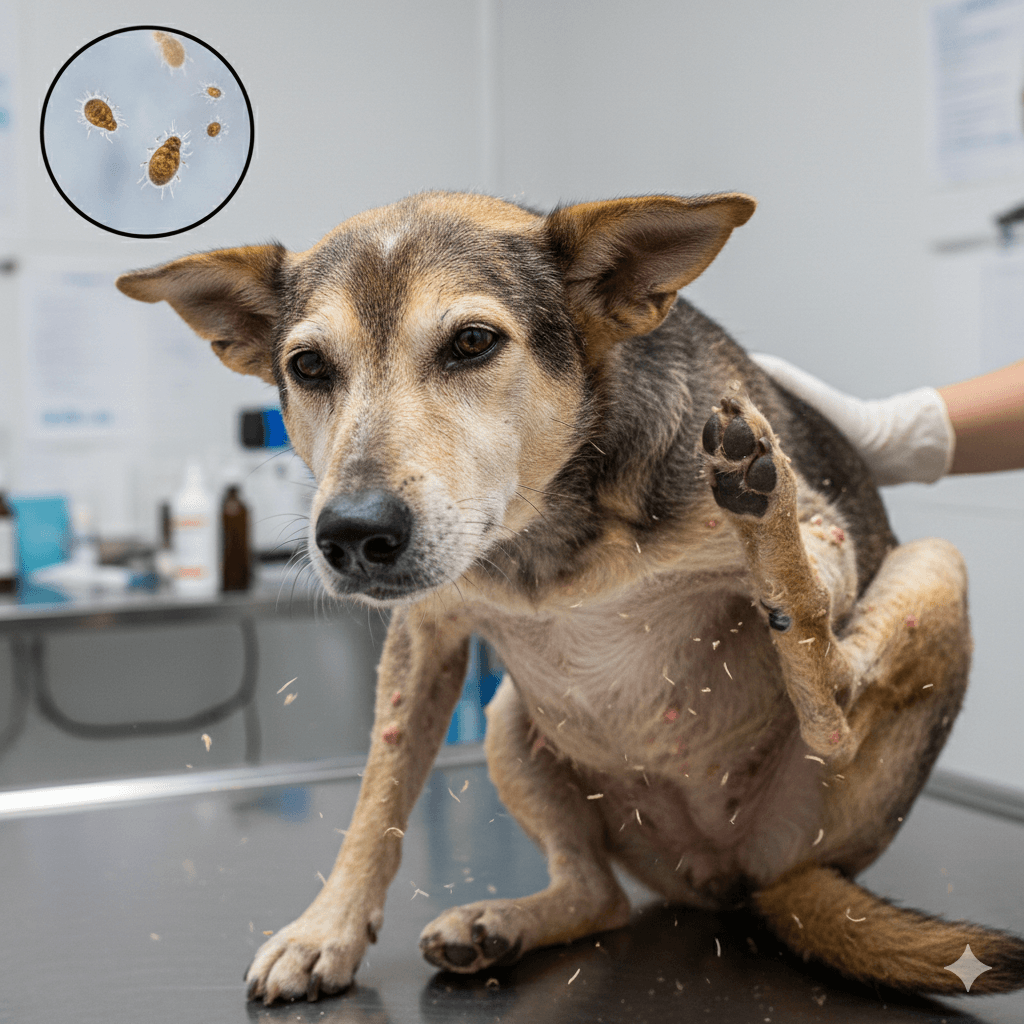

Sarcoptic Mange in Dogs: Best 7 Expert Tips!

Sarcoptic Mange in Dogs: Best 7 Expert Tips!

Understanding Sarcoptic Mange in Dogs: A Persistent Itch

Sarcoptic mange, caused by the microscopic mite Sarcoptes scabiei, is a highly contagious skin condition that leads to intense itching and discomfort in dogs. These pesky parasites burrow into the skin, triggering inflammation, hair loss, and secondary infections if left untreated. Recognizing the signs early and seeking proper treatment can alleviate your dog’s suffering and prevent the spread to other pets or even humans.

What Causes Sarcoptic Mange in Dogs?

Sarcoptic mange is caused by the parasitic mite Sarcoptes scabiei, which thrives on the skin of dogs and other animals. These mites burrow into the outer layers of the skin, laying eggs and causing severe irritation. Understanding the root causes and transmission methods helps prevent outbreaks and manage infestations effectively.

 
  • Direct Contact with Infected Animals:
    Dogs often contract sarcoptic mange through close contact with infected animals, such as during play or in crowded environments like shelters.
     
  • Indirect Transmission via Contaminated Objects:
    Mites can survive briefly off the host, spreading through shared bedding, grooming tools, or surfaces recently touched by an infected dog.
     
  • Overcrowded or Unsanitary Conditions:
    Shelters, kennels, or poorly maintained homes increase the risk of mite exposure due to high animal density and inadequate hygiene practices.
     
  • Weakened Immune Systems:
    Dogs with compromised immune systems, such as seniors, puppies, or those with underlying health issues, are more vulnerable to infestations.
     
  • Lack of Preventive Care:
    Failure to use flea and tick preventatives or neglecting regular veterinary check-ups leaves dogs unprotected against parasitic infections.
 

By addressing these factors, owners can minimize the likelihood of their dogs contracting sarcoptic mange. Prevention starts with awareness and proactive measures to protect your pet’s skin health.

 
Sarcoptic Mange in Dogs: Best 7 Expert Tips!

Symptoms of Sarcoptic Mange in Dogs

The symptoms of sarcoptic mange are unmistakable and worsen as the infestation progresses. Early detection allows for quicker treatment and reduces the risk of complications like secondary infections. Familiarizing yourself with these signs ensures timely intervention.

 
  • Intense Scratching and Biting:
    Affected dogs scratch incessantly, often to the point of self-injury, due to the relentless itching caused by mite activity.
     
  • Red, Inflamed Skin Patches:
    Burrowing mites irritate the skin, leading to redness, swelling, and visible inflammation along the ears, elbows, hocks, and abdomen.
     
  • Hair Loss in Affected Areas:
    Prolonged scratching results in patchy hair loss, particularly around the chest, legs, and face, where mites tend to congregate.
     
  • Crusty or Scaly Skin Lesions:
    As the condition advances, the skin develops crusty, scaly patches that may ooze or become infected if left untreated.
     
  • Restlessness and Irritability:
    Constant discomfort makes dogs agitated, restless, and less tolerant of handling or interaction.
 

If you notice any combination of these symptoms, consult your veterinarian immediately to confirm the diagnosis and begin treatment.

Common Symptoms of Sarcoptic Mange
Effective Treatment Options
Intense itching and scratching
Anti-parasitic medications (oral/injectable)
Hair loss in patches
Medicated shampoos (lime sulfur, selamectin)
Red, inflamed skin
Antibiotics for secondary infections
Crusty or scaly lesions
Topical ointments and anti-inflammatory drugs
Behavioral changes due to discomfort
Environmental decontamination and hygiene practices

How Sarcoptic Mange Is Diagnosed in Dogs

Diagnosing sarcoptic mange requires a combination of clinical evaluation and diagnostic tests to rule out similar conditions like allergies or other types of mange. Veterinarians rely on specific methods to identify the presence of mites accurately.

 
  • Physical Examination and History Review:
    Vets assess visible symptoms, ask about exposure risks, and examine areas prone to mite infestations, such as the ears and elbows.
     
  • Skin Scraping Tests:
    A scalpel blade gently scrapes the surface of affected skin to collect samples, which are examined under a microscope for mites, eggs, or fecal matter.
     
  • Response to Trial Treatments:
    In cases where mites aren’t detected but symptoms suggest mange, vets may administer anti-parasitic medications to observe improvements.
     
  • Elimination of Other Conditions:
    Allergies, bacterial infections, or demodectic mange must be ruled out to ensure an accurate diagnosis.
     
  • Owner Observations and Reports:
    Details about recent interactions with other animals or environmental changes help vets piece together the puzzle.
 

Accurate diagnosis ensures targeted treatment, reducing recovery time and preventing recurrence.

Treatment Options for Sarcoptic Mange in Dogs

Treating sarcoptic mange involves eliminating the mites, soothing the skin, and addressing secondary complications like infections. A multi-pronged approach restores your dog’s comfort and overall health.

 
  • Topical Medications and Shampoos:
    Anti-parasitic shampoos containing ingredients like lime sulfur or selamectin kill mites and reduce itching while promoting healing.
     
  • Oral or Injectable Anti-Parasitics:
    Medications like ivermectin or milbemycin oxime target mites systemically, ensuring thorough eradication from the body.
     
  • Antibiotics for Secondary Infections:
    Infected lesions require antibiotics to clear up bacterial overgrowth and prevent further complications.
     
  • Anti-Inflammatory Drugs:
    Corticosteroids or antihistamines alleviate inflammation and itching, providing temporary relief during recovery.
     
  • Environmental Decontamination:
    Washing bedding, vacuuming carpets, and disinfecting living spaces eliminate residual mites and prevent reinfestation.
 

Consistent follow-up care ensures complete resolution and minimizes the risk of future outbreaks.

Preventing Sarcoptic Mange in Dogs

Prevention is always better than cure when it comes to sarcoptic mange. Simple yet effective strategies safeguard your dog’s skin and overall well-being.

 
  • Regular Veterinary Check-Ups:
    Routine exams catch early signs of skin issues before they escalate into full-blown infestations.
     
  • Use of Preventive Parasite Control Products:
    Monthly flea and tick treatments often include protection against mites, keeping your dog safe year-round.
     
  • Avoidance of High-Risk Environments:
    Minimize exposure to stray animals, overcrowded shelters, or unsanitary boarding facilities where mites thrive.
     
  • Proper Hygiene Practices:
    Frequent washing of bedding and grooming tools prevents contamination and limits the spread of parasites.
     
  • Education About Zoonotic Risks:
    Sarcoptic mange can transmit to humans temporarily; educating family members about symptoms fosters vigilance.
 

Preventive measures create a safer environment for both pets and people.

Long-Term Effects of Untreated Sarcoptic Mange

Leaving sarcoptic mange untreated leads to severe consequences beyond skin irritation. Chronic infestations compromise your dog’s quality of life and overall health.

 
  • Severe Skin Damage and Scarring:
    Persistent scratching and biting cause permanent scarring, thickened skin, and open wounds prone to infection.
     
  • Secondary Bacterial Infections:
    Open sores provide entry points for bacteria, resulting in painful abscesses or systemic illnesses requiring aggressive treatment.
     
  • Weight Loss and Malnutrition:
    Chronic discomfort reduces appetite, leading to weight loss and nutritional deficiencies over time.
     
  • Behavioral Changes Due to Stress:
    Constant pain and sleep disruption make dogs anxious, aggressive, or withdrawn, affecting their bond with owners.
     
  • Spread to Other Pets or Humans:
    Untreated mange poses a zoonotic risk, spreading to household members and neighboring animals.
 

Timely intervention prevents these long-term effects and restores your dog’s vitality.

Managing Recovery and Monitoring Progress

Recovery from sarcoptic mange requires patience, consistency, and ongoing monitoring to ensure complete resolution. Owners play a crucial role in supporting their dog’s healing journey.

 
  • Adherence to Treatment Protocols:
    Administer medications exactly as prescribed, even if symptoms improve, to avoid partial recovery or recurrence.
     
  • Regular Follow-Up Appointments:
    Scheduled vet visits allow professionals to track progress, adjust treatments, and confirm mite eradication.
     
  • Nutritional Support for Healing:
    High-quality diets rich in omega fatty acids promote skin repair and boost immune function during recovery.
     
  • Comfort Measures at Home:
    Soft bedding, gentle grooming, and minimizing stress create a supportive environment for faster healing.
     
  • Education on Relapse Signs:
    Learn to recognize early warning signs of reinfection, such as renewed itching or hair loss, to act promptly.
 

With dedication and care, your dog can fully recover and regain their happy, healthy life.

Frequently Asked Questions About Sarcoptic Mange in Dogs

What does sarcoptic mange look like on dogs?

Sarcoptic mange appears as red, inflamed patches of skin with hair loss, crusty lesions, and intense scratching, often around the ears, elbows, and abdomen.

Yes, humans can temporarily contract scabies-like symptoms from infected dogs, but the mites cannot survive long-term on human skin.

With proper treatment, most cases resolve within 3–6 weeks, though severe infestations may require longer recovery times.

Yes, sarcoptic mange is highly contagious and spreads through direct contact or shared environments with infected animals.

Some OTC shampoos or sprays provide relief, but prescription medications are typically necessary for complete eradication of mites.

Supporting Your Dog Through Recovery

Sarcoptic mange is a challenging condition, but with early detection, proper treatment, and consistent care, your dog can fully recover and return to their happy, healthy self. By understanding the causes, symptoms, and preventive measures, you empower yourself to protect your furry companion from future infestations. Remember, your dedication and love are the foundation of their healing journey. With patience and vigilance, you’ll not only restore their comfort but also strengthen the bond you share—a testament to the resilience of your partnership.

 
Cat Anaphylactic Shock Treatment Costs: Best 7 Expert Tips!

Cat Anaphylactic Shock Treatment Costs: Best 7 Expert Tips! – Learn about costs, treatments, and financial aid options to save your cat’s life.

Exocrine Pancreatic Insufficiency in Cats: Best 7 Tips!

Exocrine Pancreatic Insufficiency in Cats: Best 7 Tips! – Learn to spot symptoms, manage EPI effectively, and improve your cat’s quality of life with expert advice.

Cost of Dog Anaphylactic Shock Treatment: Best 7 Tips!

Cost of Dog Anaphylactic Shock Treatment: Best 7 Tips! – Learn about emergency costs, financial planning, and ways to manage expenses for your dog’s care.

Exocrine Pancreatic Insufficiency in Dogs: Best 7 Tips!

Exocrine Pancreatic Insufficiency in Dogs: Best 7 Tips! – Learn to spot symptoms, manage EPI effectively, and improve your dog’s quality of life with expert guidance.

Leave a Reply

Your email address will not be published. Required fields are marked *


