
Understanding Saint Bernard Dog Size: A Guide to Their Majestic Stature
Saint Bernards are renowned for their impressive size, making them one of the most recognizable giant breeds. These gentle giants can weigh anywhere from 120 to over 180 pounds, with a height ranging from 26 to 30 inches at the shoulder. Understanding their growth patterns and size-related needs is essential for providing proper care and ensuring a happy, healthy life for your Saint Bernard.
Growth Stages of a Saint Bernard: From Puppy to Adult
Saint Bernards grow rapidly during their first two years, reaching their full size by the time they are 18–24 months old. Their growth phases require careful monitoring to ensure proper development and avoid health complications. Understanding these stages helps you prepare for their needs at every step of their journey.
- Newborn Stage (0–3 Months):
During this period, Saint Bernard puppies weigh around 10–15 pounds and double their size within weeks. Proper nutrition is vital to support their rapid growth and prevent developmental issues. - Adolescent Phase (4–12 Months):
Between 4 and 12 months, Saint Bernards experience a growth spurt, gaining up to 2 pounds per week. Their bones and joints are still fragile, so controlled exercise and a balanced diet rich in calcium and protein are essential. - Young Adult Stage (12–18 Months):
By 12 months, male Saint Bernards typically weigh 140–160 pounds, while females reach 120–140 pounds. They continue filling out during this phase, with muscle mass catching up to their skeletal frame. - Full Maturity (18–24 Months):
At this stage, Saint Bernards achieve their full adult size, standing 26–30 inches tall and weighing up to 180 pounds. Their growth plates close, signaling the end of their physical development. - Senior Transition (After 7 Years):
As seniors, Saint Bernards may lose muscle tone or gain weight due to reduced activity. Adjusting their diet and exercise routine ensures they maintain a healthy body condition throughout their golden years.
Monitoring their growth stages closely prevents obesity, joint problems, and other size-related health concerns, ensuring your Saint Bernard thrives at every age.
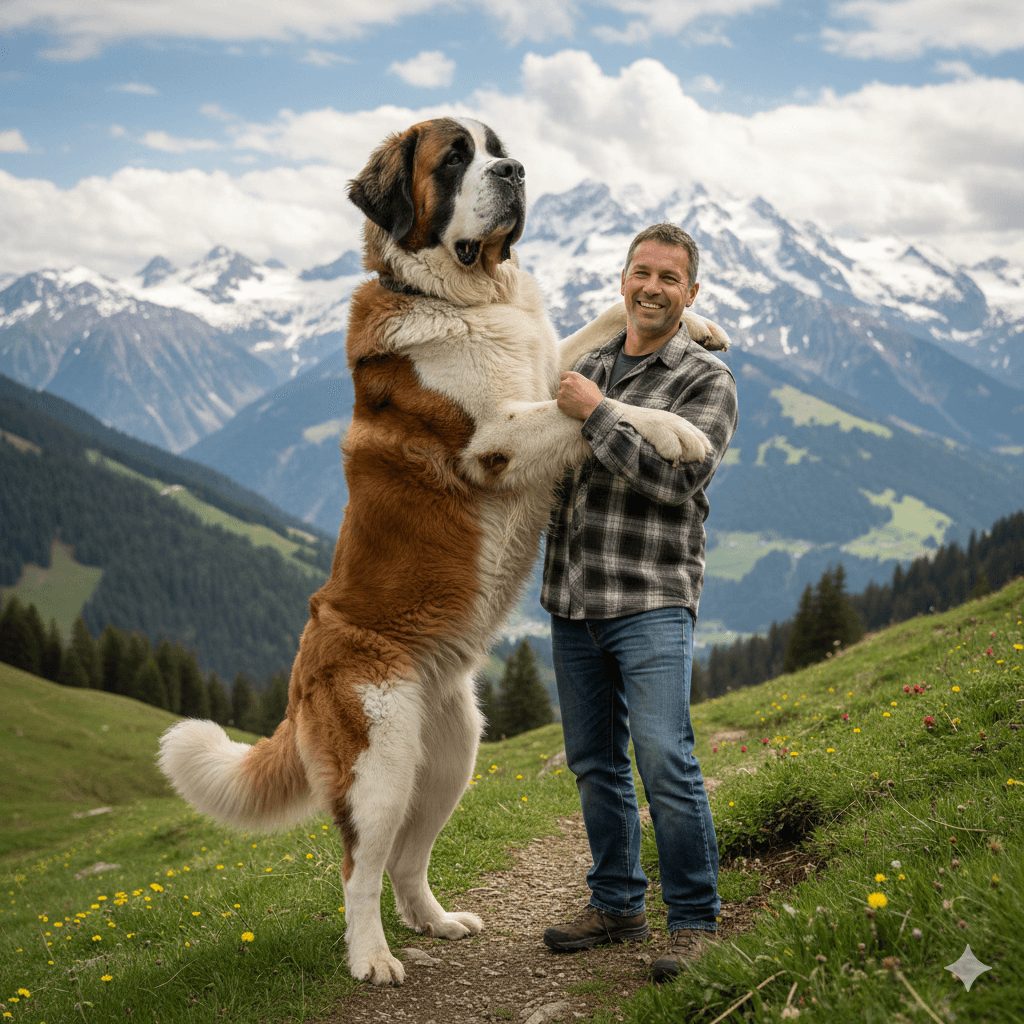
Factors Influencing Saint Bernard Size
A Saint Bernard’s size is influenced by genetics, nutrition, and environment. Understanding these factors helps you anticipate their growth trajectory and provide optimal care tailored to their unique needs.
- Genetic Predisposition:
The size of a Saint Bernard largely depends on their lineage. Breeding from large parents often results in similarly sized offspring, though some variation occurs naturally. - Nutritional Intake:
A high-quality diet formulated for large breeds supports steady growth. Overfeeding or poor nutrition can lead to obesity or developmental disorders like hip dysplasia. - Activity Levels:
Moderate exercise strengthens muscles and joints, but excessive strain during puppyhood can harm their growing bodies. Balancing playtime with rest is crucial for healthy development. - Health Conditions:
Illnesses such as hypothyroidism or growth hormone deficiencies may impact a Saint Bernard’s final size. Regular vet check-ups help detect and address these issues early. - Environmental Factors:
Living conditions also play a role—dogs raised in spacious environments tend to develop better musculature compared to those confined to small spaces.
Taking these factors into account ensures your Saint Bernard grows into a strong, well-proportioned adult without unnecessary strain on their body.
Check this guide 👉Is a Saint Bernard a Good Family Dog? Best 7 Expert Tips!
Check this guide 👉Saint Bernard Yorkshire Terrier Mix: Best 7 Expert Tips!
Check this guide 👉Saint Bernard Bichon Mix: Best 7 Expert Tips!
Key Characteristics of Saint Bernards | Living Requirements |
|---|---|
Height: 26–30 inches (male), 26–28 inches (female) | Ample indoor space for movement |
Weight: 140–180 pounds (male), 120–140 pounds (female) | Secure, fenced outdoor area |
Lifespan: 8–10 years | Orthopedic bed for joint support |
Temperament: Gentle, friendly, loyal | Climate-controlled environment |
Coat Type: Thick, double-layered | Regular grooming tools and supplies |
Challenges of Owning a Large Dog Like a Saint Bernard
While Saint Bernards are lovable companions, their immense size presents unique challenges that require thoughtful preparation and commitment. Addressing these challenges proactively makes life easier for both you and your furry friend.
- Space Requirements:
Saint Bernards need ample room to move comfortably. Apartments or small homes may feel cramped, leading to frustration or accidental damage from their sheer bulk. - Furniture Durability:
Their weight can easily damage furniture, beds, or couches. Investing in sturdy, reinforced items prevents costly repairs or replacements. - Transportation Logistics:
Fitting a Saint Bernard into a car requires planning. Many owners opt for larger vehicles or specialized pet carriers designed for giant breeds. - Grooming Needs:
Their thick coats demand regular brushing to prevent matting and shedding, which can be overwhelming given their size. Professional grooming may become necessary. - Cost of Care:
From food to medical expenses, caring for a large dog adds up quickly. Budgeting for higher costs ensures you’re prepared for their lifelong needs.
Despite these challenges, many owners find the rewards of owning a Saint Bernard far outweigh the difficulties, thanks to their gentle nature and loyalty.
Health Concerns Related to Saint Bernard Size
The impressive size of Saint Bernards comes with specific health risks that owners must manage carefully. Awareness of these potential issues allows you to take preventive measures and seek timely treatment when needed.
- Hip Dysplasia:
This common condition in large breeds occurs when the hip joint doesn’t fit properly, causing pain and mobility issues. Maintaining a healthy weight reduces strain on the joints. - Elbow Dysplasia:
Similar to hip dysplasia, elbow dysplasia affects the front limbs, limiting movement and requiring surgical intervention in severe cases. - Bloat (Gastric Torsion):
Deep-chested dogs like Saint Bernards are prone to bloat, a life-threatening condition where the stomach twists. Feeding smaller meals and avoiding vigorous exercise after eating minimizes risk. - Heart Problems:
Dilated cardiomyopathy (DCM) is prevalent in giant breeds, weakening the heart muscle over time. Regular cardiac screenings help detect early signs. - Joint Pain and Arthritis:
Their weight puts significant pressure on joints, increasing arthritis risk as they age. Supplements like glucosamine and chondroitin support joint health.
Proactive management of these health concerns ensures your Saint Bernard enjoys a long, comfortable life despite their size-related vulnerabilities.
Exercise Needs for a Saint Bernard’s Size
Despite their massive build, Saint Bernards have moderate exercise requirements suited to their energy levels. Tailoring their activities to their size and temperament keeps them physically fit and mentally stimulated.
- Daily Walks:
Aim for 30–60 minutes of walking each day, split into shorter sessions to avoid overexertion. Avoid high-impact activities that strain their joints. - Playtime and Socialization:
Interactive games like fetch or tug-of-war engage their minds and bodies. Supervised playdates with other dogs foster social skills and burn off excess energy. - Swimming:
Low-impact exercises like swimming are ideal for Saint Bernards, providing cardiovascular benefits without stressing their joints. Always supervise water activities closely. - Avoiding Excessive Heat:
Due to their thick coats, Saint Bernards struggle in hot weather. Limit outdoor exercise during peak temperatures and provide plenty of water and shade. - Rest Periods:
These dogs need ample downtime to recover from physical exertion. Ensure they have access to a cozy, quiet space for naps throughout the day.
Balancing exercise with rest prevents injury and promotes overall well-being, keeping your Saint Bernard happy and healthy.
Feeding Guidelines for a Saint Bernard’s Size
Proper nutrition is critical for supporting a Saint Bernard’s growth and maintaining their large frame. Overfeeding or underfeeding can lead to serious health issues, so establishing a balanced feeding routine is essential.
- High-Quality Food:
Choose a large-breed-specific formula rich in protein, healthy fats, and essential nutrients. Avoid generic brands that lack adequate nutritional value. - Portion Control:
Feed 3–4 cups of food daily, divided into two meals to prevent bloating. Adjust portions based on their activity level and individual metabolism. - Supplements for Joint Health:
Glucosamine, chondroitin, and omega-3 fatty acids support joint function and reduce inflammation, especially important for large breeds prone to arthritis. - Puppy Diet Considerations:
Puppies require a nutrient-dense diet to fuel their rapid growth. Look for formulas labeled “large breed puppy” to ensure proper calcium-to-phosphorus ratios. - Hydration Importance:
Always provide fresh, clean water to prevent dehydration, particularly after meals or exercise. Monitor their intake to catch any changes early.
Feeding your Saint Bernard correctly sustains their energy levels, supports their growth, and minimizes the risk of obesity or malnutrition.
Living Arrangements for a Saint Bernard’s Size
Providing a suitable living environment for a Saint Bernard ensures their comfort and safety. Adapting your home to accommodate their size reduces stress and enhances their quality of life.
- Indoor Space Management:
Clear pathways and remove delicate items to create a Saint Bernard-friendly zone. Baby gates can restrict access to areas unsuitable for their size. - Outdoor Area Setup:
A securely fenced yard gives them room to roam safely. Avoid steep slopes or uneven terrain that could injure their joints. - Sleeping Arrangements:
Invest in an orthopedic dog bed designed for large breeds to cushion their joints and spine during sleep. Place it in a draft-free area for added comfort. - Temperature Regulation:
Keep them cool in summer with fans or air conditioning and warm in winter with blankets or heated pads. Extreme temperatures pose significant risks to their well-being. - Travel Accommodations:
When traveling, use crates or carriers sized for giant breeds and plan frequent breaks to stretch and relieve themselves.
Creating a safe, supportive environment ensures your Saint Bernard feels secure and content in their surroundings.
“Adult males may reach a height of 28-30 inches at the shoulder and will normally weigh between 140 and 180 pounds. Females are somewhat smaller at about 26-28 inches at the shoulder and typically range from 120 to 140 pounds.”
Frequently Asked Questions About Saint Bernard Dog Size
How big do Saint Bernards get?
Male Saint Bernards typically stand 28–30 inches tall and weigh 140–180 pounds, while females are slightly smaller at 26–28 inches and 120–140 pounds.
When do Saint Bernards stop growing?
Saint Bernards reach their full height by 12–18 months but continue to fill out with muscle mass until they are about 2 years old.
Are Saint Bernards good for small homes?
While they can adapt to smaller spaces, their large size makes them better suited for homes with ample room to move comfortably.
Do Saint Bernards require special diets due to their size?
Yes, they need a high-quality diet formulated for large breeds to support joint health and prevent obesity or developmental issues.
What health problems are common in large dogs like Saint Bernards?
Common issues include hip dysplasia, elbow dysplasia, bloat, arthritis, and heart conditions like dilated cardiomyopathy (DCM).
A Lifeline in Every Moment of Care
Owning a Saint Bernard is a rewarding experience, but their impressive size comes with unique responsibilities. By understanding their growth patterns, health needs, and living requirements, you create a nurturing environment where they can thrive. Whether you’re managing their dietary needs, planning exercise routines, or preparing your home for their majestic presence, every step reflects your dedication to their well-being. Remember, their gentle nature and unwavering loyalty make all the effort worthwhile—a Saint Bernard’s love is as vast as their stature, filling your life with joy and companionship for years to come.

Is Rawhide Bad for Cats? Best 7 Expert Tips! – Discover the risks, safe alternatives, and expert advice to keep your feline friend healthy and happy.

Is Rawhide Bad for Dogs? Best 7 Expert Tips! – Discover the risks, benefits, and safer alternatives to rawhides for your dog’s chewing needs.

Understanding Anorexia in Cats: Best 7 Expert Tips! – Learn why cats stop eating, spot warning signs, and discover how to help your feline regain appetite safely.

Understanding Anorexia in Dogs: Best 7 Expert Tips! – Learn causes, symptoms, and solutions to help your dog regain appetite and stay healthy.