
Can I Give My Cat Raw Carrots?
Many cat owners wonder if raw carrots are a safe and healthy snack for their feline friends. While cats are obligate carnivores, meaning their diet is primarily meat-based, some vegetables can be offered in moderation as occasional treats. Understanding the potential benefits and risks of feeding raw carrots ensures you make informed decisions about your cat’s diet.
Nutritional Value of Raw Carrots for Cats
While cats are obligate carnivores and thrive on a protein-rich diet, some vegetables like raw carrots can offer minor nutritional benefits when given in moderation. However, it’s important to understand what nutrients carrots provide and whether they align with your cat’s dietary needs.
- Vitamin A Content:
Carrots are rich in beta-carotene, which the human body converts into vitamin A. However, cats lack the enzyme needed to process beta-carotene efficiently, so this benefit is minimal for them. - Fiber Contribution:
Raw carrots contain dietary fiber, which may aid digestion in small amounts. For cats prone to constipation, a tiny piece of carrot might help regulate bowel movements. - Low-Calorie Snack Option:
Carrots are low in calories and fat, making them a safer alternative to high-calorie treats if you’re monitoring your cat’s weight. - Hydration Factor:
Fresh raw carrots have a high water content, which can contribute to your cat’s daily hydration needs, especially if they’re reluctant drinkers. - Lack of Essential Nutrients for Cats:
Cats require taurine, arachidonic acid, and other nutrients found only in animal-based proteins. Carrots do not provide these essentials, so they should never replace meat in your cat’s diet.
Although carrots are not harmful in small quantities, their nutritional value for cats is limited compared to species-appropriate foods. Always prioritize a balanced, carnivore-focused diet for your feline companion.
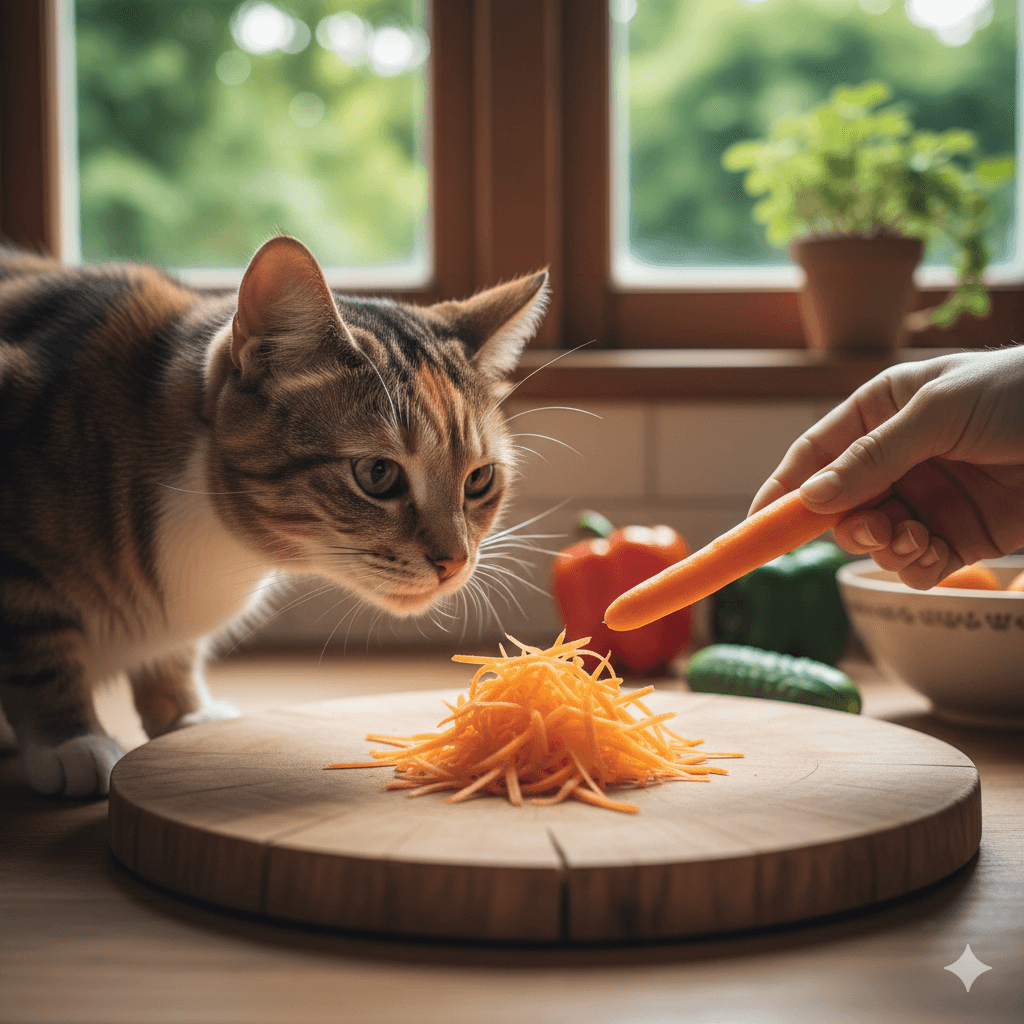
Potential Benefits of Feeding Raw Carrots to Cats
While raw carrots aren’t a staple food for cats, they can offer a few minor advantages when served sparingly and prepared correctly. These benefits focus on digestive health, enrichment, and dental care rather than core nutrition.
- Digestive Support:
The fiber in raw carrots can gently stimulate the digestive tract, helping cats with mild constipation or irregular stools. - Dental Health Improvement:
Chewing on small, soft pieces of raw carrot may help reduce plaque buildup by mechanically scrubbing teeth. - Mental Stimulation:
Offering novel textures and flavors keeps your cat engaged and curious, providing mental enrichment during playtime or snack sessions. - Weight Management Aid:
Since carrots are low in calories, they make an excellent occasional treat for overweight cats without adding extra pounds. - Safe Alternative to Dangerous Human Foods:
Unlike toxic human snacks such as chocolate or onions, raw carrots pose no immediate poisoning risk when given responsibly.
While these benefits exist, remember that carrots are supplements at best and cannot fulfill your cat’s primary nutritional requirements. Use them sparingly and always monitor how your cat reacts.
Check this guide 👉Can I Give My Cat Olive Oil Every Day? Best 7 Expert Tips!
Check this guide 👉Can Too Much CBD Kill a Dog? Best 7 Expert Tips!
Check this guide 👉Can You Give Your Dog Too Much Peanut Butter: Best 7 Tips!
Benefits of Feeding Raw Carrots to Cats | Risks of Feeding Raw Carrots to Cats |
|---|---|
Provides minor fiber for digestion | Choking hazard from large or hard pieces |
Low-calorie snack option for weight management | Potential digestive upset from excessive fiber |
High water content aids hydration | Nutrient imbalance if fed too frequently |
Safe alternative to toxic human foods | Difficult for cats with dental issues to chew |
Encourages mental stimulation through novel textures | Rare allergic reactions or sensitivities possible |
Risks of Feeding Raw Carrots to Cats
Despite their relative safety, raw carrots come with potential risks that every cat owner should consider before offering them. Understanding these dangers ensures you avoid unintended consequences.
- Choking Hazard:
Whole or large chunks of raw carrot pose a serious choking risk, especially for smaller cats or those prone to gulping food. - Digestive Upset:
Excessive fiber from too many carrots can lead to diarrhea, vomiting, or bloating due to an overload on the digestive system. - Nutrient Imbalance:
Overfeeding non-essential foods like carrots displaces vital nutrients from your cat’s diet, potentially leading to deficiencies over time. - Difficulty Chewing:
Raw carrots are hard and crunchy, which might be challenging for cats with dental issues or older pets who struggle to chew properly. - Allergic Reactions or Sensitivities:
Though rare, some cats may experience allergic reactions or sensitivities to plant-based foods like carrots, resulting in skin irritation or gastrointestinal distress.
To minimize risks, always cut carrots into bite-sized pieces, limit portion sizes, and observe your cat closely after introducing new foods.
How to Safely Prepare Raw Carrots for Your Cat
If you decide to feed your cat raw carrots, preparation is key to ensuring their safety and enjoyment. Follow these guidelines to make carrots a safe and palatable treat.
- Wash Thoroughly:
Rinse carrots under running water to remove dirt, pesticides, or contaminants that could harm your cat’s health. - Peel the Skin:
Peeling removes tough outer layers that may be difficult for your cat to chew or digest comfortably. - Cut into Small Pieces:
Dice carrots into pea-sized bits to prevent choking hazards and make them easier to chew. - Steam Slightly (Optional):
Lightly steaming carrots softens them without cooking out nutrients, making them gentler on sensitive teeth. - Introduce Gradually:
Start with one small piece and monitor your cat for adverse reactions like vomiting, diarrhea, or changes in behavior.
Proper preparation reduces risks while enhancing the experience for your feline friend. Always err on the side of caution when experimenting with new foods.
Alternatives to Raw Carrots for Cats
While raw carrots can be fed occasionally, there are better alternatives that cater more directly to your cat’s carnivorous nature and dietary needs. Explore these options for healthier, species-appropriate snacks.
- Cooked Meat Scraps:
Plain, unseasoned chicken or turkey provides essential proteins and fats that align perfectly with your cat’s natural diet. - Freeze-Dried Liver Treats:
Liver-based treats are packed with nutrients like iron and vitamin A, making them both tasty and beneficial for cats. - Cat Grass:
Specialty cat grass blends offer fiber and entertainment, satisfying your cat’s instinct to nibble on greens safely. - Commercial Cat Treats:
High-quality commercial treats are formulated specifically for felines, ensuring balanced nutrition and appealing flavors. - Zucchini or Pumpkin:
These vegetables are softer and easier to digest than carrots, offering similar fiber benefits without the chewing difficulty.
Choosing alternatives tailored to feline physiology ensures your cat enjoys snacks that truly support their health and happiness.
Signs Your Cat May Not Tolerate Raw Carrots
Not all cats will tolerate raw carrots well, and recognizing signs of intolerance helps you adjust their diet accordingly. Pay attention to these indicators after introducing carrots.
- Vomiting or Regurgitation:
Undigested carrot pieces or excessive fiber may cause your cat to vomit shortly after eating. - Diarrhea or Loose Stools:
A sudden change in stool consistency suggests your cat’s digestive system is struggling to process the new food. - Loss of Appetite:
If your cat refuses regular meals after trying carrots, it could indicate discomfort or dissatisfaction with the new addition. - Excessive Drooling:
Drooling may occur if your cat finds the texture unpleasant or has trouble chewing the hard vegetable. - Behavioral Changes:
Irritability, lethargy, or hiding behaviors often signal discomfort or illness triggered by dietary changes.
Monitoring your cat closely allows you to identify problems early and remove carrots from their diet if necessary.
Tips for Introducing New Foods to Your Cat’s Diet
Introducing new foods like raw carrots requires patience and careful observation to ensure your cat adapts well. Follow these tips to make the transition smooth and stress-free.
- Consult Your Veterinarian First:
Always seek professional advice before adding unfamiliar foods to your cat’s diet, especially if they have existing health conditions. - Start with Tiny Portions:
Begin with a single small piece of carrot to gauge your cat’s reaction and tolerance level. - Observe for 24–48 Hours:
Watch for any signs of digestive upset or behavioral changes during this period before offering more. - Mix with Familiar Foods:
Combine new items with your cat’s regular meals to encourage acceptance and reduce reluctance. - Avoid Seasonings or Additives:
Never add salt, spices, or dressings to carrots, as these ingredients can harm your cat’s sensitive system.
Taking a gradual approach minimizes risks and sets the stage for positive experiences with new foods.
“Cats can safely eat carrots as occasional treats, but these should not exceed 10% of their daily calories. Always wash, cook, and slice carrots properly to make them digestible and reduce choking risks for your cat.” – Rhiannon Koehler, DVM, MPH
Frequently Asked Questions About Feeding Raw Carrots to Cats
Are carrots toxic to cats?
No. Carrots are non-toxic to cats according to the ASPCA. “The root of the carrot plant is not toxic for cats and can be offered as an occasional safe snack.”
Can cats eat raw carrots?
Technically yes, but it’s not recommended. Raw carrots are hard and pose a choking hazard, especially for cats who gulp food. “Always offer cooked or finely chopped pieces to reduce risks.”
What are the benefits of carrots for cats?
Carrots provide beta-carotene (converted to vitamin A), fiber, and antioxidants. However, cats are obligate carnivores and get most nutrients from meat. “Carrots can be a low-calorie treat but should not exceed 10% of daily calories.”
How should I prepare carrots for my cat?
Wash thoroughly, peel, and steam or boil until soft. Cut into tiny, bite-sized pieces. Never add salt, butter, or seasonings. “Proper preparation ensures digestibility and safety for your feline friend.”
How much carrot can I give my cat?
Treats (including veggies) should make up no more than 10% of your cat’s daily caloric intake. For most cats, that’s 1–2 small teaspoons of cooked carrot, 1–2 times per week.
Supporting Your Cat’s Health Through Smart Choices
While raw carrots can occasionally serve as a fun and safe treat for your cat, they should never replace a balanced, meat-based diet tailored to their carnivorous needs. Understanding the benefits and risks ensures you make informed decisions about introducing new foods. By prioritizing species-appropriate nutrition, monitoring your cat’s reactions, and consulting your veterinarian, you provide the best foundation for their long-term health and happiness. Remember, every small step you take toward mindful feeding strengthens the bond between you and your feline companion—a partnership built on trust, care, and love.

Is Rawhide Bad for Cats? Best 7 Expert Tips! – Discover the risks, safe alternatives, and expert advice to keep your feline friend healthy and happy.

Is Rawhide Bad for Dogs? Best 7 Expert Tips! – Discover the risks, benefits, and safer alternatives to rawhides for your dog’s chewing needs.

Understanding Anorexia in Cats: Best 7 Expert Tips! – Learn why cats stop eating, spot warning signs, and discover how to help your feline regain appetite safely.

Understanding Anorexia in Dogs: Best 7 Expert Tips! – Learn causes, symptoms, and solutions to help your dog regain appetite and stay healthy.