
Can I Give My Dog Raw Carrots?
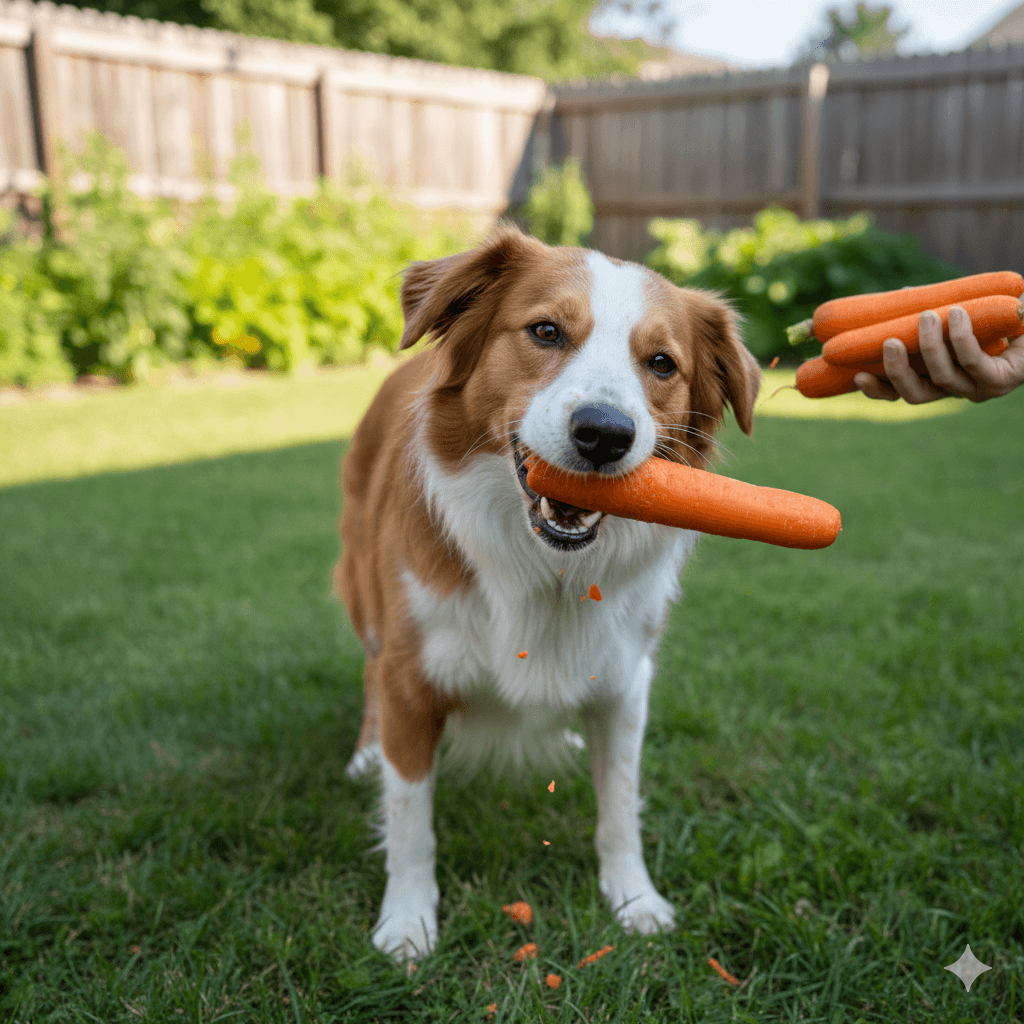
Raw carrots can be a healthy, low-calorie snack for dogs when offered in moderation. Packed with fiber and vitamins, they support digestion and dental health, but there are important considerations to keep in mind. Understanding how to safely introduce carrots into your dog’s diet ensures both nutrition and safety.
Nutritional Benefits of Raw Carrots for Dogs
Raw carrots are not only a tasty treat for dogs but also a nutrient-rich addition to their diet. Packed with essential vitamins and minerals, they offer numerous health benefits when given in appropriate amounts. Understanding these advantages helps you make informed decisions about including carrots in your dog’s meals or snacks.
- Rich in Vitamin A:
Carrots are an excellent source of beta-carotene, which the body converts into vitamin A. This vitamin supports eye health, boosts the immune system, and promotes healthy skin and coat. - High in Fiber Content:
The fiber in raw carrots aids digestion by regulating bowel movements and preventing constipation. It also helps maintain a healthy gut microbiome, which is crucial for overall well-being. - Low in Calories:
For dogs on a weight management plan, raw carrots are a guilt-free snack. Their low-calorie content makes them ideal for rewarding good behavior without risking weight gain. - Natural Dental Health Support:
Chewing on raw carrots acts as a natural toothbrush, helping to scrape away plaque and tartar buildup. This can reduce the risk of dental diseases like gingivitis and periodontitis. - Antioxidant Properties:
Carrots contain antioxidants that combat free radicals in the body, reducing oxidative stress and potentially lowering the risk of chronic diseases such as cancer.
Incorporating raw carrots into your dog’s diet provides a simple yet effective way to enhance their nutrition while offering variety in their meals.
Potential Risks of Feeding Raw Carrots to Dogs
While raw carrots are generally safe, there are potential risks to consider before making them a regular part of your dog’s diet. Awareness of these concerns ensures you feed carrots responsibly and avoid adverse effects.
- Choking Hazards for Small Dogs:
Whole or large chunks of raw carrots pose a choking risk, especially for small breeds or puppies. Always cut carrots into bite-sized pieces or thin sticks. - Digestive Upset from Overconsumption:
Too many carrots can cause gas, bloating, or diarrhea due to their high fiber content. Moderation is key to avoiding gastrointestinal discomfort. - Excessive Vitamin A Intake:
Although rare, consuming excessive amounts of vitamin A over time can lead to toxicity, causing symptoms like lethargy, joint pain, or bone changes. - Difficulty Chewing Hard Carrots:
Some dogs may struggle to chew raw carrots properly, leading to swallowing large pieces that could block the esophagus or intestines. - Allergic Reactions (Rare):
Though uncommon, some dogs may have sensitivities or allergies to carrots, resulting in itching, swelling, or digestive issues.
By being mindful of these risks, you can safely introduce raw carrots without compromising your dog’s health.
Check this guide 👉Can I Give My Dog Pumpkin Every Day? Best 7 Expert Tips!
Check this guide 👉Can I Give My Dog Aspirin for Fever? Best 7 Expert Tips!
Check this guide 👉Can I Give My Dog Motrin? Best 7 Expert Tips!
Raw Carrots | Other Healthy Alternatives |
|---|---|
Low in calories (41 kcal per cup) | Sweet potatoes (higher in starch, rich in fiber) |
High in vitamin A and beta-carotene | Green beans (low-calorie, hydrating option) |
Supports dental health through chewing action | Apples (seedless, provide vitamin C and crunch) |
Rich in fiber for digestive support | Pumpkin (plain, aids digestion and urinary health) |
Affordable and widely available | Blueberries (antioxidant-rich, great for training treats) |
How to Safely Prepare Raw Carrots for Your Dog
Preparing raw carrots correctly ensures they are safe and enjoyable for your dog. Proper preparation minimizes risks while maximizing the nutritional benefits of this healthy snack.
- Wash Thoroughly:
Rinse carrots under running water to remove dirt, pesticides, or contaminants that could harm your dog’s health. - Cut into Manageable Sizes:
Slice carrots into small cubes, thin sticks, or shred them depending on your dog’s size and chewing ability. Smaller pieces reduce choking hazards. - Freeze for Added Fun:
Freezing carrot slices creates a refreshing, crunchy treat perfect for teething puppies or hot summer days. The cold texture soothes gums and entertains your pup. - Grate for Senior Dogs:
Older dogs with weaker teeth may struggle to chew hard carrots. Grating them makes them easier to eat while retaining all the nutritional benefits. - Avoid Seasonings or Additives:
Never add salt, sugar, spices, or dressings to carrots intended for dogs, as these ingredients can upset their stomachs or cause toxicity.
Proper preparation transforms raw carrots into a safe, nutritious snack that dogs of all ages can enjoy.
Alternatives to Raw Carrots for Dogs
If raw carrots aren’t suitable for your dog, there are plenty of other healthy alternatives that provide similar benefits. Exploring these options keeps your dog’s diet varied and exciting.
- Cooked Carrots:
Steaming or boiling carrots softens them, making them easier to chew and digest while retaining most of their nutrients. - Sweet Potatoes:
Rich in fiber and vitamins, sweet potatoes are another excellent choice. Bake or boil them without seasoning for a wholesome treat. - Green Beans:
Low in calories and high in fiber, green beans are a great option for dogs needing weight management or additional hydration. - Apples (Seedless):
Apples provide vitamin C and fiber, making them a refreshing alternative. Just be sure to remove seeds and the core before serving. - Pumpkin (Plain):
Canned or fresh pumpkin aids digestion and supports urinary health. Ensure it’s plain and unsweetened to avoid added sugars or preservatives.
These alternatives ensure your dog enjoys diverse flavors and textures while reaping similar nutritional rewards.
Signs of Carrot Intolerance in Dogs
While most dogs tolerate carrots well, some may exhibit signs of intolerance or allergic reactions. Recognizing these symptoms helps you identify issues early and adjust their diet accordingly.
- Gastrointestinal Distress:
Vomiting, diarrhea, or excessive gas after eating carrots indicates poor tolerance or overconsumption. Reduce portion sizes or eliminate carrots entirely. - Itchy Skin or Ear Infections:
Allergies often manifest as itching, redness, or recurrent ear infections. These symptoms suggest your dog may be sensitive to carrots or related vegetables. - Swelling Around the Face:
Facial puffiness, especially around the muzzle or eyes, signals a potential allergic reaction requiring immediate attention. - Lethargy or Loss of Appetite:
A sudden drop in energy levels or refusal to eat points to digestive discomfort or systemic sensitivity. - Behavioral Changes:
Unusual irritability, restlessness, or aggression might indicate physical discomfort caused by dietary intolerance.
Monitoring your dog closely after introducing carrots allows you to spot adverse reactions early and consult your vet if needed.
How Carrots Support Dental Health in Dogs
Raw carrots play a vital role in maintaining your dog’s dental hygiene. Their crunchy texture and natural abrasiveness help clean teeth naturally, reducing plaque and tartar buildup.
- Mechanical Cleaning Action:
Chewing on raw carrots scrapes away food particles and plaque from the surface of teeth, promoting cleaner breath and healthier gums. - Reduces Tartar Formation:
The firm texture of carrots prevents bacteria from adhering to teeth, minimizing tartar accumulation over time. - Stimulates Saliva Production:
Chewing increases saliva flow, which neutralizes acids in the mouth and protects against enamel erosion. - Prevents Gum Disease:
Regular consumption of raw carrots reduces the risk of gingivitis and periodontal disease by keeping gums strong and healthy. - Cost-Effective Dental Care:
Unlike expensive dental chews or professional cleanings, raw carrots provide an affordable, natural way to support oral health.
Including raw carrots as a regular snack contributes to long-term dental wellness for your furry friend.
How to Introduce Raw Carrots into Your Dog’s Diet
Introducing raw carrots gradually ensures your dog tolerates them well and avoids digestive upset. Proper introduction also helps you gauge their preferences and monitor for any adverse reactions.
- Start with Small Portions:
Begin by offering a small piece of raw carrot to see how your dog reacts. This minimizes the risk of overfeeding or triggering sensitivities. - Observe for 24–48 Hours:
Monitor your dog closely for signs of digestive distress, such as vomiting, diarrhea, or excessive gas, before increasing the portion size. - Mix with Regular Food:
Incorporate grated or finely chopped carrots into your dog’s regular meals to enhance flavor and nutrition without overwhelming them. - Use as a Training Treat:
Raw carrot pieces make excellent low-calorie rewards during training sessions, encouraging good behavior without adding extra calories. - Adjust Based on Feedback:
If your dog enjoys carrots and tolerates them well, gradually increase the frequency or portion size while maintaining balance in their overall diet.
A gradual and mindful approach ensures that raw carrots become a safe and enjoyable part of your dog’s diet.
Yes, dogs can safely eat raw carrots. „Carrots are safe and healthy for most dogs. They provide vitamins, minerals, fiber, and antioxidants that support eye health, digestion, skin, and coat.” – Victoria Lynn Arnold
FAQs About Feeding Raw Carrots to Dogs
Can I feed my dog cooked carrots instead?
Yes—cooked carrots are softer and easier to digest, though they lack the dental benefits of raw carrots.
How many carrots can I give my dog daily?
Limit portions to 1–2 baby carrots or equivalent per day, depending on your dog’s size and dietary needs.
Are frozen carrots safe for dogs?
Yes—frozen carrots are safe and provide a fun, cooling treat, especially during warmer months.
Do carrots help with bad breath?
Yes—their fibrous texture helps clean teeth and reduce odor-causing bacteria in the mouth.
What should I do if my dog gags on a carrot?
If gagging occurs, remove the carrot immediately and cut future servings into smaller, safer pieces.
Supporting Your Dog’s Health with Raw Carrots
Raw carrots are more than just a tasty treat—they’re a nutrient-packed addition to your dog’s diet that supports overall well-being. From promoting healthy digestion to aiding dental hygiene, their benefits are undeniable when fed responsibly. By introducing carrots gradually, monitoring for adverse reactions, and preparing them safely, you ensure your dog enjoys this snack without risks. Remember, moderation is key; even healthy foods can cause issues if overfed. With proper care and attention, raw carrots can become a staple in your dog’s diet, contributing to a happier, healthier life.

Is Rawhide Bad for Cats? Best 7 Expert Tips! – Discover the risks, safe alternatives, and expert advice to keep your feline friend healthy and happy.

Is Rawhide Bad for Dogs? Best 7 Expert Tips! – Discover the risks, benefits, and safer alternatives to rawhides for your dog’s chewing needs.

Understanding Anorexia in Cats: Best 7 Expert Tips! – Learn why cats stop eating, spot warning signs, and discover how to help your feline regain appetite safely.

Understanding Anorexia in Dogs: Best 7 Expert Tips! – Learn causes, symptoms, and solutions to help your dog regain appetite and stay healthy.