
Understanding Fever After a Cat Bite: What You Need to Know
A fever following a cat bite can be a sign of infection, as cat bites often introduce bacteria deep into the skin. While not all bites lead to complications, recognizing the signs of infection early is crucial for proper treatment. By understanding the risks and symptoms, you can take swift action to protect your health and prevent serious consequences.
Common Symptoms of Infection After a Cat Bite
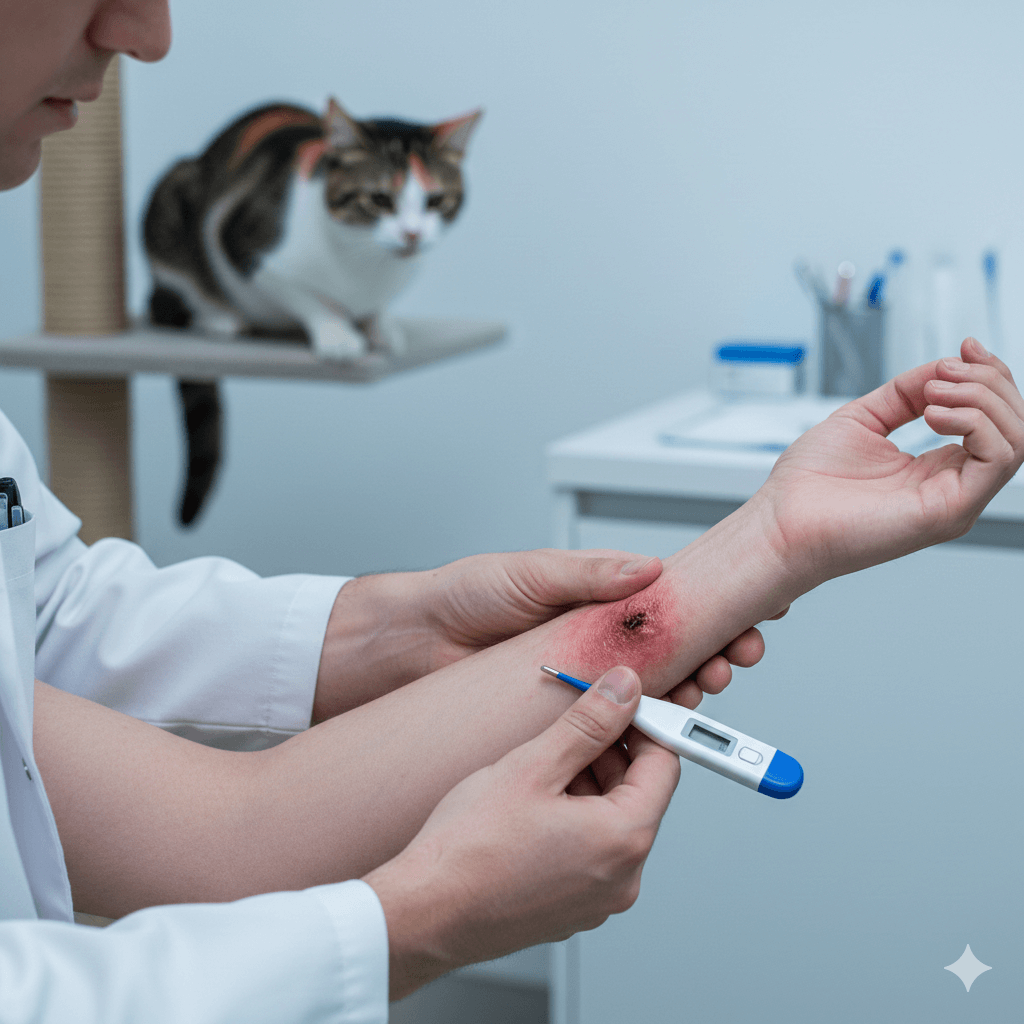
A fever is often one of the first indicators that a cat bite has led to an infection. Cat bites penetrate deeply, creating an environment where bacteria thrive, and symptoms can escalate quickly if left untreated. Recognizing these signs early helps prevent complications such as abscesses or systemic infections. Understanding the range of symptoms ensures you can act promptly and seek appropriate medical care.
- Localized Swelling and Redness:
The area around the bite may become swollen, warm to the touch, and visibly red, indicating inflammation caused by bacterial activity. - Pus or Discharge:
Infected wounds often produce pus, a yellowish or greenish fluid that signals the body’s attempt to fight off invading bacteria. - Increased Pain or Tenderness:
As the infection progresses, the bite site may become increasingly painful or tender, making it difficult to move the affected limb. - Fever and Chills:
A fever over 100.4°F (38°C) accompanied by chills suggests that the infection has spread beyond the localized area into the bloodstream. - Fatigue and Malaise:
General feelings of tiredness, weakness, or discomfort are common systemic responses to an infection spreading through the body.
If you notice any combination of these symptoms, especially fever, it’s crucial to consult a healthcare professional immediately to prevent further complications.
Why Cat Bites Are Prone to Infection
Cat bites are particularly dangerous due to the unique structure of a cat’s teeth and the bacteria present in their mouths. Their sharp, needle-like teeth puncture deeply into tissues, depositing bacteria far below the skin’s surface. This makes cleaning the wound challenging and creates an ideal environment for infection. Understanding why cat bites pose such risks emphasizes the importance of proper wound care.
- Deep Penetration of Teeth:
Cats’ teeth are designed to pierce deeply, pushing bacteria into hard-to-reach areas where they can multiply undisturbed. - High Bacterial Load in Cat Saliva:
Cat saliva contains numerous bacteria, including Pasteurella multocida, which is responsible for most infections following cat bites. - Limited Bleeding from Puncture Wounds:
Unlike cuts or abrasions, puncture wounds tend to close quickly, trapping bacteria inside and preventing natural drainage. - Delayed Onset of Symptoms:
Infections from cat bites may not show immediate signs, allowing bacteria to proliferate unchecked before symptoms appear. - Risk of Systemic Spread:
If untreated, the infection can enter the bloodstream, leading to serious conditions like sepsis or cellulitis.
These factors highlight why even seemingly minor cat bites should never be ignored and require vigilant monitoring for signs of infection.
Check this guide 👉Minor Cat Bite Treatment: Best 7 Expert Tips!
Check this guide 👉Tetanus Shot After Cat Bite: Best 7 Expert Tips!
Check this guide 👉Understanding If a Cat Bite Is Dangerous: Best 7 Expert Tips
Early Warning Signs | Immediate Steps to Take |
|---|---|
Swelling or redness around the bite | Clean the wound thoroughly with soap and water |
Fever over 100.4°F (38°C) | Apply an antiseptic and cover with a sterile bandage |
Pus or discharge from the wound | Elevate the affected area to reduce swelling |
Pain worsening over time | Monitor for systemic signs like fatigue or chills |
Red streaks radiating from the bite | Seek medical attention promptly to prevent complications |
Immediate First Aid Steps for Cat Bites
Taking immediate action after a cat bite significantly reduces the risk of infection and complications. Proper first aid can help cleanse the wound and minimize bacterial load before seeking professional medical care. Following these steps ensures the best possible outcome for both minor and severe bites.
- Wash the Wound Thoroughly:
Use warm water and mild soap to gently clean the bite area, removing dirt, saliva, and surface bacteria to reduce infection risk. - Apply Antiseptic Solution:
After washing, apply an antiseptic like hydrogen peroxide or iodine to further disinfect the wound and kill remaining bacteria. - Control Bleeding with Pressure:
If the bite is bleeding, apply gentle pressure with a clean cloth until the flow slows or stops completely. - Elevate the Affected Area:
For bites on limbs, elevate the injured area above heart level to reduce swelling and improve blood circulation. - Cover with a Sterile Bandage:
Once cleaned, cover the wound with a sterile bandage to protect it from further contamination while awaiting medical advice.
Proper first aid minimizes the chances of infection but does not replace professional evaluation, especially if fever develops afterward.
When to Seek Medical Attention
While some cat bites heal without issue, others require prompt medical attention to prevent serious complications. Fever is a key warning sign that the infection has progressed and needs professional treatment. Knowing when to see a doctor ensures timely intervention and reduces risks of long-term damage.
- Fever Over 100.4°F (38°C):
A fever indicates that the body is fighting an active infection, requiring antibiotics or other medical interventions to resolve. - Signs of Abscess Formation:
Swollen, pus-filled lumps near the bite site suggest an abscess, which must be drained and treated by a healthcare provider. - Red Streaks Radiating from the Wound:
This could signal lymphangitis, a condition where infection spreads along lymphatic channels, necessitating urgent care. - Severe Pain or Loss of Function:
Intense pain or difficulty moving the affected limb points to deep tissue involvement, requiring immediate assessment. - Underlying Health Conditions:
Individuals with weakened immune systems, diabetes, or chronic illnesses face higher risks and should always seek medical care after a cat bite.
Ignoring these warning signs can lead to life-threatening complications, so err on the side of caution and consult a doctor promptly.
Treatment Options for Infected Cat Bites
Medical professionals use various treatments to address infections caused by cat bites, focusing on eliminating bacteria and preventing further spread. Early intervention improves recovery outcomes and prevents complications. Understanding available treatments helps you prepare for what to expect during your visit.
- Antibiotic Therapy:
Oral or intravenous antibiotics target specific bacteria, such as Pasteurella multocida, commonly found in cat bites. - Wound Cleaning and Debridement:
Doctors may clean the wound thoroughly under sterile conditions, removing dead tissue or pus to promote healing. - Tetanus Shot Update:
If your tetanus vaccine is outdated, a booster shot will be administered to prevent tetanus infection. - Pain Management Medications:
Over-the-counter or prescription pain relievers help manage discomfort associated with the bite and subsequent treatment. - Monitoring for Systemic Infections:
Blood tests and imaging scans assess whether the infection has spread internally, guiding additional treatment decisions.
Comprehensive care ensures complete resolution of the infection and minimizes long-term effects on your health.
Preventing Infections from Cat Bites
Preventing infections starts with proactive measures to avoid cat bites altogether. However, if a bite occurs, proper wound management reduces the likelihood of complications. By adopting preventive strategies, you safeguard yourself against potential health risks associated with cat bites.
- Understand Cat Behavior:
Learn to recognize signs of aggression or fear in cats to avoid situations where bites might occur. - Handle Cats Gently:
Avoid rough play or handling unfamiliar cats, as this increases the likelihood of defensive biting. - Vaccinate Your Pets:
Ensure your cat is up-to-date on vaccinations to minimize the transmission of harmful pathogens through bites. - Practice Good Hygiene:
Regularly wash your hands and clean any scratches or minor injuries promptly to prevent bacterial growth. - Educate Family Members:
Teach children how to interact safely with cats, emphasizing respect for boundaries to reduce accidental bites.
Prevention is always better than cure—these steps protect both you and your feline companion from unnecessary harm.
Long-Term Effects of Untreated Cat Bite Infections
Untreated cat bite infections can lead to severe, long-lasting consequences that affect overall health and quality of life. Chronic conditions may arise if the infection spreads unchecked, underscoring the importance of timely medical care. Understanding these potential outcomes reinforces the need for vigilance and swift action.
- Chronic Wound Healing Issues:
Persistent infections delay wound closure, increasing the risk of scarring or permanent tissue damage at the bite site. - Joint or Bone Infections:
Deep punctures can introduce bacteria into joints or bones, leading to osteomyelitis or septic arthritis that requires prolonged treatment. - Systemic Illnesses Like Sepsis:
Untreated infections entering the bloodstream can cause sepsis, a life-threatening condition requiring intensive care. - Lymph Node Enlargement:
Persistent swelling of nearby lymph nodes reflects ongoing immune response to unresolved infections, impacting daily comfort. - Psychological Impact:
Dealing with prolonged illness or disfigurement from untreated bites can contribute to anxiety, stress, or depression over time.
Addressing infections early prevents these debilitating effects, ensuring a faster recovery and preserving your well-being in the long run.
“Infected people may suffer from fever and flu-like symptoms and, rarely, may die if proper medical treatment is not sought.” – Tammy Hunter, DVM
Frequently Asked Questions About Fever After a Cat Bite
What should I do if I develop a fever after a cat bite?
Seek medical attention immediately, as a fever indicates an active infection that requires professional treatment with antibiotics or other interventions.
How long does it take for an infection to develop after a cat bite?
Infections typically develop within 24–48 hours, but symptoms like fever may take up to 72 hours to appear, depending on the severity and location of the bite.
Can I treat a cat bite at home without seeing a doctor?
Minor bites can be cleaned at home, but any signs of infection, such as fever, swelling, or pus, require prompt medical evaluation to prevent complications.
Is it normal to feel tired after a cat bite?
Fatigue is common as your body fights off infection; however, persistent tiredness alongside fever or other symptoms signals the need for medical care.
Do all cat bites cause infections?
Not all cat bites lead to infections, but due to the high bacterial load in their mouths and deep puncture wounds, the risk is significant—up to 50% in some cases.
A Lifeline in Every Moment of Crisis
A fever after a cat bite is more than just a warning sign—it’s a call to action. By understanding the risks, recognizing symptoms early, and seeking timely medical care, you protect yourself from potentially life-threatening complications. Remember, even seemingly minor bites can escalate quickly, so vigilance is key. With proper wound care, preventive measures, and a proactive mindset, you can minimize risks and ensure both you and your feline companion stay safe and healthy. Your quick response could make all the difference in turning a scary situation into a manageable one.

Is Rawhide Bad for Cats? Best 7 Expert Tips! – Discover the risks, safe alternatives, and expert advice to keep your feline friend healthy and happy.

Is Rawhide Bad for Dogs? Best 7 Expert Tips! – Discover the risks, benefits, and safer alternatives to rawhides for your dog’s chewing needs.

Understanding Anorexia in Cats: Best 7 Expert Tips! – Learn why cats stop eating, spot warning signs, and discover how to help your feline regain appetite safely.

Understanding Anorexia in Dogs: Best 7 Expert Tips! – Learn causes, symptoms, and solutions to help your dog regain appetite and stay healthy.