
Understanding Fever After a Dog Bite: What You Need to Know
A fever following a dog bite can be a sign that the body is fighting off an infection, which requires prompt attention. While not all bites lead to complications, even minor wounds can introduce harmful bacteria like Pasteurella or Staphylococcus. Recognizing the symptoms early and seeking appropriate care ensures both safety and peace of mind.
Common Causes of Fever After a Dog Bite
A fever after a dog bite often indicates that the body is responding to an infection or inflammation caused by bacteria introduced during the injury. Dog bites can transfer harmful pathogens from the animal’s mouth into the wound, leading to systemic reactions. Understanding these causes helps you identify potential risks and take appropriate action.
- Bacterial Infections:
Dog saliva contains over 600 types of bacteria, including Pasteurella multocida, which is responsible for most infections following bites. These bacteria multiply rapidly in wounds, triggering fever as the immune system fights back. - Deep Tissue Damage:
Deeper bites or puncture wounds create an ideal environment for bacteria to thrive, as they are harder to clean thoroughly. The trapped bacteria can spread, causing localized or systemic infections that lead to fever. - Tetanus Risk:
If the dog bite breaks the skin, tetanus spores may enter the wound. Tetanus toxin can cause muscle stiffness, spasms, and fever as part of its progression if left untreated. - Capnocytophaga Infection:
This rare but serious bacterial infection occurs when specific strains from a dog’s mouth enter the bloodstream. Symptoms include high fever, vomiting, and even sepsis in immunocompromised individuals. - Delayed Immune Response:
Sometimes, fever doesn’t appear immediately after a bite. Delayed onset may occur if bacteria have had time to multiply or if the wound wasn’t cleaned properly initially.
Fever is your body’s way of signaling that something is wrong. Early recognition of these causes ensures timely intervention and prevents complications.
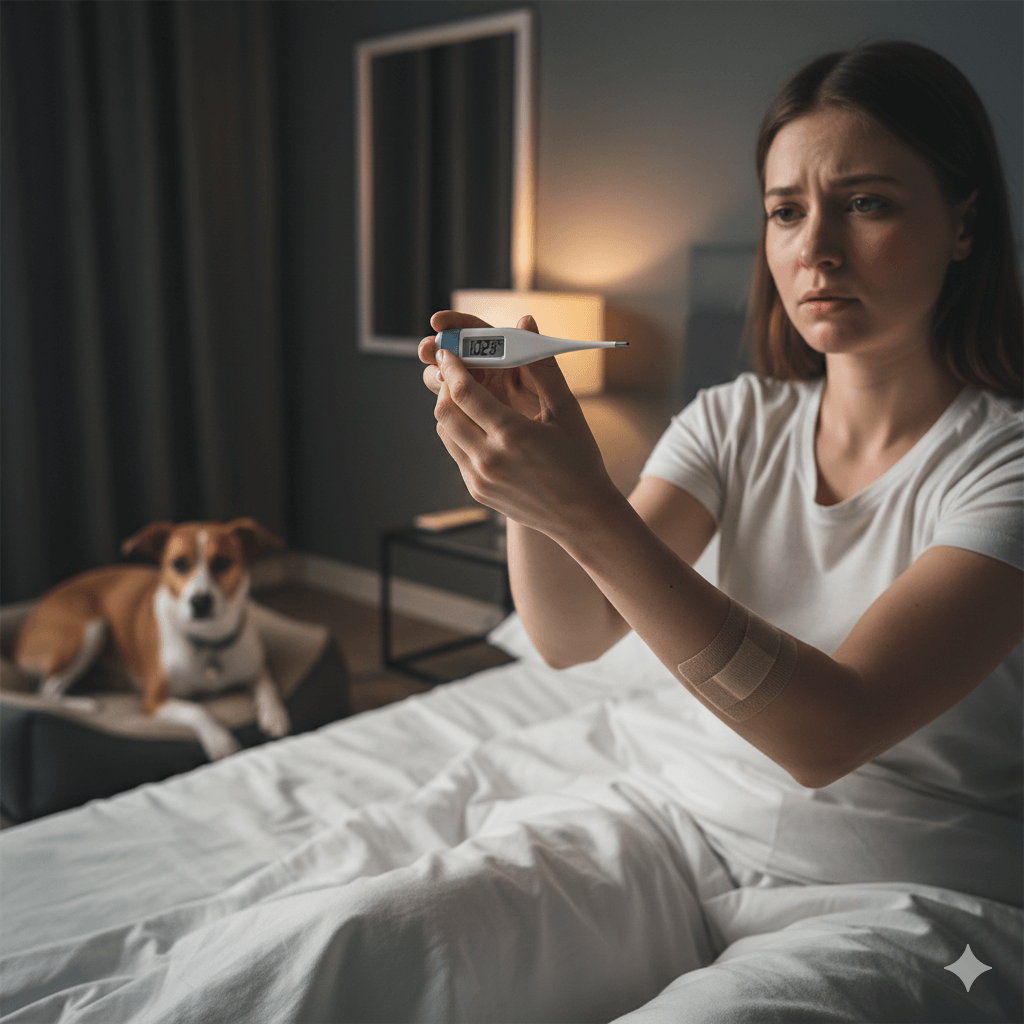
Symptoms of Infection After a Dog Bite
Recognizing the symptoms of infection after a dog bite is crucial, as fever is often accompanied by other warning signs. These symptoms typically develop within 24–48 hours but may take longer in some cases. Monitoring closely helps you determine whether medical attention is necessary.
- Localized Redness and Swelling:
The area around the bite becomes red, warm, and swollen as the immune system responds to bacterial invasion. Persistent swelling despite cleaning is a red flag. - Pus or Discharge:
Yellowish, greenish, or bloody discharge from the wound indicates pus formation, a clear sign of infection that requires immediate care. - Increased Pain:
If the bite site becomes increasingly painful or tender to touch, it suggests worsening inflammation or abscess development beneath the skin. - Fever Above 101°F (38.3°C):
A fever higher than this threshold in adults or above 100.4°F (38°C) in children signals a systemic response to infection requiring evaluation. - Fatigue and Malaise:
General feelings of tiredness, weakness, or lack of energy often accompany fever and indicate the body is working hard to combat the infection.
These symptoms collectively point to a possible infection. Seeking professional help ensures proper treatment and reduces the risk of long-term damage.
Check this guide 👉Understanding Superficial Dog Bites: Best 7 Expert Tips!
Check this guide 👉Minor Dog Bite Treatment: Best 7 Expert Tips!
Check this guide 👉Tetanus Shot After Dog Bite: Best 7 Expert Tips!
Early Warning Signs | Immediate Actions to Take |
|---|---|
Redness and swelling around the bite | Clean the wound thoroughly with soap and water |
Pus or unusual discharge from the wound | Apply an antiseptic and cover with a sterile bandage |
Fever above 101°F (38.3°C) | Contact a healthcare provider immediately |
Increased pain or tenderness | Monitor for worsening symptoms and seek medical help |
Bites on hands, face, or joints | Visit a doctor promptly due to higher risk of complications |
First Aid Steps for Treating a Dog Bite
Immediate first aid minimizes the risk of infection and fever following a dog bite. Proper wound care at home can prevent complications before professional medical intervention is sought. Follow these steps carefully to protect yourself or your loved one.
- Stop the Bleeding:
Apply gentle pressure with a clean cloth or bandage to control bleeding. Elevate the injured area if possible to reduce blood flow to the wound. - Clean the Wound Thoroughly:
Wash the bite with soap and warm water for at least 5 minutes to remove dirt, saliva, and bacteria. Avoid using harsh chemicals like hydrogen peroxide, which can damage tissue. - Apply an Antiseptic:
Use an over-the-counter antiseptic solution or ointment to disinfect the area further and reduce the risk of bacterial growth. - Cover the Wound:
Place a sterile bandage over the cleaned wound to protect it from additional contamination while keeping it dry and clean. - Monitor for Signs of Infection:
Keep a close eye on the wound for redness, swelling, or discharge. If any symptoms develop, seek medical attention promptly.
Proper first aid significantly lowers the chances of complications, but it doesn’t replace professional evaluation, especially for deep or dirty wounds.
When to Seek Medical Attention for a Dog Bite
Not all dog bites require emergency care, but certain situations demand immediate attention. Knowing when to visit a doctor ensures timely treatment and prevents serious consequences like fever or systemic infections.
- Deep Puncture Wounds:
Bites that penetrate deeply into the skin carry a higher risk of infection due to trapped bacteria in hard-to-clean areas. - Bites on Hands, Face, or Joints:
These areas are more prone to complications because of their proximity to bones, tendons, and critical structures. - Unvaccinated or Unknown Dogs:
Bites from stray dogs or those with unknown vaccination status increase the risk of rabies and other diseases. - Signs of Systemic Illness:
High fever, chills, nausea, or confusion following a bite suggest the infection has spread beyond the wound site. - Weakened Immune Systems:
Individuals with diabetes, HIV/AIDS, or undergoing chemotherapy are more vulnerable to severe infections and should always consult a doctor.
Prompt medical care prevents complications and ensures peace of mind for both minor and major incidents.
Treatment Options for Dog Bite Infections
Medical professionals use various methods to treat infections resulting from dog bites, focusing on eradicating bacteria and preventing further complications. Early intervention improves outcomes significantly.
- Antibiotics:
Oral or intravenous antibiotics target common pathogens like Pasteurella and Staphylococcus. Broad-spectrum options are often prescribed until cultures confirm specific bacteria. - Wound Debridement:
Severely infected wounds may require surgical cleaning to remove dead tissue and promote healing. This reduces bacterial load and speeds recovery. - Tetanus Shots:
If the patient hasn’t received a tetanus booster within the last 5 years, a shot will be administered to prevent this life-threatening condition. - Rabies Prophylaxis:
In cases involving unvaccinated or unknown dogs, post-exposure rabies vaccines are given to eliminate the risk of transmission. - Pain Management:
Over-the-counter pain relievers or prescription medications alleviate discomfort associated with the bite and subsequent treatments.
Each case varies, but modern medicine offers effective solutions to manage dog bite infections safely.
Preventing Complications After a Dog Bite
Prevention plays a vital role in minimizing risks after a dog bite. Taking proactive measures ensures faster healing and reduces the likelihood of complications like fever or infection.
- Vaccinate Your Pets:
Ensure your dog is up-to-date on rabies and other vaccinations to reduce the risk of transmitting diseases through bites. - Educate Children:
Teach kids how to interact safely with dogs, emphasizing not to approach unfamiliar animals or provoke them unnecessarily. - Practice Good Hygiene:
Wash hands thoroughly after handling pets and clean any scratches or minor bites immediately to prevent infection. - Avoid High-Risk Situations:
Stay away from aggressive or stray dogs, and never attempt to separate fighting animals with bare hands. - Follow Up with Healthcare Providers:
Even if initial treatment seems successful, schedule follow-up visits to monitor healing and catch hidden issues early.
Preventive strategies safeguard both humans and pets, fostering safer interactions and healthier outcomes.
Long-Term Effects of Untreated Dog Bites
Untreated dog bites can lead to serious long-term effects, ranging from chronic health issues to psychological trauma. Understanding these consequences underscores the importance of seeking timely care.
- Chronic Infections:
Untreated wounds may develop persistent infections requiring ongoing antibiotic therapy or surgical intervention. - Scarring and Disfigurement:
Deep bites or delayed treatment can result in permanent scars, particularly on visible areas like the face or hands. - Nerve or Tendon Damage:
Severe bites near joints or extremities may damage nerves or tendons, impacting mobility and function permanently. - Post-Traumatic Stress Disorder (PTSD):
Victims of aggressive dog attacks may experience anxiety, fear, or PTSD, affecting their quality of life and interactions with animals. - Systemic Health Issues:
Sepsis or organ failure can occur if infections spread unchecked, posing life-threatening risks without prompt treatment.
Addressing dog bites early prevents these long-term complications, ensuring physical and emotional well-being for victims.
“Infected people may suffer from fever and flu-like symptoms and, rarely, may die if proper medical treatment is not sought.” – Tammy Hunter, DVM
Frequently Asked Questions About Fever After a Dog Bite
What should I do if I develop a fever after a dog bite?
Seek medical attention immediately, as fever often indicates an infection that requires professional treatment.
How long does it take for symptoms to appear after a dog bite?
Symptoms like redness, swelling, or fever typically develop within 24–48 hours but may take longer in some cases.
Can a dog bite cause rabies?
Yes, if the dog is unvaccinated or its vaccination status is unknown, rabies prophylaxis may be necessary to prevent transmission.
Is it normal to have a low-grade fever after a dog bite?
A mild fever can occur as part of the body’s immune response, but any fever above 101°F (38.3°C) warrants evaluation.
Do I need antibiotics for every dog bite?
Not always, but deep puncture wounds or bites on sensitive areas often require antibiotics to prevent infection.
A Lifeline in Every Moment of Crisis
A fever after a dog bite is your body’s way of signaling that something is wrong. By recognizing early warning signs, taking immediate action, and seeking professional care, you can prevent complications and ensure a swift recovery. Remember, prevention and education are key—understanding how to safely interact with dogs and practicing good wound care minimizes risks for both humans and pets. With vigilance and compassion, we can create safer environments for everyone, fostering trust and harmony between species.

Is Rawhide Bad for Cats? Best 7 Expert Tips! – Discover the risks, safe alternatives, and expert advice to keep your feline friend healthy and happy.

Is Rawhide Bad for Dogs? Best 7 Expert Tips! – Discover the risks, benefits, and safer alternatives to rawhides for your dog’s chewing needs.

Understanding Anorexia in Cats: Best 7 Expert Tips! – Learn why cats stop eating, spot warning signs, and discover how to help your feline regain appetite safely.

Understanding Anorexia in Dogs: Best 7 Expert Tips! – Learn causes, symptoms, and solutions to help your dog regain appetite and stay healthy.