
Understanding Demodectic Mange in Cats
Demodectic mange, caused by microscopic mites, is a rare but concerning skin condition in cats. While most felines carry these mites without issue, a weakened immune system can allow them to multiply and cause irritation. Recognizing the signs early and seeking proper treatment ensures your cat’s comfort and recovery.
Causes of Demodectic Mange in Cats
Demodectic mange in cats is caused by an overpopulation of Demodex cati or Demodex gatoi, two types of mites that naturally reside on feline skin. While these mites are typically harmless, certain factors can disrupt the balance, leading to mange. Understanding these triggers helps prevent outbreaks and supports your cat’s overall health.
- Immune System Weakness:
A compromised immune system is the primary cause of demodectic mange. Conditions like feline leukemia (FeLV), feline immunodeficiency virus (FIV), or chronic illnesses reduce the body’s ability to control mite populations. - Stressful Environments:
High-stress situations, such as moving homes, introducing new pets, or loud household activities, weaken immune defenses and create opportunities for mites to thrive. - Underlying Health Issues:
Skin infections, hormonal imbalances, or nutritional deficiencies make cats more vulnerable to mite overgrowth. Addressing these root causes is crucial for long-term recovery. - Genetic Predisposition:
Some cats are genetically prone to immune dysfunctions, making them more susceptible to demodectic mange. Purebred cats, especially Persian and Himalayan breeds, are at higher risk. - Poor Hygiene Practices:
Infrequent grooming or unsanitary living conditions can exacerbate mite infestations. Regular brushing and a clean environment help maintain healthy skin and fur.
By identifying and addressing these underlying causes, you can reduce the likelihood of demodectic mange recurring and improve your cat’s quality of life. Early intervention and consistent care are key to managing this condition effectively.
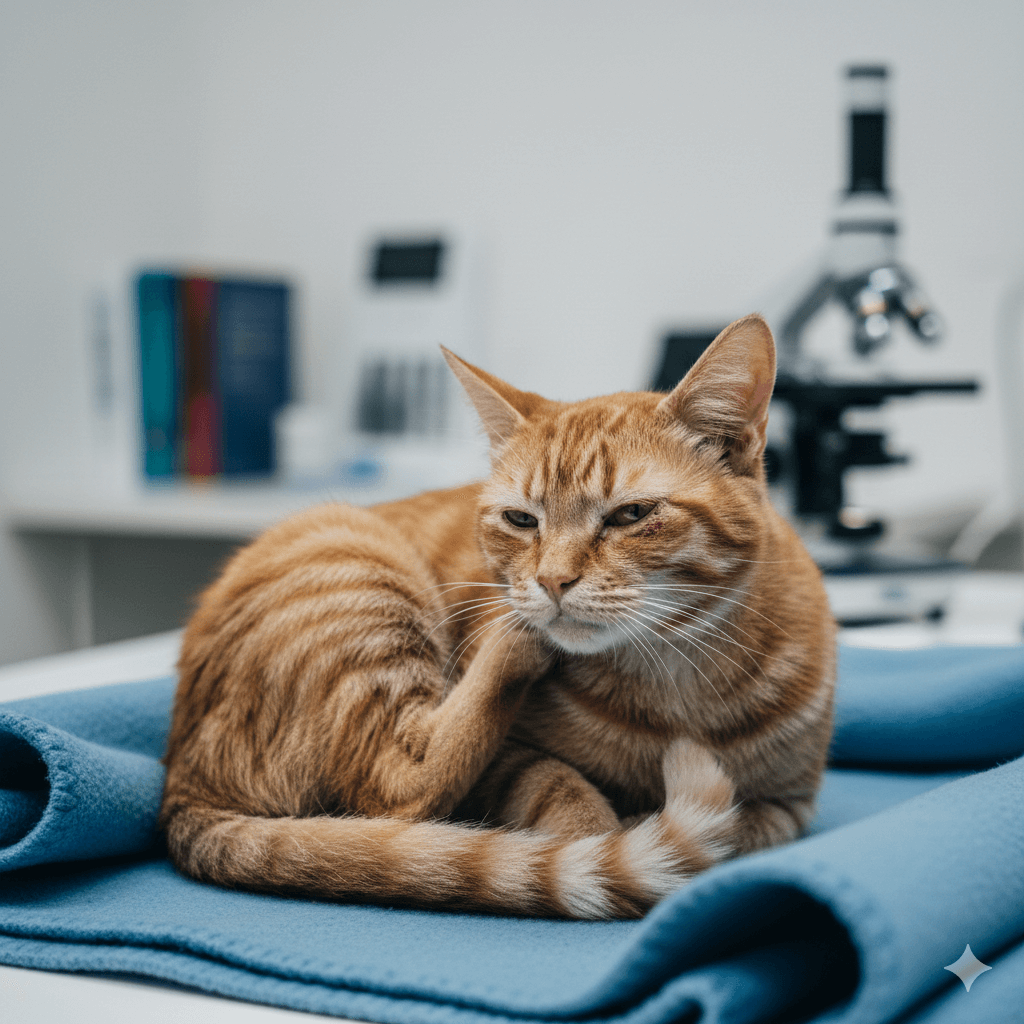
Symptoms of Demodectic Mange in Cats
Demodectic mange manifests through a variety of skin-related symptoms, ranging from mild irritation to severe discomfort. Recognizing these signs early ensures prompt treatment and minimizes your cat’s suffering.
- Hair Loss (Alopecia):
Patchy hair loss, particularly around the face, neck, and legs, is one of the earliest signs of demodectic mange. The affected areas often appear inflamed or scaly. - Intense Itching and Scratching:
While demodectic mange isn’t always itchy, secondary bacterial infections can cause significant discomfort, leading to excessive scratching or licking. - Red, Inflamed Skin:
The skin may become red, swollen, and irritated due to mite activity and the resulting immune response. These areas are prone to further infection if left untreated. - Crusty or Scaly Lesions:
Dry, flaky patches or crusty lesions form on the skin as the condition progresses. These lesions often emit a foul odor due to secondary infections. - Behavioral Changes:
Cats with demodectic mange may become irritable, lethargic, or withdrawn due to constant discomfort. They may also avoid being touched or groomed.
If you notice any combination of these symptoms, consult your veterinarian promptly. Early diagnosis and treatment prevent complications and ensure a faster recovery for your feline companion.
Check this guide 👉Leptospirosis Symptoms in Cats: Best 7 Expert Tips!
Check this guide 👉Cyanide Poisoning in Cats: Best 7 Expert Tips!
Check this guide 👉Cortisol Levels in Cats: Best 7 Expert Tips!
Key Symptoms to Watch For | Prevention and Management Tips |
|---|---|
Patchy hair loss (alopecia) | Schedule regular vet check-ups for early detection |
Red, inflamed skin | Provide a balanced, nutrient-rich diet to boost immunity |
Crusty or scaly lesions | Minimize stressors like overcrowding or loud noises |
Intense itching and scratching | Groom your cat regularly to maintain healthy skin |
Behavioral changes (irritability, lethargy) | Keep your home clean and free of allergens |
Diagnosis of Demodectic Mange in Cats
Diagnosing demodectic mange requires a thorough veterinary evaluation to rule out other skin conditions with similar symptoms. A combination of tests and observations helps pinpoint the exact cause of your cat’s discomfort.
- Skin Scrapings:
Veterinarians perform skin scrapings to collect samples of skin cells and mites. These samples are examined under a microscope to identify the presence of Demodex mites. - Trichogram Analysis:
A trichogram involves examining plucked hairs under a microscope to detect mites attached to the hair shafts. This method is particularly useful for diagnosing Demodex gatoi. - Bacterial Culture Tests:
Secondary bacterial infections are common with demodectic mange. Cultures help identify the specific bacteria causing the infection, guiding antibiotic selection. - Blood Tests:
Comprehensive blood work checks for underlying immune system disorders, such as FeLV or FIV, which may contribute to mite overgrowth. - Differential Diagnosis:
Conditions like ringworm, allergies, or flea infestations mimic mange symptoms. Ruling out these possibilities ensures accurate treatment planning.
Accurate diagnosis is essential for effective treatment. Your veterinarian will use these methods to confirm demodectic mange and develop a tailored care plan.
Treatment Options for Demodectic Mange in Cats
Treating demodectic mange focuses on eliminating mites, soothing the skin, and addressing underlying health issues. A multi-faceted approach ensures comprehensive care and prevents recurrence.
- Topical Medications:
Medicated shampoos, dips, or ointments containing ingredients like lime sulfur or amitraz kill mites and reduce inflammation. These treatments are applied directly to affected areas. - Oral Medications:
Antiparasitic drugs, such as ivermectin or milbemycin, target mites systemically. However, these medications require careful dosing and monitoring due to potential side effects. - Antibiotics for Secondary Infections:
Bacterial infections often accompany demodectic mange. Broad-spectrum antibiotics eliminate harmful bacteria and promote healing. - Immune Support Supplements:
Probiotics, omega-3 fatty acids, and vitamins bolster the immune system, helping your cat fight off mites naturally. - Environmental Cleaning:
Thoroughly cleaning bedding, carpets, and furniture removes mites from your cat’s surroundings, reducing reinfection risks.
Consistency and follow-up care are vital for successful treatment. Work closely with your veterinarian to monitor progress and adjust the plan as needed.
Preventing Demodectic Mange in Cats
Preventing demodectic mange involves maintaining your cat’s overall health and minimizing exposure to risk factors. Proactive measures reduce the likelihood of outbreaks and keep your cat’s skin in optimal condition.
- Regular Veterinary Check-Ups:
Routine exams detect underlying health issues early, preventing conditions that could lead to mange. Vaccinations against FeLV and FIV also play a role. - Balanced Nutrition:
A nutrient-rich diet supports a strong immune system and healthy skin. Include high-quality proteins, fats, and vitamins tailored to your cat’s needs. - Stress Reduction:
Minimize stressors like overcrowding, loud noises, or frequent changes in routine. Calming aids, such as pheromone diffusers, help maintain emotional balance. - Proper Grooming Habits:
Regular brushing removes loose hair and debris, promoting healthy skin and reducing mite buildup. Avoid over-bathing, which can dry out the skin. - Isolation During Outbreaks:
If one cat develops mange, isolate them temporarily to prevent spreading mites to other pets in the household.
These preventive strategies create a safer, healthier environment for your cat and reduce the chances of demodectic mange occurring.
Long-Term Management of Demodectic Mange
For cats prone to recurrent demodectic mange, long-term management is essential to maintain their health and comfort. Consistent care and monitoring prevent flare-ups and address underlying vulnerabilities.
- Ongoing Veterinary Care:
Schedule regular check-ups to monitor your cat’s skin health and immune function. Blood tests and skin evaluations catch issues before they escalate. - Customized Treatment Plans:
Tailor treatments to your cat’s specific needs, adjusting medications or supplements based on their response and overall health. - Monitoring Behavioral Changes:
Watch for signs of stress, discomfort, or skin irritation, as these may indicate a recurrence of mange or other health problems. - Environmental Modifications:
Keep your home clean and free of allergens or irritants that could compromise your cat’s immune system or skin health. - Breeding Considerations:
If your cat has a genetic predisposition to mange, avoid breeding them to prevent passing susceptibility to future generations.
With dedication and vigilance, you can manage demodectic mange effectively and ensure your cat enjoys a happy, healthy life.
How Demodectic Mange Differs from Other Skin Conditions
Demodectic mange is often confused with other skin issues like ringworm, flea allergies, or sarcoptic mange. However, understanding the key differences ensures accurate diagnosis and appropriate treatment for your cat.
- Demodectic vs. Sarcoptic Mange:
Unlike sarcoptic mange (caused by Sarcoptes scabiei), demodectic mange is not highly contagious and typically affects cats with weakened immune systems rather than spreading easily between animals. - Demodectic Mange vs. Ringworm:
Ringworm is a fungal infection that causes circular, patchy hair loss, while demodectic mange results from mites and includes inflamed, crusty skin lesions. - Demodectic Mange vs. Flea Allergies:
Flea allergies cause intense itching and red bumps but do not lead to the same level of hair loss or crusting as demodectic mange. - Secondary Infections vs. Primary Causes:
Demodectic mange often leads to secondary bacterial infections, which can mask the primary issue if not properly diagnosed. - Breed-Specific Patterns:
Certain breeds, such as Persians and Himalayans, are more prone to demodectic mange due to genetic predispositions, unlike conditions like ringworm, which affect all breeds equally.
Recognizing these distinctions helps you and your veterinarian identify the root cause of your cat’s symptoms and provide targeted care.
“Demodicosis is a parasitic skin condition caused by Demodex mites that are normal residents of the skin in virtually all mammal species, but in some cases multiply to excessive levels—often associated with a suppressed immune system—causing itching, hair loss, and crusting in cats.” – Courtney Barnes, BSc, DVM
Frequently Asked Questions About Demodectic Mange in Cats
Is demodectic mange contagious between cats?
Yes, Demodex gatoi is contagious and can spread through direct contact, but Demodex cati is not typically contagious.
Can humans get demodectic mange from cats?
No, these mites are species-specific and cannot survive on human skin.
How long does treatment take to show results?
Improvement usually appears within 2–4 weeks, but complete resolution may take several months depending on severity.
What if my cat relapses after treatment?
Relapses indicate an underlying issue, such as immune dysfunction, requiring further investigation and tailored care.
Are over-the-counter treatments safe for demodectic mange?
Avoid OTC products unless specifically recommended by your vet, as improper use can worsen the condition.
Supporting Your Cat Through Demodectic Mange
Demodectic mange can be a challenging condition for both cats and their owners, but with patience, proper care, and veterinary guidance, most cats recover fully. Early recognition of symptoms, consistent treatment, and addressing underlying health issues are key to ensuring your cat’s comfort and long-term well-being. By staying informed and proactive, you not only alleviate your cat’s discomfort but also strengthen the bond you share. Remember, your dedication and love are the foundation of their recovery and happiness.

Is Rawhide Bad for Cats? Best 7 Expert Tips! – Discover the risks, safe alternatives, and expert advice to keep your feline friend healthy and happy.

Is Rawhide Bad for Dogs? Best 7 Expert Tips! – Discover the risks, benefits, and safer alternatives to rawhides for your dog’s chewing needs.

Understanding Anorexia in Cats: Best 7 Expert Tips! – Learn why cats stop eating, spot warning signs, and discover how to help your feline regain appetite safely.

Understanding Anorexia in Dogs: Best 7 Expert Tips! – Learn causes, symptoms, and solutions to help your dog regain appetite and stay healthy.