
Recognizing Dog Hypothermia Symptoms: A Guide to Keeping Your Pup Safe
Hypothermia in dogs occurs when their body temperature drops below normal, often due to prolonged exposure to cold environments. This condition can be life-threatening if not addressed promptly, as it affects vital organs and bodily functions. By understanding the symptoms of hypothermia, you can take immediate action to warm your dog and seek veterinary care, ensuring their safety and well-being.
Common Symptoms of Dog Hypothermia
Hypothermia in dogs manifests through a range of physical and behavioral changes as their body struggles to maintain its core temperature. Early recognition of these symptoms is crucial to prevent the condition from worsening. If you notice any of the following signs, take immediate action to warm your dog and seek veterinary assistance.
- Shivering or Trembling:
Shivering is one of the first signs of hypothermia, as the body attempts to generate heat through muscle activity. However, if shivering stops without the dog warming up, it may indicate a severe drop in body temperature. - Lethargy or Weakness:
A hypothermic dog often becomes unusually sluggish or unresponsive. Their energy levels plummet as the body prioritizes vital functions over movement, making them appear weak or disoriented. - Pale or Bluish Gums:
Cold exposure reduces blood flow to extremities, causing gums to appear pale, grayish, or bluish. This discoloration signals poor circulation and oxygen deprivation, which can escalate quickly. - Slow or Shallow Breathing:
As the body slows down to conserve energy, breathing may become shallow or irregular. In severe cases, respiratory distress can occur, requiring immediate medical intervention. - Loss of Coordination or Stumbling:
Hypothermia affects the nervous system, leading to stumbling, difficulty walking, or an inability to stand. These neurological symptoms indicate advanced stages of the condition.
Recognizing these symptoms early allows you to intervene before hypothermia progresses to a life-threatening state, ensuring your dog receives timely care.
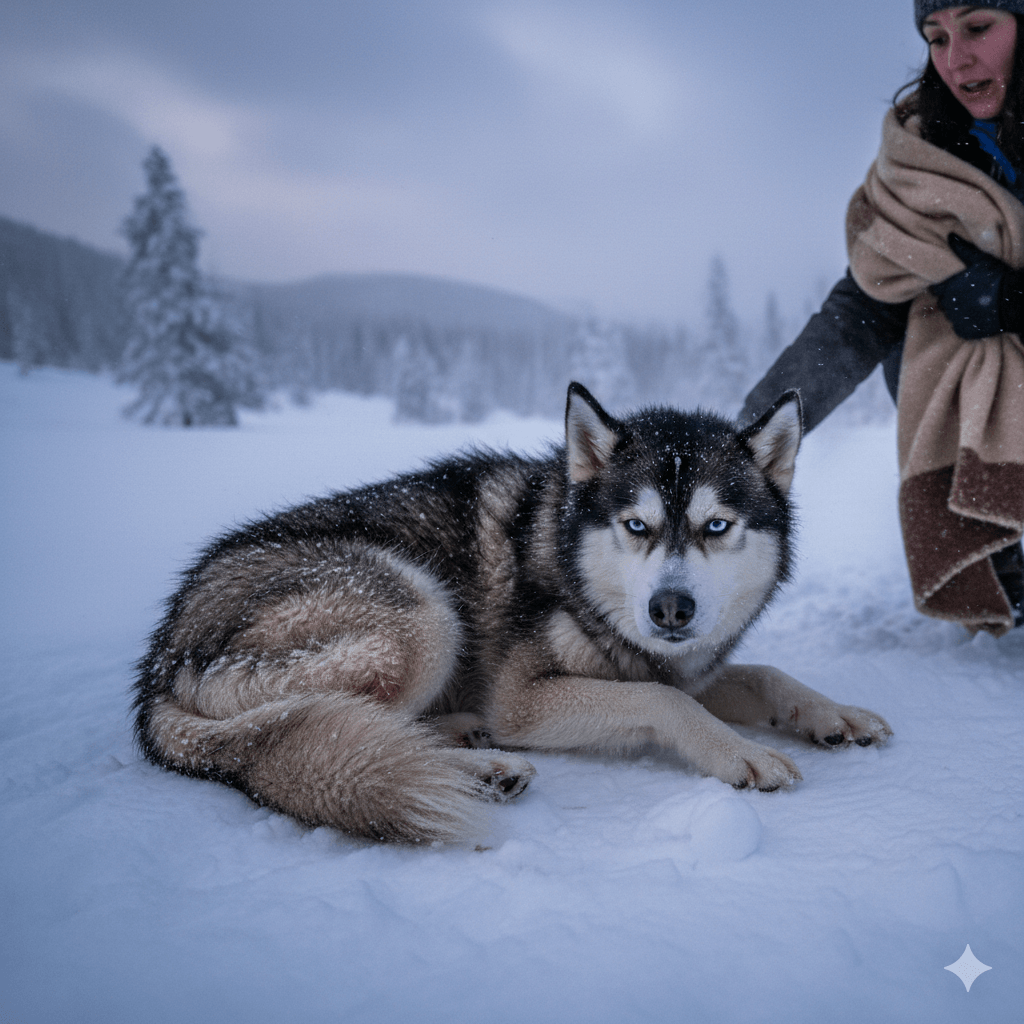
Causes of Hypothermia in Dogs
Dogs can develop hypothermia due to various factors, ranging from environmental conditions to underlying health issues. Understanding these causes helps you identify risks and take preventive measures to protect your dog during colder months.
- Prolonged Exposure to Cold Weather:
Extended time outdoors in freezing temperatures, especially without proper shelter or clothing, is a leading cause of hypothermia in dogs. Smaller breeds or short-haired dogs are particularly vulnerable. - Wet Fur or Skin:
Dogs that get wet in cold weather lose body heat rapidly, as water accelerates heat loss. Swimming in icy water or being out in rain or snow without drying off increases the risk significantly. - Small Size or Low Body Fat:
Toy breeds, puppies, and senior dogs with minimal insulation are more prone to hypothermia due to their limited ability to retain body heat. - Underlying Health Conditions:
Conditions like hypothyroidism, diabetes, or heart disease impair thermoregulation, making affected dogs more susceptible to cold-related illnesses. - Inadequate Shelter or Bedding:
Dogs left outside without proper bedding, wind protection, or insulated shelters struggle to stay warm, increasing their chances of developing hypothermia.
By addressing these risk factors proactively, you can minimize the likelihood of hypothermia and keep your dog safe during colder seasons.
Check this guide 👉Megaesophagus Dog Symptoms: Best 7 Expert Tips!
Check this guide 👉Intestinal Parasite Dog Symptoms: Best 7 Expert Tips!
Check this guide 👉Dog Seizure Symptoms: Best 7 Expert Tips!
Early Warning Signs of Hypothermia | Immediate Actions to Take |
|---|---|
Shivering or trembling despite warmth | Move your dog indoors or to a sheltered area |
Lethargy or unwillingness to move | Cover your dog with warm blankets or clothing |
Pale or bluish gums and tongue | Dry their fur thoroughly if wet and monitor breathing |
Slow or shallow breathing patterns | Offer lukewarm fluids if your dog is conscious |
Loss of coordination or stumbling | Contact your vet immediately for further guidance |
Immediate First Aid for Dog Hypothermia
If you suspect your dog is suffering from hypothermia, quick action is essential to stabilize their condition before seeking professional help. Follow these steps carefully to gradually warm your dog and prevent further complications.
- Move Your Dog to a Warm Environment:
Bring your dog indoors or to a sheltered area away from cold drafts. Avoid placing them near direct heat sources like fireplaces or heaters, as sudden warmth can worsen their condition. - Dry Their Fur Thoroughly:
Use towels to gently dry your dog’s fur if they are wet. Replace damp towels frequently to ensure continuous warmth and prevent further heat loss. - Wrap Them in Blankets:
Cover your dog with warm blankets or clothing to slowly raise their body temperature. You can also use warmed (not hot) water bottles wrapped in fabric to provide gentle heat. - Offer Warm Fluids:
If your dog is conscious and able to swallow, offer lukewarm (not hot) water or diluted chicken broth to help rehydrate and warm them internally. - Monitor Vital Signs Closely:
Check your dog’s temperature, gum color, and breathing rate regularly. If their temperature remains below 98°F (36.7°C) or symptoms worsen, transport them to a vet immediately.
These steps can stabilize your dog temporarily, but professional veterinary care is still necessary to ensure full recovery.
How Hypothermia Affects a Dog’s Organs
Hypothermia impacts multiple organ systems, disrupting normal bodily functions and posing significant risks to your dog’s health. Understanding these effects highlights the importance of prompt treatment to prevent long-term damage.
- Cardiovascular System Strain:
Cold exposure causes blood vessels to constrict, reducing blood flow to vital organs and increasing the workload on the heart. Prolonged hypothermia can lead to cardiac arrest. - Respiratory Distress:
As the body slows down, breathing becomes shallow or irregular, leading to reduced oxygen intake. This can result in respiratory failure if untreated. - Neurological Impairment:
The brain requires consistent blood flow and oxygen to function properly. Hypothermia disrupts this balance, causing confusion, seizures, or loss of consciousness. - Kidney Function Decline:
Reduced blood flow to the kidneys impairs their ability to filter waste, potentially leading to acute kidney injury or failure in severe cases. - Immune System Suppression:
Cold stress weakens the immune system, making hypothermic dogs more susceptible to secondary infections or complications during recovery.
Understanding these systemic effects underscores the urgency of treating hypothermia promptly to safeguard your dog’s overall health.
Preventing Hypothermia in Dogs During Winter
Taking proactive steps to protect your dog from cold weather is key to preventing hypothermia. With proper planning and precautions, you can ensure their safety and comfort throughout the winter months.
- Provide Adequate Shelter:
Ensure outdoor dogs have insulated, draft-free shelters with warm bedding, such as straw or heated pads, to maintain body heat. - Limit Outdoor Time in Extreme Cold:
Shorten walks and playtime during freezing temperatures, especially for breeds unsuited to cold climates. Always supervise outdoor activities closely. - Use Protective Clothing:
Sweaters, coats, and booties help retain body heat and protect paws from frostbite. Ensure garments fit snugly but allow freedom of movement. - Dry Off After Wetness:
Immediately towel-dry your dog after exposure to snow, rain, or icy water to prevent rapid heat loss. Consider using a hairdryer on low heat for thorough drying. - Feed a Nutrient-Rich Diet:
Proper nutrition supports metabolic processes that generate heat. Increase calorie intake slightly during colder months to meet higher energy demands.
By implementing these preventive measures, you can reduce the risk of hypothermia and keep your dog healthy and happy all winter long.
Long-Term Effects of Severe Hypothermia
While many dogs recover fully from mild hypothermia, severe cases can leave lasting impacts on their health. Understanding these potential long-term effects prepares you for ongoing care needs and monitoring.
- Chronic Joint Pain:
Prolonged cold exposure can exacerbate arthritis or joint stiffness, requiring long-term pain management strategies like supplements or physical therapy. - Weakened Immune System:
Severe hypothermia compromises immunity, leaving dogs more prone to infections or illnesses even after recovery. Regular vet check-ups are essential. - Behavioral Changes:
Some dogs become anxious or fearful of cold environments after experiencing hypothermia, necessitating patience and positive reinforcement training. - Organ Damage Risk:
Extended periods of low body temperature can cause irreversible damage to organs like the kidneys or liver, requiring lifelong dietary adjustments or medications. - Increased Sensitivity to Cold:
Dogs recovering from hypothermia may have permanently reduced tolerance to cold, requiring extra precautions during future cold spells.
Awareness of these possibilities ensures you provide comprehensive care and address any lingering issues promptly.
Special Considerations for High-Risk Dogs
Certain dogs are more vulnerable to hypothermia due to breed traits, age, or health conditions. Identifying high-risk individuals allows you to tailor preventive measures and respond effectively to potential emergencies.
- Small Breeds and Toy Dogs:
Their compact size and lower body fat make them less capable of retaining heat, requiring additional layers of protection in cold weather. - Short-Haired Breeds:
Breeds like Greyhounds, Whippets, or Chihuahuas lack the thick coats needed for insulation, making them highly susceptible to cold-related illnesses. - Senior Dogs:
Older dogs often have weakened immune systems and reduced mobility, complicating their ability to regulate body temperature effectively. - Puppies and Young Dogs:
Young pups have underdeveloped thermoregulatory systems, making them more prone to rapid heat loss and hypothermia. - Dogs with Preexisting Conditions:
Conditions like arthritis, hypothyroidism, or cardiovascular diseases increase vulnerability to hypothermia, demanding tailored care plans.
By recognizing these risk factors, you can implement targeted strategies to protect high-risk dogs and ensure their safety in cold environments.
“If a dog is left in the cold for an extended period of times, signs of hypothermia to look for are shivering, lethargy, weakness, and shallow breathing. After a period of time, the shivering stops and they become more neurologically affected. Their heart rates may drop to dangerous levels, and it can be fatal.” – Dr. Stacy Eckman
Frequently Asked Questions About Dog Hypothermia Symptoms
What temperature is considered hypothermic for dogs?
A dog’s normal body temperature ranges from 101°F to 102.5°F (38.3°C to 39.2°C). Anything below 99°F (37.2°C) indicates hypothermia and requires immediate attention.
What temperature is considered hypothermic for dogs?
Use a digital rectal thermometer with petroleum jelly for lubrication. Insert it gently into the rectum, ensuring your dog is calm and restrained during the process.
Can hypothermia lead to permanent damage?
Severe or untreated hypothermia can cause organ damage, neurological issues, or even death. Early intervention minimizes long-term risks significantly.
Is it safe to use a heating pad on a hypothermic dog?
Yes, but only if the heating pad is set to low heat and wrapped in a towel to prevent burns. Direct contact with a hot surface can harm your dog further.
When should I take my dog to the vet for hypothermia?
If your dog’s temperature doesn’t improve with first aid, or if they show symptoms like lethargy, pale gums, or difficulty breathing, seek veterinary care immediately.
Safeguarding Your Dog Against Hypothermia
Hypothermia is a serious condition that demands vigilance, especially during colder months. By recognizing the early warning signs, taking preventive measures, and acting swiftly in emergencies, you can protect your dog from the dangers of extreme cold. Remember, their safety depends on your awareness and preparedness—whether it’s providing proper shelter, using protective clothing, or knowing when to call the vet. With love, care, and proactive steps, you ensure that your furry companion stays warm, healthy, and happy throughout the winter season.

Is Rawhide Bad for Cats? Best 7 Expert Tips! – Discover the risks, safe alternatives, and expert advice to keep your feline friend healthy and happy.

Is Rawhide Bad for Dogs? Best 7 Expert Tips! – Discover the risks, benefits, and safer alternatives to rawhides for your dog’s chewing needs.

Understanding Anorexia in Cats: Best 7 Expert Tips! – Learn why cats stop eating, spot warning signs, and discover how to help your feline regain appetite safely.

Understanding Anorexia in Dogs: Best 7 Expert Tips! – Learn causes, symptoms, and solutions to help your dog regain appetite and stay healthy.