
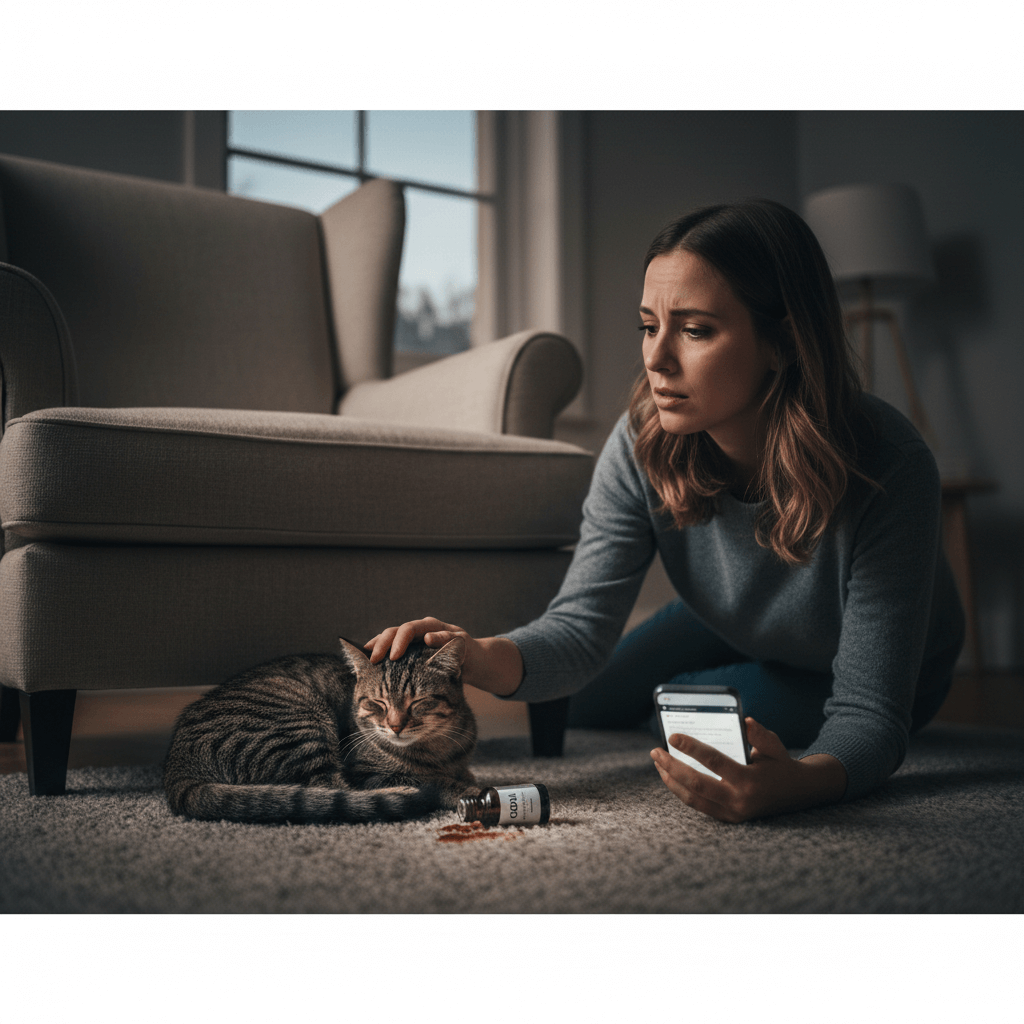

Can Too Much CBD Kill a Cat? Best 7 Expert Tips!

Can Too Much CBD Kill a Cat? Best 7 Expert Tips!

Can Too Much CBD Kill a Cat?

While CBD is often praised for its potential therapeutic benefits in pets, excessive doses can pose serious risks to cats. Unlike dogs or humans, felines have unique metabolisms that make them more sensitive to certain compounds. Understanding the signs of CBD toxicity and safe usage limits is crucial to keeping your cat safe and healthy.

How CBD Affects Cats Differently Than Other Pets

Cats metabolize substances differently than dogs or humans, making them more vulnerable to certain compounds in CBD products. Their smaller size and unique liver enzymes mean even small doses can have significant effects. Understanding these differences is essential for responsible CBD use in felines.

 
  • Unique Metabolism of Cats:
    Cats lack specific liver enzymes (like cytochrome P450) that help break down many compounds, including cannabinoids. This makes it harder for them to process CBD efficiently.
     
  • Sensitivity to Dosage:
    Even slight overdoses can overwhelm a cat’s system, leading to adverse reactions like lethargy, vomiting, or worse. Their smaller body weight amplifies the impact of CBD.
     
  • Risk of THC Contamination:
    Many CBD products contain trace amounts of THC, which is highly toxic to cats. THC toxicity can cause severe neurological symptoms, including seizures or coma.
     
  • Cumulative Toxicity Risk:
    Repeated exposure to suboptimal CBD doses can build up in a cat’s system, increasing the likelihood of long-term damage to organs like the liver or kidneys.
     
  • Lack of Regulatory Standards:
    The CBD market lacks strict regulations, meaning product potency and purity vary widely. This inconsistency poses additional risks for sensitive animals like cats.
 

Understanding these factors highlights why precision and caution are critical when considering CBD for your cat. Always consult a veterinarian before introducing any new supplement.

 
Can Too Much CBD Kill a Cat? Best 7 Expert Tips!

Signs Your Cat May Have Consumed Too Much CBD

Recognizing the symptoms of CBD overdose in cats is crucial for timely intervention. These signs often appear within hours of ingestion and range from mild discomfort to life-threatening complications.

 
  • Lethargy and Weakness:
    Excessive CBD can depress the central nervous system, leaving cats unusually sleepy, unresponsive, or unable to move normally.
     
  • Vomiting and Diarrhea:
    Gastrointestinal upset is common as the body tries to expel the foreign substance; persistent vomiting can lead to dehydration.
     
  • Loss of Balance or Coordination:
    High doses of CBD may affect motor skills, causing stumbling, wobbling, or difficulty walking due to impaired neuromuscular function.
     
  • Abnormal Heart Rate:
    CBD overdose can disrupt cardiovascular functions, leading to either an abnormally slow or rapid heart rate, both of which require immediate attention.
     
  • Seizures or Tremors:
    In severe cases, excessive CBD triggers neurological distress, manifesting as tremors, muscle spasms, or full-blown seizures—a medical emergency.
 

If you notice any combination of these symptoms, contact your veterinarian immediately. Early intervention significantly improves recovery chances.

Safe CBD Practices for Cats
Risks of Improper CBD Use
Start with minimal doses (0.1–0.2 mg per pound)
Lethargy and weakness
Use feline-specific CBD products only
Vomiting and diarrhea
Consult your veterinarian first
Loss of balance or coordination
Monitor initial reactions closely
Abnormal heart rate
Store CBD securely out of reach
Seizures or tremors in severe cases

Safe Dosage Guidelines for CBD in Cats

Determining the correct CBD dosage for cats requires careful consideration of their weight, health condition, and the product’s concentration. Administering too much can be dangerous, while too little may not provide benefits.

 
  • Start with Minimal Doses:
    Begin with 0.1–0.2 mg of CBD per pound of body weight, gradually increasing only under veterinary supervision.
     
  • Use Feline-Specific Products:
    Choose CBD oils or treats specifically formulated for cats, ensuring they’re free of harmful additives like xylitol or THC.
     
  • Monitor Initial Reactions:
    After administering CBD, observe your cat closely for 24–48 hours to detect any adverse reactions or changes in behavior.
     
  • Avoid Human CBD Products:
    Human formulations often contain higher concentrations, alcohol, or other ingredients unsafe for cats’ delicate systems.
     
  • Consult Your Veterinarian First:
    A vet familiar with your cat’s medical history can recommend safe dosages and reputable brands tailored to their needs.
 

Adhering to these guidelines minimizes risks and ensures your cat receives appropriate care without jeopardizing their health.

Potential Long-Term Effects of Excessive CBD Use

While occasional low doses of CBD might not harm most cats, chronic or excessive use can lead to lasting complications. Understanding these risks underscores the importance of moderation and professional guidance.

 
  • Liver Damage:
    Prolonged exposure to high CBD levels stresses the liver, potentially leading to inflammation, scarring, or even failure over time.
     
  • Kidney Stress:
    The kidneys filter toxins from the bloodstream; excessive CBD forces them to work harder, increasing the risk of renal issues.
     
  • Neurological Impairment:
    Overstimulation of the endocannabinoid system disrupts normal brain function, possibly resulting in cognitive decline or behavioral changes.
     
  • Immune System Suppression:
    CBD interacts with immune pathways, potentially weakening defenses against infections or diseases if used improperly.
     
  • Dependency on Supplements:
    Relying on CBD instead of addressing underlying health issues delays proper diagnosis and treatment, worsening outcomes long-term.
 

These effects highlight why responsible usage and veterinary oversight are non-negotiable when using CBD for cats.

What to Do If Your Cat Overdoses on CBD

If you suspect your cat has consumed too much CBD, acting quickly can prevent serious complications. Follow these steps to stabilize your pet until professional help arrives.

 
  • Stay Calm and Assess the Situation:
    Note how much CBD was ingested, the product type, and when consumption occurred to provide accurate details to your vet.
     
  • Do Not Induce Vomiting Without Advice:
    Forcing vomiting can worsen irritation or aspiration risks unless explicitly instructed by a veterinarian.
     
  • Offer Fresh Water:
    Encourage hydration to help flush toxins from the system, but don’t force your dog to drink if they resist.
     
  • Call a Pet Poison Helpline:
    Experts provide tailored advice based on your cat’s weight, breed, and CBD quantity ingested.
     
  • Prepare for Vet Visit:
    Bring any remaining CBD packaging to help the vet assess toxicity levels accurately.
 

Swift action ensures your cat receives timely care and minimizes potential harm.

Preventing Accidental CBD Overdose in Cats

Preventing accidental exposure to CBD safeguards your cat’s well-being and avoids emergencies. Simple precautions go a long way toward creating a safer environment.

 
  • Secure CBD Products:
    Store all CBD oils, treats, or capsules in locked cabinets or high shelves inaccessible to curious pets.
     
  • Educate Family Members:
    Ensure everyone in the household understands the risks of giving CBD—or any supplements—to cats without veterinary approval.
     
  • Supervise Treat Administration:
    Double-check dosages and avoid free-feeding CBD-infused treats, which could lead to accidental overconsumption.
     
  • Use Childproof Containers:
    Opt for tamper-resistant packaging to reduce the risk of spills or unintended access by pets.
     
  • Train “Leave It” Commands:
    Teaching this command prevents your cat from eating dropped or unknown items, including spilled CBD products.
 

Proactive measures minimize risks and promote a healthier, happier life for your feline companion.

Alternatives to CBD for Managing Cat Health Issues

If you’re hesitant about using CBD due to safety concerns, several alternatives exist for managing common feline ailments. Exploring these options ensures your cat receives effective care without unnecessary risks.

 
  • Prescription Medications:
    Veterinarians can prescribe FDA-approved treatments for pain, anxiety, or inflammation, ensuring safety and efficacy.
     
  • Behavioral Training:
    Positive reinforcement techniques address behavioral issues like aggression or anxiety without relying on supplements.
     
  • Natural Remedies:
    Herbs like chamomile or valerian root offer calming effects, though they should still be used cautiously and under veterinary guidance.
     
  • Dietary Adjustments:
    Balanced, nutrient-rich diets support overall health and alleviate symptoms of conditions like arthritis or digestive issues.
     
  • Environmental Enrichment:
    Providing toys, scratching posts, and interactive play reduces stress and promotes mental and physical well-being.
 

Exploring these alternatives ensures your cat receives comprehensive care tailored to their unique needs.


Frequently Asked Questions About CBD and Cats

Can CBD oil kill a cat if given in high doses?

Yes, excessive amounts of CBD can overwhelm a cat’s system, leading to toxicity, organ damage, or even death in severe cases. Always stick to vet-recommended dosages.

Signs include lethargy, vomiting, loss of coordination, abnormal heart rate, or seizures. If you notice these symptoms, seek veterinary care immediately.

No—human CBD products often contain higher concentrations, THC, or additives like xylitol that are toxic to cats. Use only feline-specific formulations.

Stay calm, assess the amount ingested, call your vet or a pet poison hotline, and prepare for a vet visit with product details.

CBD typically clears within 24–48 hours, but this varies based on dosage, product type, and your cat’s metabolism. Monitor closely during this time.

A Lifeline in Every Moment of Care

While CBD holds promise for managing certain health conditions in cats, misuse or overuse can have devastating consequences. Understanding the risks, recognizing symptoms of overdose, and taking preventive measures ensures your feline companion stays safe and healthy. Always consult your veterinarian before introducing any new supplement, and prioritize quality, transparency, and precision when selecting CBD products. Remember, your vigilance and informed decisions are the ultimate safeguards against accidental harm—and the foundation of a lifetime of love and trust.

Poodle Water Dog: Best 7 Expert Tips!

Poodle Water Dog: Best 7 Expert Tips! – Discover how Poodles excel in water activities, from swimming to training, and unlock their aquatic potential today.

Salt Poisoning in Cats: Best 7 Expert Tips!

Salt Poisoning in Cats: Best 7 Expert Tips! – Learn the dangers of salt toxicity, spot symptoms early, and discover how to keep your cat safe from this serious health risk.

Salt Poisoning in Dogs: Best 7 Expert Tips!

Salt Poisoning in Dogs: Best 7 Expert Tips! – Learn the dangers of salt toxicity, recognize symptoms, and discover life-saving steps to protect your dog.

Can Too Much CBD Kill a Cat? Best 7 Expert Tips!

Can Too Much CBD Kill a Cat? Best 7 Expert Tips! – Discover the risks, safe dosages, and signs of CBD toxicity to keep your cat safe and healthy.

Leave a Reply

Your email address will not be published. Required fields are marked *

Recent Post

Post Category


