
Understanding the Cost of a Dog Oncologist: What to Expect
When your dog is diagnosed with cancer, consulting a veterinary oncologist becomes a critical step in their treatment journey. However, the costs associated with specialized care can vary significantly depending on the type of cancer, treatment options, and geographic location. By understanding the financial commitment involved, you can make informed decisions to provide the best possible care for your beloved pet.
Factors Influencing the Cost of a Dog Oncologist
The cost of consulting a veterinary oncologist is influenced by several factors, ranging from the type of cancer to the complexity of treatment. Understanding these variables helps you anticipate expenses and plan accordingly. While costs can seem overwhelming, knowing what contributes to them provides clarity and reduces stress during an already challenging time.
- Type of Cancer Diagnosis:
Different cancers require unique diagnostic tests, such as biopsies, imaging (X-rays, CT scans, or MRIs), and blood work. For instance, lymphoma diagnostics may cost $500–$1,500, while bone cancer evaluations can exceed $2,000 due to advanced imaging needs. - Geographic Location:
Veterinary oncology costs vary significantly based on your region. Urban areas with higher living costs, such as New York or Los Angeles, often charge more for consultations and treatments compared to rural locations. Initial consultations can range from $150 to $300 depending on location. - Specialist Expertise:
Board-certified oncologists undergo extensive training, and their expertise comes at a premium. Their consultation fees are typically higher than those of general veterinarians, reflecting the specialized knowledge and advanced care they provide. - Treatment Complexity:
The chosen treatment plan—whether surgery, chemotherapy, radiation therapy, or a combination—directly impacts costs. For example, surgical removal of a tumor might cost $2,000–$5,000, while a full course of chemotherapy can range from $3,000 to $10,000. - Follow-Up Care Needs:
Ongoing monitoring, medications, and supportive therapies add to the overall expense. Regular check-ups, blood tests, and imaging to track treatment progress can accumulate additional costs of $500–$1,000 per visit.
Understanding these factors ensures you’re prepared for the financial commitment involved in providing your dog with the best possible care.
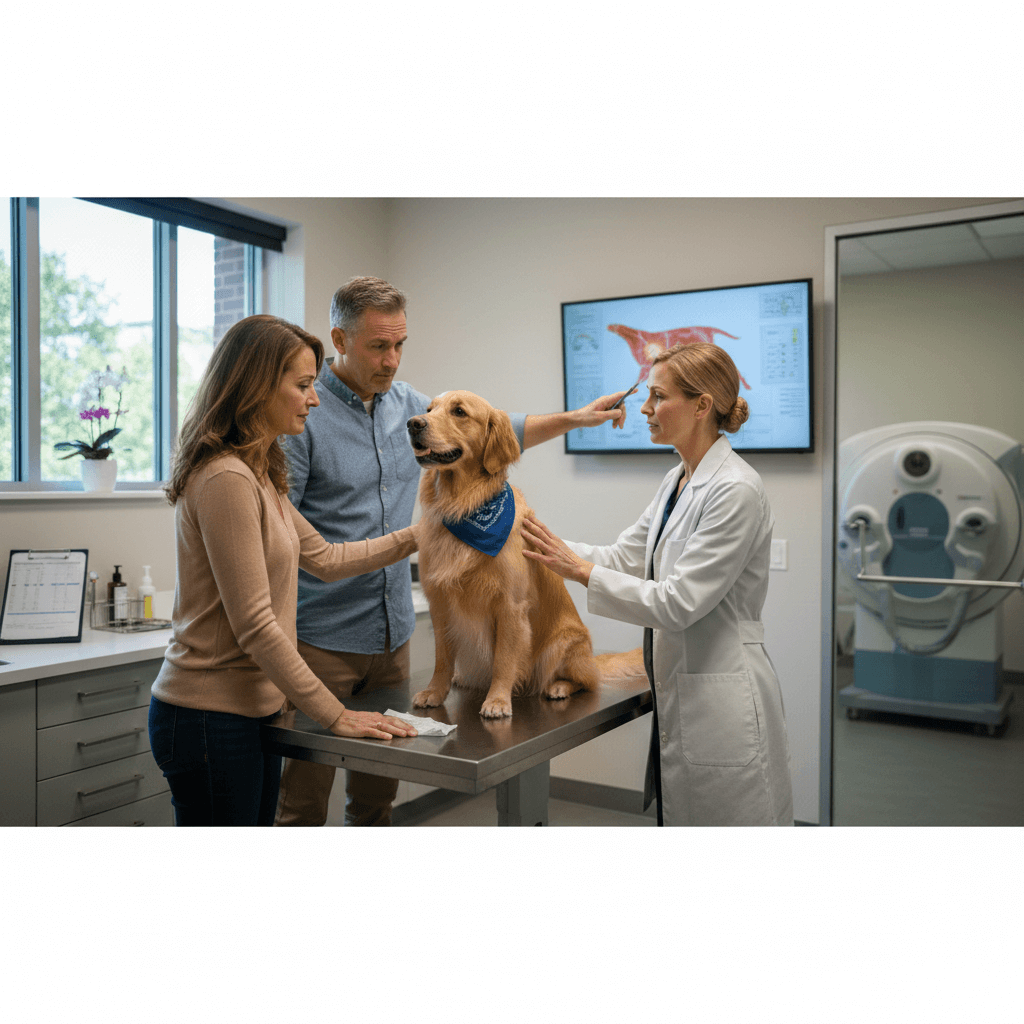
Diagnostic Costs When Consulting a Dog Oncologist
Diagnosing cancer in dogs involves multiple steps and tests, each contributing to the overall cost. These diagnostics are crucial for creating an accurate treatment plan tailored to your dog’s specific condition. While expensive, they provide the foundation for effective care and long-term management.
- Initial Consultation Fees:
The first visit to an oncologist typically includes a detailed review of your dog’s medical history and a physical examination. This consultation alone can cost $150–$300, depending on the clinic’s location and the oncologist’s credentials. - Imaging Procedures:
Advanced imaging like X-rays ($200–$500), ultrasounds ($300–$600), or MRIs/CT scans ($1,500–$3,000) are often required to locate tumors and assess their size and spread. These procedures are essential for staging the cancer accurately. - Biopsy and Laboratory Tests:
A biopsy involves extracting tissue samples for analysis, costing $500–$1,500. Additional lab tests, including blood work and urinalysis, help evaluate organ function and rule out other conditions, adding another $200–$400 to the bill. - Cytology and Histopathology:
Examining cells under a microscope (cytology) or analyzing tissue samples (histopathology) provides definitive diagnoses. These services typically cost $150–$400 but are vital for determining the cancer type and grade. - Staging and Metastasis Checks:
Staging determines how far the cancer has progressed, often requiring multiple tests. Checking for metastasis (spread) through chest X-rays or abdominal ultrasounds can cost $800–$2,000, depending on the extent of evaluation.
Accurate diagnostics ensure that your dog receives the most appropriate treatment, even though they represent a significant portion of the overall cost.
Check this guide 👉Therapy Dog for Autism: Best 7 Expert Tips!
Check this guide 👉Laser Therapy for Dogs: Best 7 Expert Tips!
Check this guide 👉Understanding Dog Radiology: Best 7 Expert Tips!
Estimated Costs for Dog Oncology Services | Potential Financial Assistance Options |
|---|---|
Initial consultation: $150–$300 | Pet insurance coverage (70%–90% reimbursement) |
Diagnostic imaging (X-rays, CT scans): $200–$3,000 | Non-profit grants ($500–$2,000 per case) |
Biopsy and lab tests: $500–$1,500 | Clinic payment plans (monthly installments) |
Chemotherapy courses: $3,000–$10,000 | Crowdfunding campaigns (varies by outreach) |
Radiation therapy sessions: $4,500–$12,000 | Low-cost clinics at teaching hospitals |
Treatment Options and Associated Costs
Once diagnosed, your dog’s treatment plan will depend on the type and stage of cancer. Each option has its own cost implications, and understanding these helps you make informed decisions about your dog’s care. While some treatments are curative, others focus on extending life and improving quality of life.
- Surgical Tumor Removal:
Surgery is often the first line of treatment for localized tumors. Costs depend on the procedure’s complexity, ranging from $2,000 for minor surgeries to $7,000+ for intricate operations involving delicate areas like the chest or abdomen. - Chemotherapy Protocols:
Chemotherapy involves administering drugs to kill cancer cells. A full course typically spans 12–16 weeks and costs $3,000–$10,000, depending on the drugs used and frequency of administration. Side effects are usually mild in dogs compared to humans. - Radiation Therapy Sessions:
Radiation targets tumors with high-energy beams, often used for inoperable cancers. Each session costs $300–$600, with a full course requiring 15–20 sessions, totaling $4,500–$12,000. - Immunotherapy and Targeted Treatments:
Emerging therapies like immunotherapy or targeted drugs offer promising results but come at a higher cost. Monthly treatments can range from $1,000 to $5,000, depending on the medication and protocol. - Palliative Care Measures:
For advanced cases where cure isn’t possible, palliative care focuses on pain relief and comfort. Medications, supplements, and alternative therapies cost $100–$500 monthly, depending on the regimen.
Each treatment option balances efficacy, cost, and your dog’s overall well-being, ensuring personalized care tailored to their needs.
Financial Assistance and Payment Plans
Facing the cost of a dog oncologist can be daunting, but there are resources available to ease the financial burden. Exploring these options ensures your dog receives necessary care without compromising your financial stability.
- Pet Insurance Coverage:
Pet insurance policies with cancer coverage can significantly reduce out-of-pocket expenses. Reimbursements typically range from 70% to 90% of eligible costs, depending on the plan. However, pre-existing conditions are usually excluded. - Non-Profit Organizations:
Groups like The Pet Fund, Frankie’s Friends, and Magic Bullet Fund provide grants or financial aid for cancer treatment. Eligibility criteria vary, but many families receive assistance ranging from $500 to $2,000. - Payment Plans Through Clinics:
Many veterinary oncology clinics offer interest-free payment plans, allowing you to spread costs over several months. Monthly installments can range from $200 to $1,000, depending on the total expense. - Crowdfunding Campaigns:
Platforms like GoFundMe enable you to raise funds from friends, family, and compassionate strangers. Successful campaigns often cover thousands of dollars in treatment costs, though success depends on outreach efforts. - Low-Cost Veterinary Clinics:
Some universities and teaching hospitals offer discounted rates for oncology services as part of research studies or training programs. These can save 20%–50% off standard costs.
Exploring these resources ensures your dog receives the care they need without overwhelming financial strain.
Long-Term Costs of Managing Canine Cancer
Beyond initial diagnostics and treatments, managing canine cancer involves ongoing expenses that extend throughout your dog’s life. These long-term costs must be considered when budgeting for your pet’s care. Proactive planning minimizes surprises and ensures sustained support for your dog’s health.
- Medication Refills:
Prescription medications for pain management, anti-nausea, or immune support cost $50–$200 monthly, depending on dosage and frequency. Generic alternatives may lower costs slightly. - Regular Monitoring Visits:
Frequent follow-up appointments are necessary to monitor treatment effectiveness and detect recurrence early. Each visit, including exams and tests, can cost $200–$500 every 3–6 months. - Nutritional Supplements:
High-quality diets and supplements like omega-3 fatty acids, antioxidants, or probiotics support recovery and overall health, adding $30–$100 monthly to expenses. - Emergency Care Needs:
Complications or sudden health declines may require emergency visits, which can cost $500–$2,000 per incident, depending on severity and interventions needed. - End-of-Life Care Decisions:
In advanced stages, hospice care or euthanasia services become considerations. Hospice costs $100–$300 monthly, while euthanasia ranges from $50 to $300, depending on in-home or clinic settings.
Long-term planning ensures your dog’s comfort and quality of life remain priorities, even as costs accumulate over time.
Emotional and Practical Considerations
While financial aspects dominate discussions about dog oncology, emotional and practical considerations also play a significant role. Navigating this journey requires balancing your dog’s needs with your own well-being and limitations.
- Emotional Toll on Owners:
Watching your dog battle cancer is emotionally draining. Seeking support from therapists, support groups, or online communities helps process grief and anxiety during this challenging time. - Time Commitment for Treatments:
Chemotherapy, radiation, and follow-up visits demand significant time investments. Scheduling flexibility and reliable transportation are essential for consistent care. - Impact on Daily Life:
Managing medications, dietary changes, and activity restrictions alters daily routines. Adjusting expectations and creating new rhythms ensures both you and your dog adapt smoothly. - Decision-Making Challenges:
Choosing between aggressive treatments or palliative care is deeply personal. Consulting your veterinarian and considering your dog’s quality of life guides these difficult decisions. - Celebrating Small Wins:
Focusing on positive moments—like improved appetite or playful behavior—provides hope and motivation during tough times. Celebrating milestones strengthens your bond with your dog.
Balancing practicality with compassion ensures you navigate this journey with resilience and grace.
How to Prepare for Your First Visit to a Dog Oncologist
Your first visit to a veterinary oncologist is a critical step in understanding your dog’s diagnosis and treatment options. Being prepared ensures the appointment runs smoothly and maximizes the value of the consultation. Proper preparation also helps reduce stress for both you and your dog during this emotional time.
- Gather Medical Records:
Bring all relevant medical records, including diagnostic tests, imaging results, and previous treatments. This information provides the oncologist with a comprehensive view of your dog’s health history, saving time and avoiding redundant tests. - Prepare a List of Questions:
Write down any questions or concerns you have about your dog’s condition, treatment options, and expected outcomes. Common topics include prognosis, side effects of treatments, and financial estimates. Having a list ensures you don’t forget important details during the consultation. - Understand the Appointment Structure:
The initial visit typically includes a detailed discussion, physical examination, and possibly additional diagnostics. Knowing what to expect helps you mentally prepare and allocate enough time for the appointment, which can last 1–2 hours. - Bring Support if Needed:
Consider bringing a family member or friend to the appointment. They can provide emotional support, help take notes, and assist with decision-making, especially if the information becomes overwhelming. - Plan for Follow-Up Steps:
At the end of the visit, the oncologist will outline next steps, such as scheduling tests, starting treatment, or exploring alternative options. Clarify timelines and costs to ensure you’re fully informed before proceeding.
Being well-prepared for your first oncology appointment ensures you make the most of the consultation and sets the stage for effective treatment planning.
“Consultation fees for oncologists vary by hospital or clinic and even where in the country they are located. You can expect to pay anywhere from $125-$250 for an initial consultation.” — Veterinary Cancer Society
Frequently Asked Questions About Dog Oncologist Costs
How much does an initial consultation with a dog oncologist cost?
Initial consultations typically range from $150 to $300, depending on location and the oncologist’s expertise.
Are there affordable alternatives to traditional oncology treatments?
Yes—some universities offer discounted services, and palliative care can be a cost-effective option for advanced cases.
Does pet insurance cover cancer treatment?
Many pet insurance plans cover cancer diagnostics and treatments, though pre-existing conditions are usually excluded.
Can I negotiate payment plans with my vet?
Most clinics offer flexible payment plans; it’s always worth discussing your financial situation with the billing department.
What happens if I can’t afford treatment?
Explore financial assistance programs, crowdfunding, or low-cost clinics to bridge gaps in funding for your dog’s care.
Supporting Your Dog Through Cancer Treatment
Navigating the costs and complexities of canine cancer treatment is undoubtedly challenging, but your dedication ensures your dog receives the best possible care during this difficult time. While financial considerations are important, remember that your love and commitment are the most valuable gifts you can offer. Each decision you make—whether it’s pursuing advanced treatments or focusing on comfort care—reflects your unwavering bond with your furry companion. By staying informed, exploring resources, and working closely with your veterinary oncologist, you empower yourself to provide compassionate, thoughtful care that honors your dog’s life and well-being.

Is Rawhide Bad for Cats? Best 7 Expert Tips! – Discover the risks, safe alternatives, and expert advice to keep your feline friend healthy and happy.

Is Rawhide Bad for Dogs? Best 7 Expert Tips! – Discover the risks, benefits, and safer alternatives to rawhides for your dog’s chewing needs.

Understanding Anorexia in Cats: Best 7 Expert Tips! – Learn why cats stop eating, spot warning signs, and discover how to help your feline regain appetite safely.

Understanding Anorexia in Dogs: Best 7 Expert Tips! – Learn causes, symptoms, and solutions to help your dog regain appetite and stay healthy.