
Understanding Akita Dog Weight: A Key to Health and Happiness
The weight of an Akita dog plays a crucial role in maintaining their overall health and well-being. Whether you’re raising an Akita puppy or caring for an adult, understanding their ideal weight range ensures proper growth and prevents obesity-related issues. With their powerful build and unique needs, monitoring your Akita’s weight is essential for a long, active life.
Factors Influencing Akita Dog Weight
An Akita’s weight is influenced by a variety of factors, ranging from genetics to lifestyle choices. Understanding these elements helps you better manage your dog’s health and ensure they stay within a healthy weight range. Each factor plays a unique role in determining whether your Akita is underweight, overweight, or just right.
- Genetics and Breed Standards:
Akita dogs are naturally large, muscular breeds with males typically weighing between 85–130 pounds and females ranging from 65–110 pounds. Genetics dictate much of their size, so it’s essential to consider your dog’s lineage when assessing their weight. - Age and Growth Stages:
Puppies grow rapidly during their first year, reaching about 50% of their adult weight by six months. However, full maturity isn’t achieved until two years of age, making consistent monitoring critical during this period. - Diet and Nutrition:
The quality and quantity of food directly impact an Akita’s weight. High-protein, balanced diets support muscle development, while overfeeding or poor-quality food can lead to obesity. Portion control is key to maintaining a healthy weight. - Activity Level:
Akita dogs are active and require daily exercise to burn calories. Without sufficient physical activity, even a well-fed Akita can become overweight, leading to joint problems and other health issues. - Health Conditions:
Certain medical conditions, such as hypothyroidism or arthritis, can affect an Akita’s weight. Hormonal imbalances may cause weight gain, while chronic pain might reduce appetite and lead to weight loss. Regular vet check-ups help identify underlying issues early.
By considering these factors, you can make informed decisions about your Akita’s care and maintain their weight within a healthy range for their size and age.
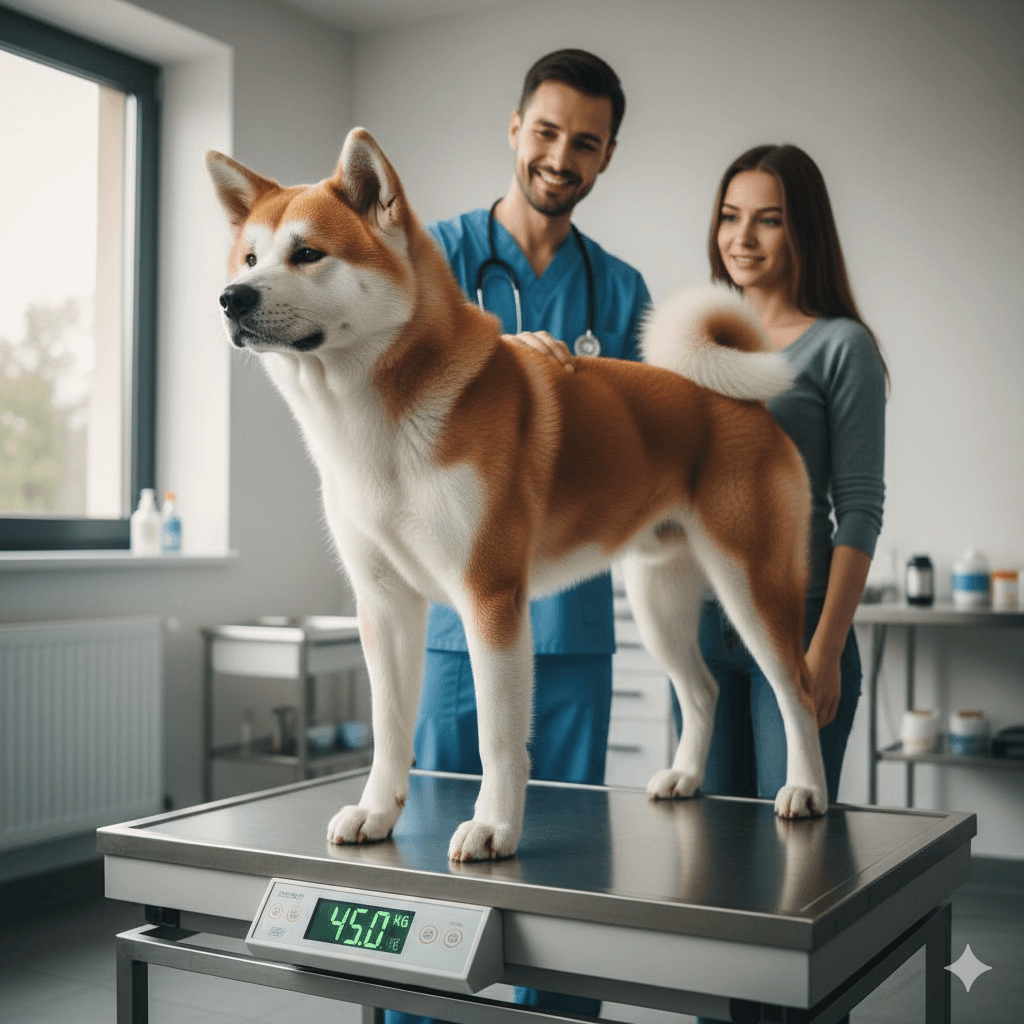
Ideal Weight Range for Male Akitas
Male Akitas are larger and heavier than their female counterparts, with a distinct muscular build that requires careful weight management. Keeping them within the ideal weight range ensures they remain agile and free from health complications.
- Weight Range for Adult Males:
Healthy male Akitas typically weigh between 85–130 pounds, depending on their height and bone structure. Dogs at the lower end of the spectrum are usually leaner, while those at the upper limit have a more robust frame. - Height-to-Weight Proportionality:
Males stand approximately 26–28 inches tall at the shoulder. Their weight should align proportionally with their height; overly heavy or light individuals may face mobility challenges. - Muscle Mass vs. Fat Accumulation:
Akitas are known for their strong, athletic build. Excess fat detracts from their natural physique, while too little muscle mass indicates inadequate nutrition or insufficient exercise. - Seasonal Weight Fluctuations:
Some Akitas experience minor weight changes due to seasonal shedding or reduced activity during colder months. Monitoring these shifts helps distinguish normal variations from concerning trends. - Signs of Healthy Weight in Males:
You should be able to feel your Akita’s ribs without pressing too hard, and their waistline should taper slightly behind the ribs. Overweight males often lack this tuck and appear bulky overall.
Maintaining an ideal weight enhances your male Akita’s longevity and quality of life, allowing them to thrive as loyal companions.
Check this guide 👉Akita Inu Cost: Best 7 Expert Tips!
Check this guide 👉Akita vs Cane Corso: Best 7 Expert Tips!
Check this guide 👉Akita Border Collie Mix: Best 7 Expert Tips!
| Weight Management Tips | Warning Signs to Watch For |
|---|---|
| Feed high-quality protein-rich food | Sudden weight gain or loss |
| Control portion sizes based on age and activity | Difficulty moving or climbing stairs |
| Provide at least 30–60 minutes of daily exercise | Visible fat deposits or bloating |
| Limit treats to 10% of daily caloric intake | Lethargy or reluctance to engage in play |
| Adjust diet for life stages (puppy, adult, senior) | Persistent panting or labored breathing |
Ideal Weight Range for Female Akitas
Female Akitas are slightly smaller than males but still require diligent weight management to stay healthy. Their ideal weight range reflects their compact yet sturdy build, ensuring they remain active and comfortable throughout their lives.
- Weight Range for Adult Females:
Females generally weigh between 65–110 pounds, depending on their height and body composition. Smaller females tend to be closer to 65 pounds, while larger ones may reach the upper limit. - Bone Structure Variations:
Females with finer bones naturally weigh less than those with broader frames. Assessing your dog’s individual structure provides context for interpreting their weight. - Reproductive Status Impact:
Spayed females may experience slower metabolism and increased risk of weight gain. Adjusting their diet and exercise routine post-spaying helps mitigate this effect. - Age-Related Changes:
Senior female Akitas may lose muscle tone or develop joint stiffness, affecting their ability to maintain weight. Tailored care plans address these age-related needs effectively. - Signs of Healthy Weight in Females:
Similar to males, a visible waistline and palpable ribs indicate a healthy weight. Overweight females often struggle with endurance and agility due to excess fat.
Proper weight management empowers female Akitas to live vibrantly and avoid common health pitfalls associated with obesity or malnutrition.
Risks of Obesity in Akita Dogs
Obesity poses significant risks to Akita dogs, impacting both their physical and mental well-being. Maintaining a healthy weight is vital to prevent these complications and ensure your Akita enjoys a long, happy life.
- Joint Problems and Arthritis:
Excess weight places strain on joints, increasing the likelihood of arthritis and mobility issues. Large breeds like Akitas are already prone to hip dysplasia, which obesity exacerbates. - Heart Disease and Circulatory Issues:
Carrying extra pounds forces the heart to work harder, raising the risk of cardiovascular diseases and high blood pressure. - Diabetes Risk:
Overweight Akitas are more susceptible to insulin resistance and diabetes, requiring lifelong management through medication and dietary adjustments. - Respiratory Difficulties:
Obese dogs often struggle with breathing, especially during exercise or hot weather. This can severely limit their ability to engage in physical activities. - Shortened Lifespan:
Studies show that obese dogs live significantly shorter lives compared to their healthier counterparts. Maintaining an optimal weight adds years to your Akita’s life.
Preventing obesity through proper diet and regular exercise safeguards your Akita against these serious health risks.
Benefits of Maintaining a Healthy Akita Weight
Keeping your Akita at a healthy weight offers numerous advantages, enhancing both their physical capabilities and emotional well-being. Proper weight management transforms your dog into a happier, more energetic companion.
- Improved Mobility and Agility:
A fit Akita moves with ease, enjoying walks, playtime, and other activities without discomfort or fatigue. - Enhanced Energy Levels:
Healthy dogs exhibit higher energy levels, engaging enthusiastically in daily routines and bonding moments with their owners. - Better Temperature Regulation:
Overweight dogs struggle to regulate body temperature, especially in extreme heat or cold. Maintaining a healthy weight improves thermoregulation efficiency. - Stronger Immune System:
A balanced diet and appropriate weight strengthen the immune system, reducing susceptibility to infections and illnesses. - Increased Longevity:
Dogs kept at a healthy weight enjoy longer lifespans, spending more years by your side as cherished family members.
Investing time and effort into weight management pays dividends in your Akita’s overall happiness and health.
How to Monitor Your Akita’s Weight Effectively
Regularly monitoring your Akita’s weight ensures you catch potential issues early and maintain their health. Simple tools and techniques make this process straightforward and reliable.
- Weighing Your Akita Regularly:
Use a pet scale or step onto a bathroom scale holding your dog, then subtract your own weight. Monthly weigh-ins track fluctuations accurately. - Body Condition Scoring (BCS):
BCS evaluates muscle tone, fat distribution, and overall shape. Scores range from 1–9, with 4–5 indicating ideal weight. - Observing Physical Changes:
Look for signs like a defined waist, visible rib cage outline, and smooth movement patterns. Sudden weight loss or gain warrants attention. - Consulting Your Veterinarian:
Veterinarians provide expert assessments and recommendations tailored to your Akita’s specific needs during routine check-ups. - Using Technology Tools:
Smart collars or apps designed for pets monitor activity levels and calorie expenditure, helping you adjust feeding portions accordingly.
Consistent monitoring empowers you to keep your Akita’s weight stable and address concerns proactively.
Tips for Managing Your Akita’s Weight Through Diet and Exercise
Managing your Akita’s weight involves striking the perfect balance between nutrition and physical activity. These practical tips guide you toward achieving and maintaining a healthy weight for your beloved companion.
- Feed High-Quality Food:
Choose premium dog food rich in protein and low in fillers to support muscle maintenance and satiety. Avoid cheap brands packed with carbohydrates. - Control Portion Sizes:
Follow feeding guidelines based on your Akita’s age, weight, and activity level. Divide meals into two servings per day to prevent overeating. - Incorporate Daily Exercise:
Engage your Akita in activities like brisk walks, hikes, or interactive play sessions lasting at least 30–60 minutes daily. - Limit Treats and Snacks:
Treats should constitute no more than 10% of your Akita’s daily caloric intake. Opt for healthy options like carrots or green beans instead of processed snacks. - Adjust for Life Stages:
Puppies need more calories for growth, seniors benefit from reduced portions to prevent weight gain, and pregnant/lactating females require additional nutrients.
Balancing diet and exercise creates a sustainable plan for keeping your Akita’s weight in check.
“According to the American Kennel Club Official Akita Standards, a female Akita will weigh between 70 and 100 pounds and stand 24 to 26 inches tall. Their male counterpart will weigh 100 to 130 pounds and stand roughly two inches taller at 26 to 28 inches tall.” — American Kennel Club
Frequently Asked Questions About Akita Dog Weight
What is the ideal weight range for an Akita?
Male Akitas typically weigh 85–130 pounds, while females weigh 65–110 pounds. Individual variations depend on height and bone structure.
How can I tell if my Akita is overweight?
You should be able to feel your Akita’s ribs without pressing too hard, and their waist should taper slightly behind the ribs. Overweight Akitas often lack this tuck and appear bulky overall.
Why is my Akita losing weight unexpectedly?
Unexplained weight loss may indicate underlying health issues such as dental problems, gastrointestinal disorders, or stress. Consult your vet promptly for a thorough evaluation.
How much exercise does an Akita need to maintain a healthy weight?
Akitas require at least 30–60 minutes of daily exercise, including walks, playtime, or mentally stimulating activities to burn calories and stay fit.
Can neutering/spaying affect my Akita’s weight?
Yes, spayed or neutered Akitas may experience slower metabolism and increased appetite, making them prone to weight gain. Adjusting their diet and exercise routine helps manage this risk.
A Lifeline in Every Moment of Care
Maintaining a healthy weight for your Akita is more than just a number—it’s a commitment to their happiness, longevity, and quality of life. By understanding their unique needs, monitoring their weight consistently, and providing balanced nutrition and regular exercise, you ensure they thrive as loyal companions. Remember, every small effort you make contributes to their well-being and strengthens the bond you share. With love, patience, and informed care, your Akita will enjoy a vibrant, active life by your side for years to come.

Is Rawhide Bad for Cats? Best 7 Expert Tips! – Discover the risks, safe alternatives, and expert advice to keep your feline friend healthy and happy.

Is Rawhide Bad for Dogs? Best 7 Expert Tips! – Discover the risks, benefits, and safer alternatives to rawhides for your dog’s chewing needs.

Understanding Anorexia in Cats: Best 7 Expert Tips! – Learn why cats stop eating, spot warning signs, and discover how to help your feline regain appetite safely.

Understanding Anorexia in Dogs: Best 7 Expert Tips! – Learn causes, symptoms, and solutions to help your dog regain appetite and stay healthy.