
Understanding Clear Fluid-Filled Cysts on Dogs
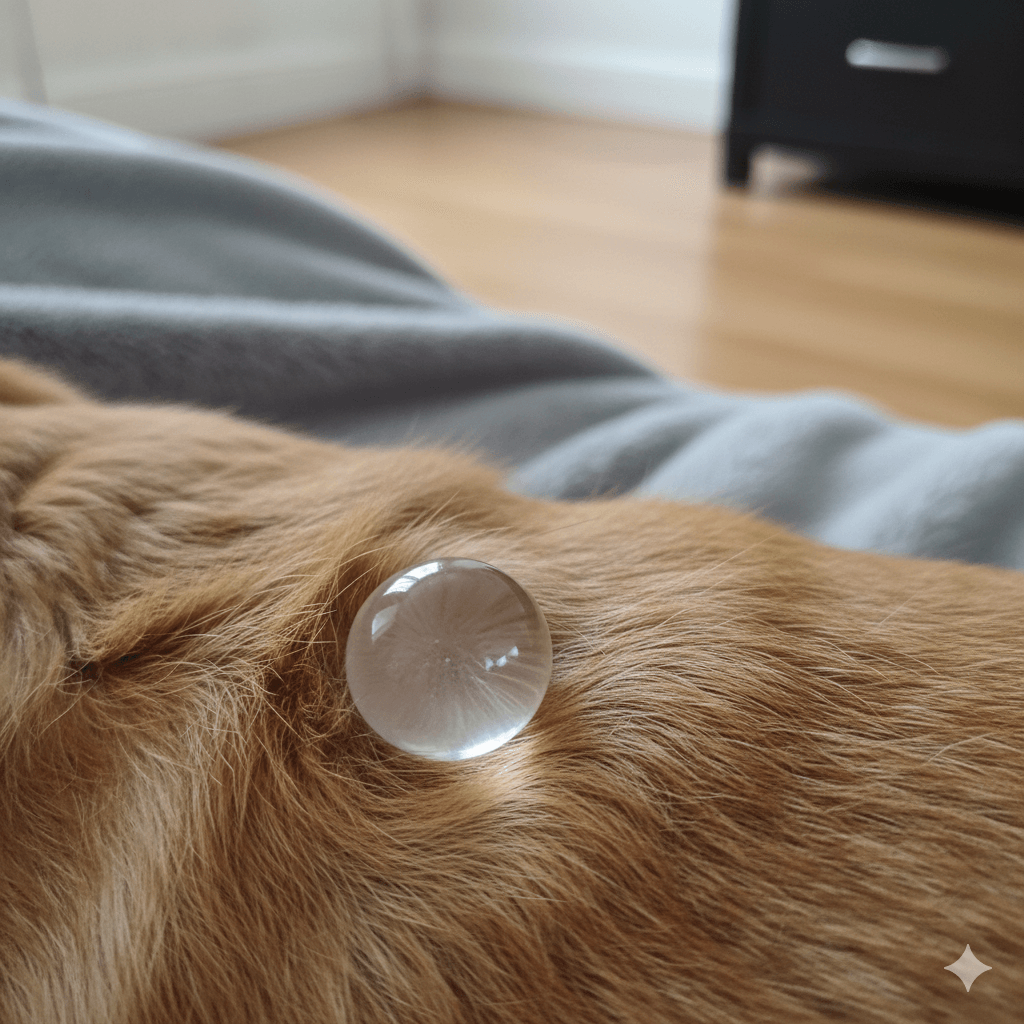
Clear fluid-filled cysts on dogs can be alarming for pet owners, but they are often benign and manageable with proper care. These cysts, which may appear under the skin or on visible areas like the ears or legs, are typically filled with a clear, straw-colored fluid. While most are harmless, understanding their causes and treatment options ensures your dog stays healthy and comfortable.
Common Causes of Clear Fluid-Filled Cysts in Dogs
Clear fluid-filled cysts, also known as seromas or hygromas, can develop due to a variety of reasons. These cysts are typically harmless but may indicate an underlying issue that requires attention. Understanding the potential causes helps pet owners take preventive measures and respond appropriately when they notice these growths on their dogs.
- Trauma or Pressure Points:
Repeated pressure or friction on bony areas like elbows or hips can lead to seroma formation. This is common in large breeds that lie on hard surfaces for extended periods. - Allergic Reactions:
Some dogs develop cysts as a result of allergic reactions to environmental triggers, food, or insect bites. These cysts often appear suddenly and may resolve with antihistamine treatment. - Infections or Inflammation:
Bacterial infections or localized inflammation can cause fluid accumulation under the skin. These cysts may feel warm to the touch and require veterinary evaluation. - Congenital Conditions:
Certain breeds are predisposed to developing cysts due to genetic factors. For example, hair follicle abnormalities can lead to the formation of clear fluid-filled cysts early in life. - Underlying Health Issues:
Conditions like immune-mediated diseases or lymphatic system disorders can contribute to cyst development. Persistent or recurring cysts warrant further investigation.
Understanding these causes allows you to address the root problem and prevent future occurrences while ensuring your dog’s comfort and well-being.
Symptoms That Indicate a Clear Fluid-Filled Cyst
Identifying the symptoms associated with clear fluid-filled cysts helps differentiate them from other skin conditions or tumors. While these cysts are usually benign, recognizing their characteristics ensures timely intervention if complications arise.
- Soft, Fluctuant Masses:
The cysts feel squishy or soft to the touch due to the fluid inside. They may move slightly when pressed, indicating they are not attached to deeper tissues. - Clear or Straw-Colored Fluid:
If ruptured, the cyst releases a clear, thin fluid that is distinct from pus or blood. This fluid is typically odorless and non-irritating. - Localized Swelling:
The area around the cyst may appear swollen, especially if it has been present for a prolonged period or if secondary irritation occurs. - Mild Discomfort or Licking:
Dogs may lick or chew at the cyst, particularly if it becomes irritated or inflamed. Excessive licking can lead to infection or rupture. - No Fever or Systemic Signs:
Unlike abscesses or infected wounds, most clear fluid-filled cysts do not cause systemic symptoms like fever or lethargy unless complications arise.
Monitoring these signs closely helps determine whether the cyst requires veterinary attention or can be managed at home.
Check this guide 👉Understanding Pilar Cyst in Dogs: Best 7 Expert Tips!
Check this guide 👉Understanding the Cost of Dog Cyst Removal: Best 7 Tips!
Check this guide 👉What to Do When Your Dog Has an Open Cyst: Best 7 Tips!
Early Warning Signs | Immediate Actions to Take |
|---|---|
Soft, squishy lump under the skin | Monitor the cyst for changes in size or texture |
Clear fluid leakage if ruptured | Clean the area gently and apply a sterile bandage |
Swelling or redness around the cyst | Avoid irritating the area and contact your vet |
Dog licking or chewing at the cyst | Use an e-collar to prevent further irritation |
Persistent or recurring cysts | Schedule a vet visit for further evaluation |
How Veterinarians Diagnose Clear Fluid-Filled Cysts
Veterinarians use a combination of physical exams and diagnostic tools to confirm the presence of a clear fluid-filled cyst and rule out more serious conditions. Proper diagnosis ensures appropriate treatment and prevents unnecessary worry.
- Physical Examination:
The vet palpates the cyst to assess its size, shape, and consistency. Soft, movable masses are often indicative of benign cysts rather than tumors. - Fine Needle Aspiration (FNA):
A small needle is used to extract fluid from the cyst. Clear, straw-colored fluid confirms the diagnosis, while cloudy or bloody fluid may suggest infection or malignancy. - Cytology Testing:
The extracted fluid is examined under a microscope to check for abnormal cells, bacteria, or inflammatory markers that could indicate underlying issues. - Ultrasound Imaging:
Ultrasound helps differentiate between cysts, tumors, or other subcutaneous masses by providing detailed images of the affected area. - Biopsy (if Necessary):
In rare cases where the cyst’s nature is unclear, a biopsy may be performed to analyze tissue samples and rule out cancerous growths.
Accurate diagnosis ensures your dog receives the correct treatment and avoids unnecessary procedures or medications.
Treatment Options for Clear Fluid-Filled Cysts
Treatment for clear fluid-filled cysts depends on their size, location, and underlying cause. Most cysts are harmless and resolve on their own, but persistent or problematic ones may require intervention.
- Warm Compress Application:
Applying a warm compress to the cyst reduces swelling and encourages natural drainage. This method is safe and effective for small, uncomplicated cysts. - Drainage Procedures:
Large cysts may need to be drained by a veterinarian using sterile techniques. However, drained cysts can refill if the underlying cause isn’t addressed. - Antibiotics for Infection:
If the cyst becomes infected, oral or topical antibiotics are prescribed to eliminate bacteria and promote healing. - Surgical Removal (Severe Cases):
Recurrent or bothersome cysts may require surgical excision to prevent recurrence. Surgery is typically reserved for persistent or cosmetically concerning cases. - Pain Management:
Anti-inflammatory medications or pain relievers may be recommended if the cyst causes discomfort or interferes with mobility.
Choosing the right treatment option depends on your dog’s specific needs and the veterinarian’s recommendations.
Preventing Clear Fluid-Filled Cysts in Dogs
Prevention plays a crucial role in minimizing the risk of clear fluid-filled cysts. Simple lifestyle adjustments and proactive measures reduce the likelihood of these growths developing in the first place.
- Provide Comfortable Bedding:
Soft, padded beds protect bony areas like elbows and hips, reducing friction and pressure that lead to seroma formation. - Regular Skin Inspections:
Check your dog’s skin regularly for lumps, bumps, or irritations. Early detection allows for prompt intervention before complications arise. - Maintain a Healthy Weight:
Obesity increases pressure on joints and bony areas, making cysts more likely. A balanced diet and regular exercise help maintain optimal body condition. - Avoid Allergens:
Identify and eliminate potential allergens from your dog’s environment or diet to prevent allergic reactions that could trigger cyst formation. - Prompt Wound Care:
Clean and treat cuts, scrapes, or abrasions immediately to prevent infections that may result in cyst-like formations.
Taking these steps creates a safer, healthier environment for your dog and reduces the chances of cyst-related issues.
Long-Term Management of Recurring Cysts
For dogs prone to recurring clear fluid-filled cysts, long-term management strategies ensure their comfort and quality of life. Chronic cases require consistent monitoring and tailored care plans.
- Routine Veterinary Check-Ups:
Regular exams allow the vet to monitor existing cysts and detect new ones early, ensuring timely intervention when necessary. - Customized Diet Plans:
Nutritional supplements like omega-3 fatty acids support skin health and reduce inflammation, lowering the risk of cyst formation. - Protective Gear for High-Risk Areas:
Elbow pads or protective bandages shield vulnerable areas from trauma, especially in large breeds prone to pressure sores. - Behavioral Modifications:
Discourage excessive licking or chewing by using bitter sprays or e-collars to prevent self-inflicted irritation. - Environmental Adjustments:
Provide soft, cushioned surfaces indoors and outdoors to minimize friction and pressure on sensitive areas.
Ongoing commitment to these practices minimizes recurrence and promotes overall well-being for your dog.
Special Considerations for Certain Dog Breeds
Some dog breeds are more susceptible to clear fluid-filled cysts due to genetic predispositions or physical characteristics. Understanding breed-specific risks helps tailor prevention and treatment strategies effectively.
- Large Breeds (e.g., Mastiffs, Great Danes):
These dogs are prone to elbow hygromas due to their weight and tendency to rest on hard surfaces. Providing orthopedic bedding is essential. - Hairless Breeds (e.g., Chinese Crested, Xoloitzcuintli):
Hairless breeds have delicate skin that is more vulnerable to irritation and cyst formation. Regular moisturizing and sun protection are critical. - Brachycephalic Breeds (e.g., Bulldogs, Pugs):
Their unique facial structure makes them prone to cysts around the eyes and ears. Gentle cleaning and monitoring are necessary. - Active Working Breeds (e.g., Border Collies, Australian Shepherds):
High-energy dogs may develop cysts from minor injuries sustained during play or work. Prompt wound care prevents complications. - Senior Dogs:
Older dogs experience reduced skin elasticity and slower healing, increasing the likelihood of persistent or recurring cysts.
Tailoring care to your dog’s breed-specific needs ensures they receive the best possible support and protection against cyst-related challenges.
“Cysts on dogs are typically benign fluid-filled sacs that develop when hair follicles or oil glands become blocked.” “A cyst is a hollow space, formed around a membrane that’s usually filled with either fluid, semi-fluid, or solid material,” explains Dr. Jerry Klein
Frequently Asked Questions About Clear Fluid-Filled Cysts on Dogs
What causes clear fluid-filled cysts on dogs?
Clear fluid-filled cysts are often caused by trauma, pressure points, or allergic reactions. They can also result from infections or congenital conditions in some cases.
Are clear fluid-filled cysts dangerous for dogs?
Most cysts are benign and harmless, but they may require veterinary attention if they grow large, rupture, or become infected. Persistent cysts should always be evaluated.
Can I pop or drain the cyst at home?
No—attempting to drain the cyst at home increases the risk of infection. Always consult a veterinarian for safe and sterile drainage procedures.
How can I prevent these cysts from forming?
Provide soft bedding, maintain a healthy weight, avoid allergens, and inspect your dog’s skin regularly to minimize risks. Protective gear can also help for high-risk areas.
When should I take my dog to the vet for a cyst?
Seek veterinary care if the cyst grows rapidly, becomes painful, ruptures, or shows signs of infection like redness, warmth, or discharge.
Supporting Your Dog Through Cyst Management
Clear fluid-filled cysts on dogs may seem concerning, but with proper care and attention, most cases resolve without complications. Whether through preventive measures, professional treatment, or long-term management, you play a vital role in ensuring your dog’s comfort and well-being. By staying vigilant and addressing issues promptly, you strengthen the bond of trust and love between you and your furry companion. Remember, even small actions—like providing a softer bed or checking their skin regularly—can make a big difference in keeping them happy and healthy for years to come.

Is Rawhide Bad for Cats? Best 7 Expert Tips! – Discover the risks, safe alternatives, and expert advice to keep your feline friend healthy and happy.

Is Rawhide Bad for Dogs? Best 7 Expert Tips! – Discover the risks, benefits, and safer alternatives to rawhides for your dog’s chewing needs.

Understanding Anorexia in Cats: Best 7 Expert Tips! – Learn why cats stop eating, spot warning signs, and discover how to help your feline regain appetite safely.

Understanding Anorexia in Dogs: Best 7 Expert Tips! – Learn causes, symptoms, and solutions to help your dog regain appetite and stay healthy.