
Discover the Benefits of Organic Dry Cat Food
Choosing the right food for your cat is crucial for their health and well-being, and organic dry cat food offers a natural, nutrient-rich option. Free from artificial additives and made with responsibly sourced ingredients, it supports your cat’s overall health while being gentle on the planet. Learn why making the switch to organic could be the best decision for your feline friend.
Why Choose Organic Dry Cat Food for Your Feline
Switching to organic dry cat food is more than just a trend—it’s a commitment to providing your cat with the healthiest, most natural diet possible. Organic options are free from harmful pesticides, synthetic fertilizers, and genetically modified organisms (GMOs), ensuring your cat consumes only the purest ingredients. Additionally, these foods are often made with sustainably sourced proteins and grains, supporting both your pet’s health and environmental conservation. By understanding the benefits of organic dry cat food, you can make an informed decision that enhances your cat’s quality of life.
- Free from Harmful Chemicals:
Organic certification guarantees that no synthetic pesticides or herbicides were used in growing the ingredients, reducing your cat’s exposure to toxins. - Higher Nutritional Value:
Studies suggest that organic ingredients retain more vitamins, minerals, and antioxidants compared to conventionally grown counterparts, promoting better overall health. - No Artificial Additives:
Unlike many commercial cat foods, organic dry food avoids artificial colors, flavors, or preservatives that could irritate your cat’s digestive system. - Sustainably Sourced Proteins:
Organic dry cat food often includes ethically raised meats like chicken, turkey, or lamb, ensuring humane treatment of animals and reduced environmental impact. - Supports Gut Health:
The absence of fillers and low-quality by-products means organic formulas are easier to digest, reducing the risk of gastrointestinal issues.
By prioritizing organic dry cat food, you’re not only investing in your cat’s long-term health but also contributing to a cleaner, greener planet.
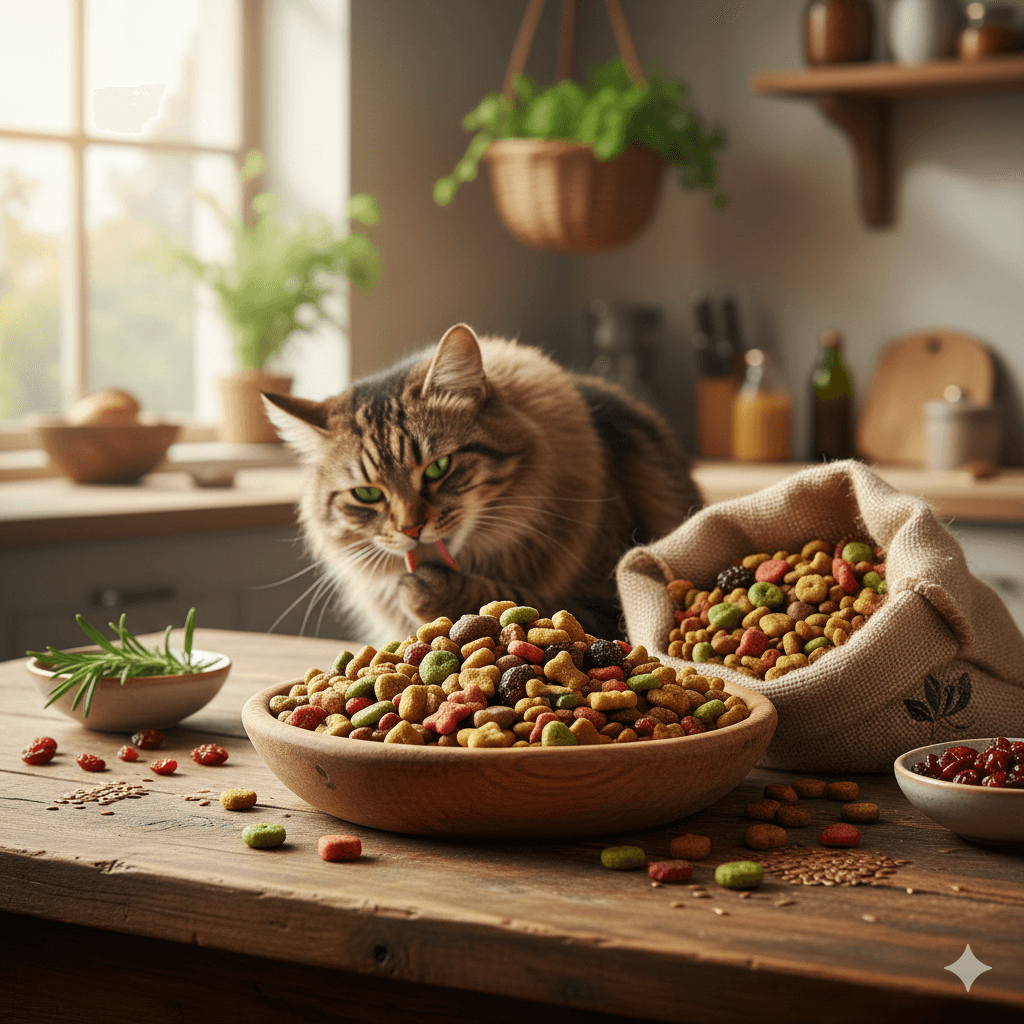
Key Ingredients to Look for in Organic Dry Cat Food
When selecting organic dry cat food, it’s essential to scrutinize the ingredient list to ensure it meets your cat’s dietary needs. Cats are obligate carnivores, meaning they require high-quality animal protein as the foundation of their diet. Organic cat food should emphasize whole, nutrient-dense ingredients while avoiding common allergens or low-value fillers. Understanding what makes a formula truly organic helps you choose the best option for your feline companion.
- High-Quality Protein Sources:
Look for organic chicken, turkey, or fish listed as the first ingredient, as these provide essential amino acids like taurine for heart and eye health. - Whole Grains or Grain-Free Options:
Organic brown rice, quinoa, or oats are excellent carbohydrate sources, while grain-free formulas use sweet potatoes or peas for energy. - Natural Fats and Oils:
Ingredients like organic flaxseed oil or salmon oil supply omega-3 fatty acids, promoting healthy skin, a shiny coat, and reduced inflammation. - Fruits and Vegetables:
Organic blueberries, carrots, and spinach add fiber, vitamins, and antioxidants to support immune function and digestion. - Probiotics and Prebiotics:
Some brands include organic probiotics to enhance gut health and improve nutrient absorption, especially for sensitive cats.
Choosing a product with these key ingredients ensures your cat receives balanced nutrition tailored to their unique needs.
Check this guide 👉Cat Food Intolerance: Best 7 Expert Tips!
Check this guide 👉Most Affordable Fresh Cat Food: Best 7 Expert Tips!
Check this guide 👉Blue Buffalo vs Science Diet Cat Food: Best 7 Expert Tips!
Benefits of Organic Dry Cat Food | Signs Your Cat May Benefit From It |
|---|---|
Free from synthetic pesticides and GMOs | Chronic digestive issues or frequent vomiting |
Rich in natural nutrients and antioxidants | Dull coat, excessive shedding, or skin irritations |
Supports immune system and overall vitality | Known food allergies or sensitivities |
Eco-friendly and sustainably sourced | Weight gain or obesity due to low-quality fillers |
Reduces exposure to artificial additives | Preference for cleaner, human-grade ingredients |
Potential Benefits of Feeding Organic Dry Cat Food
Feeding your cat organic dry food offers numerous advantages beyond just avoiding synthetic chemicals. From improved digestion to enhanced vitality, the benefits are wide-ranging and impactful. Many pet owners report noticeable improvements in their cat’s health after switching to organic options. Here’s how this dietary choice can positively affect your feline friend.
- Improved Digestive Health:
The absence of artificial additives and low-quality fillers reduces the likelihood of stomach upset, diarrhea, or constipation. - Healthier Skin and Coat:
Organic formulas rich in omega-3 fatty acids help combat dryness, flakiness, and excessive shedding, leaving your cat’s coat soft and shiny. - Stronger Immune System:
Antioxidant-packed fruits and vegetables bolster your cat’s natural defenses against infections and diseases. - Reduced Risk of Allergies:
Organic ingredients minimize exposure to common allergens like corn, soy, or artificial preservatives, lowering the chances of food sensitivities. - Long-Term Disease Prevention:
A clean, nutrient-rich diet supports organ function, reduces obesity risks, and may even lower the incidence of chronic conditions like diabetes or kidney disease.
By feeding organic dry cat food, you’re giving your cat the tools they need to thrive throughout their life.
How to Transition Your Cat to Organic Dry Food
Switching your cat to organic dry food requires patience and a gradual approach to avoid digestive upset or refusal to eat. Cats are notoriously picky eaters, so introducing new food slowly ensures a smooth transition. Follow these steps to make the process stress-free for both you and your feline friend.
- Start with a Small Mix:
Blend a small amount of organic food with your cat’s current kibble, gradually increasing the ratio over 7–10 days. - Monitor for Reactions:
Watch for signs of digestive discomfort, such as vomiting or diarrhea, which may indicate the need to slow down the transition. - Enhance Palatability:
Add a splash of warm water or organic broth to soften the texture and entice your cat to try the new food. - Stick to Regular Feeding Times:
Maintain consistent meal schedules to establish routine and encourage acceptance of the new diet. - Be Patient and Persistent:
Some cats take longer to adjust; persistence pays off as they eventually adapt to the healthier option.
With time and care, your cat will likely embrace organic dry food as part of their daily routine.
Common Misconceptions About Organic Dry Cat Food
Despite its growing popularity, organic dry cat food is often misunderstood, leading to misconceptions about its value and effectiveness. Addressing these myths helps clarify why organic options are worth considering for your cat’s diet. Separating fact from fiction ensures you make informed decisions about your pet’s nutrition.
- “It’s Just a Marketing Gimmick”:
Certified organic products undergo rigorous testing and adhere to strict standards, proving their authenticity and quality. - “It’s Too Expensive”:
While organic food may cost more upfront, its superior nutrition and potential health benefits can save money on vet bills in the long run. - “All Dry Food Is the Same”:
Conventional dry food often contains fillers and by-products, whereas organic options prioritize whole, nutrient-dense ingredients. - “Cats Won’t Eat It Because It’s Bland”:
Many organic formulas are designed with palatability in mind, using natural flavors and high-quality proteins to appeal to cats. - “It Doesn’t Make a Difference”:
Pet owners frequently report visible improvements in energy levels, coat condition, and overall health after switching to organic diets.
Understanding the truth behind these misconceptions highlights the tangible benefits of organic dry cat food.
Top Brands Offering Organic Dry Cat Food
With the rise in demand for organic pet food, several reputable brands now offer high-quality options tailored to feline nutritional needs. These brands prioritize transparency, sustainability, and ingredient quality, making it easier to find a trustworthy product. Here’s a look at some of the best organic dry cat food brands available today.
- Castor & Pollux Organix:
Known for USDA-certified organic formulas featuring free-range chicken and non-GMO ingredients, this brand is a favorite among eco-conscious pet owners. - Newman’s Own Organics:
Founded by actor Paul Newman, this brand emphasizes ethical sourcing and donates profits to charity, offering wholesome nutrition with a purpose. - Tender & True Organic Pet Nutrition:
This brand uses human-grade ingredients and focuses on holistic health, including added probiotics for digestive support. - Only Natural Pet:
Specializing in grain-free organic formulas, this brand incorporates novel proteins like duck and venison for cats with sensitivities. - Halo Holistic Garden of Vegan:
While not meat-based, this plant-based organic option provides complete nutrition for cats whose owners prefer vegetarian alternatives.
Exploring these brands ensures you find a product that aligns with your values and your cat’s dietary preferences.
Tips for Storing Organic Dry Cat Food Properly
Proper storage is crucial to maintaining the freshness and nutritional integrity of organic dry cat food. Exposure to air, moisture, or pests can compromise its quality, so taking extra precautions ensures your cat enjoys the full benefits of their food. Follow these tips to keep your organic kibble in optimal condition.
- Use an Airtight Container:
Transfer the food to a sealed container to prevent oxidation and preserve flavor and nutrients. - Store in a Cool, Dry Place:
Avoid areas with high humidity or temperature fluctuations, such as near appliances or windows, to prevent spoilage. - Check Expiration Dates Regularly:
Always buy fresh bags and rotate stock to ensure your cat consumes the food before its shelf life expires. - Keep Away from Direct Sunlight:
UV rays degrade nutrients and alter the taste of the food, so store containers in shaded areas. - Clean Containers Between Refills:
Wash storage bins thoroughly between refills to remove residual oils or crumbs that could attract pests or mold.
Proper storage practices maximize the lifespan of your organic dry cat food, ensuring your cat enjoys every bite safely and nutritiously.
“According to Tufts Veterinary Nutritionist, Cailin Heinze, ‘the bottom line is that there is little evidence of nutritional benefits of organic foods for humans. This likely applies even more for pets, as pet food is designed to be complete and balanced, providing essential nutrients at levels that meet or exceed recommended amounts.'” — Cailin Heinze
Frequently Asked Questions About Organic Dry Cat Food
Is organic dry cat food worth the extra cost?
Yes—while it may be pricier, the absence of harmful chemicals and higher-quality ingredients can lead to better long-term health, potentially saving on vet bills.
Can I mix organic dry food with wet food?
Absolutely! Mixing organic dry food with high-quality wet food provides variety and ensures your cat stays hydrated while benefiting from both textures.
How do I know if a brand is truly organic?
Look for certifications like USDA Organic or other recognized labels, which guarantee adherence to strict organic farming and production standards.
Will my cat lose weight on organic dry food?
Not necessarily—organic formulas are often nutrient-dense and balanced, supporting healthy weight management when portion sizes are appropriate.
What if my cat refuses to eat organic dry food?
Try transitioning slowly, adding warm water or broth for flavor, or mixing it with their favorite treats to encourage acceptance over time.
Supporting Your Cat’s Health Naturally
Switching to organic dry cat food is more than just a dietary choice—it’s a commitment to your cat’s well-being and a healthier planet. By providing nutrient-rich, chemical-free meals, you’re giving your feline companion the best chance at a vibrant, active life. While the transition may require patience, the long-term benefits far outweigh the initial effort. Remember, every small step you take toward better nutrition reflects your love and dedication to your furry friend. Together, you and your cat can enjoy a happier, healthier future—one bowl of organic goodness at a time.

Is Rawhide Bad for Cats? Best 7 Expert Tips! – Discover the risks, safe alternatives, and expert advice to keep your feline friend healthy and happy.

Is Rawhide Bad for Dogs? Best 7 Expert Tips! – Discover the risks, benefits, and safer alternatives to rawhides for your dog’s chewing needs.

Understanding Anorexia in Cats: Best 7 Expert Tips! – Learn why cats stop eating, spot warning signs, and discover how to help your feline regain appetite safely.

Understanding Anorexia in Dogs: Best 7 Expert Tips! – Learn causes, symptoms, and solutions to help your dog regain appetite and stay healthy.