
Can Cats Eat Mushrooms? What You Need to Know
Mushrooms are a common ingredient in many human dishes, but their safety for cats is often questioned. While some mushrooms are harmless, others can be highly toxic and pose serious health risks to your feline friend. Understanding which mushrooms are safe and recognizing the signs of poisoning is crucial to keeping your cat healthy and protected.
Types of Mushrooms and Their Effects on Cats
Not all mushrooms are created equal—some are safe for cats, while others can be deadly. Understanding the differences between edible, toxic, and wild mushrooms is essential to assess risks accurately. Since cats are naturally curious, they may nibble on mushrooms found indoors or outdoors, making it vital to know which varieties to avoid.
- Edible Store-Bought Mushrooms:
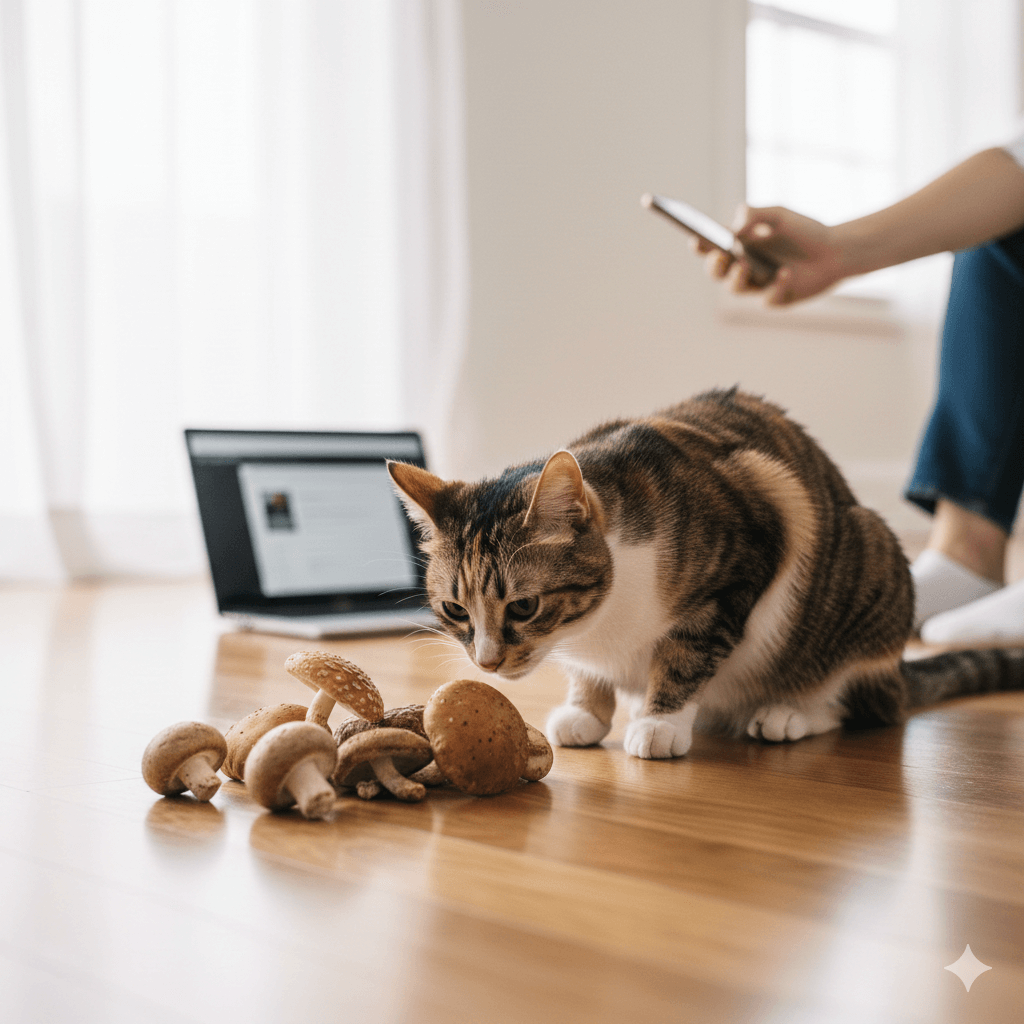
Common mushrooms like button, cremini, or portobello are generally non-toxic to cats. However, they offer no nutritional benefits and may cause mild digestive upset if consumed in large amounts. - Toxic Mushrooms (Amanita Species):
Mushrooms like the Death Cap or Destroying Angel contain amatoxins, which severely damage the liver and kidneys. Even a small bite can lead to life-threatening complications within hours. - Hallucinogenic Mushrooms:
Psilocybin-containing mushrooms cause neurological symptoms such as seizures, agitation, or disorientation. These effects are distressing and potentially dangerous for cats. - Wild Mushrooms Found Outdoors:
Many wild mushrooms are difficult to identify and may contain unknown toxins. Even seemingly harmless varieties can irritate your cat’s stomach or worse. - False Morels:
These mushrooms contain gyromitrin, a toxin that causes vomiting, diarrhea, and in severe cases, seizures or liver failure when ingested by pets.
With so many mushroom varieties posing potential risks, it’s best to prevent access entirely. If you suspect your cat has eaten an unidentified mushroom, seek veterinary care immediately to rule out toxicity.
Symptoms of Mushroom Poisoning in Cats
Mushroom poisoning manifests differently depending on the type ingested, but symptoms often appear within hours. Recognizing these signs early can save your cat’s life, as delayed treatment may lead to irreversible damage or death.
- Gastrointestinal Distress:
Vomiting, diarrhea, and drooling are common early signs of mushroom ingestion. These symptoms indicate irritation of the stomach lining and should not be ignored. - Neurological Symptoms:
Seizures, tremors, or unusual behavior signal exposure to hallucinogenic or neurotoxic mushrooms. Cats may also appear disoriented or overly lethargic. - Liver Damage Indicators:
Jaundice (yellowing gums or skin), dark urine, and extreme lethargy suggest liver toxicity from amatoxin-containing mushrooms. This is a medical emergency requiring immediate intervention. - Kidney Failure Signs:
Increased thirst, frequent urination, or complete lack of urination points to kidney damage caused by certain toxic mushrooms. Without treatment, this can be fatal. - Respiratory Issues:
Difficulty breathing, coughing, or wheezing occurs with mushrooms that affect the respiratory system. These symptoms require urgent veterinary attention.
Monitoring your cat closely after suspected mushroom ingestion ensures timely identification of these symptoms. Acting quickly gives your cat the best chance at recovery.
Check this guide 👉Can Cats Eat Vitamin D? Best 7 Expert Tips!
Check this guide 👉Can Cats Eat Star Fruit? Best 7 Expert Tips!
Check this guide 👉Can Cats Eat Gerbera Daisies? Best 7 Expert Tips!
Safe Practices for Cats Around Mushrooms | Signs of Mushroom Poisoning in Cats |
|---|---|
Remove wild mushrooms from your yard regularly | Vomiting and diarrhea within hours |
Store store-bought mushrooms securely out of reach | Neurological symptoms like seizures or tremors |
Supervise outdoor activities closely to prevent nibbling | Jaundice (yellow gums) indicating liver damage |
Train “leave it” commands to discourage curiosity | Increased thirst or lack of urination (kidney issues) |
Educate family members about avoiding human food sharing | Difficulty breathing or wheezing |
Safe Practices for Preventing Mushroom Ingestion
Prevention is key to protecting your cat from accidental mushroom ingestion. Simple measures around your home and yard significantly reduce risks and ensure your cat stays safe.
- Remove Wild Mushrooms from Your Yard:
Regularly inspect outdoor spaces for mushrooms, especially after rain. Remove them promptly to prevent curiosity-driven nibbling. - Secure Indoor Spaces:
Store store-bought mushrooms securely in sealed containers and clean countertops thoroughly to avoid leaving scraps behind. - Supervise Outdoor Adventures:
Keep your cat leashed during walks or monitor them closely in unfenced areas where wild mushrooms may grow. - Train “Leave It” Commands:
Teaching your cat to avoid unknown objects or foods prevents accidental ingestion of toxic substances, including mushrooms. - Educate Family Members:
Ensure everyone in your household knows not to feed mushrooms—or any human food—to your cat. Awareness fosters a safer environment.
By implementing these practices, you minimize the chances of your cat encountering harmful mushrooms and maintain their long-term health.
Treatment Options for Mushroom Toxicity
If your cat ingests mushrooms, prompt veterinary care is critical to mitigate potential harm. Treatment varies based on the type of mushroom and severity of symptoms but typically follows a structured approach.
- Decontamination Procedures:
Inducing vomiting or administering activated charcoal helps remove toxins from the stomach before they enter the bloodstream. - IV Fluid Therapy:
Intravenous fluids support hydration, flush toxins from the body, and stabilize vital organs like the liver and kidneys. - Medications for Symptom Management:
Anti-seizure drugs, anti-nausea medications, or liver protectants address specific symptoms and improve recovery outcomes. - Blood Tests and Monitoring:
Complete blood counts and liver/kidney function tests detect internal damage early, allowing tailored interventions. - Hospitalization for Severe Cases:
Cats showing advanced symptoms may require extended hospital stays for intensive care and close monitoring.
Early intervention improves prognosis, even in cases involving highly toxic mushrooms. Always err on the side of caution and consult your vet immediately.
Long-Term Effects of Mushroom Poisoning
While many cats recover fully from mushroom poisoning with timely treatment, some experience lingering effects that require ongoing management. Understanding these possibilities prepares you for long-term care needs.
- Chronic Liver or Kidney Issues:
Severe toxicity damages these vital organs, necessitating regular check-ups and dietary adjustments to support function. - Behavioral Changes:
Some cats become more cautious or anxious after traumatic health episodes, affecting their personality and interactions. - Increased Veterinary Costs:
Frequent monitoring and treatments for long-term complications can strain finances, highlighting the importance of pet insurance. - Reduced Lifespan Risk:
Untreated or severe cases may shorten a cat’s lifespan due to irreversible organ damage or secondary conditions. - Heightened Owner Vigilance:
Owners must remain vigilant about preventing future exposures, ensuring their cat avoids similar dangers.
Proactive care and consistent veterinary follow-ups help manage these effects effectively, promoting a healthier life for your feline companion.
Common Myths About Cats and Mushrooms
Misconceptions about cats and mushrooms abound, leading to confusion among pet owners. Separating fact from fiction ensures informed decisions and better protection for your cat.
- Myth: All Store-Bought Mushrooms Are Safe:
While most edible mushrooms aren’t toxic, they still lack nutritional value and can upset your cat’s stomach if consumed excessively. - Myth: Cats Won’t Eat Mushrooms Naturally:
Though cats are obligate carnivores, their curiosity sometimes overrides instincts, leading them to sample unfamiliar items. - Myth: Cooking Makes Mushrooms Safe:
Cooking doesn’t neutralize toxins in poisonous mushrooms; it may even concentrate harmful compounds. - Myth: Small Amounts Are Harmless:
Even tiny quantities of highly toxic mushrooms can cause severe reactions, especially in small or sensitive cats. - Myth: Only Outdoor Cats Are at Risk:
Indoor cats can still encounter mushrooms through houseplants, food scraps, or poorly stored groceries.
Dispelling these myths empowers you to make safer choices and take preventive measures seriously.
How to Identify Dangerous Mushrooms
Identifying toxic mushrooms is challenging, as many resemble harmless varieties. Learning key characteristics helps you recognize potential threats and act decisively if your cat encounters one.
- Cap Shape and Color:
Toxic mushrooms often have distinctive caps, such as umbrella shapes or bright colors like red, yellow, or white with spots. - Gill Patterns Underneath:
White gills or ring-like structures around the stem are warning signs of poisonous species like Amanitas. - Odor and Texture:
Some toxic mushrooms emit foul odors or have slimy textures, distinguishing them from edible types. - Habitat and Location:
Deadly mushrooms frequently grow near trees, decaying wood, or damp areas—environments accessible to curious cats. - Consult Experts:
If unsure, take photos and consult a mycologist or veterinarian for identification rather than relying on guesswork.
Accurate identification minimizes risks and ensures swift action if your cat comes into contact with suspicious fungi.
“Many wild mushrooms are toxic to cats, and even small amounts when eaten can be life-threatening. Plain, store-bought mushrooms (like white button mushrooms) that are cooked and unseasoned are likely safe in small amounts, but they are not necessary or recommended as part of a cat’s diet.”
— Dr. Claire Jenkins
Frequently Asked Questions About Cats and Mushrooms
Can cats safely eat store-bought mushrooms?
While non-toxic, store-bought mushrooms like button or portobello offer no nutritional value and may upset your cat’s stomach if consumed in large amounts.
What should I do if my cat eats a wild mushroom?
Contact your veterinarian or pet poison hotline immediately, even if symptoms haven’t appeared yet. Bring a sample of the mushroom for identification if possible.
Are there any health benefits to feeding mushrooms to cats?
No—mushrooms provide no significant nutritional benefits to cats, as they are obligate carnivores and derive nutrients primarily from animal-based proteins.
How long does it take for mushroom poisoning symptoms to appear?
Symptoms typically emerge within 6–12 hours but can take up to 24–72 hours for certain toxic varieties, making early detection challenging.
Can cooking mushrooms make them safe for cats?
Cooking doesn’t neutralize toxins in poisonous mushrooms; it may even concentrate harmful compounds, posing greater risks to your cat.
Protecting Your Cat from Mushroom Dangers
Mushrooms may seem harmless, but their potential risks to cats cannot be underestimated. From highly toxic wild varieties to seemingly safe store-bought options, the dangers are real and often hidden. By staying informed, taking preventive measures, and acting swiftly in emergencies, you ensure your feline companion remains healthy and safe. Remember, curiosity is natural for cats—but vigilance is your greatest tool in protecting them. With love and care, you can create an environment where your cat thrives without the threat of accidental mushroom ingestion.

Is Rawhide Bad for Cats? Best 7 Expert Tips! – Discover the risks, safe alternatives, and expert advice to keep your feline friend healthy and happy.

Is Rawhide Bad for Dogs? Best 7 Expert Tips! – Discover the risks, benefits, and safer alternatives to rawhides for your dog’s chewing needs.

Understanding Anorexia in Cats: Best 7 Expert Tips! – Learn why cats stop eating, spot warning signs, and discover how to help your feline regain appetite safely.

Understanding Anorexia in Dogs: Best 7 Expert Tips! – Learn causes, symptoms, and solutions to help your dog regain appetite and stay healthy.