
Can I Give My Cat Motrin? Understanding the Risks
Giving your cat medication intended for humans can be extremely dangerous, and Motrin (ibuprofen) is no exception. While it may seem like a quick solution for pain or inflammation, this over-the-counter drug can cause severe toxicity in cats, even in small doses. Understanding the potential harm and safer alternatives is crucial to keeping your feline friend safe and healthy.
Why Motrin is Dangerous for Cats
Motrin, or ibuprofen, is a widely used human medication for pain relief and inflammation, but it poses significant risks to cats due to their unique physiology. Cats lack certain enzymes that help metabolize drugs like ibuprofen, making even small doses highly toxic. Understanding the specific dangers helps you avoid accidental poisoning and respond appropriately if exposure occurs.
- Kidney Damage:
Ibuprofen reduces blood flow to the kidneys by inhibiting prostaglandins, which are essential for maintaining proper kidney function. Over time, this can lead to acute kidney failure, characterized by symptoms like vomiting, lethargy, and decreased urination. - Gastrointestinal Ulcers:
The drug irritates the lining of the stomach and intestines, potentially causing ulcers. These ulcers result in symptoms such as vomiting (often with blood), black tarry stools, and abdominal pain. Left untreated, they can lead to life-threatening internal bleeding. - Central Nervous System Effects:
High doses of ibuprofen can cross the blood-brain barrier, causing neurological symptoms like seizures, disorientation, or coma. These effects are particularly alarming and require immediate veterinary intervention. - Metabolic Acidosis:
Ibuprofen disrupts the body’s acid-base balance, leading to metabolic acidosis. This condition causes rapid breathing, weakness, and collapse as the body struggles to compensate for the imbalance. - Lack of Safe Dosage:
Unlike some medications, there is no safe dose of ibuprofen for cats. Even a single tablet can exceed the toxic threshold, depending on your cat’s weight and overall health.
The severity of these risks underscores why Motrin should never be given to cats under any circumstances. Always consult your veterinarian before administering any medication.
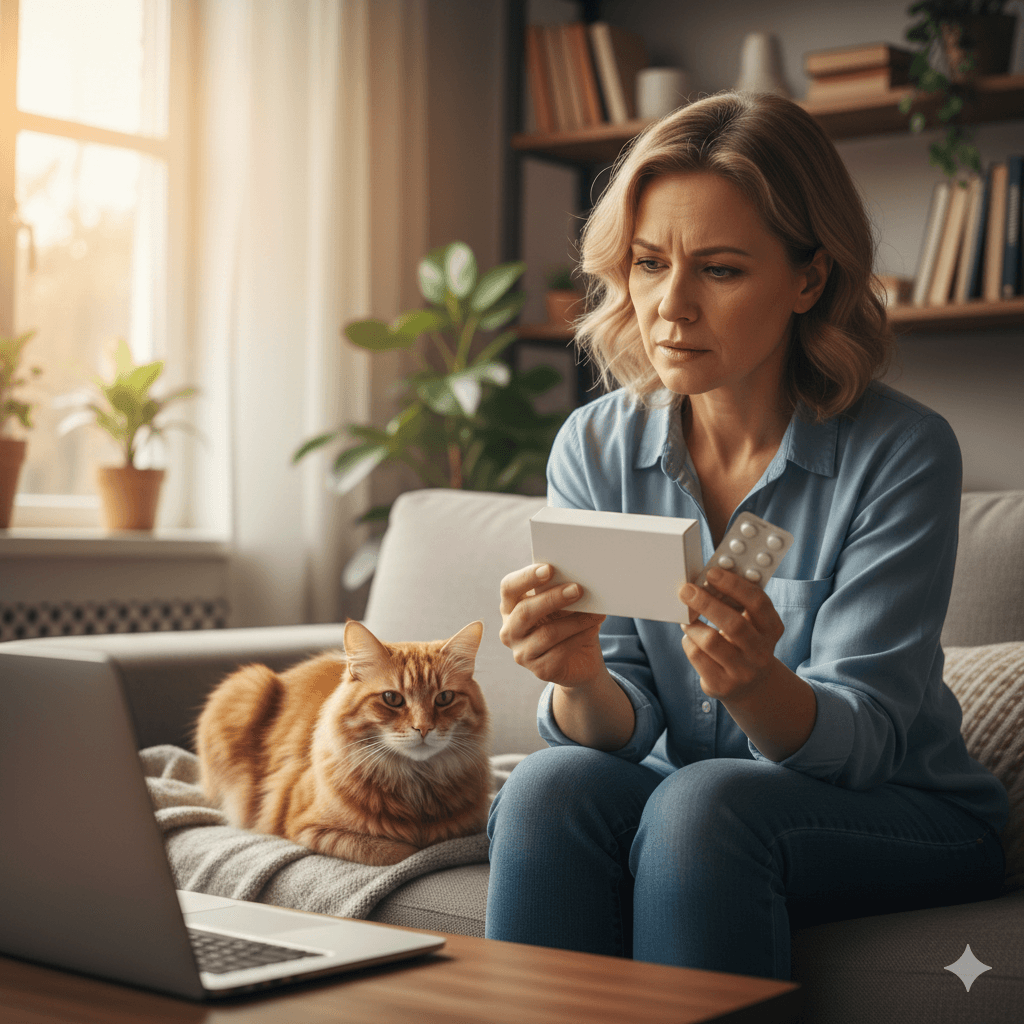
Symptoms of Ibuprofen Toxicity in Cats
Recognizing the signs of ibuprofen toxicity early can make a critical difference in your cat’s prognosis. Symptoms vary depending on the dose ingested and the duration of exposure, but they often progress rapidly. Being aware of these indicators ensures prompt action to protect your cat’s health.
- Vomiting and Diarrhea:
Cats may vomit repeatedly, sometimes with blood, due to gastrointestinal irritation caused by ibuprofen. Diarrhea, especially if dark or tarry, indicates internal bleeding from ulcers. - Lethargy and Weakness:
Toxicity leads to reduced energy levels as the body struggles to cope with kidney damage or metabolic imbalances. Cats may appear unusually sleepy or uninterested in their surroundings. - Loss of Appetite:
A sudden refusal to eat is a red flag, as ibuprofen toxicity affects both the digestive system and overall organ function. Prolonged anorexia worsens the cat’s condition. - Increased Thirst and Urination:
Kidney damage triggers excessive thirst and urination as the body attempts to flush toxins. If left untreated, this can progress to decreased urine output, signaling acute kidney failure. - Neurological Symptoms:
Seizures, tremors, or unusual behavior indicate that ibuprofen has affected the central nervous system. These symptoms require urgent veterinary care to prevent permanent damage.
Early recognition of these symptoms allows for timely treatment, improving the chances of recovery. Never ignore even mild signs if you suspect ibuprofen ingestion.
Check this guide 👉Can I Give My Cat Aspirin for Fever? Best 7 Tips!
Check this guide 👉Can I Give My Cat Olive Oil Every Day? Best 7 Expert Tips!
Check this guide 👉Can You Give Your Cat Benadryl Every Day? Best 7 Tips!
Symptoms of Ibuprofen Toxicity | Immediate Actions to Take |
|---|---|
Vomiting (with or without blood) | Call your vet or pet poison hotline immediately |
Diarrhea (dark or tarry stools) | Monitor your cat’s behavior and vital signs closely |
Lethargy or weakness | Offer fresh water to prevent dehydration |
Increased thirst and urination | Bring remaining medication packaging to the vet |
Seizures or tremors | Transport your cat to emergency care promptly |
Immediate Steps to Take If Your Cat Ingested Motrin
If you discover that your cat has ingested Motrin, acting quickly can save their life. Time is of the essence, as ibuprofen toxicity progresses rapidly and can cause irreversible damage. Follow these steps to minimize harm while seeking professional help.
- Do Not Induce Vomiting Without Advice:
While inducing vomiting might seem helpful, it can worsen irritation or lead to aspiration pneumonia. Only attempt this if explicitly instructed by a veterinarian or poison control expert. - Call a Pet Poison Helpline:
Contact a pet poison hotline or your veterinarian immediately. Provide details about the amount ingested, the time of exposure, and your cat’s weight for tailored advice. - Monitor Vital Signs:
Keep a close eye on your cat’s breathing, gum color, and behavior. Note any changes, as these observations will help the vet assess the situation more accurately. - Offer Fresh Water:
Encourage hydration to help flush toxins from the system, but do not force your cat to drink. Dehydration exacerbates kidney damage, so water intake is crucial. - Prepare for Emergency Care:
Bring any remaining medication packaging to the vet appointment. This information helps determine the exact dose ingested and guides treatment decisions.
Swift action and clear communication with professionals ensure the best possible outcome for your cat.
Treatment Options for Ibuprofen Toxicity
Veterinarians employ various methods to manage ibuprofen toxicity, focusing on stabilizing your cat and preventing further complications. Early intervention significantly improves recovery chances, though treatment depends on the severity of exposure.
- Activated Charcoal Administration:
Charcoal binds to toxins in the stomach, reducing absorption into the bloodstream. This step is most effective when administered shortly after ingestion. - IV Fluid Therapy:
Intravenous fluids support kidney function by increasing urine production and flushing toxins from the body. This also addresses dehydration caused by vomiting or diarrhea. - Gastrointestinal Protectants:
Medications like sucralfate coat the stomach lining, protecting it from further damage and promoting healing of ulcers. - Anti-Seizure Medications:
If neurological symptoms occur, anti-seizure drugs may be prescribed to stabilize the central nervous system and prevent further complications. - Blood Tests and Monitoring:
Complete blood counts and chemistry panels assess kidney and liver function, guiding ongoing treatment. Frequent monitoring ensures complications are detected early.
Each case is unique, but modern veterinary care offers excellent recovery prospects with prompt and appropriate treatment.
Long-Term Effects of Ibuprofen Toxicity
While many cats recover fully from ibuprofen toxicity with timely treatment, some cases result in lingering effects that require ongoing management. Understanding these possibilities prepares you for long-term care needs and underscores the importance of prevention.
- Chronic Kidney Disease:
Acute kidney damage from ibuprofen can progress to chronic kidney disease, requiring lifelong dietary adjustments and regular vet check-ups. - Persistent Gastrointestinal Issues:
Ulcers or scarring in the stomach and intestines may lead to recurring digestive problems, necessitating special diets or medications. - Behavioral Changes:
Some cats become more anxious or withdrawn after experiencing severe illness, requiring patience and reassurance during recovery. - Increased Veterinary Costs:
Long-term monitoring and treatments add to veterinary expenses, highlighting the value of preventive measures and pet insurance. - Heightened Sensitivity to Toxins:
Cats who have suffered ibuprofen toxicity may become more vulnerable to other toxins, emphasizing the need for strict household safety protocols.
Awareness of these potential outcomes motivates proactive care and reinforces the importance of avoiding accidental exposures.
Safer Alternatives to Manage Pain in Cats
If your cat is experiencing pain or inflammation, it’s essential to seek veterinary-approved alternatives to Motrin. Cats require species-specific medications to ensure safety and efficacy. Exploring these options prevents unnecessary risks and promotes your cat’s well-being.
- Prescription Pain Relievers:
Veterinarians may prescribe medications like buprenorphine or meloxicam, which are formulated specifically for feline use and administered under supervision. - Natural Supplements:
Omega-3 fatty acids, glucosamine, and chondroitin support joint health and reduce inflammation without the risks associated with NSAIDs. - Physical Therapy:
For conditions like arthritis, physical therapy exercises improve mobility and alleviate discomfort through gentle, controlled movements. - Environmental Adjustments:
Providing soft bedding, ramps, or litter boxes with low edges reduces strain on aging or injured cats, minimizing pain triggers. - Regular Vet Check-Ups:
Frequent evaluations ensure underlying issues are addressed promptly, preventing pain from escalating into more serious conditions.
These alternatives prioritize your cat’s safety while effectively managing pain and inflammation. Always consult your vet before starting any new treatment.
Preventing Accidental Exposure to Human Medications
Preventing access to human medications like Motrin is key to safeguarding your cat’s health. Simple precautions reduce the risk of accidental ingestion and create a safer home environment. Proactive measures ensure peace of mind for pet owners.
- Secure Medication Storage:
Keep all medications in locked cabinets or high shelves where curious cats cannot reach them. Avoid leaving pills on countertops or tables. - Educate Family Members:
Ensure everyone in the household knows which medications are unsafe for pets and understands the importance of keeping them out of reach. - Dispose of Medications Safely:
Use designated drug disposal programs to discard expired or unused medications, preventing accidental ingestion from trash bins. - Avoid Feeding Table Scraps:
Many human foods contain hidden medications or ingredients harmful to cats; stick to species-appropriate diets instead. - Train “Leave It” Commands:
Teaching your cat to avoid dropped items prevents them from eating unknown substances, including medications.
By implementing these strategies, you minimize risks and create a safer, healthier environment for your beloved feline companion.
Frequently Asked Questions About Giving Motrin to Cats
Can I give my cat a small dose of Motrin for pain relief?
No—there is no safe dose of Motrin (ibuprofen) for cats. Even small amounts can cause severe kidney damage, ulcers, or neurological issues. Always consult your vet for safe alternatives.
What should I do if my cat accidentally ingests Motrin?
Act immediately by calling your vet or a pet poison hotline. Do not induce vomiting without professional advice, and monitor your cat closely for symptoms like vomiting, lethargy, or seizures.
How long does it take for ibuprofen toxicity symptoms to appear?
Symptoms can appear within hours but may take up to 24–48 hours to become noticeable. Early signs include vomiting, diarrhea, and increased thirst, so act quickly if you suspect ingestion.
Are there any safe over-the-counter pain relievers for cats?
No over-the-counter human medications are safe for cats. Only use medications prescribed by your veterinarian, as they are formulated specifically for feline physiology.
Can activated charcoal help if my cat ate Motrin?
Yes—activated charcoal can bind to toxins in the stomach and reduce absorption. However, this should only be administered under veterinary supervision to ensure safety and proper dosing.
A Lifeline in Every Moment of Crisis
Discovering that your cat has ingested Motrin can be terrifying, but staying calm and informed makes all the difference. By recognizing the dangers, acting swiftly, and seeking professional guidance, you give your feline friend the best chance at recovery. Prevention remains the cornerstone of safety—secure medications, educate your household, and prioritize species-specific treatments for pain management. Remember, your vigilance and quick thinking are the ultimate safeguards against accidental poisoning—and the foundation of a lifetime of love and trust.
Can I Give My Cat Midol? Best 7 Expert Tips! – Learn the risks, symptoms, and safe alternatives to keep your cat healthy and avoid toxic reactions.

Can I Give My Dog Midol? Best 7 Expert Tips! – Discover the risks, safe alternatives, and expert advice to keep your dog safe from accidental poisoning.

Maximum Weight for Cats on Planes: Best 7 Expert Tips! – Learn airline policies, tips to stay compliant, and ensure safe travels for your feline friend.

Max Weight for Dogs on Planes: Best 7 Expert Tips! – Discover airline weight limits, safe travel tips, and solutions for flying with your dog stress-free.