
Can THC Help with Cat Anxiety? Exploring the Facts
As more pet owners seek natural remedies for their cats’ anxiety, THC has emerged as a controversial yet intriguing option. While research is still limited, some believe it may offer calming effects for stressed felines. However, understanding its safety, legality, and proper usage is crucial before considering it for your furry friend.
How THC Interacts with a Cat’s Endocannabinoid System
The endocannabinoid system (ECS) plays a vital role in regulating mood, stress, and overall well-being in cats, just as it does in humans. THC interacts with this system by binding to cannabinoid receptors, potentially influencing anxiety levels. However, the effects of THC on cats are complex and require careful consideration to avoid adverse reactions. Understanding the science behind THC and the ECS helps pet owners make informed decisions about its use for feline anxiety.
- CB1 Receptor Activation:
THC primarily binds to CB1 receptors in the brain, which regulate mood and stress responses; this interaction may reduce anxiety but can also cause disorientation or lethargy in cats. - CB2 Receptor Influence:
While CB2 receptors are more involved in immune function, THC’s mild interaction with these receptors may indirectly support relaxation and stress reduction. - Dose-Dependent Effects:
Low doses of THC might have calming effects, but higher doses can overwhelm the ECS, leading to toxicity or heightened anxiety in sensitive cats. - Metabolism Differences in Cats:
Cats metabolize cannabinoids differently than humans or dogs, making them more vulnerable to THC’s side effects if not administered carefully. - Potential for Overstimulation:
In some cases, THC may overstimulate the ECS, causing agitation or confusion instead of the intended calming effect.
Understanding how THC interacts with your cat’s ECS is essential for ensuring safe and effective use, especially when addressing anxiety-related issues.
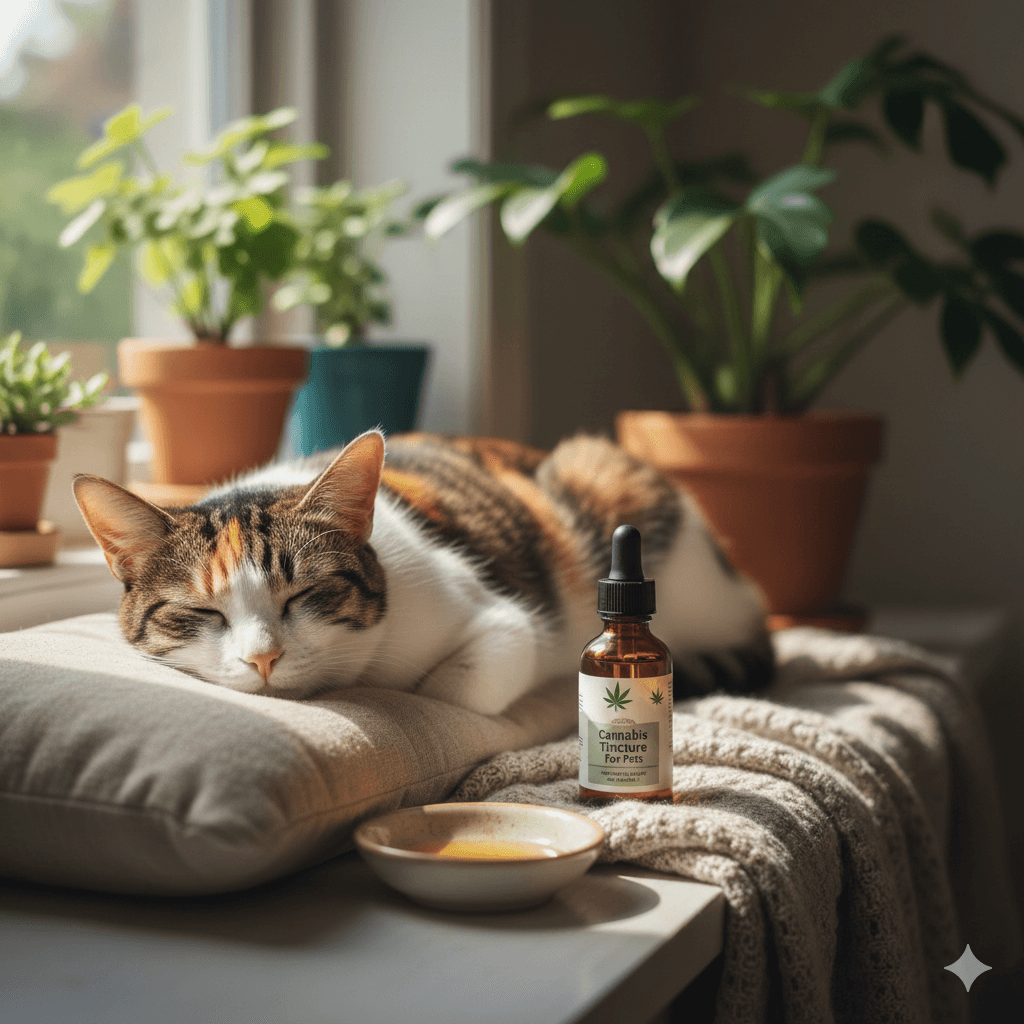
Potential Benefits of THC for Cat Anxiety
When used responsibly and under veterinary guidance, THC may offer several benefits for cats struggling with anxiety. From reducing stress during travel to calming nervous behavior, its potential applications are promising. However, these benefits must be weighed against the risks to ensure your cat’s safety and well-being.
- Calming Effects During Travel:
THC may help reduce travel-related stress, such as panting, meowing, or pacing, by promoting relaxation without sedation. - Reducing Noise Phobias:
For cats fearful of thunderstorms or fireworks, THC’s anxiolytic properties might ease their fear response and prevent panic behaviors. - Support for Separation Anxiety:
Cats left alone for long periods may exhibit destructive behaviors; THC could help them feel calmer and more secure in their environment. - Improved Sleep Patterns:
Anxious cats often struggle with restlessness; THC’s soothing effects may promote deeper, more restorative sleep cycles. - Alleviating Chronic Stress:
Long-term stress weakens the immune system; THC’s potential to regulate stress hormones could improve overall health and resilience.
While THC shows promise for managing anxiety, it’s crucial to consult a veterinarian before introducing it into your cat’s routine.
Check this guide 👉Understanding Cat Anxiety Behavior: Best 7 Expert Tips!
Check this guide 👉 Cat Anxiety Treatment: Best 7 Expert Tips!
Check this guide 👉Cat Anxiety Symptoms: Best 7 Expert Tips!
Benefits of THC for Cats | Risks of THC for Cats |
|---|---|
Calming effects during travel | Risk of toxicity at high doses |
Reduced noise phobias | Potential respiratory distress |
Support for separation anxiety | Behavioral changes like lethargy |
Improved sleep patterns | Gastrointestinal upset |
Alleviation of chronic stress | Legal and ethical concerns |
Risks and Side Effects of THC for Cats
Despite its potential benefits, THC poses significant risks to cats if misused or administered improperly. Cats are highly sensitive to cannabinoids, and even small amounts can lead to adverse effects. Recognizing these risks ensures you prioritize your cat’s safety while exploring alternative treatments.
- Toxicity Risk at High Doses:
Excessive THC exposure can cause poisoning, leading to symptoms like vomiting, drooling, or difficulty walking due to impaired motor control. - Respiratory Distress:
In rare cases, THC ingestion may result in labored breathing or panting, indicating respiratory distress requiring immediate veterinary care. - Behavioral Changes:
Some cats may become overly lethargic, disoriented, or even aggressive after THC exposure, disrupting their normal behavior patterns. - Gastrointestinal Upset:
Nausea, diarrhea, or loss of appetite are common side effects of THC, particularly if the dose exceeds safe limits. - Legal and Ethical Concerns:
The legality of THC products varies by region, and using them for pets raises ethical questions about safety and responsibility.
Understanding these risks underscores the importance of caution and professional guidance when considering THC for your cat’s anxiety.
Safe Administration Methods for THC in Cats
Administering THC safely requires precision, patience, and adherence to veterinary recommendations. Choosing the right product and dosage minimizes risks while maximizing potential benefits. Always prioritize high-quality, pet-specific formulations designed for feline use.
- Start with Minimal Dosage:
Begin with the lowest possible dose (e.g., 0.1 mg per pound of body weight) to assess tolerance and avoid overwhelming your cat’s system. - Use CBD-Dominant Products:
CBD-dominant oils or treats containing trace amounts of THC are safer options compared to pure THC products for managing anxiety. - Monitor for Adverse Reactions:
Observe your cat closely for signs of discomfort, lethargy, or unusual behavior within the first few hours after administration. - Choose Pet-Specific Formulations:
Avoid human-grade THC products, which often contain additives harmful to cats; opt for formulations specifically designed for pets. - Consult Your Veterinarian First:
A vet experienced in cannabinoid therapy can provide tailored advice on dosage, frequency, and product selection based on your cat’s needs.
Proper administration ensures that THC serves as a helpful tool rather than a potential hazard in managing your cat’s anxiety.
Alternatives to THC for Managing Cat Anxiety
If you’re hesitant to explore THC, several alternative treatments can effectively address cat anxiety without the associated risks. These options range from behavioral modifications to natural supplements, offering safe and accessible solutions for concerned pet owners.
- Pheromone Diffusers:
Products like Feliway mimic feline facial pheromones, creating a calming environment that reduces stress and promotes relaxation. - Behavioral Training Techniques:
Desensitization and counter-conditioning help cats associate stressful triggers with positive experiences, gradually reducing anxiety over time. - Herbal Supplements:
Chamomile, valerian root, or passionflower extracts provide gentle calming effects without the psychoactive properties of THC. - Interactive Play and Enrichment:
Regular play sessions and environmental enrichment distract anxious cats and redirect their focus toward enjoyable activities. - Prescription Medications:
In severe cases, veterinarians may prescribe anti-anxiety medications like fluoxetine or clomipramine for long-term management.
Exploring these alternatives allows you to find a solution that aligns with your comfort level and your cat’s unique needs.
Alternatives to THC for Managing Cat Anxiety
If you’re hesitant to explore THC, several alternative treatments can effectively address cat anxiety without the associated risks. These options range from behavioral modifications to natural supplements, offering safe and accessible solutions for concerned pet owners.
- Pheromone Diffusers:
Products like Feliway mimic feline facial pheromones, creating a calming environment that reduces stress and promotes relaxation. - Behavioral Training Techniques:
Desensitization and counter-conditioning help cats associate stressful triggers with positive experiences, gradually reducing anxiety over time. - Herbal Supplements:
Chamomile, valerian root, or passionflower extracts provide gentle calming effects without the psychoactive properties of THC. - Interactive Play and Enrichment:
Regular play sessions and environmental enrichment distract anxious cats and redirect their focus toward enjoyable activities. - Prescription Medications:
In severe cases, veterinarians may prescribe anti-anxiety medications like fluoxetine or clomipramine for long-term management.
Exploring these alternatives allows you to find a solution that aligns with your comfort level and your cat’s unique needs.
Signs Your Cat May Benefit from THC or Alternative Treatments
Recognizing signs of anxiety in your cat helps determine whether THC or other treatments are appropriate interventions. Early identification allows for timely action, improving your cat’s quality of life. Look for these behavioral and physical indicators of stress.
- Excessive Grooming:
Over-grooming to the point of hair loss or skin irritation often signals underlying anxiety or stress in cats. - Hiding or Avoidance Behaviors:
Cats that retreat excessively or avoid social interaction may be experiencing heightened fear or discomfort. - Aggression Toward Humans or Pets:
Sudden aggression, hissing, or biting can indicate unresolved anxiety manifesting as defensive behavior. - Changes in Eating Habits:
Loss of appetite or refusal to eat meals may reflect stress-related gastrointestinal upset or emotional distress. - Vocalization or Restlessness:
Increased meowing, pacing, or inability to settle down points to anxiety-driven hyperactivity or unease.
Identifying these signs empowers you to seek appropriate solutions, whether through THC, alternative therapies, or professional behavioral support.
Frequently Asked Questions About THC for Cat Anxiety
Is THC safe for cats?
THC can be safe in very low doses and under veterinary supervision, but it poses risks if misused or administered incorrectly.
How much THC can I give my cat?
Dosage depends on your cat’s weight and condition; always start with the lowest possible amount (e.g., 0.1 mg per pound) and consult a vet.
Can CBD oil replace THC for anxiety?
Yes, CBD oil is often recommended as a safer alternative to THC for managing cat anxiety without psychoactive effects.
What are the signs of THC toxicity in cats?
Symptoms include vomiting, drooling, lethargy, difficulty walking, and respiratory distress—seek immediate vet care if these occur.
Is THC legal for pets in my area?
Laws vary by region; research local regulations or consult a veterinarian to ensure compliance before using THC products for your cat.
Supporting Your Cat Through Anxiety Safely
Exploring THC as a solution for cat anxiety requires careful consideration, professional guidance, and a commitment to your pet’s well-being. While it may offer benefits, alternatives like CBD oil, pheromone diffusers, or behavioral training provide safer options for many owners. Always prioritize your cat’s health by staying informed, monitoring their response, and seeking veterinary advice when needed. With patience and compassion, you can help your feline companion overcome anxiety and enjoy a happier, calmer life.

Is Rawhide Bad for Cats? Best 7 Expert Tips! – Discover the risks, safe alternatives, and expert advice to keep your feline friend healthy and happy.

Is Rawhide Bad for Dogs? Best 7 Expert Tips! – Discover the risks, benefits, and safer alternatives to rawhides for your dog’s chewing needs.

Understanding Anorexia in Cats: Best 7 Expert Tips! – Learn why cats stop eating, spot warning signs, and discover how to help your feline regain appetite safely.

Understanding Anorexia in Dogs: Best 7 Expert Tips! – Learn causes, symptoms, and solutions to help your dog regain appetite and stay healthy.