
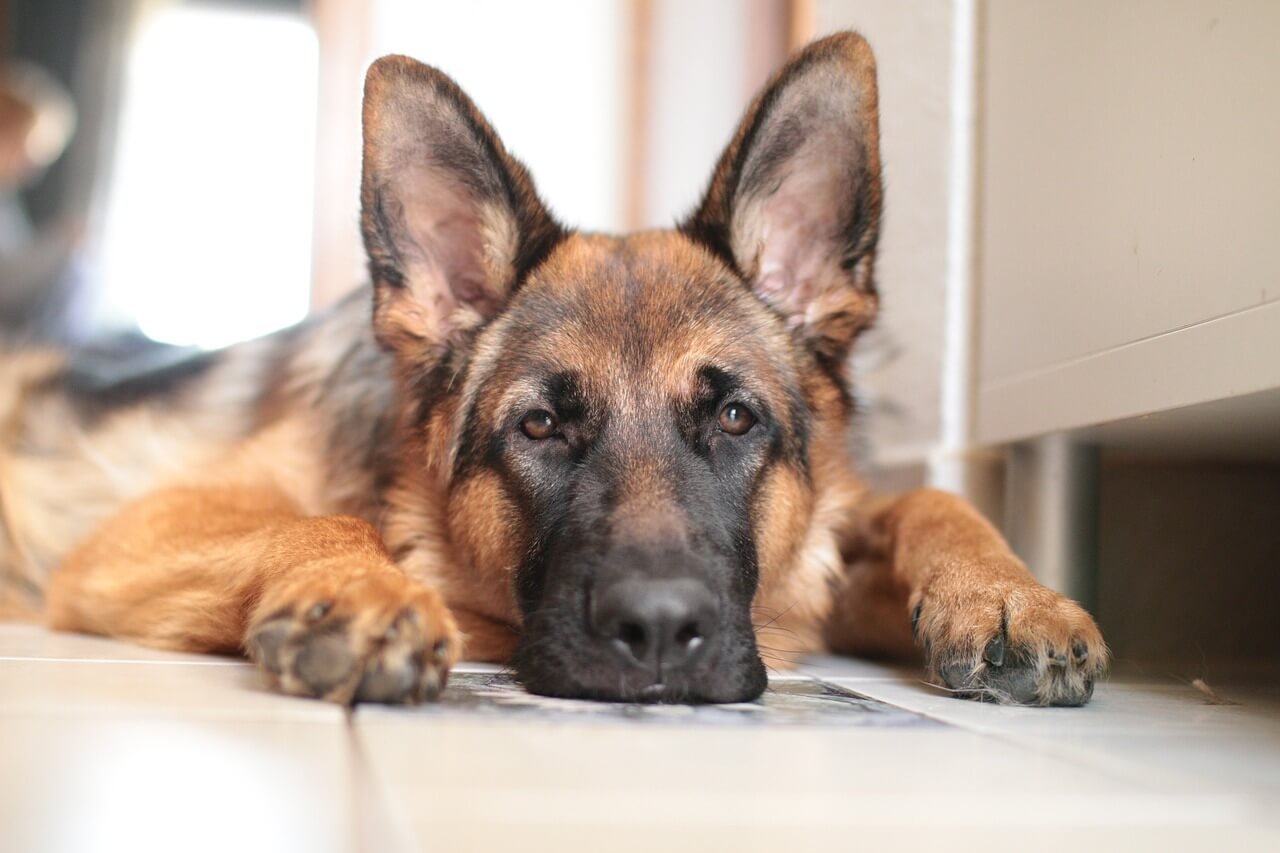


When Your Dog Ate Tampons: What You Need to Know
Dogs are naturally curious creatures, and their tendency to explore the world with their mouths can sometimes lead to unexpected—and potentially dangerous—situations. One such scenario is when your dog accidentally ingests tampons. While it may sound alarming, understanding how to respond and prevent future incidents can make all the difference. This guide will walk you through what happens if your dog eats tampons, the potential risks involved, and the steps you should take to ensure your pet’s safety. Whether you’re dealing with this situation for the first time or want to be prepared, we’ve got you covered.
Potential Risks of Dogs Eating Tampons
While tampons may seem harmless at first glance, they pose several risks to dogs if ingested. Their composition and size can lead to complications that range from mild discomfort to life-threatening conditions.
Gastrointestinal Blockage:
Tampons can swell and expand in the stomach or intestines, causing obstructions that prevent food from passing through.Choking Hazard:
If a tampon gets lodged in the throat, it can obstruct airflow and lead to choking, which requires immediate intervention.Toxicity Concerns:
While tampons themselves are not toxic, certain scented varieties or chemical additives may irritate your dog’s digestive system.Internal Damage:
Sharp edges or fibers from partially chewed tampons can scratch or tear the lining of the stomach or intestines.Symptoms of Distress:
Vomiting, diarrhea, lethargy, and abdominal pain are common signs that your dog may be experiencing complications after ingestion.
Understanding these risks underscores the importance of acting quickly and responsibly if your dog consumes tampons.
Immediate Steps to Take When Your Dog Eats Tampons
If you discover that your dog has eaten tampons, staying calm and taking prompt action is crucial. Here’s what you should do to address the situation effectively.
Assess the Situation:
Determine how many tampons your dog consumed and whether they were chewed or swallowed whole. This information will help your vet assess the risk.Check for Obvious Symptoms:
Look for signs of choking, vomiting, or discomfort. If your dog is struggling to breathe, seek emergency care immediately.Contact Your Veterinarian:
Call your vet as soon as possible to explain the situation. They may advise you to bring your dog in for an examination or provide specific instructions.Avoid Inducing Vomiting Without Guidance:
While inducing vomiting might seem like a solution, it can worsen the situation by causing further blockages or irritation. Always consult a professional before attempting this.Monitor Your Dog Closely:
Keep an eye on your dog’s behavior and physical condition over the next 24-48 hours. Any worsening symptoms warrant immediate medical attention.
By following these steps, you can minimize the risks and ensure your dog receives the care they need.
Check this guide 👉My Dog Ate My Antibiotics: Best 7 Expert Tips!
Check this guide 👉My Dog Ate Mouse Poison: Best 7 Expert Tips!
Check this guide 👉Dog Ate Vitamin D Pill: Best 7 Expert Tips!
Prevention Tips | Signs of Complications to Watch For |
|---|---|
Store tampons out of reach | Vomiting or retching |
Use secure trash bins | Diarrhea or blood in stool |
Supervise your dog during playtime | Lethargy or loss of appetite |
Train your dog to avoid harmful items | Abdominal swelling or pain |
Educate household members about risks | Difficulty breathing or choking |
How to Prevent Your Dog from Eating Tampons
Prevention is always better than dealing with an emergency. By implementing these practical measures, you can reduce the likelihood of your dog encountering tampons in the first place.
Keep Tampons in Secure Locations:
Store tampons in closed cabinets or drawers that your dog cannot access. Avoid leaving them on countertops or open shelves.Dispose of Used Tampons Properly:
Place used tampons in a lidded trash can to prevent your dog from rummaging through the garbage.Teach the “Leave It” Command:
Training your dog to respond to the “leave it” command can help redirect their attention away from harmful objects.Supervise Playtime in Risky Areas:
If your dog tends to investigate the bathroom or trash, keep a close eye on them during unsupervised moments.Create a Dog-Friendly Environment:
Remove tempting items from areas where your dog spends most of their time, ensuring their environment is safe and hazard-free.
Taking these preventive steps can save you from unnecessary stress and protect your dog from harm.
Understanding Your Dog’s Behavior
Dogs often eat non-food items due to natural instincts or behavioral tendencies. Understanding why your dog might be drawn to tampons can help you address the root cause and prevent future incidents.
Curiosity and Exploration:
Puppies and young dogs are especially curious and may chew on anything they find interesting, including tampons.Boredom or Lack of Stimulation:
Dogs without enough mental or physical stimulation may resort to chewing random objects as a form of entertainment.Pica Disorder:
Some dogs suffer from pica, a condition that causes them to eat non-food items compulsively. Consult a vet if this behavior persists.Scent Attraction:
Tampons carry human scents, which can intrigue dogs and trigger their natural scavenging instincts.Attention-Seeking Behavior:
If your dog learns that chewing on forbidden items gets your attention, they may repeat the behavior to engage with you.
By addressing these underlying factors, you can curb unwanted behaviors and create a safer home environment for your furry friend.
Signs That Your Dog May Have Ingested Something Harmful
Recognizing early signs of ingestion can help you act quickly and minimize potential harm. Here are some indicators that your dog may have eaten something they shouldn’t.
Excessive Drooling:
Increased saliva production can indicate nausea or discomfort caused by ingesting foreign objects.Repeated Gagging or Retching:
These behaviors may suggest that your dog is trying to expel something stuck in their throat or stomach.Restlessness or Pacing:
Dogs in pain or distress often exhibit restless behavior as they try to find comfort.Refusal to Eat or Drink:
A sudden loss of appetite can signal gastrointestinal upset or blockages.Unusual Whining or Vocalization:
Dogs may vocalize more than usual if they’re experiencing pain or discomfort.
Being vigilant about these signs allows you to identify problems early and seek timely veterinary care.
Safe Alternatives to Satisfy Your Dog’s Chewing Needs
Redirecting your dog’s chewing habits toward safer alternatives can reduce the likelihood of them targeting harmful items like tampons.
Durable Chew Toys:
Provide sturdy rubber or nylon toys designed for aggressive chewers to satisfy their urge to gnaw.Interactive Puzzle Toys:
Toys that dispense treats can keep your dog mentally engaged and distracted from inappropriate chewing.Rawhide-Free Chews:
Opt for healthy, digestible chews made from natural ingredients to fulfill your dog’s chewing instincts safely.Supervised Play Sessions:
Spend quality time playing fetch or tug-of-war to channel your dog’s energy into constructive activities.Positive Reinforcement Training:
Reward your dog for choosing appropriate toys over forbidden items to reinforce good behavior.
Offering these alternatives ensures your dog stays entertained while avoiding hazardous objects.
How to Handle Recurring Behavioral Issues
If your dog repeatedly eats non-food items despite your efforts, it’s important to address the underlying causes systematically.
Consult a Veterinarian:
Rule out medical conditions like nutritional deficiencies or pica that could drive compulsive eating behaviors.Increase Physical Exercise:
A tired dog is less likely to engage in destructive behaviors. Incorporate longer walks or active play sessions into their routine.Provide Mental Stimulation:
Engage your dog’s mind with training exercises, scent games, or interactive toys to prevent boredom.Evaluate Household Dynamics:
Changes in routine or stressors in the home environment can influence your dog’s behavior. Address any sources of anxiety or disruption.Consider Professional Help:
If the issue persists, consult a certified animal behaviorist for personalized strategies to manage and correct the behavior.
By tackling recurring issues methodically, you can foster a healthier and happier relationship with your dog.
FAQ
Is it dangerous if my dog eats one tampon?
It depends on the size of your dog and the tampon’s material. Small dogs or those prone to intestinal blockages are at higher risk.
Should I induce vomiting if my dog ate tampons?
No, inducing vomiting should only be done under veterinary supervision due to potential complications.
Can tampons cause poisoning in dogs?
Tampons themselves aren’t typically toxic, but they can still cause physical harm or digestive issues.
How long does it take for a dog to pass a tampon?
This varies depending on the dog’s size and digestive system. Monitor stools and consult your vet if unsure.
Are certain breeds more likely to eat tampons?
Breeds known for their scavenging tendencies or high energy levels may be more prone to this behavior.
Staying Prepared and Proactive
Discovering that your dog ate tampons can be a stressful experience, but knowing how to respond and prevent future incidents empowers you to act swiftly and confidently. By understanding the risks, taking immediate action, and implementing preventive measures, you can safeguard your dog’s health and well-being. Remember, your veterinarian is always your best resource in emergencies, so don’t hesitate to reach out for professional guidance. With proper care and attention, you can ensure your curious canine stays safe and happy.
Newfoundland Dog Personality: Best 7 Expert Tips! – Discover the gentle, loyal, and protective nature of this giant breed perfect for families.
Can Hot Pavement Burn Your Cats Paws? Best 7 Expert Tips! – Learn how to protect your cat’s paws from hot surfaces and prevent painful burns this summer.
Can Hot Pavement Burn Your Dogs Paws? Best 7 Expert Tips! – Learn how to protect your dog’s paws from hot surfaces and ensure safe summer walks.
Irish Wolfhound Size: Best 7 Expert Tips! – Discover the ideal height, weight, and care tips for this majestic giant breed. Learn how to manage their impressive stature responsibly.


