

The Most Loyal and Protective Dog Breeds
Dogs have long been celebrated as man’s best friend, and for good reason. Their unwavering loyalty and protective instincts make them not only wonderful companions but also trusted guardians of our homes and families. Whether you’re looking for a breed that will stand by your side through thick and thin or one that will keep a watchful eye over your loved ones, certain dog breeds are renowned for their exceptional loyalty and protective nature. In this article, we’ll explore the most loyal and protective dog breeds, highlighting their unique traits, temperaments, and why they might be the perfect fit for your lifestyle.
Top Loyal and Protective Dog Breeds
When it comes to loyalty and protection, some breeds naturally excel due to their history, temperament, and training potential. These dogs are known for their devotion and ability to safeguard their families.
German Shepherd:
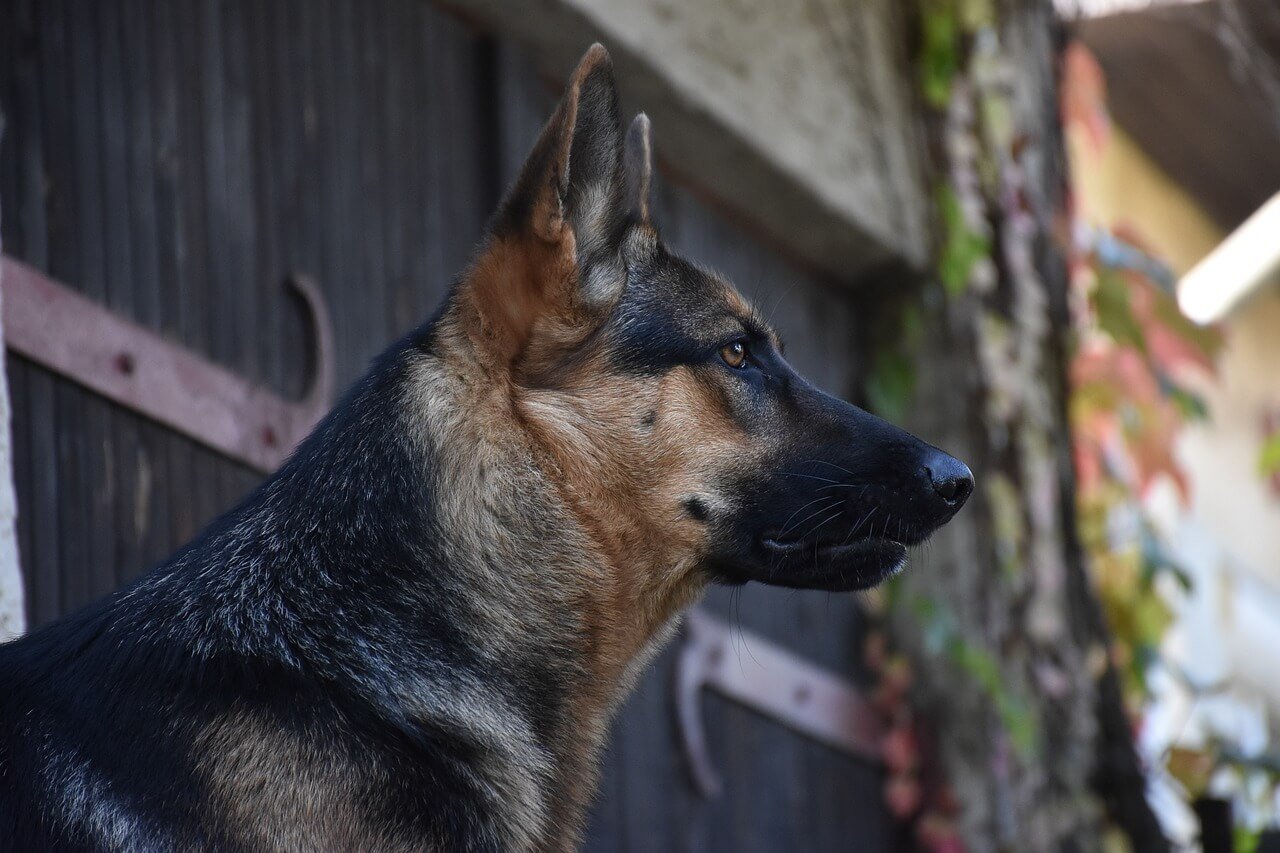
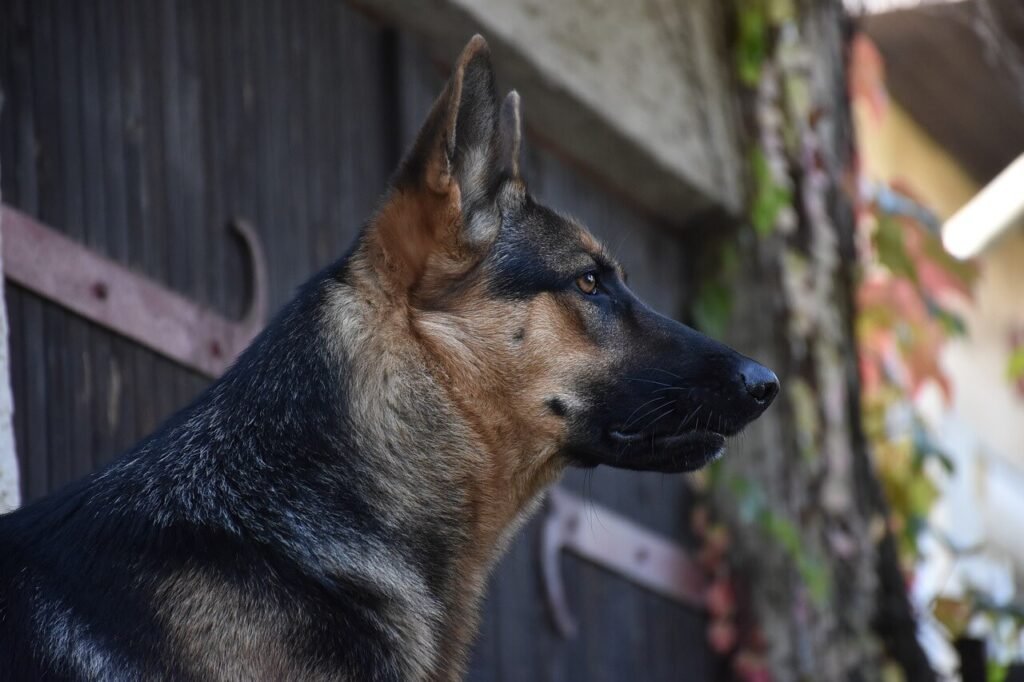
Renowned for their intelligence and versatility, German Shepherds are often used in police and military roles. They are fiercely loyal and highly protective of their families.Rottweiler:
Rottweilers are strong, confident, and deeply devoted to their owners. Their natural guarding instincts make them excellent protectors.Bullmastiff:
Known as the “gentle giant,” Bullmastiffs are calm yet courageous, using their size and strength to deter intruders while remaining affectionate with family members.Doberman Pinscher:
Dobermans are alert, agile, and incredibly loyal. Their sharp senses and protective nature make them ideal guard dogs.Boxer:
Boxers are playful, energetic, and deeply attached to their families. They are quick to act if they sense any threat to their loved ones.
These breeds exemplify the perfect balance of loyalty and protectiveness, making them cherished members of countless households worldwide.
Why These Breeds Are So Protective
The protective instincts of these breeds stem from their innate characteristics and historical roles. Understanding what drives their behavior can help you appreciate their unique qualities even more.
Strong Bonding Instincts:
These breeds form deep emotional connections with their families, which motivates them to protect those they love.History as Working Dogs:
Many of these breeds were originally bred for guarding livestock, property, or people, instilling a natural sense of duty and vigilance.High Intelligence:
Intelligent breeds like German Shepherds and Dobermans can assess threats quickly and respond appropriately, making them reliable protectors.Territorial Nature:
Breeds such as the Rottweiler and Bullmastiff are naturally territorial, ensuring they defend their home and family against perceived dangers.Training Potential:
These breeds are highly trainable, allowing owners to refine their protective instincts and ensure they behave appropriately in different situations.
Their protective nature is a result of both genetics and upbringing, making them dependable companions for those seeking safety and loyalty.
Check this guide 👉How to Protect Dog Paws in Winter: Best 7 Expert Tips!
Check this guide 👉Overprotective Dog Breeds: Best 7 Expert Tips!
Check this guide 👉Signs Your Dog is Protective of You: Best 7 Behavior Tips!
Loyal and Protective Breeds | Key Characteristics |
|---|---|
German Shepherd | Intelligent, versatile, and highly trainable |
Rottweiler | Confident, strong, and deeply devoted |
Bullmastiff | Calm, courageous, and gentle with family |
Doberman Pinscher | Alert, agile, and fiercely loyal |
Boxer | Playful, energetic, and protective |
How to Train a Protective Dog Breed
While protective breeds are naturally inclined to guard and defend, proper training is essential to ensure they behave responsibly and safely. Here are some tips to guide you through the process.
Start Early with Socialization:
Expose your dog to different people, animals, and environments from a young age to prevent fear-based aggression.Use Positive Reinforcement:
Reward your dog with treats, praise, or toys when they exhibit calm and obedient behavior during training sessions.Teach Basic Commands:
Commands like “sit,” “stay,” and “leave it” provide a foundation for managing their protective instincts effectively.Practice Controlled Exposure:
Gradually introduce scenarios where your dog must differentiate between real threats and harmless situations.Consult a Professional Trainer:
If you’re unsure how to handle your dog’s protective tendencies, seek guidance from a certified trainer experienced with guard dogs.
With consistent training, your protective dog can become a well-behaved and reliable companion.
Challenges of Owning a Protective Dog Breed
While protective breeds offer unmatched loyalty and security, they also come with unique challenges that require careful consideration. Understanding these potential hurdles ensures you’re prepared for the commitment.
High Exercise Needs:
Many protective breeds are energetic and require plenty of physical activity to stay happy and healthy.Potential for Overprotectiveness:
Without proper training, these dogs may become overly protective, leading to unwanted behaviors like excessive barking or aggression.Time-Intensive Training:
Protective breeds need structured training to channel their instincts appropriately, which can be demanding for busy owners.Space Requirements:
Larger breeds like the Bullmastiff and Rottweiler need ample space to move around comfortably, making them less suited for small apartments.Health Concerns:
Some protective breeds are prone to specific health issues, such as hip dysplasia or heart conditions, requiring regular vet check-ups.
Despite these challenges, the rewards of owning a loyal and protective dog often outweigh the effort required to care for them.
Benefits of Owning a Protective Dog Breed
Protective dog breeds offer numerous advantages beyond their guarding abilities. These benefits make them an excellent choice for families and individuals seeking a devoted companion.
Enhanced Home Security:
Their presence alone can deter intruders, providing peace of mind for homeowners.Unwavering Companionship:
These breeds thrive on human interaction and form strong bonds, ensuring you always have a loyal friend by your side.Improved Mental Health:
The unconditional love and support from a protective dog can reduce stress and boost overall well-being.Active Lifestyle Motivation:
Their high energy levels encourage owners to stay active and engaged in outdoor activities.Sense of Responsibility:
Caring for a protective breed fosters discipline and a deeper appreciation for the responsibilities of pet ownership.
Owning a protective dog breed enriches your life in countless ways, offering both practical and emotional benefits.
Signs Your Dog Is Being Overprotective
While protective instincts are admirable, overprotectiveness can lead to problematic behaviors. Recognizing the signs early helps you address the issue effectively.
Excessive Barking at Strangers:
Constant barking at visitors or passersby may indicate your dog feels overly responsible for guarding their territory.Aggression Toward Other Animals:
Growling, lunging, or snapping at other pets can signal misplaced protective urges.Refusal to Leave Your Side:
A dog that follows you everywhere and becomes anxious when separated may be overly reliant on protecting you.Barrier Aggression:
Displaying aggressive behavior behind fences or doors suggests frustration stemming from overprotectiveness.Resource Guarding:
Protecting food, toys, or even family members from others is a common sign of overprotective tendencies.
Addressing these behaviors through training and socialization ensures your dog remains balanced and well-adjusted.
How to Strengthen Your Bond with a Protective Dog
Building a strong bond with your protective dog enhances their loyalty and reinforces positive behaviors. These strategies foster trust and deepen your connection.
Spend Quality Time Together:
Engage in activities like walks, playtime, or cuddling to strengthen your emotional bond.Establish Consistent Routines:
Dogs thrive on predictability, so maintaining consistent feeding, walking, and training schedules builds trust.Reward Positive Behavior:
Use treats, praise, or toys to reinforce good behavior, encouraging your dog to repeat it.Respect Their Boundaries:
Allow your dog to have downtime and personal space, respecting their need for independence.Be Patient and Understanding:
Building trust takes time, especially with protective breeds. Patience and empathy go a long way in nurturing your relationship.
By prioritizing your bond, you’ll enjoy a lifelong partnership filled with love, loyalty, and mutual respect.
Frequently Asked Questions About Loyal and Protective Dog Breeds
What makes a dog breed loyal?
Loyalty in dogs is often a result of their strong pack mentality, intelligence, and desire to please their owners.
Are protective dogs aggressive?
Not necessarily. While protective breeds may appear assertive, proper training and socialization can ensure they remain friendly and well-behaved.
Can small dog breeds be loyal and protective?
Absolutely! Breeds like Chihuahuas and Shih Tzus are known for their fierce loyalty despite their small size.
How do I train a protective dog?
Consistent positive reinforcement, early socialization, and obedience training are key to raising a well-adjusted protective dog.
Are these breeds suitable for first-time owners?
Some breeds, like Labrador Retrievers, are beginner-friendly, while others, such as Rottweilers, may require experienced handling.
Finding Your Perfect Protector and Companion
Choosing a loyal and protective dog breed is a decision that requires thoughtfulness and preparation. These remarkable dogs bring unparalleled devotion, security, and joy to their families, but they also demand time, patience, and dedication. By understanding their unique traits and needs, you can create a harmonious relationship built on trust and mutual respect. Whether you’re drawn to the intelligence of a German Shepherd or the gentle strength of a Bullmastiff, there’s a protective breed out there that’s perfect for you. With the right care and training, these dogs will reward you with a lifetime of love and loyalty.
Understanding Cryptosporidium in Cats: Best 7 Expert Tips! – Spot symptoms, treat safely, and stop parasite spread in your home.
Understanding Cryptosporidium in Dogs: Best 7 Expert Tips! – Learn symptoms, treatment & prevention for this stubborn gut parasite.
Understanding Syringomyelia in Cats: Best 7 Expert Tips! – Recognize signs, manage pain, and support your cat’s neurological health with vet-backed guidance.
Understanding Syringomyelia in Dogs: Best 7 Expert Tips! – Expert insights on symptoms, MRI diagnosis, pain management & quality of life.


