
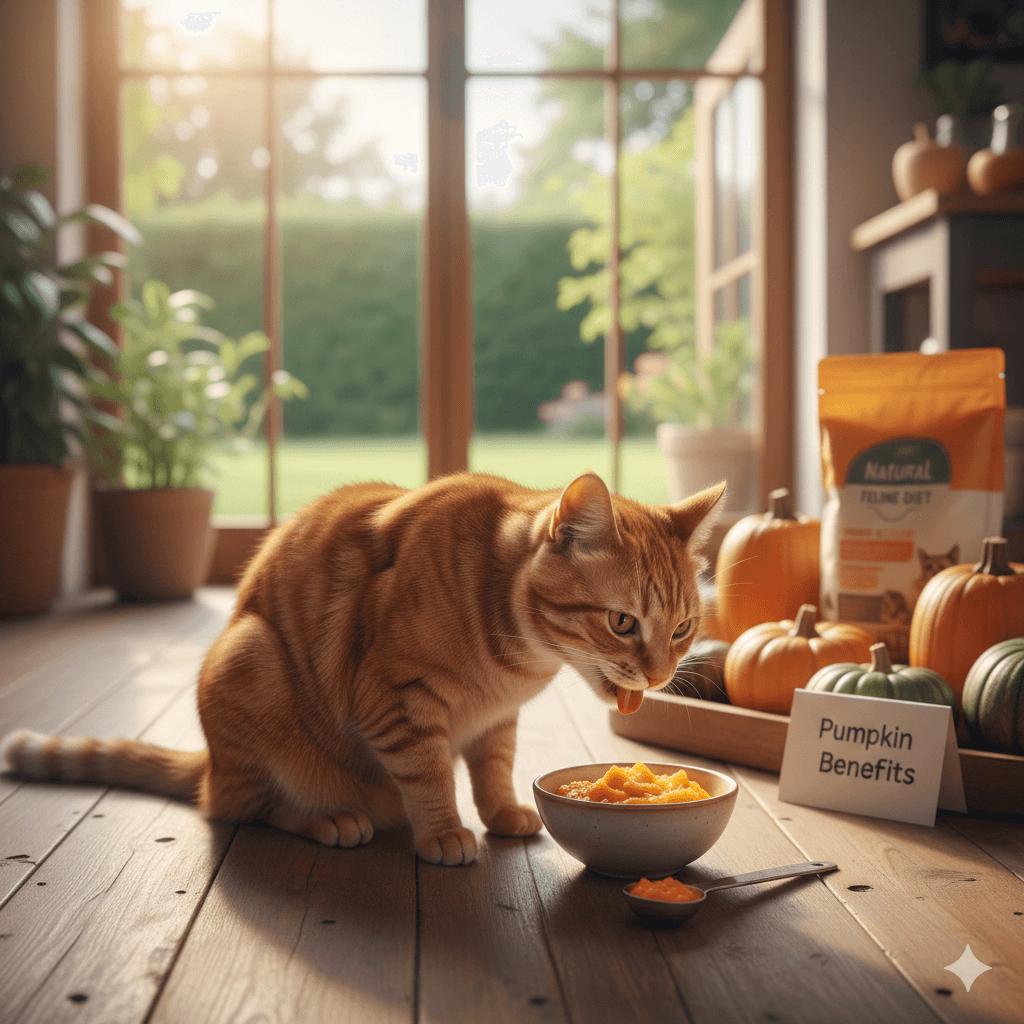

Can I Give My Cat Pumpkin Every Day?
Pumpkin is often praised as a natural remedy for digestive issues in cats, but can it be given daily? While small amounts of plain pumpkin can provide fiber and support gut health, overfeeding may lead to unintended consequences. Understanding the right balance ensures your cat reaps the benefits without compromising their well-being.
Benefits of Feeding Pumpkin to Cats
Pumpkin is a nutrient-rich food that offers several health benefits for cats when fed in moderation. Its high fiber content and natural vitamins make it a popular choice among pet owners seeking to improve their cat’s digestion or manage weight. However, understanding the specific advantages helps you determine whether pumpkin is suitable for your feline friend.
- Rich Source of Fiber:
Fiber aids digestion by promoting regular bowel movements and preventing constipation. It also helps bulk up stool, making it beneficial for cats with diarrhea. - Low in Calories:
Pumpkin is low in calories but filling, making it a great option for overweight cats needing portion control without sacrificing fullness. - Hydration Support:
Canned pumpkin contains a high water content, helping cats stay hydrated, especially those prone to urinary tract issues or dehydration. - Vitamins and Minerals:
Pumpkin is rich in vitamin A, which supports vision and immune health, as well as potassium, which aids muscle function and heart health. - Natural and Additive-Free:
Plain pumpkin is free from artificial additives, making it a safer alternative to processed treats or supplements for digestive support.
While pumpkin offers numerous benefits, it should complement—not replace—a balanced diet tailored to your cat’s nutritional needs.
Potential Risks of Daily Pumpkin Consumption
Although pumpkin is generally safe for cats, feeding it every day can pose risks if not carefully managed. Overconsumption may lead to imbalances in your cat’s diet or gastrointestinal issues. Understanding these risks ensures you avoid unintended consequences.
- Nutritional Imbalance:
Excessive pumpkin can displace essential nutrients like protein and fat, which are critical for maintaining muscle mass and energy levels. - Digestive Upset:
Too much fiber can cause bloating, gas, or diarrhea, especially in cats with sensitive stomachs or preexisting digestive conditions. - Vitamin A Toxicity:
High doses of vitamin A from daily pumpkin intake may lead to toxicity, causing bone pain, joint stiffness, or other systemic issues over time. - Weight Loss or Malnutrition:
If pumpkin replaces calorie-dense foods, cats may lose weight or fail to meet their daily caloric requirements, leading to lethargy or weakness. - Allergic Reactions:
Though rare, some cats may develop allergies to pumpkin, resulting in symptoms like itching, vomiting, or swelling around the face.
Moderation is key to avoiding these risks while still enjoying the benefits pumpkin provides.
Check this guide 👉Canned Pumpkin for Cat Diarrhea: Best 7 Expert Tips!
Check this guide 👉Pumpkin Puree for Cat Constipation: Best 7 Expert Tips!
Check this guide 👉Is Pumpkin Good for Cats? Best 7 Health Tips!
Benefits of Pumpkin for Cats | Risks of Overfeeding Pumpkin |
|---|---|
Promotes healthy digestion | Nutritional imbalances from overuse |
Supports hydration | Digestive upset like gas or diarrhea |
Low-calorie option for weight management | Potential vitamin A toxicity |
Helps prevent constipation and hairballs | Allergic reactions in rare cases |
Rich in vitamins A and potassium | Displacement of essential nutrients |
How Much Pumpkin Is Safe for Cats?
Determining the right amount of pumpkin for your cat depends on their size, age, and overall health. While small servings are safe, exceeding recommended portions can harm your cat’s delicate digestive system. Knowing how much to feed ensures safety and effectiveness.
- Small Portions for Kittens:
Kittens require only ½ teaspoon of canned pumpkin per serving due to their smaller bodies and developing digestive systems. - Moderate Amounts for Adult Cats:
Adult cats can safely consume 1–2 teaspoons of plain pumpkin once or twice weekly as part of a balanced diet. - Adjust Based on Weight:
Larger breeds may tolerate slightly higher amounts, but always monitor for signs of discomfort or digestive upset. - Avoid Frequent Feeding:
Daily pumpkin consumption isn’t necessary; occasional use addresses specific issues like constipation or hairball prevention. - Consult Your Vet:
Before introducing pumpkin into your cat’s diet, seek professional advice to ensure it aligns with their unique dietary needs.
Proper portion control prevents overfeeding and maximizes pumpkin’s positive effects on your cat’s health.
Signs Your Cat May Benefit from Pumpkin
Not all cats need pumpkin regularly, but certain signs indicate it might be helpful. Identifying these signals allows you to use pumpkin strategically rather than indiscriminately.
- Constipation Relief:
Hard stools or straining during defecation suggest your cat could benefit from pumpkin’s fiber content to soften waste. - Hairball Prevention:
Frequent regurgitation of hairballs indicates pumpkin might help move ingested fur through the digestive tract more efficiently. - Loose Stools or Diarrhea:
Pumpkin’s soluble fiber absorbs excess water in the gut, firming up loose stools caused by dietary indiscretion or stress. - Weight Management Challenges:
Overweight cats struggling to feel full may find pumpkin’s low-calorie bulk satisfying without adding extra pounds. - Urinary Tract Issues:
Increased hydration from pumpkin’s moisture content supports urinary tract health, reducing the risk of infections or blockages.
Using pumpkin as a targeted solution addresses specific problems effectively without unnecessary supplementation.
Best Ways to Serve Pumpkin to Cats
The method of preparation and serving significantly impacts how well your cat accepts pumpkin and benefits from it. Proper techniques ensure palatability and ease of integration into their diet.
- Choose Plain Canned Pumpkin:
Avoid pumpkin pie filling or flavored varieties, as added sugars and spices are harmful to cats. Opt for 100% pure canned pumpkin instead. - Mix with Wet Food:
Blend pumpkin seamlessly into wet food for picky eaters who might otherwise reject its texture or taste. - Create Homemade Treats:
Incorporate small amounts of pumpkin into homemade cat-safe treats, such as frozen cubes or baked biscuits. - Use as a Topper:
Sprinkle a thin layer of pumpkin over dry kibble to enhance flavor and encourage reluctant eaters to finish meals. - Freeze for Novelty:
Freeze small dollops of pumpkin for an interactive treat that doubles as enrichment and hydration support.
Thoughtful serving methods make pumpkin appealing and enjoyable for your feline companion.
Alternatives to Pumpkin for Digestive Health
While pumpkin is effective, other options exist for supporting your cat’s digestive health. Exploring alternatives ensures variety and reduces reliance on a single ingredient.
- Slippery Elm Bark:
This herbal remedy soothes irritated intestines and promotes normal stool consistency without added calories. - Probiotic Supplements:
Probiotics restore healthy gut bacteria, improving digestion and boosting immunity for long-term wellness. - Cooked Sweet Potatoes:
Like pumpkin, sweet potatoes offer fiber and hydration but should be served plain and mashed for easy consumption. - Hydration-Focused Diet:
Wet or raw diets naturally increase water intake, addressing dehydration-related constipation or urinary issues. - Veterinary Prescriptions:
For chronic digestive problems, specialized prescription diets formulated by vets provide tailored solutions beyond home remedies.
Exploring these options broadens your toolkit for maintaining optimal feline health.
Long-Term Considerations for Pumpkin Use
While pumpkin is a valuable addition to your cat’s diet, relying on it excessively can have unintended consequences over time. Balancing short-term fixes with long-term strategies ensures sustained well-being.
- Monitor Nutrient Intake:
Track your cat’s overall nutrient consumption to prevent deficiencies caused by displacing essential macronutrients like protein or fat. - Rotate Ingredients Regularly:
Alternating between pumpkin and other fiber sources keeps meals varied and minimizes boredom or resistance. - Watch for Behavioral Changes:
Sudden disinterest in food or altered eating habits may signal dissatisfaction or intolerance to frequent pumpkin inclusion. - Schedule Routine Vet Check-Ups:
Regular exams catch underlying issues early, ensuring pumpkin remains a supportive tool rather than masking deeper problems. - Educate Yourself Continuously:
Stay informed about feline nutrition trends and advancements to refine your approach to dietary management responsibly.
Long-term success depends on thoughtful planning and adaptability, keeping your cat’s evolving needs at the forefront.
Frequently Asked Questions About Feeding Pumpkin to Cats
Can cats eat raw pumpkin?
No, raw pumpkin is difficult for cats to digest and may cause choking or blockages. Always serve cooked or canned pumpkin instead.
Is canned pumpkin safe for cats?
Yes, plain canned pumpkin (100% pure) is safe and beneficial in small amounts. Avoid pumpkin pie filling or flavored varieties with added sugars and spices.
How often can I give my cat pumpkin?
Once or twice a week is sufficient for most cats. Daily feeding isn’t necessary and may lead to nutritional imbalances or digestive upset.
What if my cat doesn’t like pumpkin?
If your cat refuses pumpkin, try mixing it with wet food or explore alternatives like probiotics, slippery elm bark, or cooked sweet potatoes.
Can pumpkin help with hairballs?
Yes, pumpkin’s fiber content helps move ingested fur through the digestive tract, reducing hairball regurgitation.
Supporting Your Cat’s Health Responsibly
Feeding pumpkin to your cat can be a wonderful way to support their digestion, hydration, and overall health—but balance and moderation are key. By understanding both the benefits and risks, you ensure your feline companion enjoys the advantages without compromising their well-being. Whether addressing occasional digestive issues or exploring long-term dietary strategies, thoughtful choices reflect your dedication to providing the best care possible. Remember, every decision you make contributes to a happier, healthier life for your beloved pet.
Understanding Dog Rehabilitation: Best 7 Expert Tips! – Discover how targeted therapies and exercises restore mobility, relieve pain, and improve your dog’s quality of life safely.
Can THC Help with Cat Anxiety? Best 7 Expert Tips! – Discover the facts, risks, and safe usage of THC for calming your anxious cat. Always consult a vet first!
What Is Toxic to Cats: Best 7 Expert Tips! – Discover common toxins, recognize symptoms, and learn how to keep your cat safe from harmful substances.
Can THC Help with Dog Anxiety? Best 7 Expert Tips! – Discover the effects, risks, and safe use of THC for calming your anxious dog. Consult a vet first!


