
Understanding Cat Hip Dysplasia Treatment
Hip dysplasia in cats, though less commonly discussed than in dogs, can significantly impact their mobility and quality of life. This degenerative condition affects the hip joint, leading to discomfort, lameness, or difficulty moving. Early diagnosis and proper treatment are key to managing symptoms and ensuring your feline companion remains happy and active.
Symptoms of Hip Dysplasia in Cats
Hip dysplasia in cats often goes unnoticed until symptoms become severe, as cats are masters at hiding pain. Recognizing the signs early allows for timely intervention and better management of the condition. These symptoms can vary in severity and may develop gradually over time, making vigilance essential for cat owners.
- Difficulty Jumping or Climbing:
Cats with hip dysplasia may struggle to leap onto furniture or climb stairs due to pain and reduced joint flexibility. This is one of the earliest observable signs of mobility issues. - Limping or Favoring One Leg:
A noticeable limp or reluctance to put weight on a specific leg indicates discomfort or joint instability caused by the degenerative changes in the hip joint. - Stiffness After Rest:
Cats may appear stiff or move hesitantly after periods of rest, as the joints become less lubricated and more inflamed over time. This stiffness usually improves slightly with movement. - Reduced Activity Levels:
A once-active cat may become sedentary, avoiding play or exploration due to pain. Owners might mistake this for aging, but it could signal underlying hip problems. - Audible Clicking or Popping Sounds:
Some cats produce audible sounds when walking or running, caused by misalignment or abnormal movement within the hip joint. This symptom is often subtle but significant.
Understanding these signs helps you take proactive steps toward diagnosis and treatment, ensuring your cat’s comfort and mobility are preserved.
Causes and Risk Factors for Feline Hip Dysplasia
While hip dysplasia is more commonly associated with dogs, cats are also susceptible, particularly due to genetic and environmental factors. Identifying potential causes and risk factors is crucial for prevention and early detection.
- Genetic Predisposition:
Certain breeds, such as Maine Coons, Persians, and Himalayans, are genetically prone to hip dysplasia due to their larger size and skeletal structure. Responsible breeding practices can help reduce incidence rates. - Rapid Growth During Kittenhood:
Excessive growth spurts during kitten development can strain developing joints, increasing the likelihood of improper hip joint formation. Balanced nutrition is key during this stage. - Obesity and Excess Weight:
Carrying extra weight places undue stress on the hip joints, exacerbating existing dysplasia or accelerating joint degeneration. Maintaining a healthy weight is critical for prevention. - Trauma or Injury:
Accidents, falls, or injuries that impact the hips can lead to secondary dysplasia or worsen pre-existing conditions, especially in older cats. - Age-Related Degeneration:
As cats age, cartilage within the joints naturally wears down, making senior cats more vulnerable to hip dysplasia. Regular vet check-ups help monitor joint health in older pets.
By addressing these risk factors, you can minimize the chances of hip dysplasia affecting your cat’s quality of life.
Check this guide 👉Hip Dysplasia in Cats: Best 7 Expert Tips!
Check this guide 👉Hind Legs Sitting Cat Hip Dysplasia: Best 7 Expert Tips!
Check this guide 👉Cat Hip Cancer: Best 7 Expert Tips!
Lorem ipsum dolor sit amet, consectetur adipiscing elit. Ut elit tellus, luctus nec ullamcorper mattis, pulvinar dapibus leo.
Diagnostic Methods for Hip Dysplasia in Cats
Diagnosing hip dysplasia requires a combination of clinical evaluation and diagnostic tools to assess the severity of joint damage. Early and accurate diagnosis ensures appropriate treatment planning and improved outcomes.
- Physical Examination:
Veterinarians assess range of motion, joint stability, and signs of pain during manipulation of the hips. Observing gait abnormalities also provides valuable clues about joint function. - Radiographs (X-rays):
X-rays are the gold standard for diagnosing hip dysplasia, revealing structural abnormalities, joint misalignment, or signs of arthritis. Sedation may be necessary for clear imaging. - Palpation Tests:
Specific palpation techniques, such as the Ortolani test, detect joint laxity or dislocation indicative of hip dysplasia. These tests require expertise to perform accurately. - Blood Work and Inflammation Markers:
While not directly diagnostic, blood tests help rule out other conditions like infections or systemic diseases that mimic hip dysplasia symptoms. Elevated inflammation markers support the diagnosis. - Advanced Imaging Techniques:
In complex cases, veterinarians may use CT scans or MRIs to gain detailed insights into joint structure and surrounding tissues, aiding surgical planning if needed.
Comprehensive diagnostics ensure an accurate understanding of your cat’s condition, guiding effective treatment strategies.
Non-Surgical Treatment Options for Hip Dysplasia
For mild to moderate cases of hip dysplasia, non-surgical treatments focus on pain management, improving mobility, and slowing disease progression. These options are often the first line of defense before considering surgery.
- Weight Management Programs:
Reducing excess weight alleviates pressure on the hip joints, decreasing pain and improving mobility. Tailored diets and portion control are integral components of this approach. - Pain Relief Medications:
Non-steroidal anti-inflammatory drugs (NSAIDs) like meloxicam provide relief from inflammation and discomfort, though long-term use requires veterinary supervision. - Joint Supplements:
Glucosamine, chondroitin, and omega-3 fatty acids support cartilage repair and reduce inflammation, promoting joint health and delaying degeneration. - Physical Therapy Exercises:
Controlled exercises, such as gentle stretching or swimming, strengthen muscles around the hips, providing additional joint support and enhancing flexibility. - Environmental Modifications:
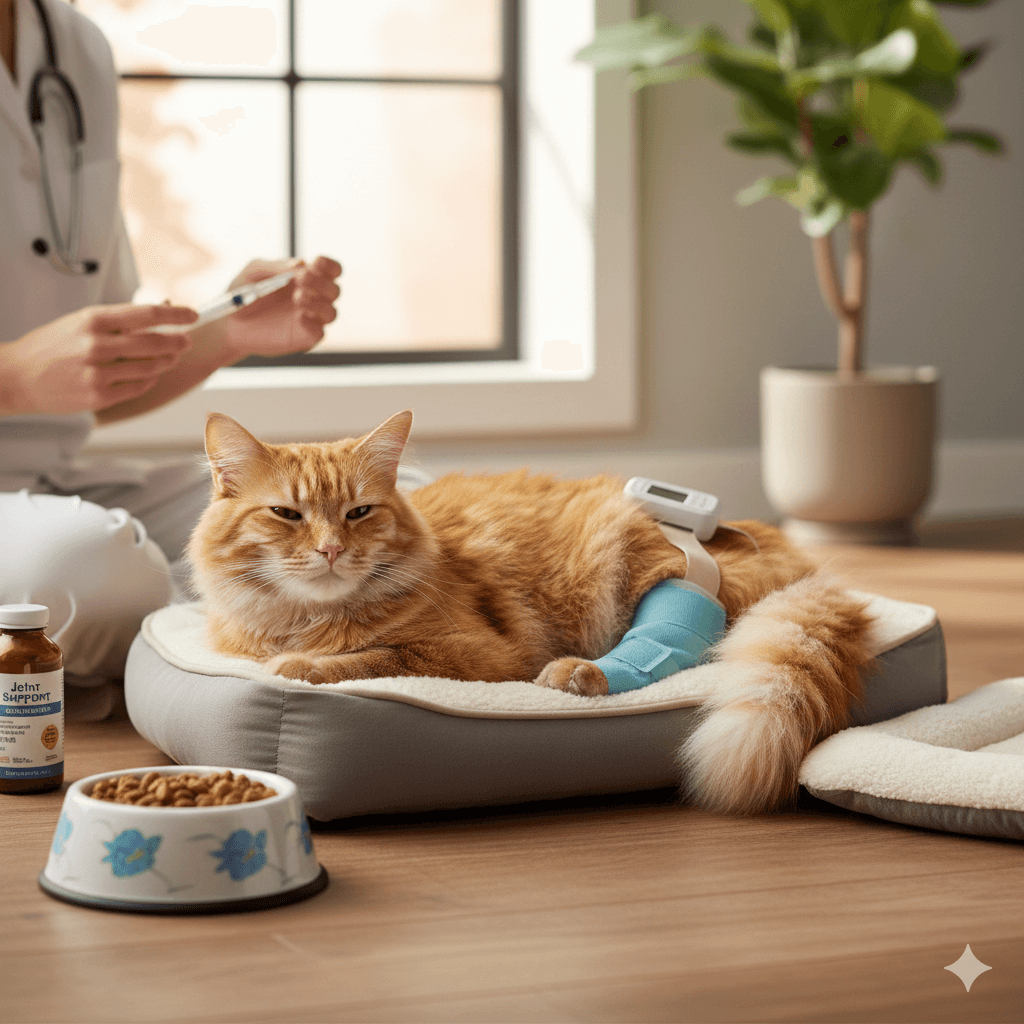
Adding ramps, lowering litter boxes, and providing soft bedding make daily activities easier for cats with mobility challenges, reducing strain on their joints.
These conservative measures improve quality of life while minimizing the need for invasive procedures.
Surgical Interventions for Severe Cases
When non-surgical treatments fail or the condition is advanced, surgical options become necessary to restore function and alleviate chronic pain. Each procedure has specific indications based on the cat’s age, size, and overall health.
- Femoral Head Ostectomy (FHO):
This surgery removes the femoral head, eliminating bone-on-bone contact and allowing scar tissue to form a new “false joint.” It’s ideal for smaller cats or those with severe arthritis. - Total Hip Replacement (THR):
THR replaces the damaged hip joint with a prosthetic implant, offering the most complete solution for large cats or those with debilitating dysplasia. However, it’s costly and technically demanding. - Juvenile Pubic Symphysiodesis (JPS):
Performed on young kittens, this minimally invasive surgery alters pelvic growth to improve hip alignment, preventing future dysplasia development. - Arthroscopic Surgery:
Minimally invasive arthroscopy diagnoses and treats minor joint issues, such as removing loose fragments or repairing ligaments, with faster recovery times. - Post-Surgical Rehabilitation:
Physical therapy, controlled exercise, and pain management are essential after surgery to maximize recovery and restore mobility effectively.
Surgery offers long-term solutions for cats severely affected by hip dysplasia, restoring their ability to live comfortably.
Lifestyle Adjustments for Cats with Hip Dysplasia
Managing hip dysplasia involves more than medical treatments—it requires ongoing lifestyle adjustments to support your cat’s well-being and mobility. These changes create a supportive environment that minimizes discomfort and maximizes independence.
- Providing Orthopedic Beds:
Soft, supportive beds cushion sore joints and reduce pressure points, ensuring restful sleep and faster recovery from daily activities. - Creating Accessible Spaces:
Install pet ramps or steps to help your cat reach favorite spots like windowsills or couches without straining their hips. - Adjusting Feeding Practices:
Elevating food and water bowls reduces bending, while portion-controlled meals prevent excessive weight gain that worsens joint stress. - Encouraging Gentle Play:
Interactive toys that don’t require jumping or strenuous movement keep your cat mentally stimulated and physically active without aggravating their condition. - Regular Veterinary Monitoring:
Frequent check-ups track disease progression, allowing timely adjustments to treatment plans and ensuring optimal care throughout your cat’s life.
These adjustments foster a safe, comfortable environment where your cat can thrive despite hip dysplasia.
Preventing Hip Dysplasia in Cats
Prevention plays a vital role in reducing the risk of hip dysplasia, particularly for genetically predisposed breeds. Early interventions and proactive measures safeguard your cat’s joint health and overall well-being.
- Choosing Reputable Breeders:
Select breeders who screen for hip dysplasia and prioritize breeding cats with healthy joints, reducing genetic transmission risks. - Balanced Nutrition for Kittens:
Feeding high-quality kitten food supports proper bone and joint development, avoiding rapid growth spurts that strain immature joints. - Maintaining Healthy Weight Throughout Life:
A lean body mass reduces stress on the hips, preserving joint integrity and preventing secondary complications like arthritis. - Providing Joint-Supportive Supplements Early:
Introducing glucosamine and omega-3 supplements during adulthood promotes long-term joint resilience, even in at-risk cats. - Encouraging Low-Impact Exercise:
Activities like walking or playing with interactive toys strengthen muscles around the hips without causing undue wear and tear on the joints.
Preventive strategies empower you to protect your cat’s mobility and ensure a lifetime of comfort and happiness.
“Make sure that your cat is not overweight, and encourage exercising to keep the hip muscles strong. Try to get the animal to jump up on a counter to get its food, for example, or hide the food under a sofa so that it has to crouch in order to find it.” — Ursula Krotscheck, DVM
Frequently Asked Questions About Cat Hip Dysplasia Treatment
What are the first signs of hip dysplasia in cats?
Early signs include difficulty jumping, limping, stiffness after rest, and reduced activity levels. Cats may also show reluctance to climb stairs or furniture.
Can hip dysplasia be cured in cats?
While there’s no complete cure, treatments like weight management, supplements, physical therapy, or surgery can significantly improve mobility and comfort.
Is hip dysplasia painful for cats?
Yes, hip dysplasia causes pain due to joint inflammation, cartilage damage, and abnormal movement within the hip joint. Pain management is a key part of treatment.
Are certain cat breeds more prone to hip dysplasia?
Yes, larger breeds like Maine Coons, Persians, and Himalayans are genetically predisposed, but mixed-breed cats can also develop the condition.
When should I consult a vet about my cat’s hip issues?
If you notice persistent lameness, difficulty moving, or behavioral changes, consult your vet immediately for a thorough evaluation and diagnosis.
Supporting Your Cat Through Hip Dysplasia Challenges
Managing hip dysplasia in cats requires patience, dedication, and a proactive approach to their overall well-being. Whether through non-surgical treatments, surgical interventions, or lifestyle adjustments, every step you take contributes to your cat’s comfort and quality of life. Early detection and consistent care make all the difference in slowing disease progression and ensuring your feline companion remains happy and active. Remember, your love and commitment are the foundation of their resilience—a bond that grows stronger with every challenge you overcome together.

Is Rawhide Bad for Cats? Best 7 Expert Tips! – Discover the risks, safe alternatives, and expert advice to keep your feline friend healthy and happy.

Is Rawhide Bad for Dogs? Best 7 Expert Tips! – Discover the risks, benefits, and safer alternatives to rawhides for your dog’s chewing needs.

Understanding Anorexia in Cats: Best 7 Expert Tips! – Learn why cats stop eating, spot warning signs, and discover how to help your feline regain appetite safely.

Understanding Anorexia in Dogs: Best 7 Expert Tips! – Learn causes, symptoms, and solutions to help your dog regain appetite and stay healthy.