
Understanding Dog Hip Dysplasia Treatment: Best 7 Expert Tips
Hip dysplasia in dogs is a common orthopedic condition that affects the hip joint, often leading to pain, lameness, and reduced mobility. While genetics play a significant role, early diagnosis and proper treatment can greatly improve your dog’s quality of life. From lifestyle adjustments to surgical options, understanding the available treatments empowers you to make informed decisions for your furry companion.
Causes and Risk Factors of Hip Dysplasia in Dogs
Hip dysplasia is a multifactorial condition influenced by genetics, environment, and lifestyle. While certain breeds are predisposed, external factors can exacerbate the condition. Understanding these causes helps dog owners take proactive steps to minimize risks and ensure early intervention when necessary.
- Genetic Predisposition:
Breeds like German Shepherds, Labrador Retrievers, and Golden Retrievers are genetically prone to hip dysplasia due to inherited joint structure abnormalities. Responsible breeding practices aim to reduce this risk but cannot eliminate it entirely. - Rapid Growth Rates:
Large and giant breeds that grow quickly are more susceptible to joint instability during their developmental stages. Overfeeding or improper nutrition during puppyhood can worsen this issue significantly. - Excessive Weight Gain:
Obesity places undue stress on the hip joints, accelerating wear and tear. Maintaining a healthy weight through portion control and exercise is crucial for preventing or managing hip dysplasia. - Lack of Proper Exercise:
Both excessive high-impact activity and insufficient movement can negatively impact joint health. A balanced routine that includes low-impact exercises like swimming supports joint stability without overstraining. - Environmental Factors:
Slippery floors, improper bedding, or rough play during puppyhood can contribute to joint misalignment. Providing a safe, supportive environment minimizes external risks and promotes healthy joint development.
By addressing these causes and risk factors, dog owners can significantly reduce the likelihood of hip dysplasia or manage its progression effectively. Early awareness and preventive measures are key to long-term joint health.
Early Signs and Symptoms of Hip Dysplasia
Recognizing the early signs of hip dysplasia allows for timely intervention, improving outcomes for affected dogs. These symptoms often develop gradually and may vary in severity depending on the dog’s age, size, and activity level.
- Difficulty Rising or Climbing Stairs:
Dogs with hip dysplasia struggle to get up from lying down or navigate stairs due to joint stiffness and pain. This is often one of the first noticeable signs. - Bunny Hopping Gait:
A characteristic “bunny hopping” motion while running or walking indicates discomfort and reduced range of motion in the hips. - Decreased Activity Levels:
Reluctance to engage in physical activities like running, jumping, or playing signals joint pain and reduced mobility caused by hip dysplasia. - Audible Joint Clicking or Popping:
Some dogs exhibit audible sounds when moving, indicating joint instability or cartilage damage within the hip socket. - Muscle Atrophy in Hind Legs:
As dogs favor their front legs to avoid pain, muscle wasting in the hindquarters becomes evident over time, further reducing mobility.
Early detection of these symptoms ensures prompt veterinary evaluation and treatment planning. Owners should monitor their dog’s behavior closely, especially in breeds prone to this condition.
Check this guide 👉Otitis Externa Dog Treatment Home: Best 7 Expert Tips!
Check this guide 👉Lymphoma Dog Treatment: Best 7 Expert Tips!
Check this guide 👉Dog Bone Cancer Treatment: Best 7 Expert Tips!
Non-Surgical Treatments | Surgical Options |
|---|---|
Weight management programs | Femoral Head Ostectomy (FHO) |
Physical therapy exercises | Total Hip Replacement (THR) |
Joint supplements (glucosamine, omega-3s) | Double/Triple Pelvic Osteotomy (DPO/TPO) |
Pain medications (NSAIDs) | Juvenile Pubic Symphysiodesis (JPS) |
Orthopedic support devices | Arthroscopic joint repair |
Non-Surgical Treatment Options for Hip Dysplasia
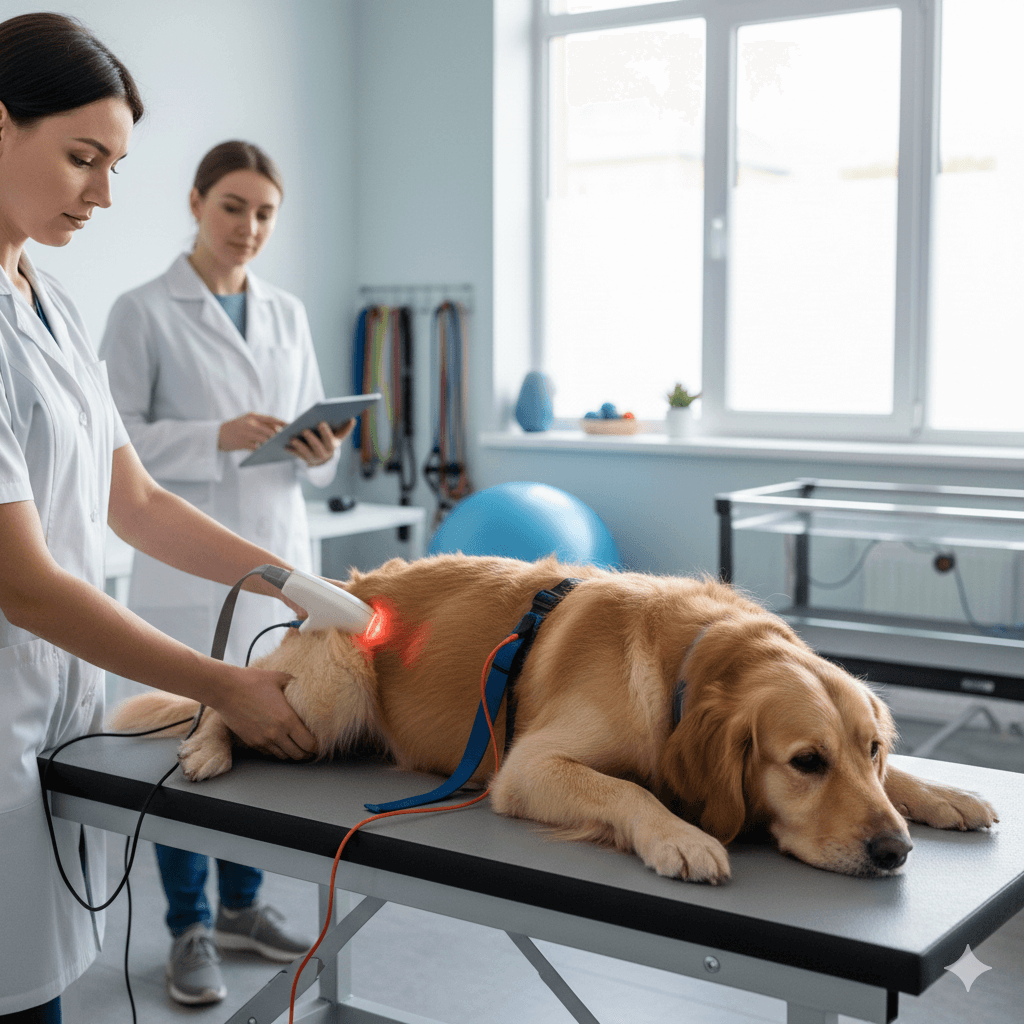
Non-surgical treatments focus on managing pain, improving mobility, and enhancing overall quality of life. These approaches are particularly beneficial for mild cases or older dogs where surgery may not be an option.
- Weight Management Programs:
Achieving and maintaining an ideal body weight reduces joint stress and slows disease progression. Tailored diets and portion control are essential components of this strategy. - Physical Therapy Exercises:
Targeted exercises like hydrotherapy, stretching, and controlled walking strengthen muscles around the hip joint, providing better support and stability. - Joint Supplements:
Glucosamine, chondroitin, omega-3 fatty acids, and MSM promote cartilage repair, reduce inflammation, and improve joint lubrication for dogs with hip dysplasia. - Pain Management Medications:
Non-steroidal anti-inflammatory drugs (NSAIDs) or other prescribed medications alleviate pain and inflammation, allowing dogs to move more comfortably. - Orthopedic Support Devices:
Harnesses, braces, and ramps provide additional support during movement, minimizing strain on the hips and improving daily functionality.
These non-surgical options offer practical, cost-effective ways to manage hip dysplasia symptoms and enhance your dog’s comfort without invasive procedures.
Surgical Treatment Options for Severe Cases
In advanced cases of hip dysplasia, surgery may be necessary to restore mobility and alleviate chronic pain. Veterinary surgeons recommend specific procedures based on the dog’s age, size, and severity of the condition.
- Femoral Head Ostectomy (FHO):
This procedure removes the femoral head, eliminating bone-on-bone friction and allowing scar tissue to form a new joint surface. It’s ideal for smaller dogs or those with less severe dysplasia. - Total Hip Replacement (THR):
Considered the gold standard, THR replaces the damaged hip joint with a prosthetic implant, offering near-normal function and long-term relief. - Double or Triple Pelvic Osteotomy (DPO/TPO):
These surgeries reposition the pelvic bones to improve joint alignment and coverage, typically performed on younger dogs before significant degeneration occurs. - Juvenile Pubic Symphysiodesis (JPS):
A minimally invasive procedure for puppies under six months old, JPS reshapes the pelvis to enhance hip stability as they grow. - Arthroscopic Surgery:
Minimally invasive arthroscopy diagnoses and treats minor joint issues, such as removing loose fragments or repairing damaged cartilage.
Surgical interventions provide lasting solutions for severe hip dysplasia but require careful consideration of costs, recovery times, and post-operative care.
Lifestyle Adjustments to Support Your Dog’s Recovery
Beyond medical treatments, lifestyle changes play a critical role in managing hip dysplasia and promoting long-term well-being. These adjustments create a supportive environment for your dog’s recovery journey.
- Comfortable Sleeping Arrangements:
Orthopedic beds cushion joints and distribute weight evenly, reducing pressure on painful areas during rest. - Slip-Free Flooring Solutions:
Carpets, rugs, or non-slip mats prevent slipping and falling, which can aggravate hip dysplasia symptoms and cause further injury. - Controlled Exercise Routines:
Short, frequent walks on soft surfaces like grass or sand limit joint stress while maintaining muscle strength and flexibility. - Assistive Devices for Mobility:
Harnesses, slings, or wheeled carts assist dogs with mobility challenges, enabling them to stay active despite physical limitations. - Regular Veterinary Check-Ups:
Routine exams track disease progression, evaluate treatment effectiveness, and adjust care plans as needed to ensure optimal outcomes.
These lifestyle modifications complement medical treatments, empowering you to provide holistic care for your dog’s unique needs.
Preventing Hip Dysplasia in At-Risk Breeds
Preventing hip dysplasia begins with responsible ownership practices and proactive health management. While not all cases can be avoided, these strategies significantly reduce risks, especially in predisposed breeds.
- Choose Reputable Breeders:
Select breeders who screen for hip dysplasia using certifications like OFA (Orthopedic Foundation for Animals) or PennHIP evaluations. - Nutritionally Balanced Diets:
Feed high-quality puppy food formulated for large breeds to support slow, steady growth and prevent rapid weight gain. - Avoid High-Impact Activities During Growth:
Discourage activities like jumping or rough play until your dog’s skeletal system is fully developed at around 12–18 months of age. - Maintain a Healthy Weight Throughout Life:
Regular weigh-ins and portion control prevent obesity, which is a major contributor to joint stress and degeneration. - Encourage Low-Impact Exercise:
Swimming, leash walks, and gentle play promote muscle development without straining developing joints.
By implementing these preventive measures, you safeguard your dog’s joint health and reduce the likelihood of hip dysplasia-related complications later in life.
Long-Term Outlook and Prognosis for Dogs with Hip Dysplasia
The prognosis for dogs with hip dysplasia varies depending on the severity of the condition, treatment approach, and level of owner commitment to ongoing care. With proper management, most dogs can lead happy, fulfilling lives despite their diagnosis.
- Mild Cases Respond Well to Conservative Care:
Dogs with mild hip dysplasia often thrive with weight management, supplements, and physical therapy, avoiding the need for surgery altogether. - Surgical Success Rates Are High:
Procedures like total hip replacement boast success rates exceeding 90%, restoring near-normal function and alleviating chronic pain. - Ongoing Monitoring Is Essential:
Regular vet visits and imaging tests track joint health, detect complications early, and guide adjustments to treatment plans. - Quality of Life Improves with Consistent Care:
Dedicated owners who prioritize their dog’s comfort and mobility see marked improvements in energy levels, mood, and overall well-being. - Older Dogs Benefit from Adaptations:
Senior dogs with hip dysplasia adapt well to supportive devices, modified routines, and pain management strategies tailored to their needs.
With patience, dedication, and a comprehensive care plan, dogs with hip dysplasia can enjoy a high quality of life and continue to bring joy to their families.
“Treatment options are available at every stage of a dog’s life to manage hip dysplasia medically or surgically and to allow your dog to enjoy a pain-free, active lifestyle.” – James M. Fingeroth, DVM, DACVS
Frequently Asked Questions About Dog Hip Dysplasia Treatment
What is the best age to diagnose hip dysplasia?
Hip dysplasia can be diagnosed as early as 4–6 months of age using X-rays, but symptoms often become noticeable between 1 and 3 years old.
Can hip dysplasia be cured completely?
While there’s no outright “cure,” treatments like surgery or physical therapy can significantly improve mobility and reduce pain for affected dogs.
Are joint supplements effective for hip dysplasia?
Yes—supplements containing glucosamine, chondroitin, and omega-3 fatty acids support joint health and slow degeneration when used consistently.
How much does hip dysplasia surgery cost?
Costs vary widely depending on the procedure; FHO ranges from $1,500–$3,000, while total hip replacement can cost $5,000–$10,000 per hip.
Is hip dysplasia preventable in at-risk breeds?
While not entirely preventable, responsible breeding, proper nutrition, and controlled exercise during puppyhood significantly reduce risks.
Supporting Your Dog Through Hip Dysplasia Challenges
Managing hip dysplasia requires patience, commitment, and a proactive approach to your dog’s care. Whether through non-surgical methods, surgical interventions, or lifestyle adjustments, every step you take improves their comfort and quality of life. Early detection and consistent follow-up with your veterinarian ensure the best possible outcomes, even for severe cases. Remember, your love and dedication are the foundation of your dog’s resilience—they rely on you to guide them through challenges with compassion and strength. Together, you can overcome the hurdles of hip dysplasia and create a lifetime of joy and companionship.

Is Rawhide Bad for Cats? Best 7 Expert Tips! – Discover the risks, safe alternatives, and expert advice to keep your feline friend healthy and happy.

Is Rawhide Bad for Dogs? Best 7 Expert Tips! – Discover the risks, benefits, and safer alternatives to rawhides for your dog’s chewing needs.

Understanding Anorexia in Cats: Best 7 Expert Tips! – Learn why cats stop eating, spot warning signs, and discover how to help your feline regain appetite safely.

Understanding Anorexia in Dogs: Best 7 Expert Tips! – Learn causes, symptoms, and solutions to help your dog regain appetite and stay healthy.