
Recognizing Cat Vitamin Overdose Symptoms: A Guide for Pet Owners
Cats require specific vitamins to thrive, but too much of a good thing can be dangerous. Vitamin overdoses, whether from supplements or fortified foods, can lead to serious health issues that require prompt attention. Understanding the symptoms ensures you can act quickly to protect your feline friend’s well-being.
Common Symptoms of Cat Vitamin Overdose
A vitamin overdose in cats can manifest in a variety of ways, depending on the type and amount of vitamin ingested. Recognizing these symptoms early is crucial for preventing long-term damage or complications. Since cats metabolize vitamins differently than humans, even small excesses can lead to toxicity. Understanding these signs helps you respond appropriately and seek veterinary care when needed.
- Gastrointestinal Distress:
Vomiting and diarrhea are among the first signs of a vitamin overdose. These symptoms occur as the body attempts to expel the excess nutrients, but prolonged episodes can lead to dehydration and weakness. - Lethargy and Weakness:
Cats may appear unusually tired, unwilling to play, or reluctant to move. This lethargy results from metabolic imbalances caused by excessive vitamins disrupting normal bodily functions. - Loss of Appetite:
A sudden refusal to eat is common in cases of vitamin toxicity. The digestive system becomes overwhelmed, making your cat avoid food altogether, which can lead to weight loss if untreated. - Excessive Thirst and Urination:
Fat-soluble vitamins like A and D can cause kidney stress, leading to increased thirst and frequent urination. This symptom indicates that the kidneys are working overtime to filter out toxins. - Neurological Signs:
In severe cases, vitamin overdoses can affect the nervous system. Symptoms include tremors, seizures, disorientation, or difficulty walking, signaling potential brain or spinal cord involvement.
These symptoms often overlap with other conditions, so veterinary evaluation is essential to confirm a diagnosis and begin appropriate treatment.
Fat-Soluble vs. Water-Soluble Vitamin Toxicity
Vitamins are categorized as either fat-soluble or water-soluble, and their toxicity risks differ significantly. Fat-soluble vitamins (A, D, E, K) are stored in the body’s fat tissues and liver, making them more likely to accumulate and cause toxicity. Water-soluble vitamins (B-complex, C), on the other hand, are excreted more easily but can still pose risks in excessive amounts.
- Vitamin A Toxicity:
Excess vitamin A causes bone deformities, stiffness, and pain due to abnormal calcium deposits in soft tissues. Long-term exposure through supplements or improper diets is a common cause. - Vitamin D Overdose:
High levels of vitamin D lead to hypercalcemia (elevated calcium levels), damaging the kidneys, heart, and blood vessels. Symptoms include vomiting, weakness, and kidney failure. - Vitamin E Imbalance:
While less toxic, excessive vitamin E interferes with blood clotting mechanisms, increasing the risk of bruising or bleeding. It also disrupts the absorption of other fat-soluble vitamins. - Vitamin K Toxicity:
Rare but possible, vitamin K overdoses can cause hemolytic anemia or jaundice, especially if synthetic forms are ingested. Cats may exhibit pale gums or dark urine. - Water-Soluble Vitamin Risks:
Though excreted more readily, excessive B-vitamins or vitamin C can still irritate the digestive tract or strain the kidneys, particularly in older or compromised cats.
Understanding these distinctions helps identify which vitamins pose the greatest risks and how they impact your cat’s health differently.
Check this guide 👉Can Cats Eat Vitamin D? Best 7 Expert Tips!
Check this guide 👉Can Cats Eat Vitamin E Oil? Best 7 Expert Tips!
Check this guide 👉The Role of Cat Vitamins in Feline Health: Best 7 Tips!
Early Warning Signs | Immediate Actions to Take |
|---|---|
Vomiting or diarrhea | Call your vet or pet poison hotline immediately |
Lethargy or weakness | Monitor hydration and gum color closely |
Excessive thirst or urination | Avoid giving additional fluids without advice |
Loss of appetite or weight loss | Bring any remaining vitamins to the vet visit |
Neurological signs like tremors or seizures | Seek emergency care without delay |
Causes of Vitamin Overdose in Cats
Vitamin overdoses in cats often result from well-intentioned but misguided supplementation or dietary choices. While occasional excesses might not harm, chronic overexposure leads to serious health issues. Identifying the root causes ensures you can prevent future incidents.
- Overuse of Supplements:
Pet owners sometimes provide human-grade multivitamins or pet-specific supplements without consulting a vet, leading to accidental overdoses. - Fortified Commercial Foods:
Some cat foods already contain adequate vitamins, and adding supplements creates an imbalance. Double-check labels before combining products. - Homemade Diets Lacking Balance:
DIY diets often lack proper formulation, resulting in nutrient deficiencies or excesses. Without veterinary guidance, homemade meals can harm rather than help. - Accidental Ingestion of Human Vitamins:
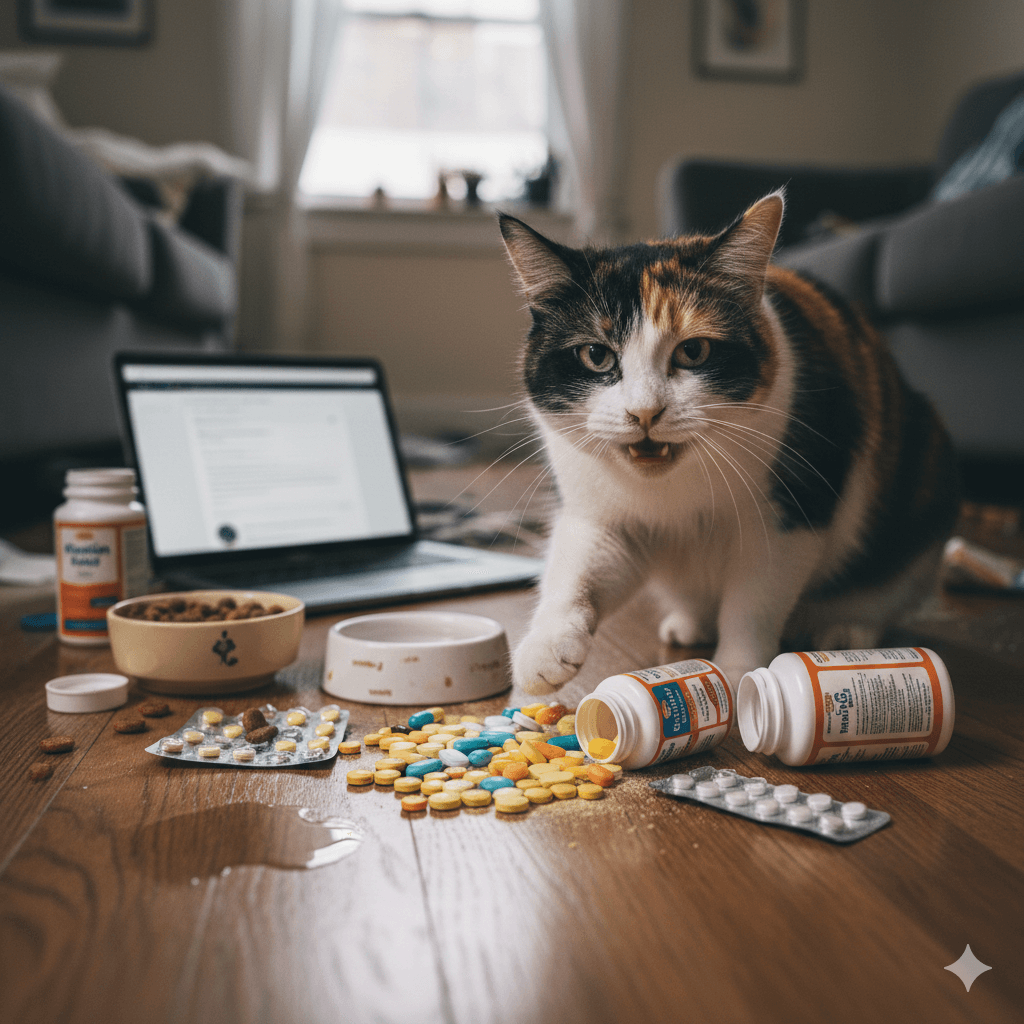
Cats may chew on bottles of human vitamins left within reach, consuming toxic amounts of iron, zinc, or other minerals alongside vitamins. - Misinterpretation of Nutritional Needs:
Believing “more is better,” some owners exceed recommended dosages, unaware that cats require much smaller amounts than humans or dogs.
Preventing these scenarios starts with education and collaboration with your veterinarian to ensure safe, balanced nutrition for your cat.
Immediate Actions If You Suspect a Vitamin Overdose
If you suspect your cat has consumed too many vitamins, acting quickly can make a significant difference in their recovery. Even mild overdoses warrant attention to prevent escalation. Follow these steps to stabilize your cat while seeking professional help.
- Contact Your Veterinarian Immediately:
Call your vet or an emergency clinic for advice tailored to your cat’s size, breed, and the specific vitamins involved. Time is critical in managing toxicity. - Do Not Induce Vomiting Without Guidance:
Forcing vomiting can worsen irritation or aspiration risks unless explicitly instructed by a vet familiar with your cat’s condition. - Provide Fresh Water:
Encourage hydration to help flush toxins from the system, but don’t force your cat to drink. Monitor their intake closely. - Secure Remaining Supplements or Vitamins:
Bring any remaining product packaging to the vet appointment to assist in assessing toxicity levels accurately. - Monitor for Worsening Symptoms:
Keep a close eye on your cat’s behavior, appetite, and energy levels. Document changes to share with the vet during diagnosis and treatment planning.
Prompt action minimizes the risk of severe complications and gives your cat the best chance at recovery.
Diagnosis and Treatment for Vitamin Overdose
Veterinarians use a combination of clinical evaluation, diagnostic tests, and targeted treatments to address vitamin overdoses. Early intervention improves outcomes and reduces the likelihood of long-term damage. Understanding this process prepares you for what to expect during your visit.
- Physical Examination:
The vet will assess vital signs, gum color, hydration status, and overall demeanor to gauge severity. - Blood Tests and Urinalysis:
Laboratory work identifies abnormalities such as elevated calcium levels, kidney dysfunction, or liver stress caused by toxic vitamins. - Activated Charcoal Administration:
Charcoal binds to toxins in the stomach, reducing further absorption into the bloodstream if ingestion was recent. - IV Fluid Therapy:
Intravenous fluids support hydration and help flush toxins from the body more efficiently, especially in cases of kidney involvement. - Medication Adjustments:
Depending on the vitamin involved, medications like corticosteroids, diuretics, or anti-seizure drugs may be prescribed to manage symptoms.
Each case varies slightly, but modern veterinary care offers excellent chances of full recovery with timely intervention.
Preventing Future Vitamin Overdoses
Prevention is key to ensuring your cat stays healthy and avoids unnecessary risks associated with vitamin overdoses. Simple precautions reduce the likelihood of accidental exposure and promote balanced nutrition.
- Consult Your Vet Before Adding Supplements:
Always discuss dietary needs with your veterinarian before introducing new vitamins or supplements to your cat’s regimen. - Read Labels Carefully:
Check commercial food and treat labels for added vitamins to avoid duplicating nutrients unnecessarily. - Store Vitamins Safely:
Keep all human and pet vitamins out of reach in secure containers to prevent accidental ingestion. - Avoid Homemade Diets Without Professional Guidance:
Work with a veterinary nutritionist to formulate balanced homemade meals that meet your cat’s unique needs. - Educate Family Members:
Ensure everyone in the household understands the importance of following dosage instructions and avoiding unauthorized supplements.
Proactive measures safeguard your cat’s health and foster a safer environment for years to come.
Long-Term Effects of Vitamin Overdose
While most cats recover fully with prompt treatment, some cases result in lingering effects that require ongoing management. Understanding these possibilities prepares you for long-term care needs and highlights the importance of prevention.
- Chronic Kidney Disease:
Excessive vitamin D or calcium damages the kidneys, potentially leading to lifelong renal issues requiring dietary adjustments and regular monitoring. - Liver Stress or Damage:
Fat-soluble vitamins accumulate in the liver, causing inflammation or scarring that affects its ability to detoxify the body effectively. - Bone and Joint Problems:
Vitamin A toxicity weakens bones and joints, increasing susceptibility to fractures or arthritis later in life. - Neurological Complications:
Severe overdoses affecting the nervous system may leave lasting impairments, such as tremors or mobility issues. - Behavioral Changes:
Some cats become more anxious or withdrawn after traumatic health episodes, requiring extra patience and reassurance.
Early recognition and consistent care mitigate long-term impacts, allowing your cat to thrive despite past challenges.
“Signs of vitamin D poisoning typically start 12–36 hours after ingestion. Vomiting, diarrhea, increased drinking and urination, abdominal pain, depression, and lack of appetite are generally seen with smaller doses. Higher doses can cause elevated levels of calcium and phosphorous in the body, which may result in kidney failure.” — Renee Schmid, DVM, DABT, DABVT
Frequently Asked Questions About Cat Vitamin Overdose Symptoms
Can cats recover from a vitamin overdose?
Yes, most cats recover fully with prompt veterinary treatment, though some may require ongoing care for long-term effects like kidney or liver damage.
How soon will symptoms appear after a vitamin overdose?
Symptoms typically emerge within hours to days, depending on the type and amount of vitamin ingested. Fat-soluble vitamins often take longer to show effects.
What should I do if my cat eats human vitamins?
Contact your vet immediately, secure the remaining vitamins, and monitor your cat closely for symptoms like vomiting, lethargy, or excessive thirst.
Are all vitamins toxic to cats in high doses?
Fat-soluble vitamins (A, D, E, K) pose the greatest risk due to accumulation in the body, but even water-soluble vitamins can cause issues in extreme amounts.
How can I prevent vitamin overdoses in my cat?
Consult your vet before adding supplements, store vitamins securely, and avoid over-fortifying your cat’s diet with unnecessary additives.
Supporting Your Cat Through Recovery and Prevention
A vitamin overdose is a serious but manageable issue when addressed promptly and effectively. By recognizing early symptoms, acting swiftly, and working closely with your veterinarian, you give your cat the best chance at recovery. Prevention remains the cornerstone of safety—always consult your vet before introducing supplements or making dietary changes. Remember, your vigilance and quick thinking are the ultimate safeguards against accidental poisoning—and the foundation of a lifetime of love and trust.

Is Rawhide Bad for Cats? Best 7 Expert Tips! – Discover the risks, safe alternatives, and expert advice to keep your feline friend healthy and happy.

Is Rawhide Bad for Dogs? Best 7 Expert Tips! – Discover the risks, benefits, and safer alternatives to rawhides for your dog’s chewing needs.

Understanding Anorexia in Cats: Best 7 Expert Tips! – Learn why cats stop eating, spot warning signs, and discover how to help your feline regain appetite safely.

Understanding Anorexia in Dogs: Best 7 Expert Tips! – Learn causes, symptoms, and solutions to help your dog regain appetite and stay healthy.